

What Is The Difference Between Diabetic Shoes And Regular Shoes?
Diabetic shoes lower pressure and friction; regular shoes focus on style and general comfort.
If you want a clear, expert take on what is the difference between diabetic shoes and regular shoes, you are in the right place. I have fit many patients for therapeutic footwear and seen the results. Read on to learn what is the difference between diabetic shoes and regular shoes, how the features protect your feet, and how to choose the right pair for your needs.

What makes diabetic shoes unique
Diabetic shoes are medical-grade footwear made to protect at-risk feet. Many people with diabetes have reduced feeling, poor blood flow, or foot shape changes. Small rubbing can turn into a wound fast. That is why design and fit matter.
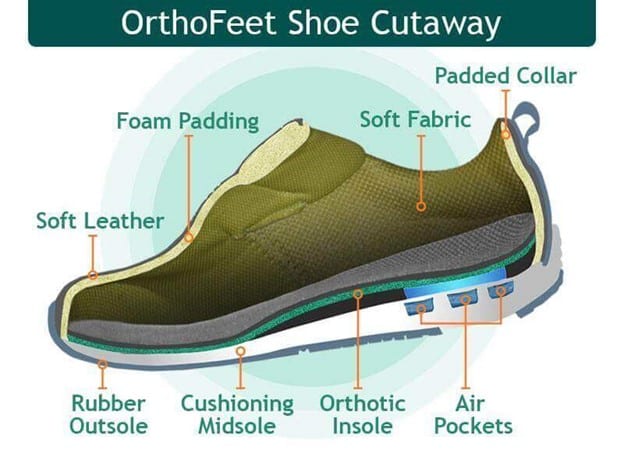
Here is the heart of what is the difference between diabetic shoes and regular shoes. Diabetic shoes lower pressure, remove seams, and give more room. They also work with custom inserts to support even weight. A strong heel and stable sole help control motion and protect the foot.
Key protective features include:
- Extra depth for custom inserts and swelling
- Seamless, soft linings to prevent rubbing
- Wide, high toe box to reduce toe pressure
- Firm heel counter for rearfoot control
- Rocker or cushioned soles to reduce forefoot load
- Adjustable closures for a precise fit
- Removable insoles to fine-tune support
These details are not just comfort perks. They help prevent calluses, blisters, and ulcers. That is the big reason behind what is the difference between diabetic shoes and regular shoes.

Regular shoes: strengths and gaps
Regular shoes are built for style, sport, or day-to-day wear. They can feel great for many people. But they are not built for medical risk.
Most regular shoes have seams inside. Many have narrow toe boxes. Some have soft, flexible soles that bend too much. These can create hot spots and pressure. That gap explains what is the difference between diabetic shoes and regular shoes in real life.

Key differences side by side
Think of two goals. Regular shoes aim for looks and general comfort. Diabetic shoes aim to protect and prevent injury. Here is how they differ:
- Fit and depth: Diabetic shoes have extra depth and volume. Regular shoes do not.
- Interior finish: Diabetic shoes use smooth, seam-free linings. Regular shoes often have seams and overlays.
- Toe room: Diabetic shoes have a wider, taller toe box. Regular shoes may be narrow or tapered.
- Insoles: Diabetic shoes accept custom inserts. Regular shoes have thin, fixed liners.
- Sole design: Diabetic shoes use rocker or stable soles to shift pressure. Regular shoes vary a lot.
- Adjustability: Diabetic shoes come in many widths and closure styles. Regular shoes have fewer width options.
- Materials: Diabetic shoes use soft, breathable uppers. Regular shoes may use stiff or decorative materials.
- Oversight: Many diabetic shoes meet medical codes. Regular shoes do not.
This list sums up what is the difference between diabetic shoes and regular shoes in clear terms.
Who should choose diabetic shoes and when
If you have diabetes and one or more of these, ask about diabetic shoes:
- Loss of sensation or tingling in your feet
- History of ulcers, calluses, or foot wounds
- Foot shape changes like bunions, hammertoes, or Charcot foot
- Poor circulation or swelling
- Use of custom orthotics
- Past toe or foot amputation
If your diabetes is well managed and your feet are low risk, some regular shoes may work. You still need a good fit, soft linings, and enough room. When in doubt, see a podiatrist. That visit can confirm what is the difference between diabetic shoes and regular shoes for your case.
Benefits and trade-offs
Benefits you can feel:
- Lower risk of blisters, calluses, and ulcers
- Better pressure spread with inserts
- Improved stability when walking
- Room for foot changes and swelling
Known trade-offs:
- Fewer fashion-forward styles, though this is changing
- Slightly heavier or stiffer soles for safety
- Higher upfront cost
- A proper fitting process takes time
Research shows that therapeutic footwear and inserts lower plantar pressure. This helps cut ulcer risk and recurrence in high-risk feet. That is the clinical side of what is the difference between diabetic shoes and regular shoes.

How to choose and get fitted
Use this simple plan:
- Get a foot exam and prescription if needed
- Visit a pedorthist or podiatrist who fits diabetic shoes
- Bring the socks you plan to wear
- Measure both feet while standing, later in the day
- Try shoes with the inserts you will use
- Check for a thumb’s width at the toes and snug heel hold
- Walk on varied surfaces and turn quickly
- Look for any rub marks on your skin after 10–15 minutes
A careful fit visit shows you what is the difference between diabetic shoes and regular shoes in practice. You will feel the support and see the space in key areas.
Care, wear, and maintenance
Daily care keeps your feet safe:
- Check feet every night for redness or hot spots
- Rotate pairs to let shoes dry out
- Replace inserts every 3–6 months or as they pack down
- Keep linings clean and dry
- Use seamless, moisture-wicking socks
- Break in new shoes slowly over several days
These small steps protect your investment. They also sharpen the gains you get from what is the difference between diabetic shoes and regular shoes.

Cost, insurance, and value
In the US, many diabetic shoes meet medical coverage rules. With the right paperwork, eligible patients may get one pair of shoes and three pairs of inserts per year. Private plans vary.
Out-of-pocket costs range by brand and features. Shoes often run from moderate to premium prices, and inserts add to the total. Compare that with the high cost of treating a foot ulcer. The value case becomes clear. That is the financial side of what is the difference between diabetic shoes and regular shoes.
Common myths and mistakes
Myths to ignore:
- They are only for older adults
- Any soft sneaker is good enough
- A bigger size is the same as extra depth
- They must look bulky or medical
- Custom shoes are always required
Mistakes to avoid:
- Picking a shoe that is too soft and unstable
- Skipping proper width and volume
- Wearing thick seams on socks
- Ignoring wet insoles or hot spots
- Not replacing worn inserts
Each myth clouds what is the difference between diabetic shoes and regular shoes. Facts and fit win every time.
Real-world examples and tips from practice
A patient with numb feet kept getting calluses under the big toe. We fit a depth shoe with a mild rocker sole and firm heel counter. With a custom insert, their pressure dropped and the skin cleared in weeks. They said walking felt more stable.
Another patient loved sleek dress shoes but had a bunion. We found a diabetic dress style with a soft stretch upper and extra width. It looked sharp and did not rub. They learned what is the difference between diabetic shoes and regular shoes when fashion meets function.
Lessons I share often:
- Fit comes first; style follows
- Pressure you cannot feel can still harm you
- Your inserts need room to work
- Check your feet daily, no matter how good the shoe is
Frequently Asked Questions of what is the difference between diabetic shoes and regular shoes
What is the difference between diabetic shoes and regular shoes?
Diabetic shoes reduce pressure and friction with extra depth, smooth linings, and stable soles. Regular shoes focus on general comfort and style, and may allow hot spots.
Do I need a prescription to buy diabetic shoes?
Many people do for insurance coverage, but you can buy them without one. A prescription helps confirm medical need and ensures a proper fit process.
Can I wear regular sneakers if I have diabetes?
Yes, if your feet are low risk and the fit is ideal. Look for wide toe boxes, soft linings, removable insoles, and good stability.
How long do diabetic shoes and inserts last?
Shoes often last 6–12 months with daily wear. Inserts may need replacement every 3–6 months, depending on weight, gait, and use.
Are diabetic shoes stylish?
Many brands now offer casual, athletic, and dress looks. You can often find a design that blends in while still protecting your feet.
What features should I check first?
Check toe room, seam-free lining, removable inserts, and a stable, cushioned sole. Make sure the heel holds and there is no rubbing.
Do diabetic shoes prevent all foot ulcers?
No shoe can remove all risk. They reduce risk a lot when paired with good glucose control and daily foot checks.
Conclusion
The big idea is simple. Diabetic shoes are built to prevent harm, while regular shoes aim at style and everyday comfort. The difference shows up in depth, liners, toe room, sole design, and how inserts fit and work together. That is what is the difference between diabetic shoes and regular shoes in daily life.
If you have diabetes, invest in a proper foot exam and fitting. Protect your feet today to stay active tomorrow. Ready to take the next step? Share your questions, subscribe for more guides, or explore our related resources to choose the right pair.


