

What’s The Difference Between Wide Shoes And Regular?
Wide shoes offer more internal width and toe-box room than regular shoes, improving comfort and fit.
As a footwear specialist with years of fitting clients and analyzing shoe designs, I will explain what’s the difference between wide shoes and regular in clear, practical terms. This article breaks down construction, measurements, health implications, and fitting tips so you can choose the right shoe with confidence. Read on for a thorough, evidence-informed guide that blends industry insight with real-world experience.

Definitions: what wide shoes and regular shoes mean
Wide shoes are shoe models or sizes designed with extra internal width across the forefoot, toe box, and sometimes the heel. Regular shoes use standard width measurements intended to fit most feet within a population norm.
Key points about definitions:
- Width letters and numbers denote internal fit, not overall length.
- Wide fits include labels like W, Wide, 2E, 3E, and are relative to the brand’s base last.
- Regular fits are often labeled M, B, or simply standard sizing.
Understanding these terms helps answer what’s the difference between wide shoes and regular for fit and comfort.
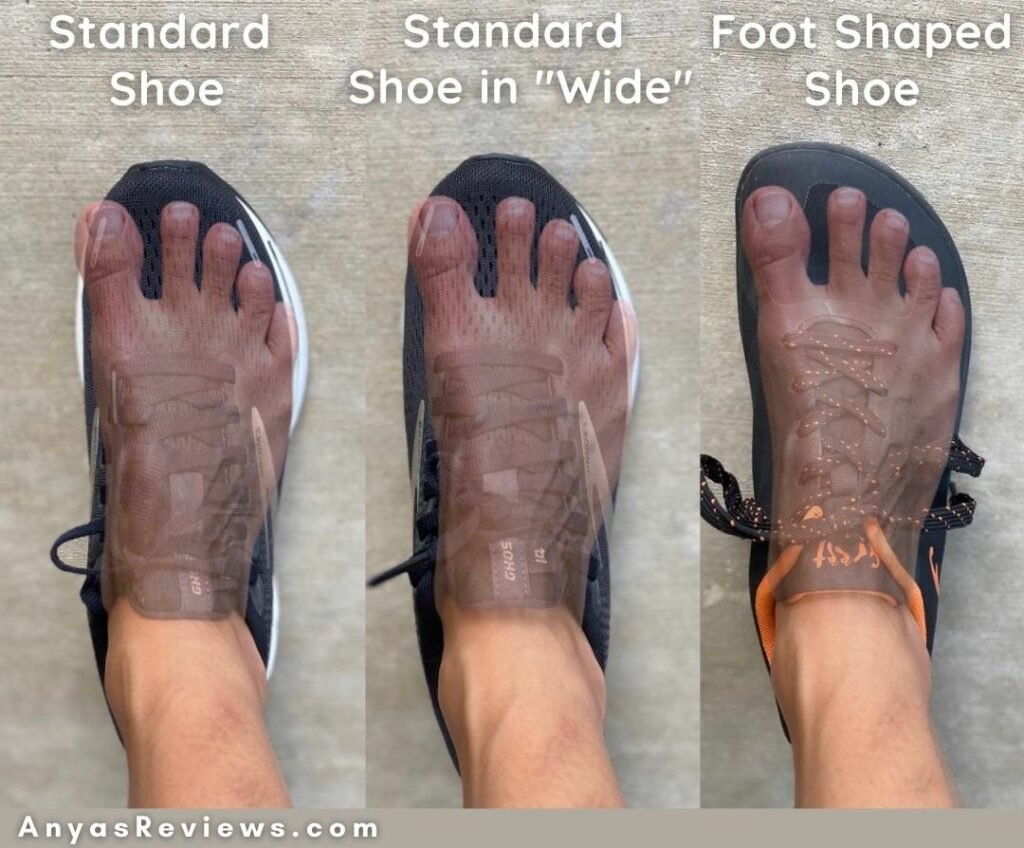
How manufacturers measure width?
Shoe makers use lasts, calipers, and standardized width charts to set widths. Measurement steps are short and consistent.
Typical measurement process:
- Measure ball girth and forefoot width on the last.
- Apply industry width standards to map width to a letter or number.
- Adjust last shape to match design intent and material stretch.
Manufacturers vary by region. U.S., UK, and EU systems differ in labels and increments. This explains why what’s the difference between wide shoes and regular can feel inconsistent across brands.

Construction differences that matter
Construction changes alter fit and feel. These elements explain what’s the difference between wide shoes and regular beyond simple width numbers.
Main construction factors:
- Last shape: wider lasts create more room across the forefoot.
- Toe-box height: some wide shoes also increase vertical space.
- Upper material: leather vs knit affects stretch and initial fit.
- Midsole and insole geometry: wider footbeds support broader feet more evenly.
These design choices change pressure points and gait mechanics. When I fit customers, the last shape often explains why a regular feels tight while a wide fits better.
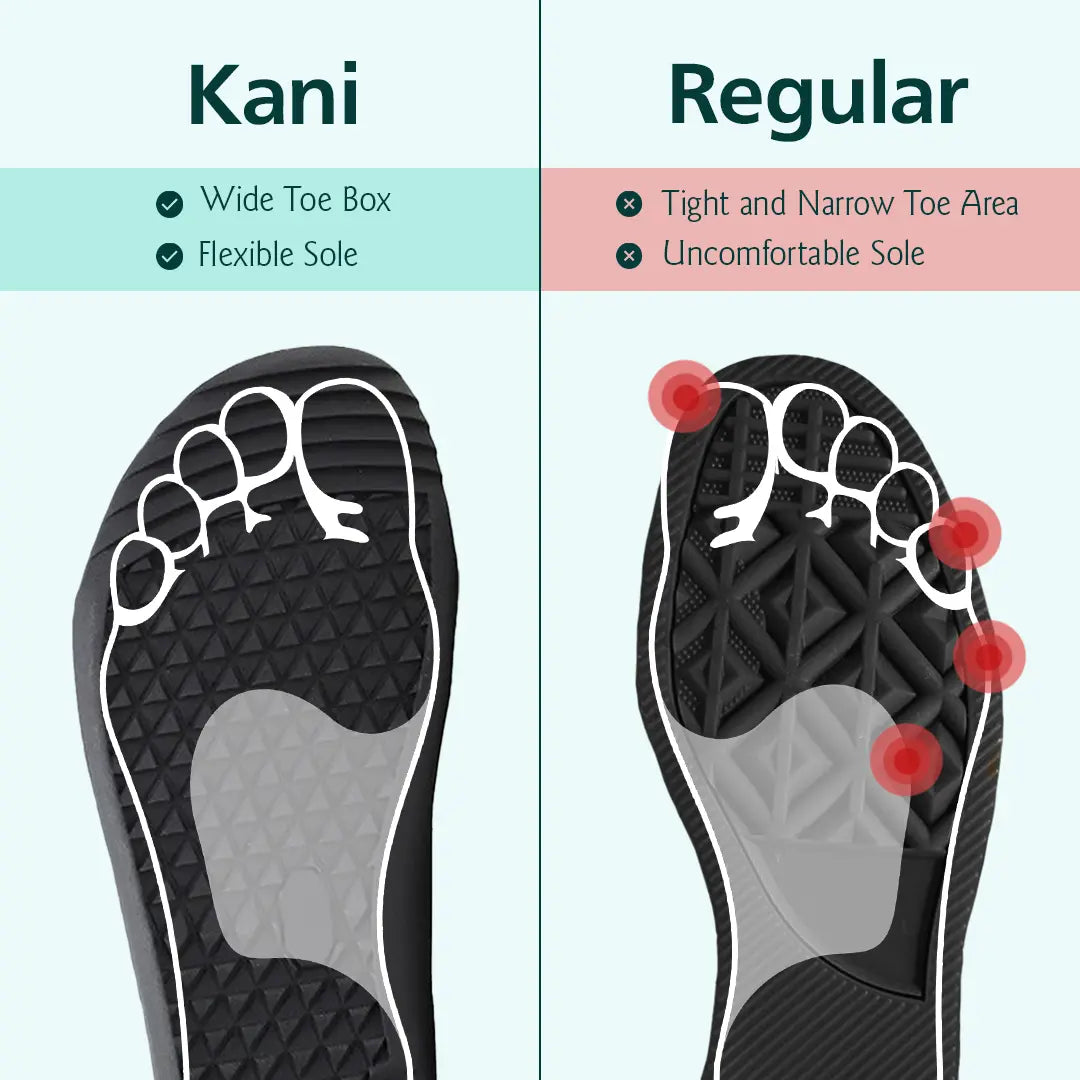
Health and comfort implications
Choosing the correct width impacts foot health. Knowing what’s the difference between wide shoes and regular helps you prevent common problems.
Health effects of wearing correct width:
- Reduced blisters, corns, and calluses due to less friction.
- Lower risk of bunion pain and toe deformity progression.
- Improved circulation when the forefoot is not compressed.
- Better balance and gait, reducing knee and hip strain.
Clinical studies and podiatry practice show that cramped shoes worsen many foot conditions. Opting for wide shoes when appropriate is a preventive step.

Who should choose wide shoes
Wide shoes are not only for people with “wide feet.” Use this checklist to see if they suit you.
Signs you may need wide shoes:
- Sore toes after short walks.
- Visible redness or calluses on outer toes.
- Your foot spills over the footbed edge.
- You have diabetes, foot swelling, or structural deformities.
If you answer yes to any item, exploring wide options is a sensible next step. Knowing what’s the difference between wide shoes and regular will help you pick models that reduce pressure and boost comfort.

How to measure your foot for width at home
A simple at-home test clarifies whether you need wide sizing.
Step-by-step:
- Place foot on paper and trace while standing.
- Measure the widest part across the forefoot in inches or cm.
- Compare measurement to brand width charts.
- Repeat in the evening when feet are slightly swollen.
Accurate measurement directly answers what’s the difference between wide shoes and regular for your feet. I always re-measure both feet; one foot can be wider than the other.

Buying tips and fit strategies
A focused buying approach reduces returns. These practical tips reflect years of retail and fitting experience.
Buying checklist:
- Try shoes with socks you’ll wear regularly.
- Walk for several minutes to test forefoot comfort.
- Allow a thumb’s width at the end for length clearance.
- Consider removable insoles for customizable width.
- Read brand-specific fit notes; some brands run narrow or wide.
When online shopping, filter by width where possible. Understanding what’s the difference between wide shoes and regular helps you ask the right questions to sellers and test shoes effectively.
Materials and styles: how they influence width perception
Material choice changes perceived width even when numeric width is identical.
Material effects:
- Soft leathers stretch and adapt, easing tight spots.
- Stiff leathers and rigid synthetics feel narrower initially.
- Knit uppers expand with foot movement, often feeling roomier.
- Lower collars and wider toe boxes amplify the impact of actual width.
Being aware of material behavior clarifies what’s the difference between wide shoes and regular in everyday use.
Personal experience and lessons learned
From fitting hundreds of clients and testing shoes, I learned a few reliable lessons.
What I learned:
- One brand’s regular can match another’s wide; always test.
- Wider shoes improved comfort for long shifts and walking jobs.
- Trying shoes late in the day reduces unexpected tightness.
- Avoid assuming wide means bulky; many wide styles look sleek.
These practical observations show how what’s the difference between wide shoes and regular matters in daily life. My clients often report immediate relief after switching to properly wide fits.
Limitations and trade-offs
Wide shoes are not always the best choice. Trade-offs exist.
Common limitations:
- Some wide models sacrifice slim styling for comfort.
- Wider lasts may reduce heel lockdown, causing slip for some feet.
- Sizing inconsistencies across brands persist.
Be transparent about limitations. Recognizing them helps you choose the best fit rather than assuming wide is always better when comparing what’s the difference between wide shoes and regular.
Quick decision guide
A short guide to decide quickly.
If you should pick wide shoes:
- You feel pressure across the ball of the foot.
- You have structural foot issues or chronic swelling.
- You need extra room for orthotics.
If regular might be fine:
- Your feet feel secure and pain-free in standard fits.
- You prefer slimmer silhouettes and have no pressure points.
Use this to act on what’s the difference between wide shoes and regular without trial and error.
Frequently Asked Questions of what’s the difference between wide shoes and regular
Are wide shoes just wider in the toe box?
Yes. Wide shoes increase internal width, often across the forefoot and toe box. They may also offer extra volume overall, depending on the last.
Do wide shoes change shoe length?
No. Width adjustments do not alter the shoe’s length. You should still select length based on foot measurement and comfort.
Can I add insoles to make regular shoes wider?
Insoles usually reduce internal space and can make shoes feel tighter. Consider orthotic-friendly wide shoes instead.
Are wide shoes less stylish?
Not necessarily. Many modern brands design wide lasts into fashionable silhouettes, keeping style and comfort balanced.
Will switching to wide shoes fix foot pain immediately?
Many people feel relief quickly, but chronic conditions may need professional assessment. Wide shoes reduce pressure but are not a medical cure-all.
Conclusion
Understanding what’s the difference between wide shoes and regular helps you make better footwear choices for comfort, health, and performance. Wide shoes offer extra internal room and sometimes different construction, while regular shoes follow standard width norms.
Measure your feet, test shoes with movement, and prioritize long-term comfort over immediate style. Take one small step today: measure both feet, try a trusted wide model if you experience pressure, and keep notes on brand fits to save time next purchase. Leave a comment about your fitting experience or subscribe for more practical footwear guidance.


