

Whats The Difference Between Wide And Medium Shoes [Explained]
Wide shoes add extra room at the forefoot and overall volume versus medium.
You want comfort that lasts, not pinches and hot spots. If you have ever asked whats the difference between wide and medium shoes, this guide gives clear answers. I fit runners, hikers, and office workers every week. Here you will learn how widths work, how to measure your feet at home, and how to buy the right size with confidence.

What does medium vs wide actually mean?
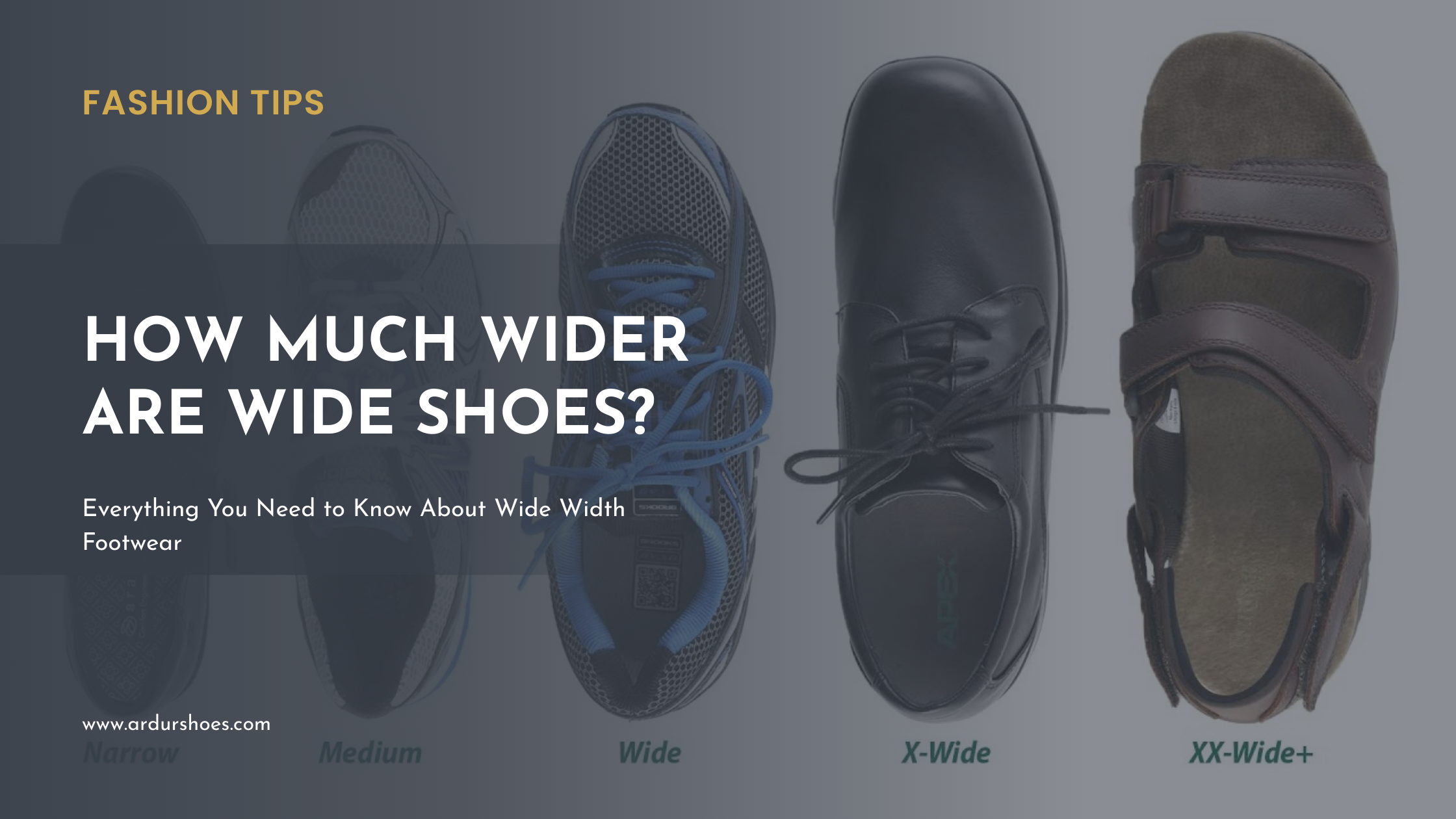
Medium is the standard width. For men in the US, medium is usually D. For women, medium is usually B. Wide is one step roomier. For men, that is often E or 2E. For women, that is often D or 2E.
The change is not only side-to-side. Wide shoes add space in the toe box and often in the instep. This helps if your forefoot spreads, your toes splay, or your foot has more volume. Brands use the Brannock system to grade widths. Each step in width adds measurable room at the ball of the foot.
So, whats the difference between wide and medium shoes in real life? Expect a few extra millimeters at the forefoot and more total volume. That small change can stop numb toes, bunion pressure, and heel slip. The exact increase varies by size and brand.
How brands label widths and what to expect
Most US brands use letters. Common ranges are A, B, C, D, E, 2E, 4E. Men’s medium is D. Women’s medium is B. One step wider than medium is E for men and D for women. Extra wide is often 2E for women and 2E or 4E for men.
Running and hiking brands may shape the toe box more than they change the midfoot. Dress shoes may change both shape and volume. European sizes may not list widths. In that case, fit by trying the last shape. Remember, whats the difference between wide and medium shoes can feel different across brands. A wide in one brand may match a medium in another.
How to measure your foot width and volume at home
You can get close without special tools. These steps help you find your best match.
- Measure later in the day. Feet swell with heat and steps.
- Wear the socks you plan to use with the shoes.
- Stand on paper. Trace both feet. Mark the longest toe and the widest points.
- Measure length from heel to longest toe. Measure width at the ball of the foot.
- Compare your left and right. Fit the larger foot.
- Note any high instep or prominent bunions. That points to higher volume needs.
- If you can, check a Brannock device in store. It reads length, width, and arch length.
Use your notes when you shop online. Check brand size charts and fit notes. This makes whats the difference between wide and medium shoes easy to spot on a product page.

Fit differences you can feel: real-world examples
Here is what I see in fittings week after week. A customer puts on a medium width. The upper pulls across the toe joints. The pinky toe rubs. After ten minutes, the forefoot tingles. We swap to the same size in wide. The upper lays flat. Toes relax. The heel stays put because the lacing locks it down.
Signs your shoes are too narrow:
- Red marks around the ball of the foot after wear.
- Numb or tingling toes within 30 minutes.
- The upper wrinkles in diagonal lines over the forefoot.
Signs your shoes are too wide:
- Heel slips even when laced snug.
- You have to overtighten laces to stop movement.
- The midfoot feels loose and unstable on turns.
If you ever wondered whats the difference between wide and medium shoes during a run or a workday, these signs make it clear. Your foot should feel held at the heel and midfoot, but free at the toes.
Common problems and fixes
You can fine-tune fit without changing sizes every time.
- Try runner’s loop lacing. It locks the heel and tames slip in wide shoes.
- Use a thin insole or a forefoot pad. It fills extra volume in a wide pair.
- If a medium is close, ask a cobbler to stretch the forefoot a few millimeters.
- Pick knit or mesh uppers for gentle give over bunions.
- Swap socks. Thicker socks can fill space. Thin socks add room.
- Know return windows. Test shoes indoors until you are sure.
These small steps clear up most width issues. They also help when you ask whats the difference between wide and medium shoes for your specific feet and activities.

Smart buying tips for medium vs wide feet
Make a plan before you buy. It saves time and returns.
- Read brand fit notes. Look for words like toe box, volume, and last shape.
- Order two widths when shopping online. Keep the best and send one back.
- Walk for five to ten minutes indoors. Check for hot spots and numbness.
- Try half-size changes only if volume is the issue, not length.
- For dress shoes, choose lasts labeled as generous or round toe if you are between widths.
- For running and hiking, look for splayed toe boxes and rocker soles that reduce forefoot stress.
When you follow these steps, you can answer whats the difference between wide and medium shoes for any brand you try. You will know which width, last, and material works for you.
Frequently Asked Questions of whats the difference between wide and medium shoes
Is wide the same as going up a size?
No. Length and width are different. Going longer adds space at the toes but might not add enough room across the forefoot.
How do I know if I need wide shoes?
Check for tingling, rubbing, or blisters at the ball of the foot. If the upper pulls into diagonal lines over your toes, you likely need wide.
Do wide shoes change arch support?
Width does not change arch height by itself. Support comes from the midsole and insole design, not the width label.
Will wide shoes cause heel slip?
They can if the heel is also wider. Use a runner’s loop and proper socks. If slip remains, try a different last or a medium with more toe box depth.
Are all brands consistent with width letters?
No. A D in one brand can fit like an E in another. Always try them on or read detailed fit notes.
Can I stretch medium shoes to fit like wide?
A skilled cobbler can add a few millimeters in the forefoot. This works best with leather and some knit uppers, not all synthetics.
What socks work best with wide shoes?
Start with socks that match your activity and climate. If the shoe feels loose, a slightly thicker sock can improve hold without cramping toes.
Conclusion
The right width protects your feet and your day. Medium fits many people. Wide helps when your toes need more room and your forefoot needs more volume. Now you can explain whats the difference between wide and medium shoes, measure at home, and test fit like a pro.
Try these tips on your next pair. Keep notes on what works. Ready to dial in your fit? Subscribe for more foot-shaped advice and ask your questions in the comments.


