

What Kind Of Shoes Do You Wear To Yoga? [Best Footwear Tips]
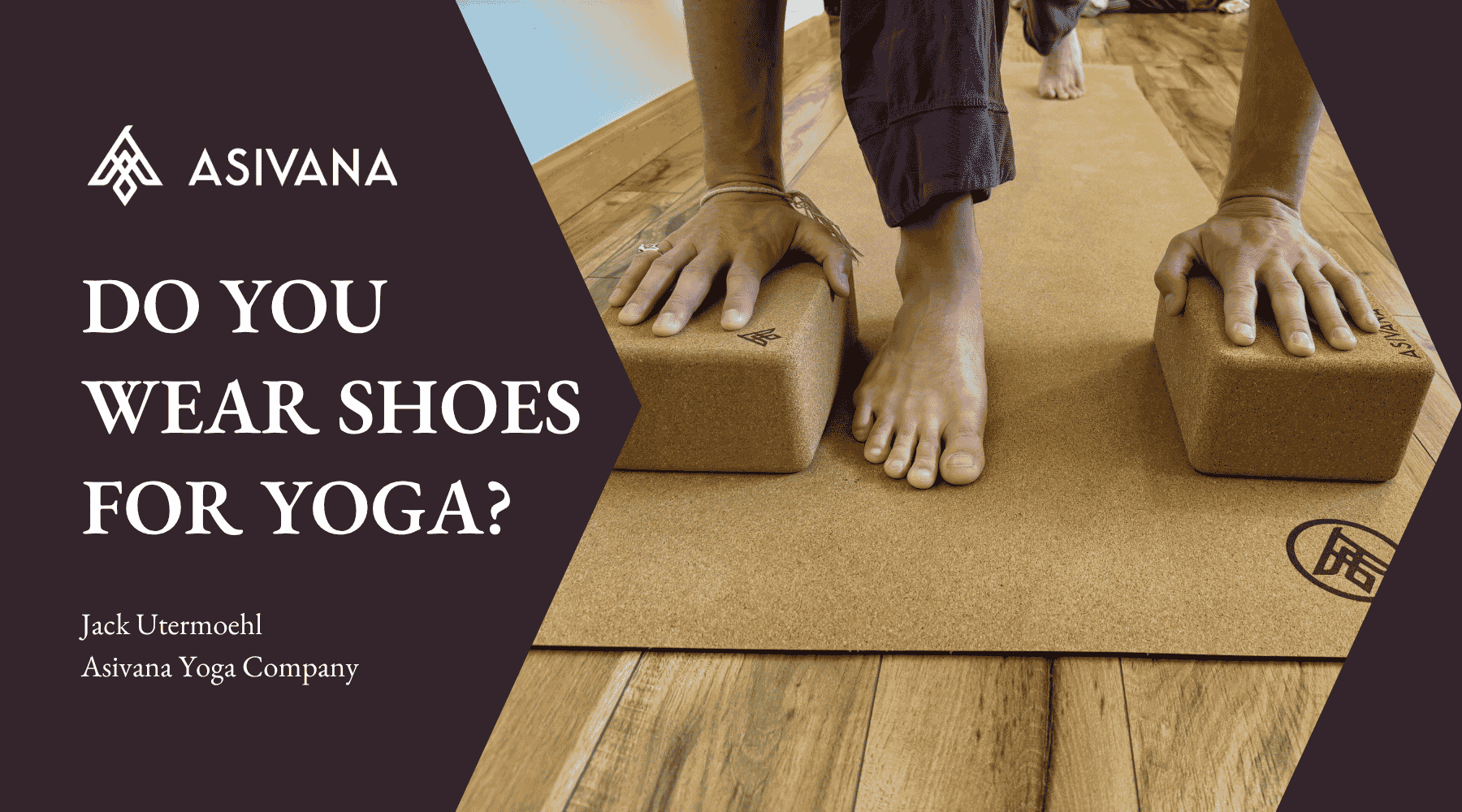
Most yoga classes are barefoot; only wear shoes for medical needs or outdoor practice.
Curious what kind of shoes do you wear to yoga? I have taught mixed-level classes for years and have coached students through injuries, hot studio floors, and outdoor flows. This guide explains when to go barefoot, when shoes help, and how to choose the right gear. You will learn what kind of shoes do you wear to yoga in real life, with practical tips you can use today.

Why Most Yogis Practice Barefoot
Bare feet are the norm in yoga. If you ask what kind of shoes do you wear to yoga, the usual answer is none. Bare feet help you root into the mat. You feel the floor. Your balance gets better because your toes can spread and grip.
Studios favor bare feet for safety and hygiene. Wet rubber soles can skid. Dirt from street shoes can spread on shared mats. Tradition also plays a role. Yoga grew from a practice that prizes simple, mindful movement.
There is a strong body of knowledge behind this. Coaches and physios note that barefoot work boosts foot strength and proprioception. Thick soles mute this feedback. Less feedback often means less stable poses.
Key benefits of barefoot practice:
- Better grip on the mat
- Stronger arches and ankle control
- Clear feedback from the floor
- Easier alignment in standing poses
When Shoes Make Sense in Yoga
Still wondering what kind of shoes do you wear to yoga if you have special needs? Sometimes shoes or shoe-like options help. They can protect, add comfort, or support healing.
Useful cases include:
- Medical needs. Diabetes, neuropathy, plantar fasciitis, bone spurs, or post-op care.
- Injury recovery. A bruised toe or tender heel may need cushion.
- Outdoor yoga. Sand, grass, turf, or hot decks can burn or cut.
- Cold floors. Winter studios can feel icy at the start of class.
- Prenatal and seniors. Extra traction can add confidence while balancing.
A quick note on risk. Thick, springy soles can slip on mats and block foot feel. If you use shoes, choose thin, flexible, and grippy pairs. Speak with your teacher before class so they can adapt cues and sequencing.

The Best Options If You Must Wear Shoes
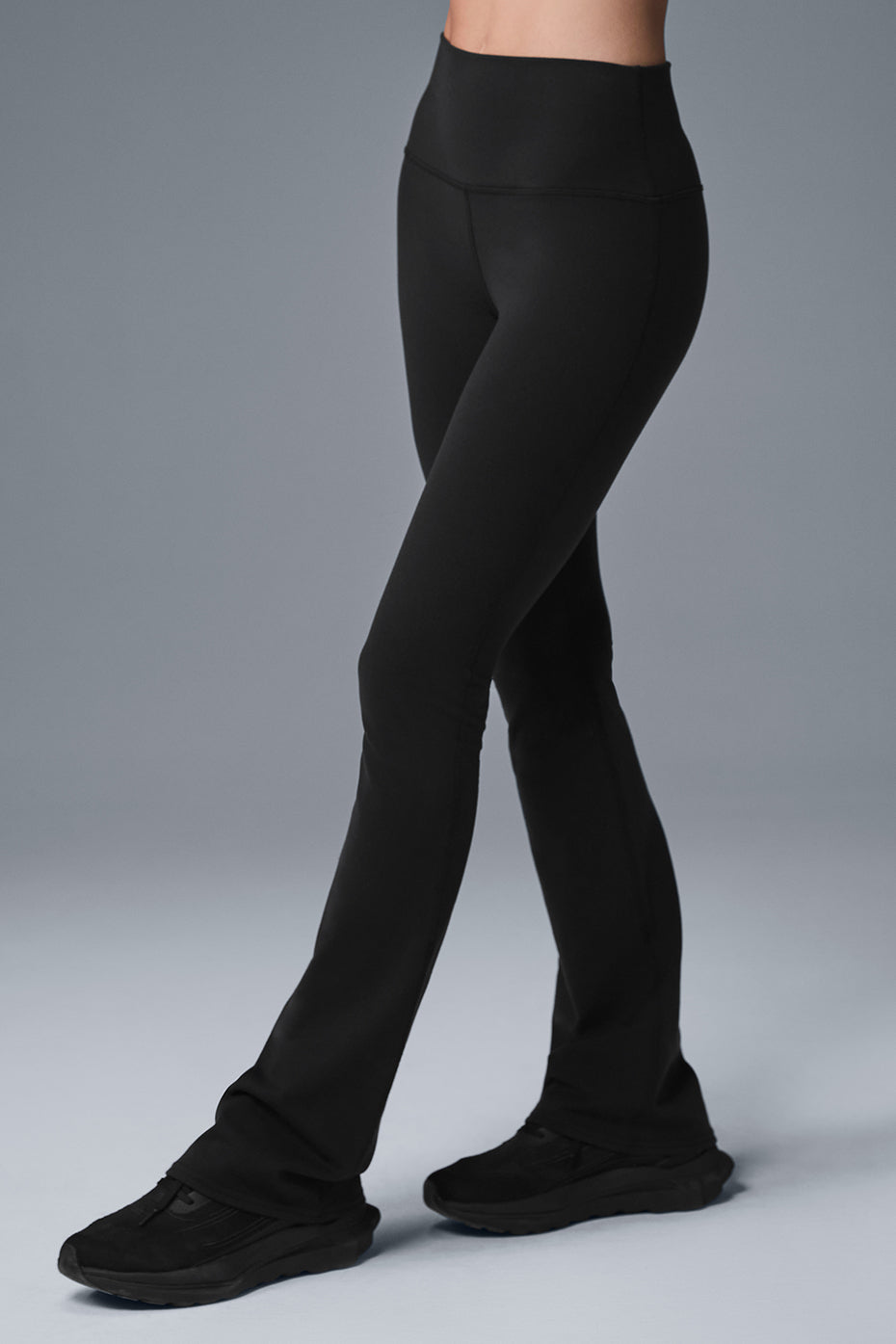
If you must decide what kind of shoes do you wear to yoga, think minimal. Pick gear that protects without dulling feel.
Good choices:
- Barefoot or minimalist shoes. Thin sole, wide toe box, very flexible. They let toes spread.
- Grip socks with toes. Not shoes, but great in studios that allow them.
- Dance paws or half-sole footwear. Light forefoot covers for spins and gentle flows.
- Water shoes. Cheap, thin, and grippy for beaches or decks.
- Pilates shoes. Low-profile and often studio-friendly.
Core features to seek:
- Thin, flexible sole that bends with your foot
- Wide toe box for splay and balance
- Non-marking rubber with light texture
- Breathable upper that dries fast
- Secure closure so the shoe will not twist
- Easy to wash and quick to dry
Avoid:
- Thick cushion that rocks you off balance
- Lug soles that catch on mats
- Sticky black rubber that scuffs floors

How To Choose The Right Fit
You still ask what kind of shoes do you wear to yoga when you want both comfort and control. The right fit is simple. The shoe should vanish on your foot. It should not fight you.
Fit checks:
- Stand in the shoes and spread your toes. No pinch at the sides.
- Bend into a lunge. The upper should not bite your ankle.
- Try Tree Pose. If the heel rolls, the shoe is too tall or soft.
- Slide the sole on your mat. It should grip without grabbing.
- Do Down Dog. Your toes should press and feel the floor through the sole.
If you use orthotics, test them in standing poses. Some inserts add height and reduce feel. Use only what you need for pain-free practice.
Smart Alternatives To Shoes In The Studio
If your studio is strict, you can still gain traction without shoes. These swaps keep you safe and welcome.
Helpful options:
- Toe grip socks. Great for balance and warmth.
- A high-grip mat. Choose a mat with a natural rubber surface.
- A small towel. Place it under sweaty hands or feet to curb slips.
- Foot care. Clip nails, file calluses, and moisturize at night.
When students ask what kind of shoes do you wear to yoga in a strict studio, I often suggest toe socks on a grippy mat. It works for most classes, from Vinyasa to Yin.

Pose-by-Pose Impact Of Footwear
Your choice affects each family of poses. Here is how to think through it.
- Balance poses. Shoes can dull feel and make Tree and Half Moon wobble. Go thin or go barefoot.
- Lunges and warriors. A thin sole is fine. Thick cushion may tip the knee forward.
- Seated folds. Bare feet win. You need toe flex and ankle glide.
- Inversions and arm balances. Shoes add weight and can reduce wrist feel. Best done barefoot.
- Flows and sun salutations. Light, flexible shoes can work outdoors. Inside, barefoot flows better.
- Yin or Restorative. Warmth matters more than traction. Cozy socks often beat shoes.
If a student asks in class, what kind of shoes do you wear to yoga for balance day, I say none. For outdoor flows on hot decks, I say thin water shoes.
Personal Insights And Pro Tips
I have guided students in city studios and beach classes. Footwear can help, but it can also hinder. Here is what I learned.
- Start barefoot when safe. Build foot strength first.
- If injured, use the lightest shoe that lets you move without pain.
- Test at home. Do a short sun salute on your mat and feel the grip.
- Bring a backup. Keep grip socks in your bag.
- Clean gear often. Wash socks and wipe soles after each class.
Mistakes to avoid:
- Thick running shoes on sticky mats. They slip and roll the ankle.
- Narrow toe boxes. They pinch and reduce balance.
- Ignoring studio rules. Always ask before class.
Students often message me asking what kind of shoes do you wear to yoga if you sweat a lot. My answer is toe grip socks or a high-grip mat, not a heavy shoe.

Safety, Hygiene, And Studio Etiquette
Studios care about shared space. Shoes track dirt and oils that harm mats. Follow house rules and stay kind to others.
Do this:
- Ask about policies before class
- Keep street shoes outside the practice area
- If you need shoes, bring a clean pair used only indoors
- Wipe soles before stepping on your mat
- Tell your teacher about injuries or needs
This clear talk helps your teacher adjust cues. It also shows care for the group. If you still wonder what kind of shoes do you wear to yoga in a new studio, read the welcome email or call ahead.
Buying Guide And Features Checklist
Ready to pick a pair or a backup plan? Use this quick list.
Look for:
- Thin, flexible sole
- Wide toe box
- Secure strap or laces
- Grippy, non-marking rubber
- Breathable, quick-dry upper
- Easy cleaning
Budget tips:
- Start with grip socks if you are unsure
- Try water shoes for outdoor classes
- Invest in a quality mat before buying shoes
- Choose durable models that you can wash and repair
- Air dry gear to extend life
- Rotate two pairs to reduce wear
If friends ask you what kind of shoes do you wear to yoga on a budget, suggest grip socks plus a solid mat first. That combo solves most needs.
Frequently Asked Questions of what kind of shoes do you wear to yoga
What kind of shoes do you wear to yoga in most studios?
None. Most studios ask you to practice barefoot for safety, traction, and hygiene.
Can I wear running shoes on a yoga mat?
You can, but it is not ideal. Thick foam can rock your ankle and slip on rubber mats.
Are grip socks as good as shoes?
Often better indoors. They add traction and warmth while keeping floor feel and toe spread.
What kind of shoes do you wear to yoga if you have plantar fasciitis?
Use thin, flexible shoes or supportive grip socks only if pain demands it. Add a soft heel pad and avoid high cushion that reduces control.
What should I wear for outdoor beach yoga?
Barefoot on firm sand works well. On hot sand or sharp shells, pick thin water shoes or grip socks.
Do minimalist shoes help with balance poses?
They can, if you need protection. A thin sole and wide toe box keep more floor feel than standard shoes.
Conclusion
Most of the time, your best shoe for yoga is no shoe at all. Bare feet build strength, control, and trust in your base. When you need protection, choose thin, flexible, and grippy options that keep floor feel.
Take one step today. Test a few poses barefoot on a quality mat at home. If you still need support, try toe grip socks or a minimalist pair that matches your studio rules. Share your experience or questions in the comments, and subscribe for more practical movement guides.


