

What Is The Difference Between Court and Outdoor Basketball Shoes?
Indoor court shoes use softer, grippier rubber; outdoor shoes use harder, tougher soles.
If you play on both hardwood and asphalt, you have likely felt the gap. In this guide, I explain what is the difference between court and outdoor basketball shoes in clear terms. I test gear on maple courts and blacktop each season. You will see how design choices change grip, comfort, and life span, so you can buy smart and play safer.
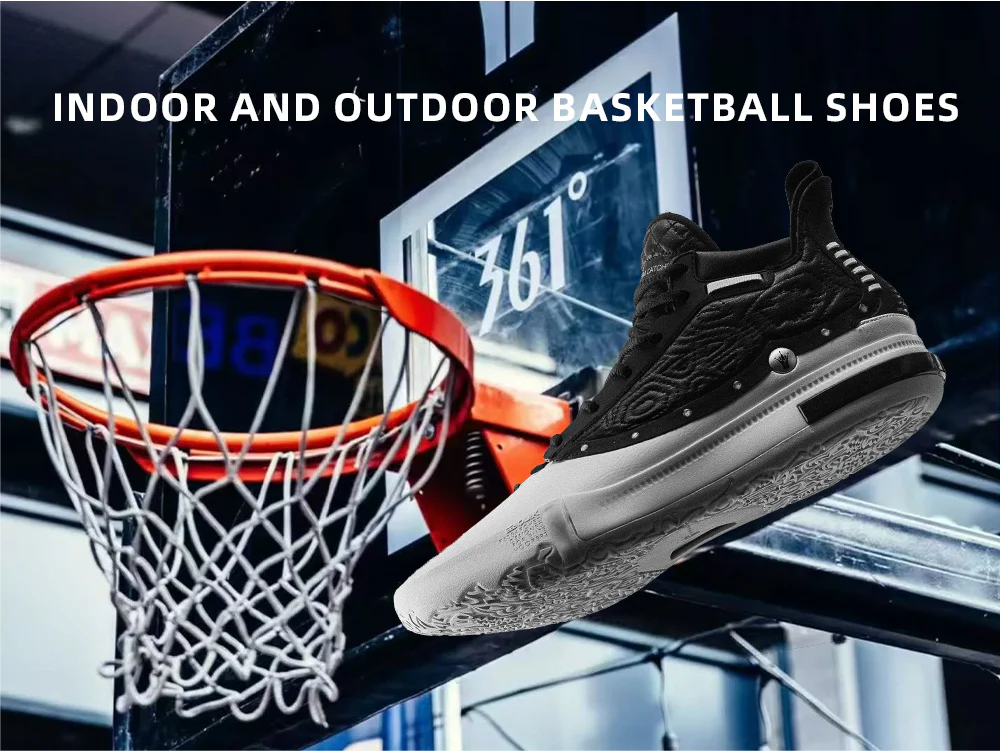
The playing surface drives the design
Hardwood courts are smooth maple with a sealed finish. They are clean, flat, and consistent. Outdoor courts are rough asphalt or concrete with dust and small debris. This single shift in surface explains what is the difference between court and outdoor basketball shoes.
Indoor pairs use softer rubber that bites into the floor. That soft blend grips well but wears down faster outside. Outdoor pairs use harder rubber to resist abrasion from rough ground. You give up a bit of stickiness for life span and stability.
Rubber compounds and outsole patterns
Outsole rubber has a hardness rating, often measured on the Shore A scale. Softer indoor rubber sticks well to clean hardwood and stops fast. Hard outdoor rubber chips less and lasts longer on rough ground.
Tread also shifts. Classic herringbone grips and sheds dust indoors. Deeper, wider grooves help outdoors by channeling pebbles and sand away. Some brands label outdoor-ready soles with extra durable compounds. This is another way to show what is the difference between court and outdoor basketball shoes.
Practical notes:
- Look for thicker lugs and deeper grooves for parks.
- Choose tighter, finer patterns for clean gyms.
- If you cross over often, pick a hybrid pattern with mid-depth grooves.
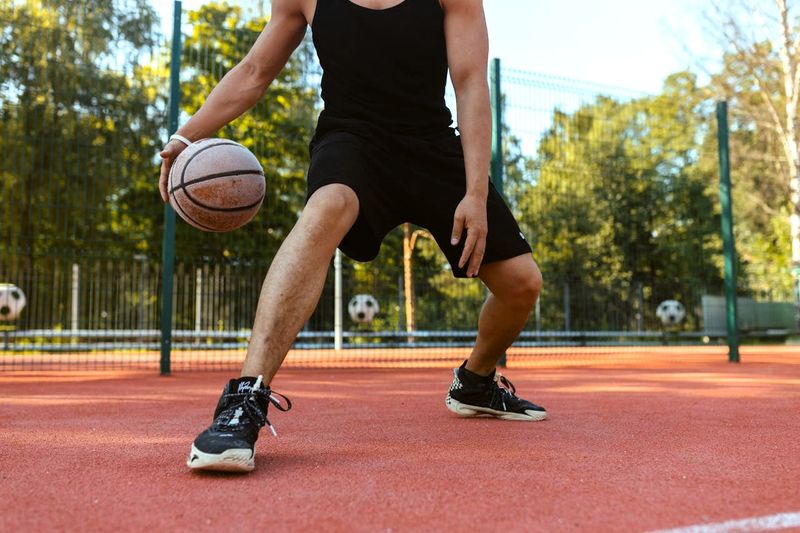
Cushioning, support, and stability needs
Concrete is harsh. Each landing sends more force up your chain. Outdoor shoes add thicker foam, more impact protection, and often a firmer base. You feel a little taller, but your joints stay happier over long runs.
Indoor shoes focus on court feel and speed. The stack height can be lower. The ride feels quick, and you can read the floor better. This split in setup is central to what is the difference between court and outdoor basketball shoes.
What to expect:
- Outdoor: more cushioning, wider base, and stronger sidewalls.
- Indoor: faster response, closer-to-floor feel, and sharp cuts.
- Both: a stable midfoot shank helps prevent torsion on hard plants.
Upper materials, protection, and fit
Mesh and knit uppers are light and breathable for the gym. They work well when floors are clean and dry. On blacktop, toe drags and scrapes are common. Outdoor shoes often add toe caps, rubber wraps, and thicker overlays.
If you slide on defense or play on rough courts, you will see wear at the toe and along the lateral side. Reinforced zones slow that down. This is yet another angle of what is the difference between court and outdoor basketball shoes.
Fit tips:
- Try shoes in the socks you hoop in.
- Check toe room and heel lock with quick stops.
- If you plan outdoor use, prefer tougher materials around the toe.

Weight, flex, and court feel
Most indoor shoes lean light and flexible. You get crisp first steps and fast transitions. Outdoor models may feel a bit heavier and stiffer at first. The structure helps on uneven spots and rough landings.
Do not fear a few extra ounces outside. They often buy you stability and protection. You can still move well, even if the ride is not as feathery as a pure indoor guard shoe. This balance also explains what is the difference between court and outdoor basketball shoes.
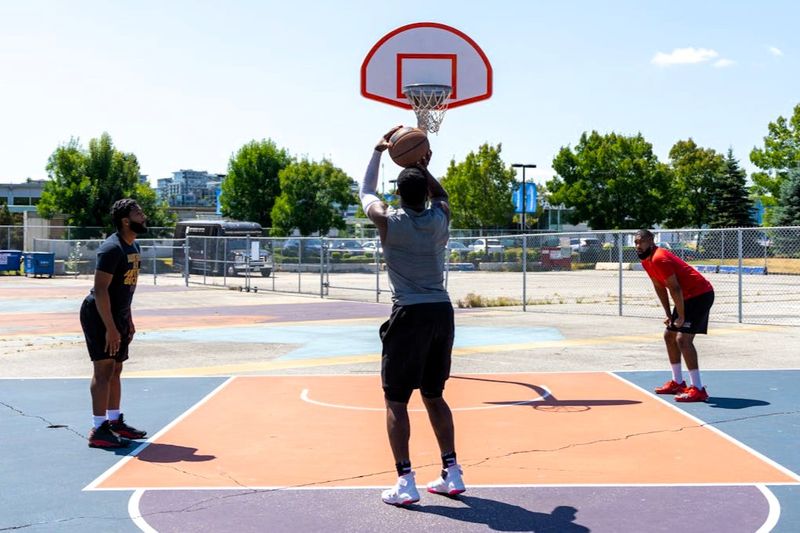
Durability, cost, and value over time
Softer indoor rubber can burn down on asphalt in weeks if you play often. Harder outdoor rubber can last months on the same route. That changes your cost per game a lot.
Think of value, not tag price. A durable outdoor shoe that lasts all summer may cost less per run than a cheaper indoor pair used outside. This is a money-side view of what is the difference between court and outdoor basketball shoes.
What to check:
- Outsole thickness at the forefoot.
- Edge wear after 5 to 10 runs.
- Midsole compression lines that hint at foam fatigue.

How to choose for your game and court access
Start with your main court. If you live on blacktop, buy outdoor-first. If you hoop in a gym, get indoor-first. If you split time, a balanced pair with medium-hard rubber works well.
Use this simple plan:
- Mostly indoor: pick softer rubber, fine herringbone, low stack, quick feel.
- Mostly outdoor: pick hard rubber, deep lugs, reinforced toe, thicker cushion.
- Split use: pick multi-court rubber, mid-depth tread, stable base.
- Bigs: value impact protection and a wide platform.
- Guards: value traction, court feel, and secure heel lock.
If you still wonder what is the difference between court and outdoor basketball shoes for your style, map your top moves. Heavy cutters need bite. High leapers need cushion.

Care, maintenance, and longevity tips
Keep soles clean. Wipe with a damp cloth to remove dust and grit. Use a soft brush on tread to lift pebbles. Do not wear indoor shoes outside the gym.
Rotate pairs if you play often. Let foam rebound for a day between games. Store shoes cool and dry. These habits stretch life and highlight what is the difference between court and outdoor basketball shoes when you treat them right.

Field notes from hands-on testing
I log sessions on maple gyms and city parks. Soft indoor rubber felt amazing on clean courts but lost bite fast on dusty blacktop. Hard outdoor rubber held up for months and kept steady grip under loose sand.
My biggest mistake was using a favorite indoor pair for summer runs outside. The forefoot went bald in two weeks. Now I keep one indoor pair and one outdoor pair. That small switch shows what is the difference between court and outdoor basketball shoes in real life.
Frequently Asked Questions of what is the difference between court and outdoor basketball shoes
Can I use indoor court shoes outside?
You can, but they will wear out fast. Softer rubber is not built for rough asphalt and will lose traction and shape.
Are outdoor basketball shoes heavier?
Often, yes. Extra rubber, thicker foam, and reinforcements add weight, but they improve durability and support.
How do I know if a shoe is outdoor-ready?
Check for hard rubber, deeper tread, and toe protection. Product pages sometimes note outdoor compounds or extra durable rubber.
Will outdoor shoes grip well indoors?
They grip fine on clean floors but may not feel as sticky as soft indoor rubber. Expect a firmer ride and a bit less court feel.
How long do outdoor basketball shoes last?
With weekly play, many last a full season or more. Lifespan depends on your court surface, body weight, and play style.
Do I need different shoes if I play half indoor and half outdoor?
A hybrid shoe works best. Choose mid-depth tread, medium-hard rubber, and a stable base for both surfaces.
Conclusion
Matching your shoes to your surface boosts grip, comfort, and value. Indoor shoes favor soft, sticky rubber and fast court feel. Outdoor shoes favor hard rubber, strong tread, and lasting support. Now you know what is the difference between court and outdoor basketball shoes and how that choice shapes every cut, stop, and landing.
Choose one pair for your main court, or build a simple two-shoe rotation. Test them on your next run and note grip, comfort, and wear after ten games. Want more gear breakdowns and buyer tips? Subscribe, share this guide with a teammate, or drop your questions in the comments.


