

What Is A Welt On A Shoe? 2026 Guide To Styles & Durability
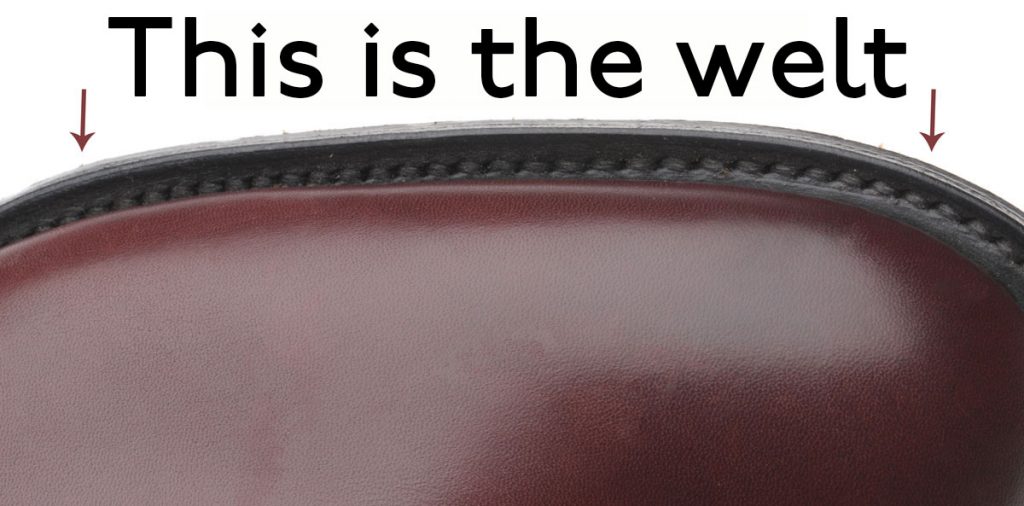
A welt is a leather strip that joins the upper to the sole.
If you have ever wondered what is a welt on a shoe and why it matters, you are in the right place. I have fitted, worn, cleaned, and resoled many welted shoes over the years. In this guide, I will explain the craft behind the welt, how it changes comfort and cost, and how to choose the right construction for your lifestyle.

Welt 101: The simple part that changes everything
A welt is a narrow strip, often leather, that runs around the edge of a shoe. It links the upper and insole to the midsole and outsole. This extra layer lets a cobbler remove and replace soles without cutting into the upper.
When people ask what is a welt on a shoe, they often think it is the line of stitching they see. That visible stitch can be part of the welt, but not always. Some shoes only look welted. True welting is a method of how the layers are joined, not just the look.
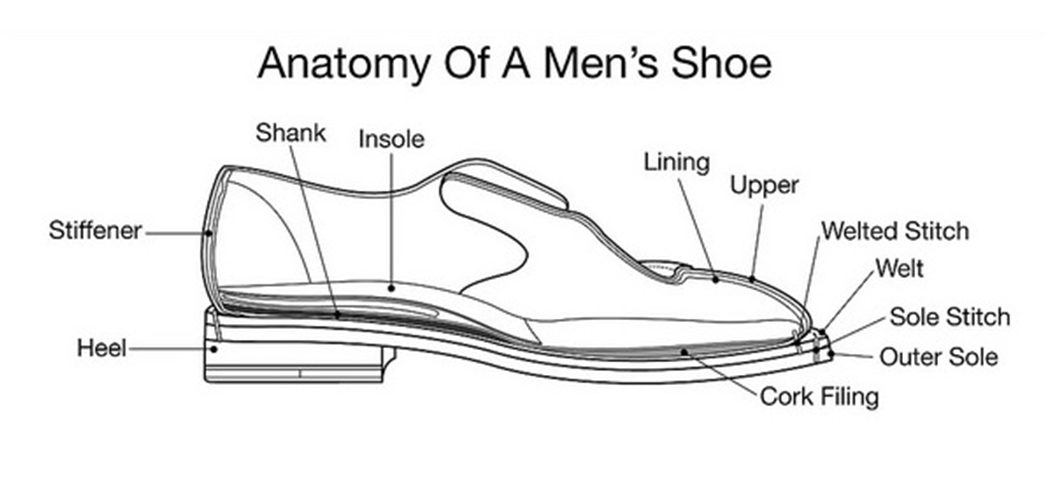
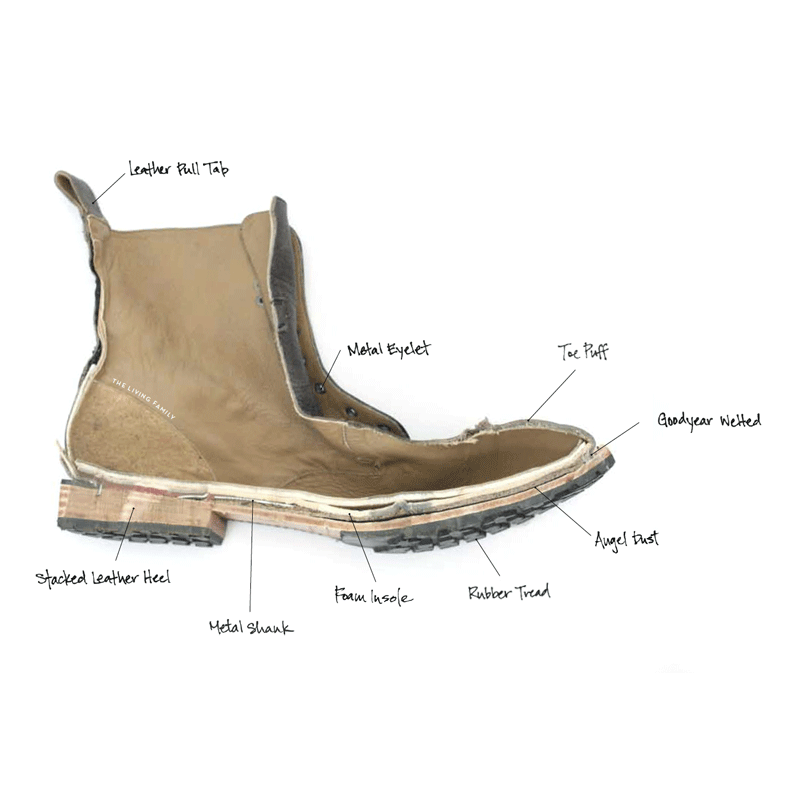
Key parts that sit near a welt include:
- Upper. The leather or fabric that wraps your foot.
- Insole. The base layer inside the shoe that you stand on.
- Midsole. A supportive layer between insole and outsole.
- Outsole. The part that touches the ground.
- Shank. A support piece under the arch that adds stability.
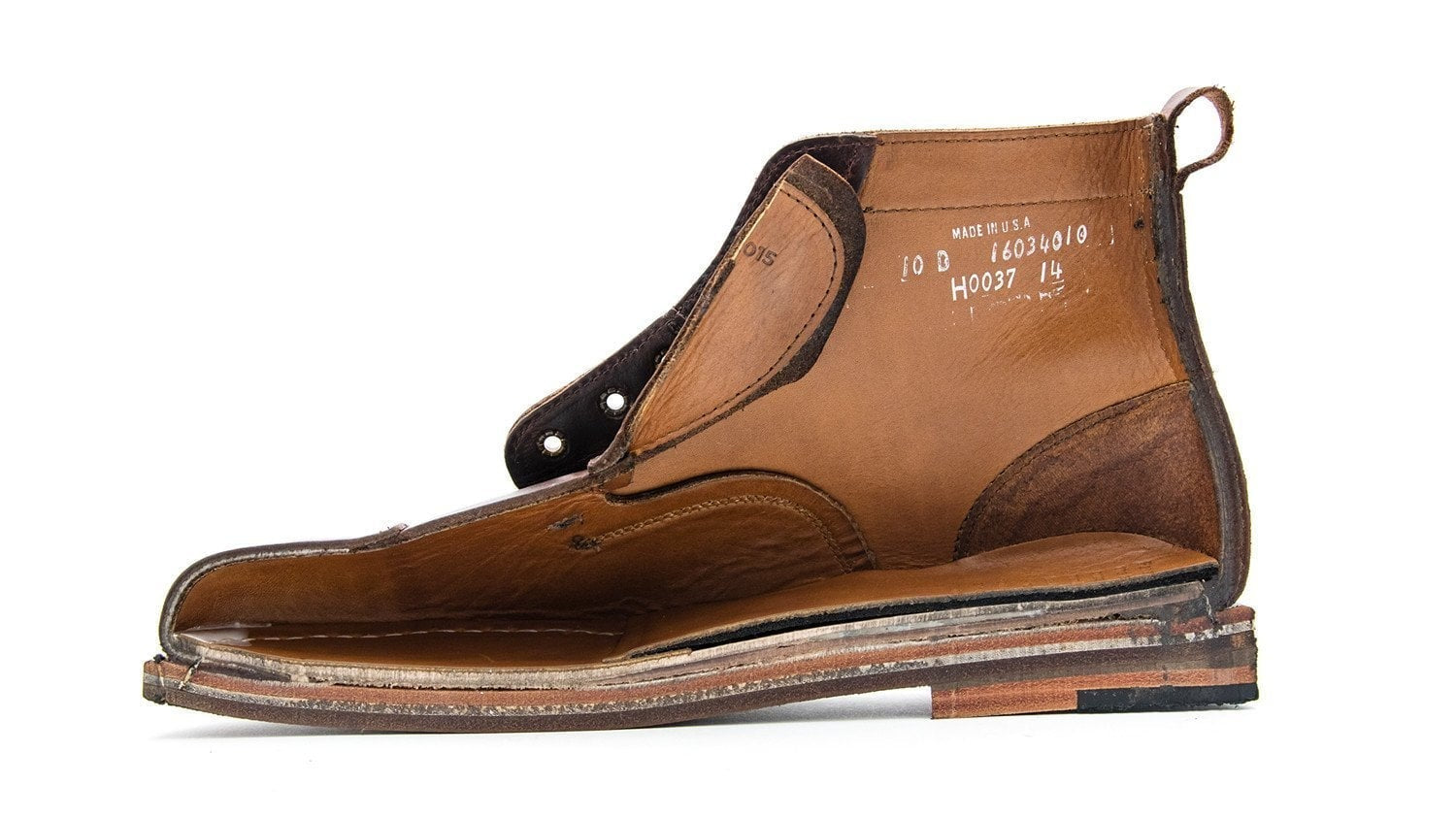
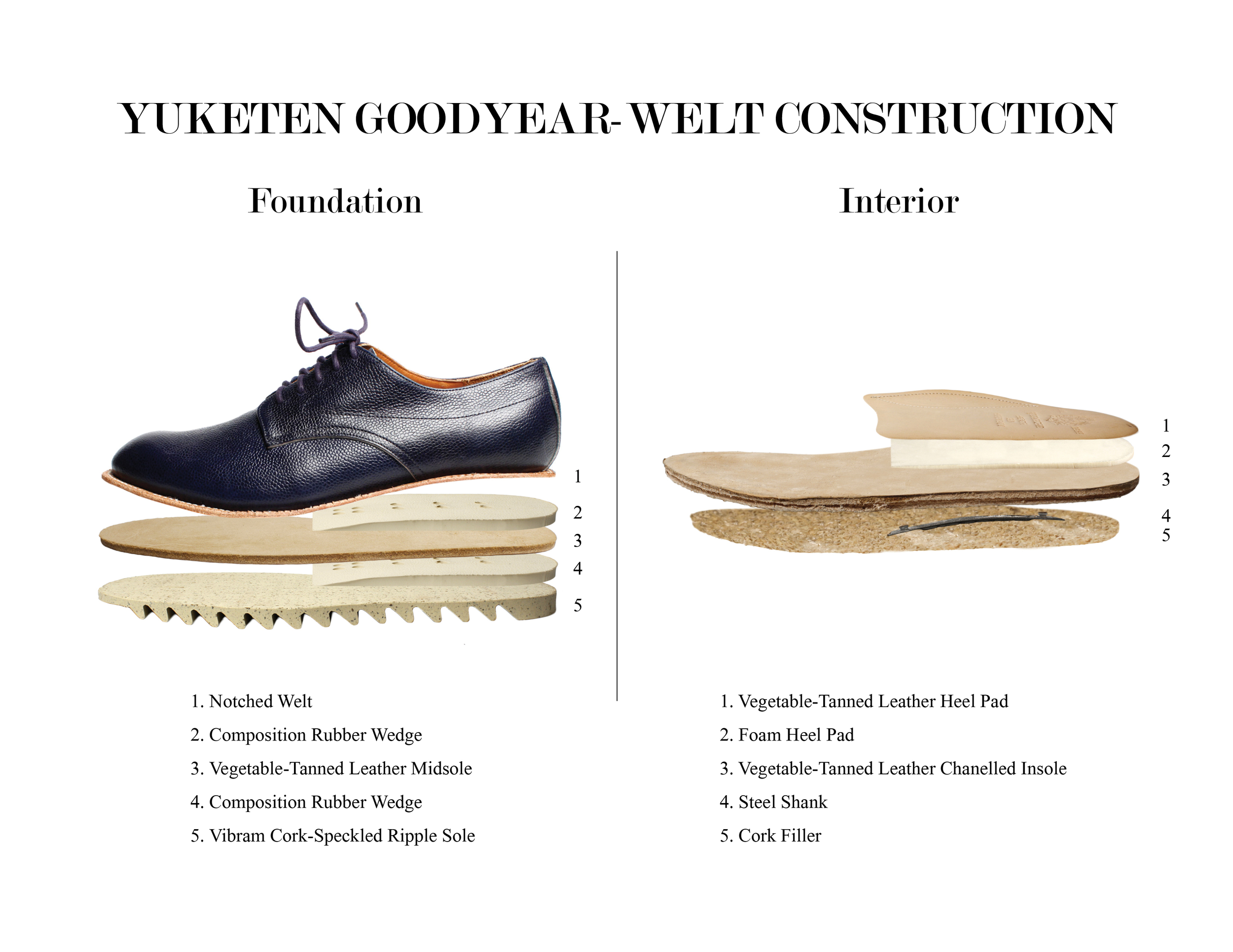
In a welted shoe, a filler like cork sits between the insole and outsole. It molds to your foot over time. That is why welted shoes often get more comfortable with wear. Many industry guides cite this as a reason these shoes last and feel better with age.
The main welt constructions and how they differ
When we discuss what is a welt on a shoe, we also talk about how it is made. There are a few common methods. Each has a feel and a set of trade-offs. Here are the big ones.
Goodyear welt
The Goodyear welt stitches the upper and insole to the welt, and then the outsole is stitched to the welt. There is a strip called gemming on the insole that holds the first stitch. A cork fill sits under the insole.
Pros you can feel:
- Very durable and stable.
- Easy to resole many times.
- Good water resistance at the edges.
Trade-offs to note:
- Stiffer at first.
- Heavier and often more costly.
Hand-welted
This is the older, craft-heavy method. The maker cuts a holdfast in the insole by hand instead of using gemming. Then they stitch the upper to the welt by hand.
Pros:
- Very strong and repairable.
- Often very long lasting.
Trade-offs:
- Expensive and slow to make.
- Needs a skilled maker.
Blake stitch
Blake stitch construction joins the upper, insole, and outsole with one stitch that runs inside the shoe. There is no separate welt strip.
Pros:
- Sleek, flexible, and light.
- Often lower cost.
Trade-offs:
- Less water resistance.
- Resoling can be harder, though still possible with the right tools.
Blake Rapid
This adds a second stitch. The first stitch holds the upper to a midsole. The second stitch holds the midsole to the outsole. It gives some of the strength of a welt with a slimmer look.
Storm welt and Norwegian welt
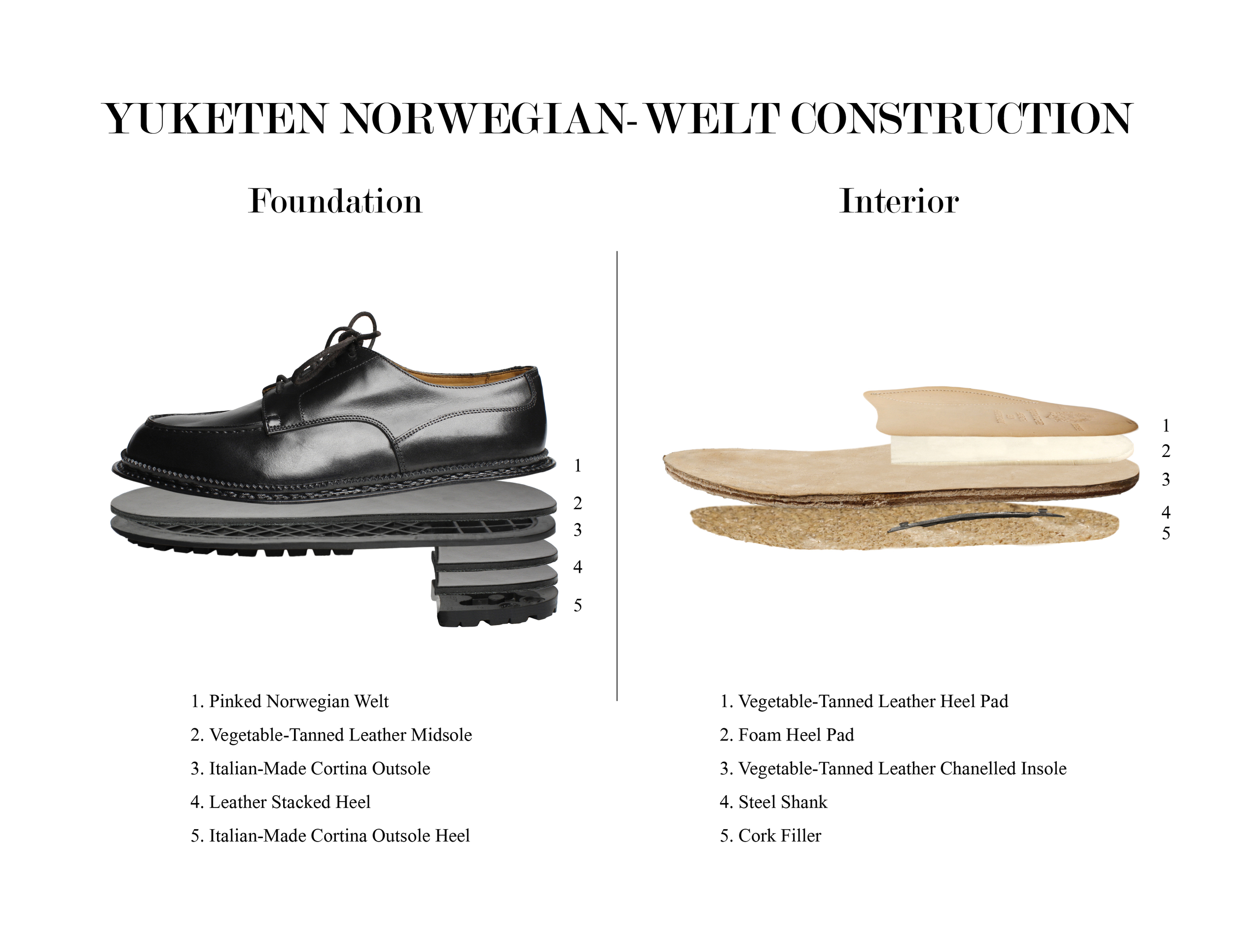
A storm welt has a lip that turns up against the upper. It helps block water. Norwegian or Norvegese styles can show bold stitches across the apron or edge.
Note on water: Storm and Norwegian welts help in wet weather. They are not a full seal. Leather and stitch holes can still take in water if not cared for.
What welting changes: comfort, durability, repair, and water resistance
The question what is a welt on a shoe is not only about parts. It is also about how the shoe feels and ages. Here is what to expect.
Comfort over time:
- Cork fill compresses and shapes to your foot.
- Stiff at first, many welted shoes break in within a week or two.
Durability:
- Edge stitching and welt add structure.
- The upper is less likely to fail before the sole.
Repairs and value:
- Many welted shoes can be resoled many times.
- You protect the upper and keep the same fit for years.
Water resistance:
- Goodyear and storm welts slow water at the edge.
- Blake is more open to water. Waxed threads and care help.
Weight and flex:
- Goodyear and hand-welted feel more robust.
- Blake and Blake Rapid feel lighter and bend more at the ball of the foot.
From my bench time with a local cobbler, I have seen Goodyear welted boots take three or more resoles. The cost per wear fell well below most cemented pairs. That long life is the hidden win of a welt.
How to identify a welted shoe in the store or at home
Many shoppers ask what is a welt on a shoe and how to spot it. Here is a quick way to tell.
Look for these signs:
- A stitch line around the edge of the outsole.
- A thin strip between upper and sole that looks like a band.
- A slightly raised edge or lip near the sole.
Do a bend test:
- Hold the heel and toe and bend the shoe.
- A Blake shoe bends more. A Goodyear welt bends less at first.
Check the insole:
- If you can remove the insole, you may see the inner stitch in a Blake shoe.
- In Goodyear welt, you will not see the stitch inside the footbed.
Beware of fake welts:
- Some cemented shoes have a fake stitch or glued strip.
- Ask the brand what method they use. Brands that welt will state it.
My own habit is to run a finger along the edge and feel for a seam between the upper and the sole. A real welt feels like a defined strip with a stitch track. A fake welt often feels flat or only shows a printed stitch.
Buying guide: which welt for your needs and budget
People who search what is a welt on a shoe often plan a buy. Your choice should match your life, not just a logo or trend.
Pick by lifestyle:
- City commute, dress wear, light rain. Goodyear or storm welt for edge water defense.
- Warm climate, lots of walking. Blake or Blake Rapid for light weight and flex.
- Outdoor or heavy use. Goodyear or hand-welted boots for support and easy resoles.
Pick by budget:
- Entry priced welted shoes exist, but not cheap.
- Pay more up front to save on long term cost per wear.
Pick by fit and feel:
- Try both Blake and Goodyear if new to welted shoes.
- Expect a short break-in. Thicker socks can help in week one.
What I learned the hard way: I once bought a sleek Blake-stitched loafer for a wet city. It looked great, but the edges soaked fast. After I switched to a storm welt pair, the problem faded. Choose the build for your weather first, then the look.

Care and maintenance for welted shoes
If you care for them, welted shoes can last a decade or more. Your routine can be short and simple.
Daily habits:
- Use cedar shoe trees after wear.
- Let shoes rest a full day to dry out.
Weekly or monthly:
- Brush off dirt with a horsehair brush.
- Wipe with a damp cloth, then dry.
- Condition leather when it looks dry.
- Add a light cream or wax for color and sheen.
Edge and stitch care:
- Use edge dressing on the welt edge to seal scuffs.
- If the stitch looks fuzzy, trim loose fibers and add a light wax.
Resoling timing:
- Resole when the outsole is thin at the toe or heel.
- Do not wait until you see the midsole. Early resoles save money.
Mistakes to avoid:
- Do not soak leather. Dry away from heat.
- Do not oil thickly. Too much oil can weaken fibers.
My best repair win was catching a thin heel early on a Goodyear welted oxford. A simple heel block repair cost little and spared a full resole.
Cost, sustainability, and long-term value
A fair answer to what is a welt on a shoe must cover money and impact. Welting can look pricey at first. Over time, it can pay you back.
Cost per wear:
- A welted shoe can be resoled many times.
- Your fit does not change, so you keep wearing them longer.
Sustainability:
- Resoling reduces waste compared to tossing a cemented shoe.
- Quality leather lasts longer when cared for, which saves materials.
When to replace:
- If the upper cracks deeply, a resole may not help.
- Split lining or broken counters can be repaired, but weigh the cost.
Industry data and long-time cobbler practice agree that durable builds lower lifetime waste. That is a big part of why many classic brands still welt their best shoes.
Myths and mistakes about welts
Clearing myths helps you decide with confidence. It also sharpens your sense of what is a welt on a shoe in real use.
Common myths:
- More stitches per inch is always better. Not always. Too many holes can weaken leather.
- Storm welt is waterproof. It is water resistant at the edge, not a full seal.
- Goodyear welt is always stiff. It breaks in. The right last and cork soften with wear.
- Blake shoes cannot be resoled. Many can be, but you need the right shop.
Mistakes I have made:
- Buying by look only. The wrong build for the climate will fail you.
- Skipping trees and rest days. Moisture is the silent killer of leather.
- Waiting too long to resole. Early care is cheaper and safer for the upper.
Frequently Asked Questions
What is a welt on a shoe?
A welt is a strip, often leather, that joins the upper to the sole. It lets a cobbler replace the sole without harming the upper.
Is Goodyear welt better than Blake stitch?
It depends on your needs. Goodyear is more robust and easier to resole, while Blake is lighter and more flexible.
How long do welted shoes last?
With care, many last five to ten years or more. Lifespan depends on rotation, climate, and timely resoles.
Can I wear welted shoes in the rain?
Yes, with limits. Goodyear and storm welts resist edge water, but you still need care, drying time, and occasional wax.
How do I know if my shoe is welted or cemented?
Check for a real stitch around the edge and a visible welt strip. Cemented shoes often have a flat edge or fake stitch.
Are hand-welted shoes worth the price?
For enthusiasts, yes. They offer strong builds, easy repairs, and fine craft, but they cost more and are not needed for all use cases.
Do welted shoes need a long break-in?
Most need a short break-in. Expect a few wears before the cork and leather shape to your foot.
Conclusion
Now you can answer what is a welt on a shoe with clarity and detail. You know how it is built, how it changes comfort and value, and how to pick and care for the right pair. A good welt is not only a strip of leather. It is a system that lets your shoes live, breathe, and be renewed.
Take one step today. Check your current shoes, note the build, and plan your next pair with purpose. If this guide helped, subscribe for more deep dives or leave a comment with your questions and wins.


