

What Is The Difference Between Hiking Shoes and Approach Shoes
Hiking shoes focus on trail comfort; approach shoes add climbing-grade grip and edging.
If you have wondered what is the difference between hiking shoes and approach shoes, you are in the right place. I’ve tested both on long trails, rough scree, and low-angle slabs. In this guide, I’ll break down construction, traction, fit, and use cases, so you can make a smart choice for your next objective. Read on to learn what truly separates these two categories and how to pick the right pair for your terrain and goals.

Understanding Each Shoe Type
To answer what is the difference between hiking shoes and approach shoes, start by knowing each design. Hiking shoes are built for comfort, support, and grip on dirt, rock, and roots. Approach shoes are tuned for climbing approaches, with sticky rubber and edging power for scrambling and easy climbs.
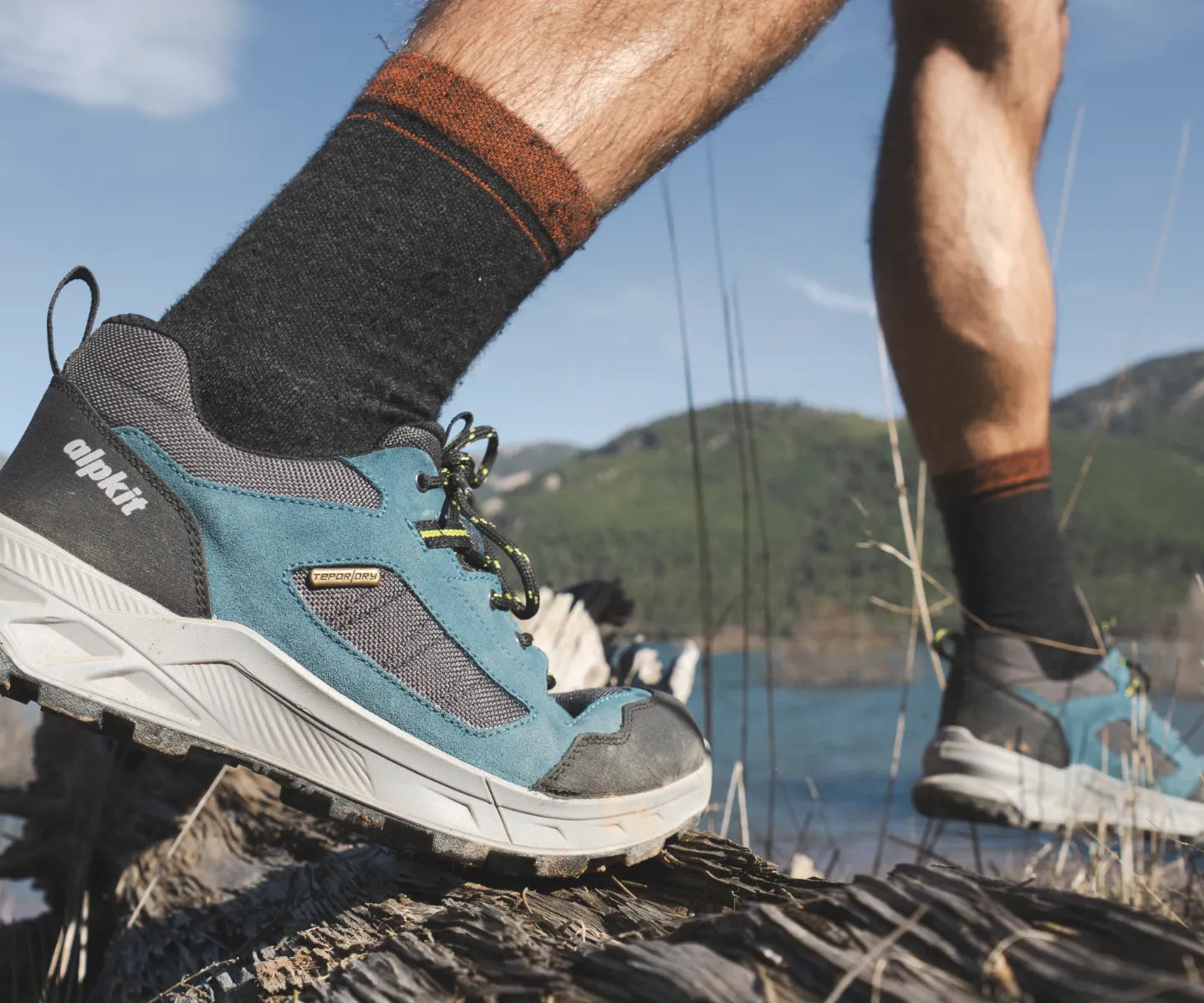
Hiking shoes defined
- Designed for all-day trail use with cushioning and support.
- Moderate to deep lugs for grip in dirt, mud, and loose rock.
- Often waterproof or water-resistant to handle changeable weather.
- Fit is more relaxed for swelling and long distances.
Approach shoes defined
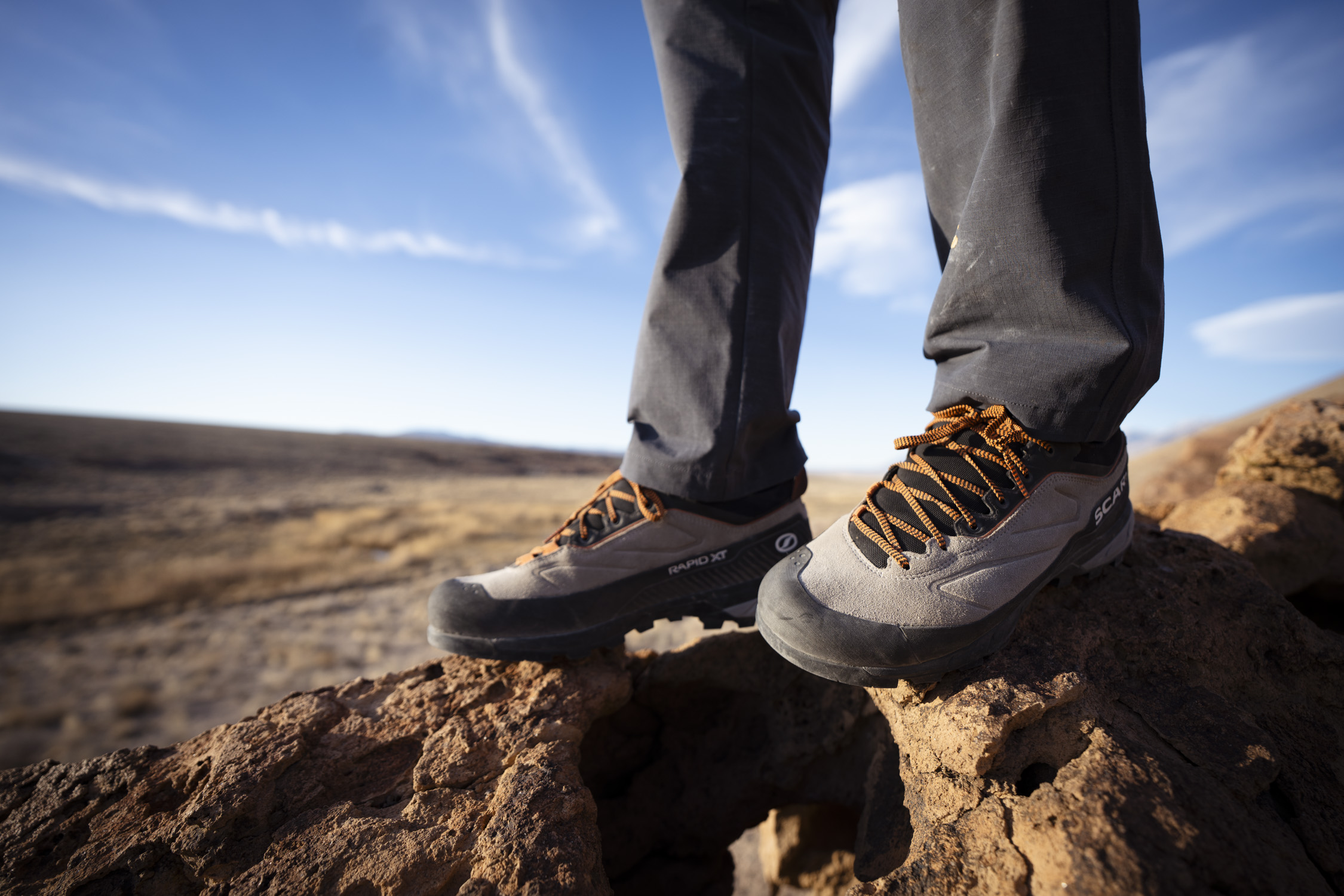
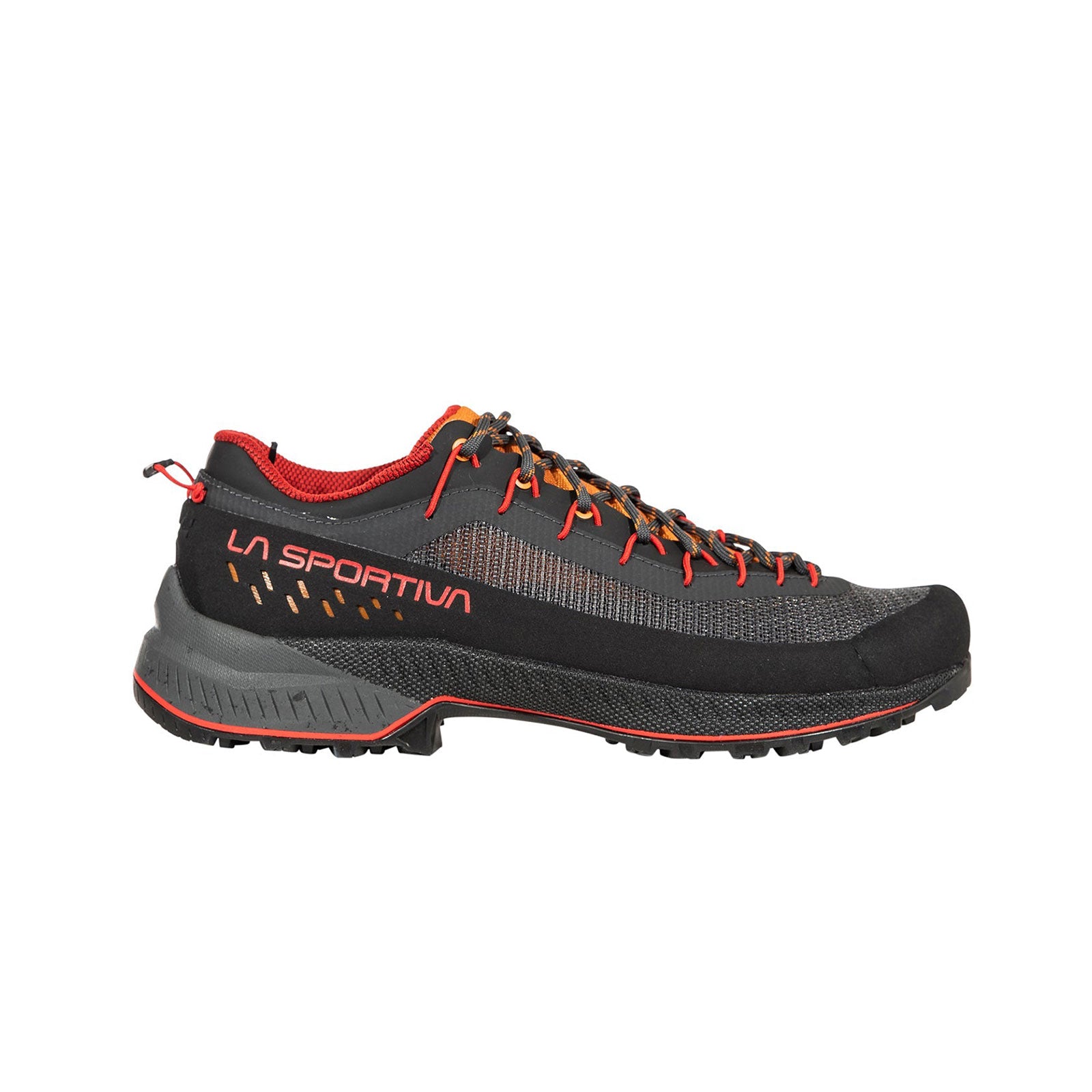
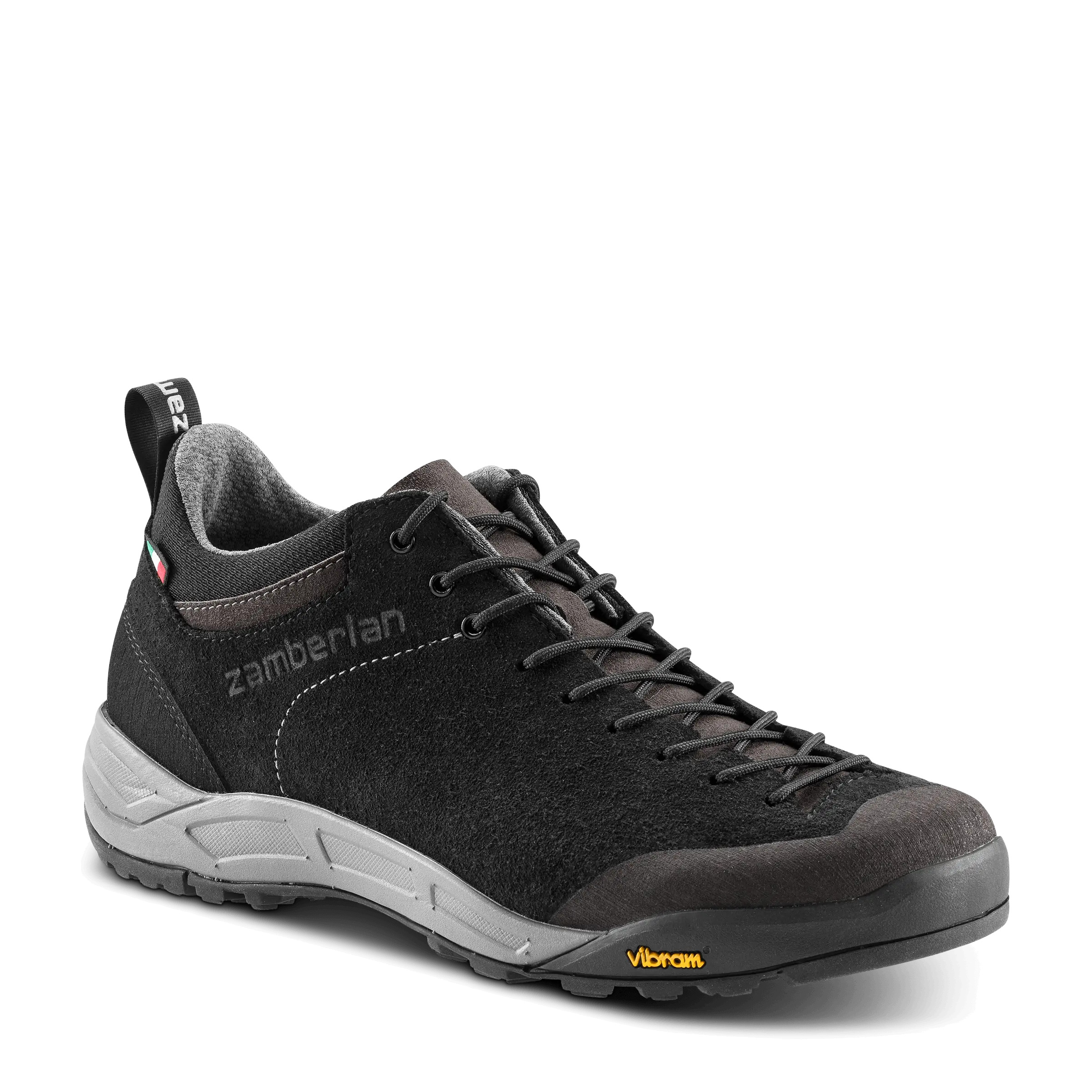
- Climbing-inspired with sticky rubber and a full or partial rand.
- Lacing often goes close to the toes for precise fit.
- Flatter forefoot and stiffer platform for edging and smearing.
- Shallower lugs that favor rock friction over mud traction.
The Core Differences That Matter
At the core of what is the difference between hiking shoes and approach shoes are outsole rubber and flex. Approach models use sticky compounds that shine on dry rock and slabs. Hiking shoes lean on deeper lugs and softer midsoles for comfort and mixed terrain.
Key construction contrasts
- Outsole rubber: Approach shoes use sticky compounds for friction; hiking shoes use harder compounds for durability and varied soil.
- Lug pattern: Approach lugs are low and close; hiking lugs are deeper with multi-direction grip and a heel brake.
- Edging platform: Approach shoes have stiffer forefoot zones for standing on small holds.
- Rand and protection: Approach shoes often have a wraparound rand; hiking shoes favor toe caps and rock plates.
- Midsole feel: Hiking shoes use softer EVA for cushion; approach shoes use firmer midsoles or partial shanks.
- Fit and lacing: Approach shoes lace to the toe for precision; hiking shoes keep a roomier toe box.
- Weight: Approach shoes can be heavier for their size due to rubber and rand; hiking shoes balance weight and cushion.
- Weatherproofing: Hiking shoes often add membranes for wet trails; many approach shoes run unlined for sensitivity.
- Durability trade-off: Sticky rubber wears faster on pavement; deeper hiking lugs last longer off-rock.
This is where what is the difference between hiking shoes and approach shoes shows up underfoot: one flows on dirt, the other locks to stone. Both can cross over, but each has a clear edge in its home terrain.
Terrain and Use Cases
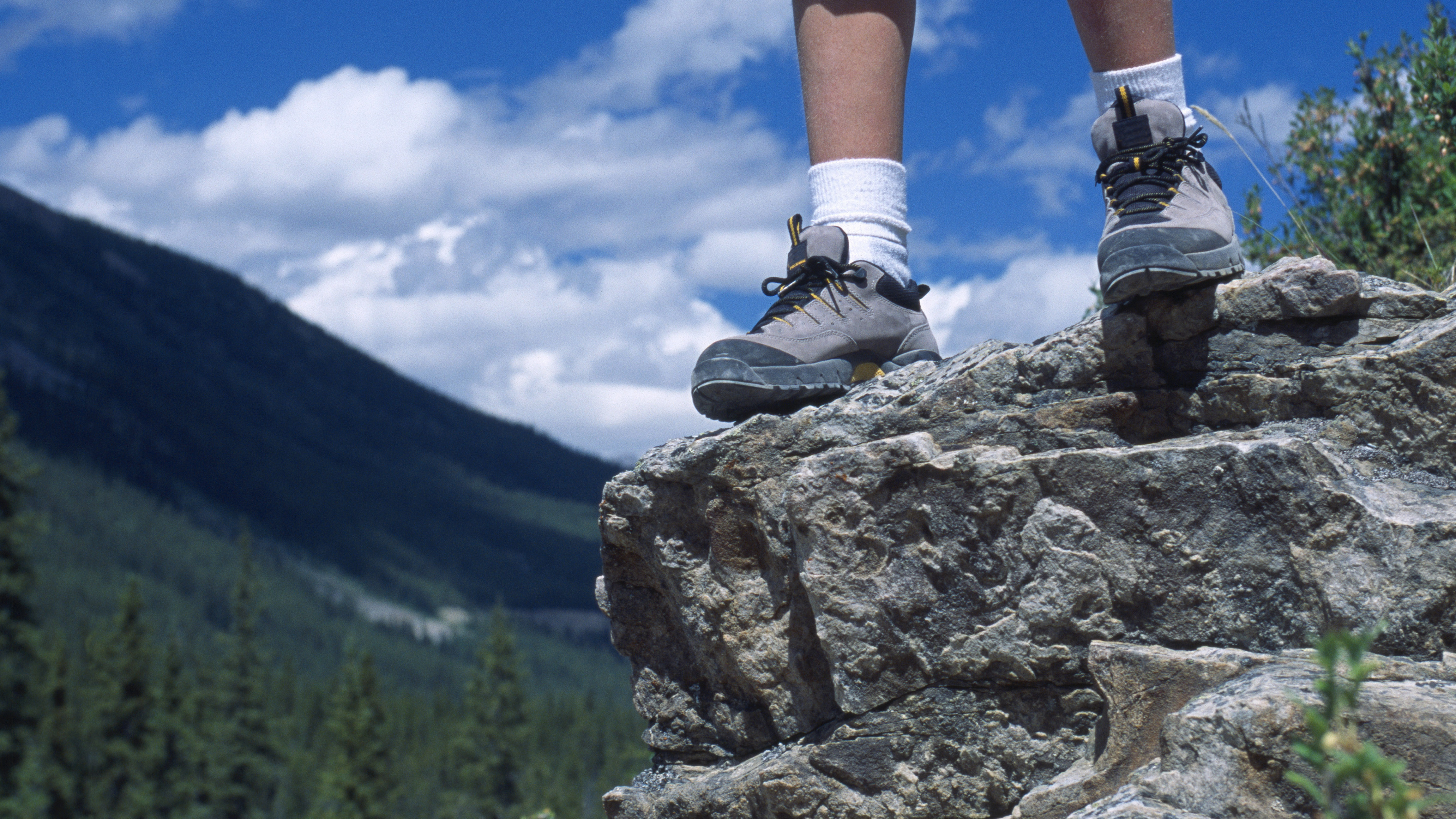
When you ask what is the difference between hiking shoes and approach shoes, think about where you go. Trail miles with mixed soil reward cushion and deep lugs. Scrambles and rocky ridges reward sticky rubber and edging.
Where hiking shoes shine
- Forest and mountain trails with mud, roots, and loose gravel.
- Long day hikes and light backpacking where comfort matters most.
- Wet seasons when waterproofing and deep lugs help.
Where approach shoes shine
- Rocky approaches, talus, and boulder fields.
- Class 3–4 scrambles, via ferrata, and easy fifth-class steps.
- Technical travel where precise foot placements matter.
Crossover note
- Short, mixed routes with both trail and slab can favor approach shoes if rock dominates.
- Long, muddy slogs favor hiking shoes for comfort and mud-shedding.

Source: readygohike.com
Fit, Comfort, and Injury Risk
Your feet feel what is the difference between hiking shoes and approach shoes on mile three, not minute three. Precision fit helps on rock, but it can compress toes on long hikes. A roomy fit helps on distance but can feel sloppy on edges.
Practical fit tips
- Size hiking shoes with a thumb’s width at the toes to manage swelling.
- Size approach shoes snug at the forefoot for edging, but not painfully tight.
- Test heel hold; slipping heels cause blisters on climbs and descents.
- Try different socks; thin for approach sensitivity, cushioned for trail comfort.
- Walk stairs and sidehill in the store to find hot spots before you buy.
Pros and Cons at a Glance
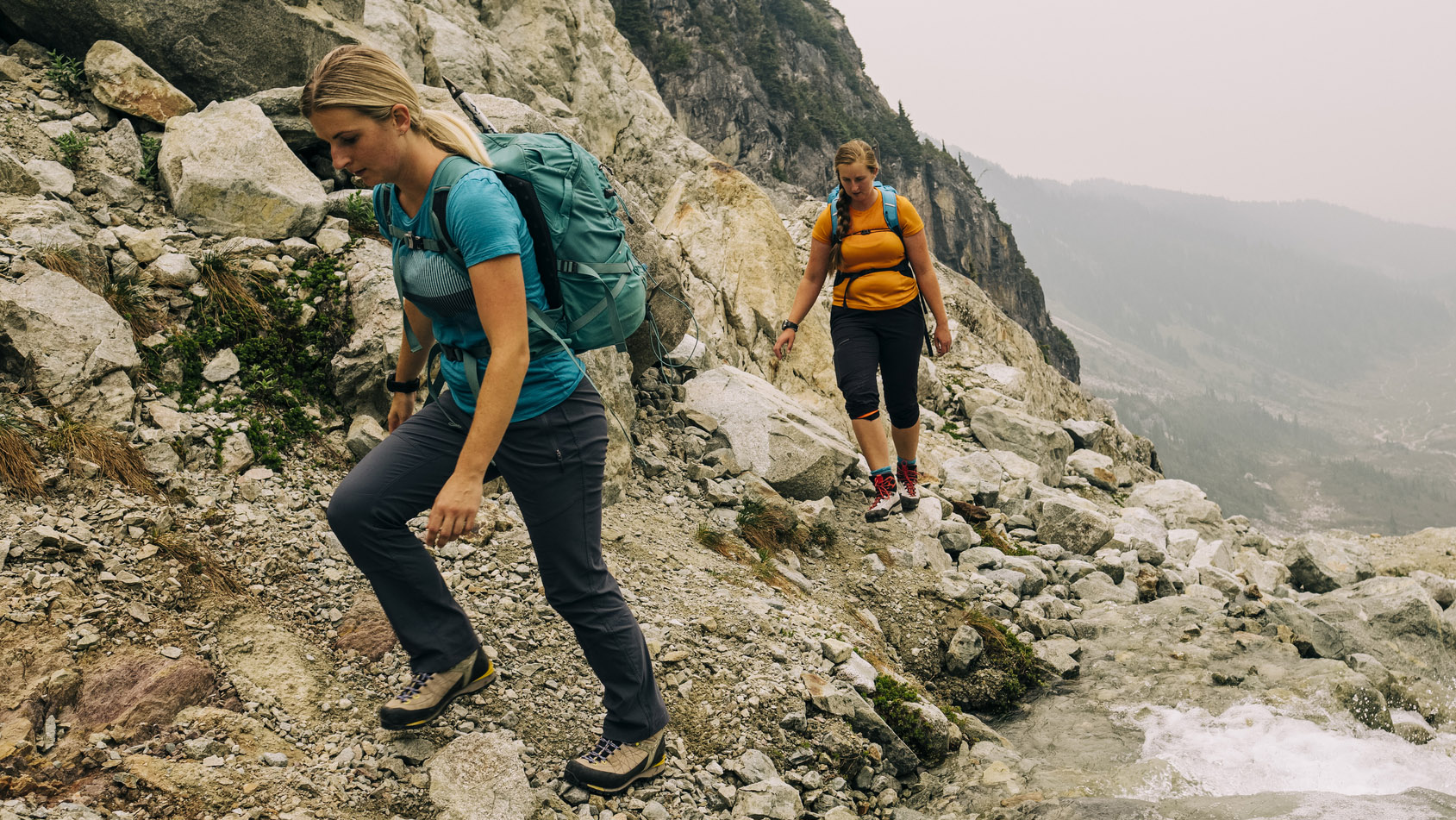
To weigh what is the difference between hiking shoes and approach shoes, map the pros and cons to your plan. Pick the trade-offs that match your route and weather.
Hiking shoes
- Pros: Better cushion, deeper lugs, trail-ready comfort, often waterproof.
- Cons: Less precise on rock, weaker edging, can feel bulky on scrambles.
Approach shoes
- Pros: Sticky rubber, strong edging, precise lacing, great on slabs and rock hops.
- Cons: Less cushion on long dirt miles, lugs clog in mud, rubber wears fast on pavement.
Buying and Testing Guide
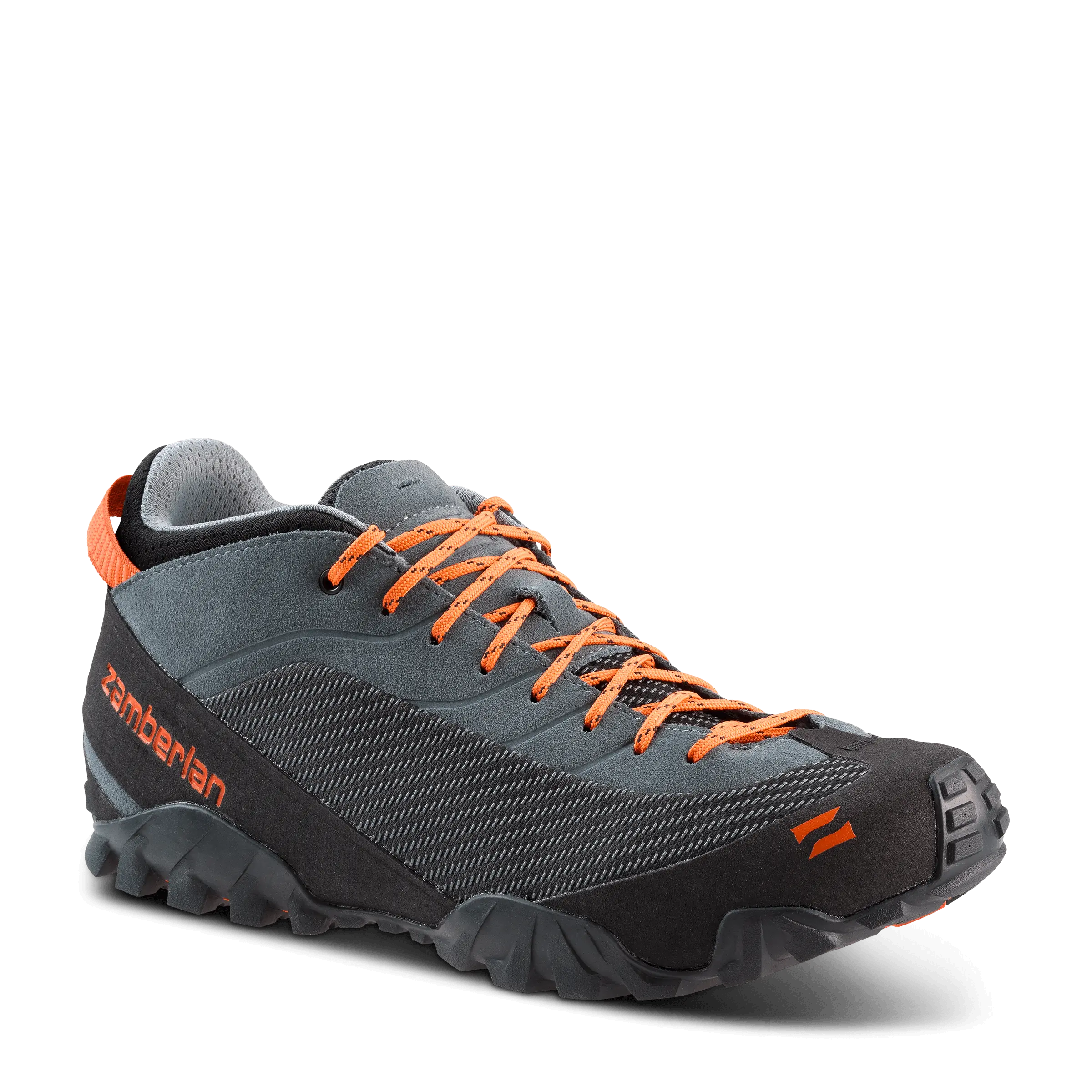
A smart test will reveal what is the difference between hiking shoes and approach shoes in seconds. Use the checks below before you commit.
Quick in-store tests
- Flex test: Bend the forefoot. Hiking shoes flex more; approach shoes resist to aid edging.
- Torsion test: Twist the shoe. Less twist equals better edging and stability on rock.
- Edging test: Stand on a curb edge on your toes. Approach shoes feel secure; hiking shoes feel softer.
- Smear test: On a smooth floor, push forward on the forefoot. Sticky rubber should feel grippy without sliding.
- Heel lock: Hike downstairs. Your heel should not lift.
Key specs to compare
- Rubber: Look for sticky rubber in approach shoes; harder rubber for hiking mileage.
- Midsole: EVA for soft miles; firmer EVA or PU blends for edging and support.
- Protection: Full or partial rand for rock; toe cap and rock plate for trail debris.
- Membrane: Waterproof for wet trails; non-waterproof for breathability on dry, hot approaches.
- Re-sole potential: Many approach shoes can be re-soled, which extends life and saves cost.
Budget note
- Spend where it counts: rubber and fit. A well-fit mid-tier shoe will beat a premium model that rubs.
Care, Maintenance, and Longevity
Care also shows what is the difference between hiking shoes and approach shoes over time. Sticky rubber needs cleaning to keep grip. Trail shoes need clean lugs to shed mud and maintain bite.
Simple care steps
- Rinse mud after each outing; use a soft brush on lugs and rand.
- Air dry at room temp; avoid heaters that can weaken glue and rubber.
- Refresh water repellency on hiking shoes with a spray when water stops beading.
- Condition leather lightly if present; avoid heavy oils.
- Wipe approach outsoles with a damp cloth before scrambles to restore friction.
- Rotate pairs if you hike often to let foam rebound.
- Re-sole approach shoes when rubber thins; replace hiking shoes when lugs are worn flat.
Real-World Lessons and Mistakes to Avoid
My field notes underline what is the difference between hiking shoes and approach shoes when plans change. On a wet, muddy Appalachian loop, my approach shoes clogged fast and slipped on clay. I switched to hiking shoes with deep lugs the next day and moved with far more control.
On a Teton scramble, approach shoes felt magic on quartzite slabs. The sticky rubber and toe lacing turned dicey steps into calm moves. Yet my feet felt beat on the 8-mile exit. Lesson learned: match the shoe to the longest, most demanding surface of your day.
Common mistakes to avoid
- Wearing approach shoes on long, muddy hikes. The lugs are too shallow.
- Wearing hiking shoes on technical scrambles. The edging is too soft.
- Sizing approach shoes too tight for long walks. Numb toes kill precision.
- Ignoring rubber care. Dirty sticky rubber grips far less on rock.
Frequently Asked Questions of what is the difference between hiking shoes and approach shoes
Are approach shoes good for everyday hiking?
They work on dry, rocky trails and short hikes. For long days or muddy routes, hiking shoes are more comfortable and safer.
Can I climb in hiking shoes?
You can do easy, low-angle slabs or short steps. But you will miss the edging power and sticky rubber of approach shoes.
Do I need waterproof shoes?
Choose waterproof hiking shoes for wet trails and cool weather. For hot, dry days or rock-heavy routes, breathable non-waterproof shoes feel better.
How long do approach shoes last?
Sticky rubber wears faster, especially on pavement. Expect shorter life than hiking shoes if you walk many miles on hard ground.
Should I size approach shoes like climbing shoes?
No. Keep them snug for control, but not painful. You still need circulation and comfort for the hike in and out.
Conclusion
Now you can explain what is the difference between hiking shoes and approach shoes and choose with confidence. Pick the shoe that matches most of your miles: cushion and lugs for trails, or sticky rubber and edging for rock. Try the tests above, check the fit, and care for your pair so they last.
Ready to dial in your next step? Compare two models side by side this week, take a short test hike, and note how your feet feel at mile three. If this guide helped, share it with a friend, subscribe for more gear insights, or leave a question and I’ll help you pick the right shoe.


