

What Kind Of Shoes For Volleyball? [Best Picks & Tips 2026]
Choose volleyball-specific shoes with gum rubber grip, lateral stability, and responsive cushioning.
If you’re asking what kind of shoes for volleyball will help you move faster, jump safer, and last a full season, you’re in the right place. I’ve coached and played across levels, tested many pairs, and learned what works on real courts. This guide explains what kind of shoes for volleyball you need, how to pick the best fit, and which features matter most for your position, budget, and gym rules.
:upscale()/2024/10/22/852/n/1922729/0ac0ad9612b939a1_netimgVwJk6l.webp)
How volleyball shoes differ from other athletic shoes
Volleyball is about quick stops, lateral cuts, and explosive jumps. That means your shoes must grip well on hardwood, stay stable when you land, and protect your joints. Running shoes focus on straight-line motion and soft foam. They can feel great on a jog but unstable on a court.
A good volleyball shoe uses a non-marking gum rubber outsole for strong traction on polished floors. The midsole blends cushioning with firmness, so you land soft but don’t wobble. The upper locks your foot in for lateral control, often with a sturdy heel counter and a reinforced toe for digs.
From my experience, the right pair reduces slip risk and cuts knee stress on long rally days. If you’ve wondered what kind of shoes for volleyball reduce injury risk, start with traction, stability, and a secure fit before style or color.

Key features to look for in what kind of shoes for volleyball
When you compare what kind of shoes for volleyball to buy, focus on these:
- Traction on indoor courts Non-marking gum rubber or tacky compounds with a tight tread pattern. Avoid outsoles meant for outdoor asphalt.
- Lateral stability Look for a wide base, outrigger edges, firm sidewalls, and a locked-in heel. This helps on shuffles and blocks.
- Impact protection Balanced cushioning in the heel and forefoot. Too soft can feel unstable. Too firm can pound your joints.
- Court feel You should sense the floor for quick changes. Many players like a lower stack height.
- Fit and lockdown Snug midfoot, secure heel, and enough toe room. Try lacing techniques like a heel lock for more hold.
- Durability Reinforced toe wrap, strong eyelets, and supportive overlays for slides and digs.
- Weight Light is nice, but control beats ounces saved. Choose the lightest pair that still feels stable.
- Breathability Mesh uppers help on hot practice days. Some models add ventilation ports.
If you keep asking what kind of shoes for volleyball suit you best, match these features to your style and position. Comfort matters, but performance comes first on game day.

Indoor vs. beach: what kind of shoes for volleyball in each setting
Indoor volleyball Shoes designed for courts are best. Use non-marking outsoles, firm side support, and strong traction. Many leagues require non-marking soles.
Beach volleyball Most athletes play barefoot for better sand feel. Some wear sand socks for hot or cold sand. Shoes on sand are rare and can trap grit. If you must wear shoes due to conditions, pick mesh-heavy water or trail designs that drain and dry fast.
If you wonder what kind of shoes for volleyball you should wear outdoors on pavement, the answer is simple. Do not use your indoor pair outside. Save your court grip for the gym.
Position-specific picks: what kind of shoes for volleyball suit your role
Different roles stress shoes in different ways. Here is a quick guide based on common needs.
- Liberos and defensive specialists Choose low-to-mid profiles with superb grip and lockdown. Court feel and quick stops matter most.
- Setters Go for stable, light shoes with strong lateral support. You move in tight spaces and need precise footwork.
- Outside hitters and opposites Look for balanced cushioning and a stable platform for approach jumps and landings.
- Middle blockers Seek great heel and forefoot impact control with a wide, stable base for blocks and fast lateral moves.
- Pinch servers or utility players Pick an all-rounder with good grip and fit. Keep it consistent across roles.
I learned the hard way that too-soft foam made my landings feel wobbly as an outside hitter. Once I moved to a firmer, more stable midsole, my knees thanked me. So when choosing what kind of shoes for volleyball, match the platform to your jump load and landing style.

Fit and sizing guide
Great shoes fail if the fit is wrong. Use this simple check.
- Length Aim for a thumb’s width of space at the big toe when standing.
- Width Your foot should not spill over the outsole. Try wide options if needed.
- Heel hold No heel lift on quick stops. Use a runner’s loop lacing for extra lock.
- Midfoot wrap The shoe should hug without hot spots. Adjust laces from forefoot to collar.
- Insoles and braces If you use orthotics or ankle braces, bring them when you try shoes. Size accordingly.
- Break-in Wear them for light drills before a match. This helps the upper mold to your foot.
If you’re still unsure what kind of shoes for volleyball fit best, test on a clean court if allowed. Short sprints and cuts tell you more than walking on carpet.

Popular lines and reliable options
Models change often, but some lines have proven track records for indoor play. Use these as a starting point when comparing what kind of shoes for volleyball.
- ASICS Many players like Sky Elite FF, Netburner Ballistic, and entry Gel-Rocket lines for value.
- Mizuno Wave Lightning and Wave Momentum lines balance light weight and support.
- Adidas Crazyflight is known for energy return and grip; Stabil lines offer sturdy support.
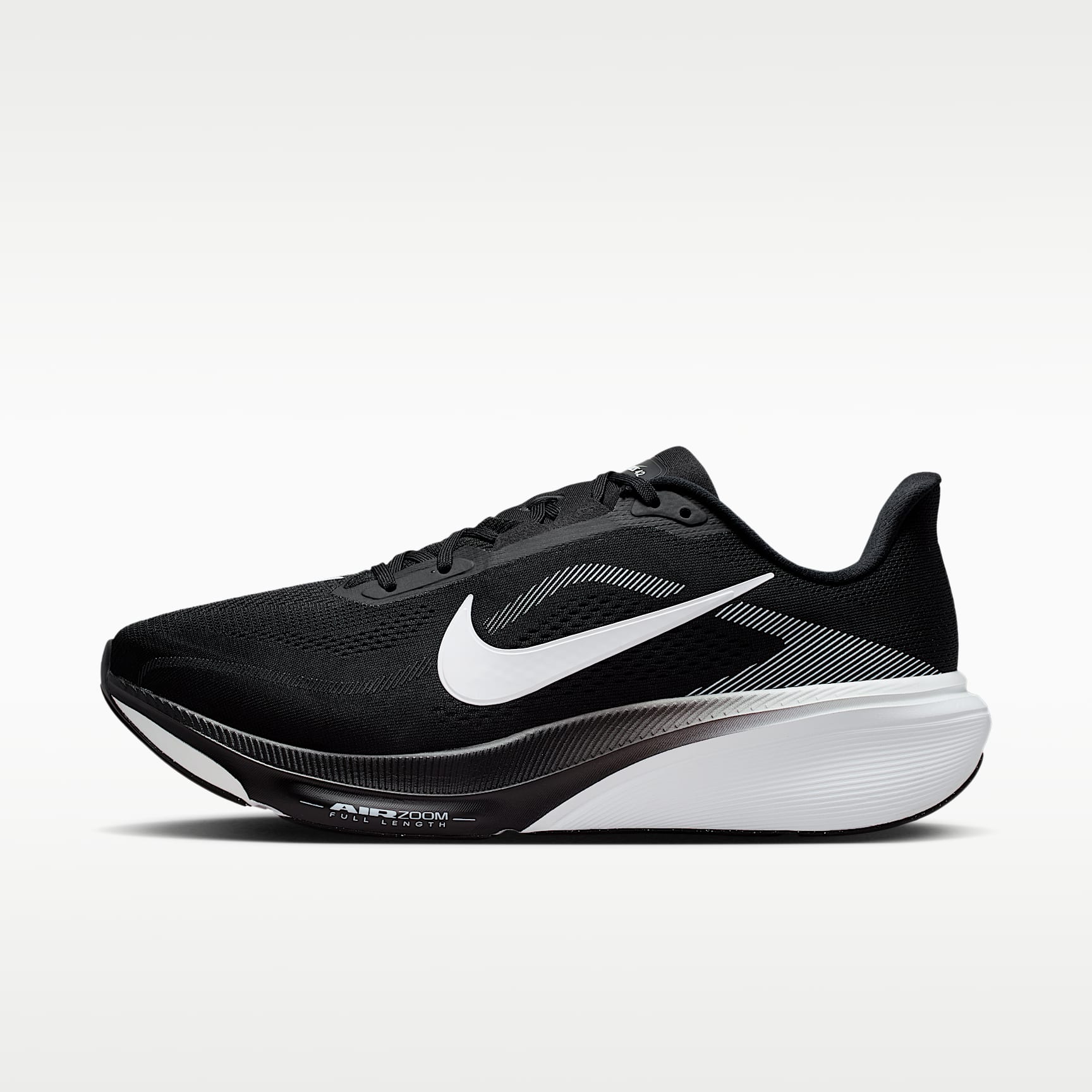
- Nike Zoom-based indoor lines and some court models focus on traction and lateral control.
I test shoes by doing 10 quick shuffles, 5 approach jumps, and a few emergency dives. If traction slips or the heel moves, I pass. Apply the same test when deciding what kind of shoes for volleyball will make you feel safe and fast.

Budget and value
Price does not always equal performance. You can find strong options at different levels.
- Entry level About 60–90 dollars. Good for beginners or backups.
- Mid tier About 90–130 dollars. Best blend of features and value.
- Top tier About 130–180 dollars. Premium materials and latest foams.
Think cost per practice. A durable mid-tier shoe can beat a premium pair that wears out fast. If budget is tight and you still ask what kind of shoes for volleyball to buy, look for last season’s colorways at a discount.

Care, maintenance, and replacement
Treat your shoes well and they pay you back on court.
- Keep them indoor-only Outdoor use kills grip fast.
- Clean the outsole Wipe with a damp cloth to restore tack. A quick wipe mid-practice can help.
- Dry right Air-dry after play. Avoid heat sources that warp glue and foam.
- Rotate pairs If you train daily, rotating two pairs lets foam recover.
- Check wear Look for smooth outsoles, compressed midsoles, or tearing uppers.
Most active players replace shoes every 6–12 months, depending on volume and body weight. If you slip more, feel flat landings, or see new aches, it is time. This is a key sign when choosing what kind of shoes for volleyball next season.

Common mistakes and how to avoid them
Even experienced players slip up on shoe choice. Avoid these errors.
- Wearing running shoes on court They are built for forward motion, not lateral moves.
- Using your indoor shoes outside Dust and asphalt ruin grip.
- Buying too big for “comfort” Extra room causes heel lift and blisters.
- Ignoring width or arch needs Try wide or supportive options if you feel pinch or fatigue.
- Choosing cushion over control Too soft can feel great at first but reduce stability.
If you keep asking what kind of shoes for volleyball will help you play better today, fix these mistakes first. The difference shows within one practice.
Frequently Asked Questions of what kind of shoes for volleyball
What makes volleyball shoes non-marking?
They use rubber compounds that do not leave dark scuffs on gym floors. Look for “non-marking” on the outsole or product details.
Can I use basketball shoes for volleyball?
Yes, some work well if they have strong traction, lateral support, and a non-marking sole. Test court grip and heel lockdown before buying.
How often should I replace my volleyball shoes?
For regular players, plan on every 6–12 months. Replace sooner if traction fades, cushioning feels dead, or the upper tears.
Do I need ankle braces with volleyball shoes?
If you have a history of sprains, braces can help. Make sure the shoe collar and fit still lock your heel and do not cause pressure points.
Are high-top shoes better than low-top for volleyball?
Not always. Stability comes more from the base and heel hold than collar height. Choose the height that feels secure without rubbing.
What socks work best for volleyball shoes?
Choose thin to medium, moisture-wicking socks with minimal seams. They reduce blisters and keep the fit consistent.
Should I size up for volleyball shoes?
Not unless needed for width or braces. Aim for a snug midfoot, secure heel, and a thumb’s width at the toe.
What kind of shoes for volleyball should beginners buy?
Pick an entry or mid-tier indoor model with good grip and stable support. Comfort and fit matter more than advanced tech at first.
Conclusion
The right volleyball shoes help you stop fast, jump safe, and play longer with less strain. Focus on grip, stability, and a secure fit, then match features to your position and court. If you still wonder what kind of shoes for volleyball suit you best, test on court and trust how your body feels.
Take action this week. Try on two or three pairs, run short shuttles, and pick the one that feels locked, grippy, and stable. Want more tips and gear picks? Subscribe for updates or drop your questions in the comments.

![5 Best Womens Dress Shoes for Plantar Fasciitis [Style Meets Relief]](https://shoesblast.com/wp-content/uploads/2026/08/product_B0CZF6GD3Q-1-768x595.jpg)


