

Whats The Difference Between Running Shoes and Training Shoes
Running shoes cushion straight-ahead strides; training shoes support multi-direction moves and lifting.
If you have ever wondered whats the difference between running shoes and training shoes, this guide is for you. I fit athletes and everyday movers for a living, and I test dozens of models each season. Below, I explain the design details, the science, and the real-world feel that set them apart. By the end, you will know when to pick each shoe, how to test the fit, and how to avoid common mistakes.
The core difference at a glance
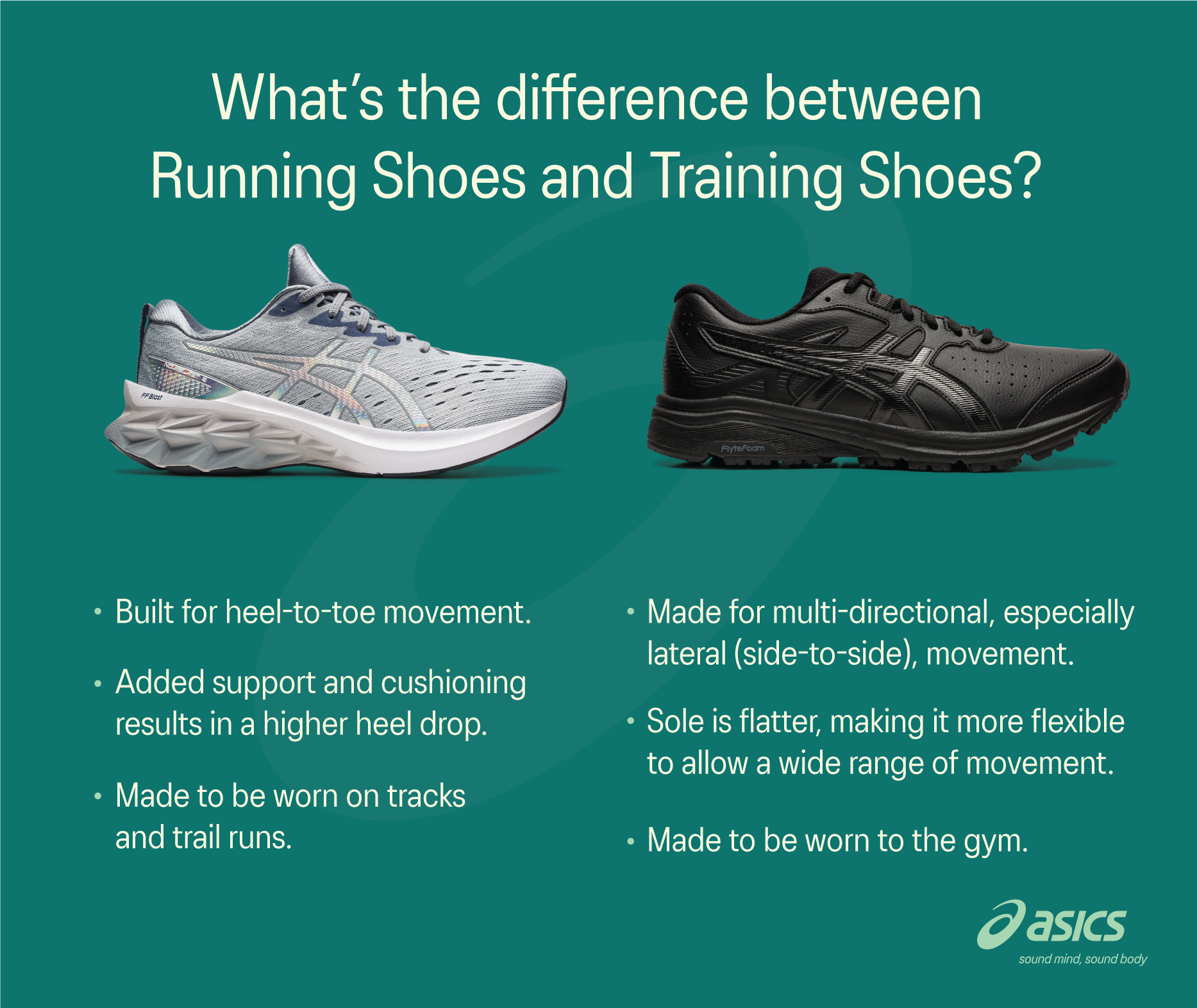
Running shoes are built for forward motion and steady pacing. They use soft foam, a shaped midsole, and a smooth outsole to roll you from heel to toe with less impact.
Training shoes are built for variety. Think side shuffles, lunges, box jumps, agility ladders, and barbell work. They use flatter, wider bases and stable foam to keep you planted and quick on your feet.
If a clerk ever asks you whats the difference between running shoes and training shoes, think about movement first. Do you mostly run in a straight line, or do you cut, pivot, and lift? That single choice guides the right shoe.
Key contrasts you will feel right away:
- Cushioning feel: Running shoes feel softer and springier; training shoes feel firmer and grounded.
- Base and stability: Running shoes are narrower to save weight; training shoes are wider to resist tipping.
- Heel-to-toe drop: Running shoes often have more drop to ease the roll; training shoes are lower for balance in squats and presses.
- Outsole grip: Running shoes grip pavement and treadmills; training shoes grip rubber floors and turf in many directions.
These points frame the real answer to whats the difference between running shoes and training shoes. The rest of this guide shows why that matters day to day.
Biomechanics and design differences
Cushioning and midsole geometry
Running compresses foam in a repeatable path. That is why many running shoes use thicker midsoles, plush cushioning, and sometimes plates to smooth energy from landing to toe-off. The goal is shock reduction and a stable roll.
Training asks for control under load. Many training shoes use firmer or dual-density foam. The forefoot flexes for push-offs, while the heel stays steady for lifts.
Heel drop and rocker shape
A higher heel drop in running shoes can reduce calf strain for some runners. The rocker shape helps you glide at easy and tempo paces. Some models feel like they tip you forward.
Training shoes lean lower and flatter. You feel the floor. That flatness helps with deadlifts, kettlebell swings, and lateral hops.
Stability and torsion
Running shoes allow a bit of twist so your foot moves naturally along one line. Side-to-side support is present but not the focus.
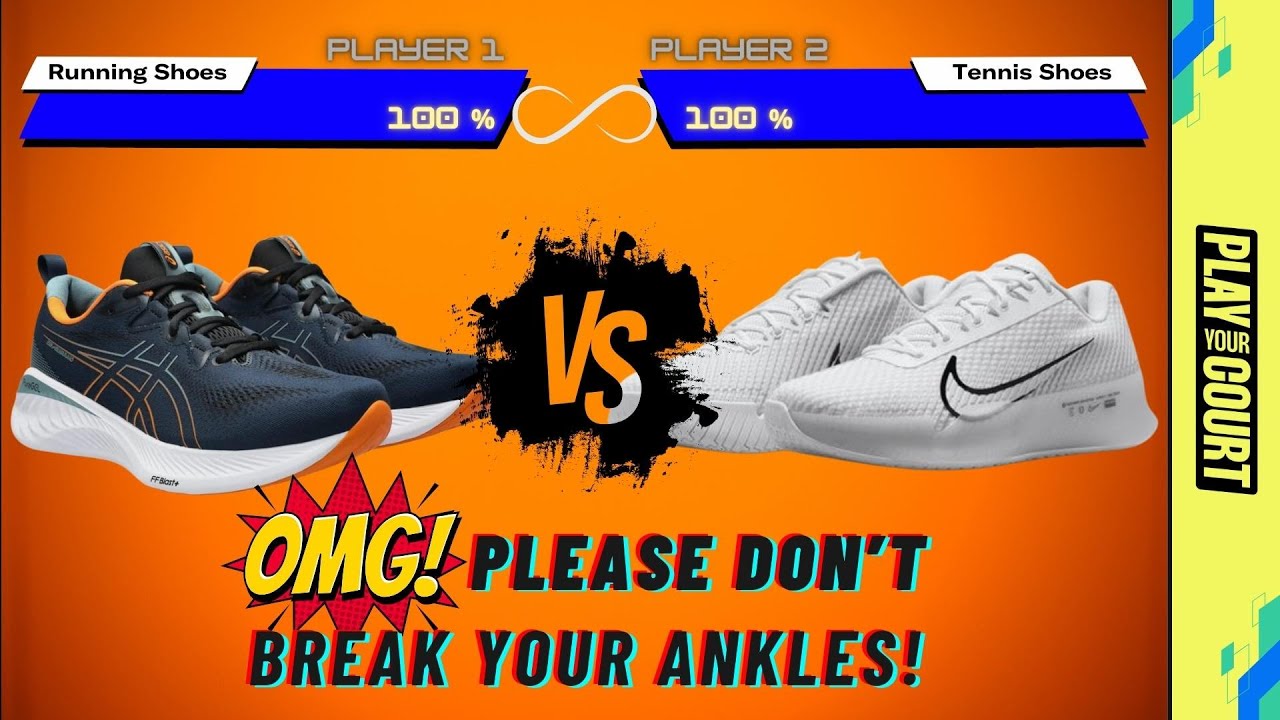
Training shoes fight torsion. The midfoot often includes a stabilizing shank, a wrap, or a wide platform. This keeps the ankle from rolling during cuts and landings.
Outsole and traction
Running outsoles favor heel-to-toe grip with rubber placed where you land and push off. Lugs and grooves help on roads and light trails.
Training outsoles use radial or diamond patterns for multi-direction traction. Many wrap up the sides for rope climbs or lateral holds.
Upper support and lockdown
Running uppers are light and breathable. They hold the foot but avoid extra weight.
Training uppers add structure. You will see overlays at the toe for burpees, sturdy eyelets for lockdown, and sidewalls for lateral stability.
If you still ask yourself whats the difference between running shoes and training shoes, the biomechanical answer is this: one is tuned for forward efficiency; the other is tuned for stable versatility.
Use cases: when to pick each shoe
Pick running shoes when your plan is steady miles, intervals, or long treadmill sessions. They shine on roads, tracks, and groomed paths.
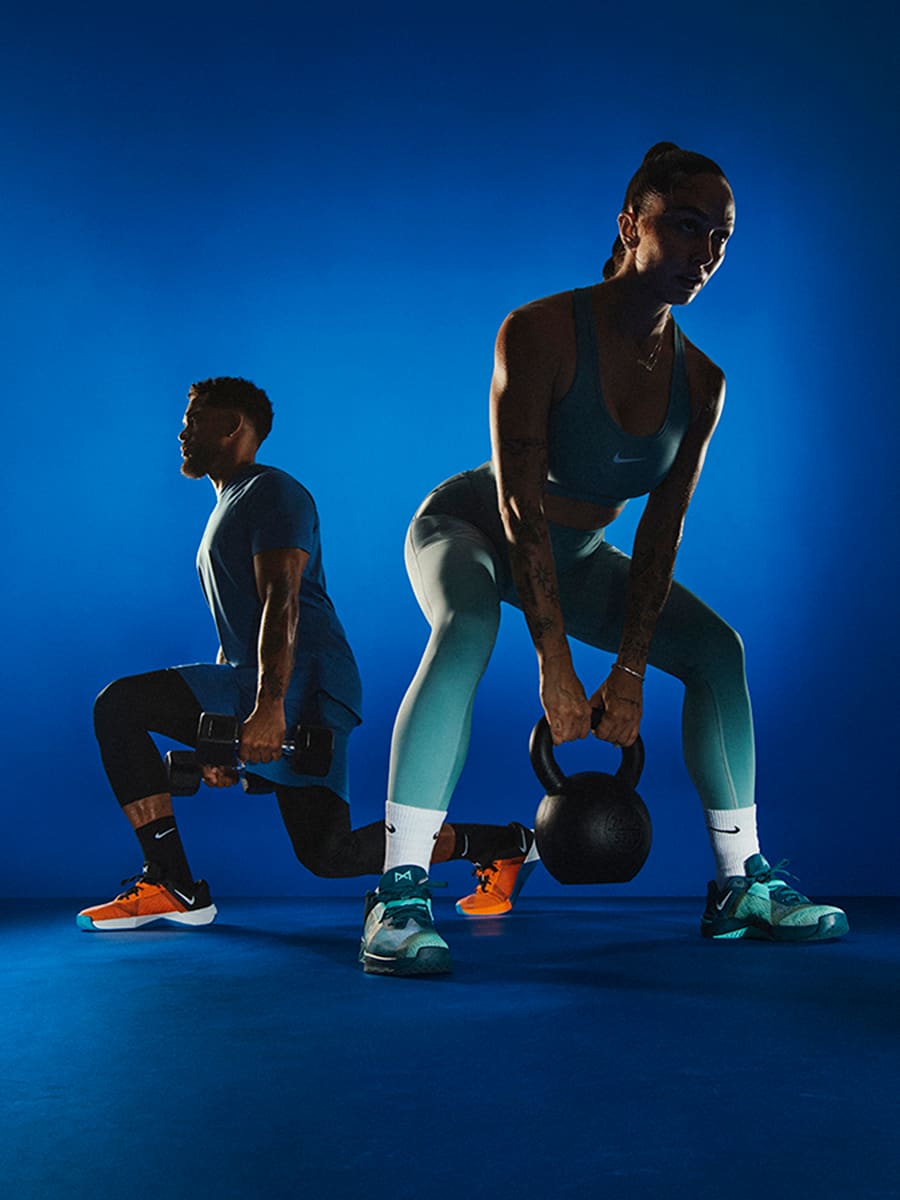
Pick training shoes when your plan mixes moves. Think HIIT, boot camps, CrossFit-style workouts, plyometrics, sled pushes, and strength work.
Can you run in training shoes?
You can run short warm-ups in training shoes. For longer runs, your legs may feel beat up because the foam and shape are not tuned for miles.
Are running shoes good for the gym?
They are fine for the bike, core, and machines. For heavy squats or lateral drills, they feel wobbly. A flat, stable trainer is safer.
Do you need both pairs?
If you both run and lift each week, yes. Separate shoes last longer and protect you better. This is the practical side of whats the difference between running shoes and training shoes.
Pro tip from the fitting bench: When clients split their week between 3 to 4 runs and 2 to 3 strength days, knee and foot issues drop once they use the right tool each day. That lived pattern explains whats the difference between running shoes and training shoes in real life.

Fit, sizing, and comfort tips
A good fit beats any feature list. Try this simple check.
- Wear the socks you train or run in. Thicker socks change size feel.
- Leave a thumb’s width in front of the longest toe. Feet swell as you move.
- Lock the heel with the runner’s loop lace. Heel slip causes blisters.
- Check width in the forefoot. Toes should splay but not slide.
- Jog and cut in the store. Your body will tell you fast.
For runners with orthotics, remove the stock insole and test the depth. For lifters, ensure the midfoot does not collapse when you push the knees out. If you keep repeating whats the difference between running shoes and training shoes while trying pairs, remember this: run straight to test running shoes; cut and squat to test training shoes.

Injury risk, performance, and longevity
Wearing training shoes for long runs can raise impact stress in the knees and hips. Wearing running shoes for heavy lifts can strain ankles due to wobble. Both issues come from a mismatch between foam, base, and movement.
Lifespan varies by use:
- Daily running shoes: 300 to 500 miles, depending on body weight, surface, and foam.
- Max-cushion or plated shoes: often shorter due to softer foams or thin rubber.
- Training shoes: 9 to 12 months of gym work, or about 80 to 120 gym hours.
Performance tip: Track feel, not just miles. If you lose pop or feel sore in odd places, rotate out. Many clients solve nagging aches by honoring whats the difference between running shoes and training shoes and swapping at the right time.

Budget and buying checklist
You do not need the most expensive pair. You need the right match.
Price ranges you will see:
- Solid daily running shoes: mid to upper range, often worth it for foam quality.
- Speed shoes: higher due to plates and special foams.
- Training shoes: mid range, with stable builds and durable uppers.
Use this quick checklist:
- Define your main activity for the next 12 weeks.
- Test on the right surface: treadmill for running shoes, studio floor for trainers.
- Do a bend-and-twist test. Runners should flex at the forefoot and resist at the midfoot. Trainers should resist torsion side to side.
- Check return policy. You may need two or three sessions to decide.
Common mistakes to avoid:
- Buying a “do-it-all” shoe for serious goals.
- Ignoring width options when toes tingle or go numb.
- Chasing trends that do not match your body or sport.
If you feel stuck on whats the difference between running shoes and training shoes, let your workout log decide. Your log shows where you spend time and where a purpose-built shoe pays off.
Care, rotation, and sustainability
A simple care routine saves money and reduces waste.
- Rotate pairs to let foam rebound between sessions.
- Air-dry insoles and uppers after sweaty workouts. Avoid heat; it breaks down glue and foam.
- Brush off grit. Dirt acts like sandpaper on mesh and rubber.
- Recycle or donate when done. Many stores and brands run take-back programs.
Rotation also makes the difference clearer. When you feel the soft roll on run days and the firm base on lift days, you experience whats the difference between running shoes and training shoes with each step.

Frequently Asked Questions of whats the difference between running shoes and training shoes
Can I use one pair for both running and gym workouts?
You can for light, casual use. If you train hard or often, separate pairs protect your joints and last longer.
How do I know it is time to replace my running shoes?
Watch for midsole creases, smooth outsole patches, or new aches after usual runs. Many runners replace at 300 to 500 miles.
Are training shoes okay for treadmill runs?
Short warm-ups are fine. For full runs, pick running shoes for comfort, lower impact, and better stride mechanics.
Do I need a wide shoe for lifting?
You need a stable base, not always a wide size. If your foot spills over the edge or your toes pinch, try a wider model or a training shoe with a broad platform.
What drop should I choose for squats and deadlifts?
Most lifters like low or moderate drop for ground feel and balance. If your ankles are tight, a slightly higher drop can help you stay upright in squats.
Are plated running shoes good for beginners?
They can feel fast but are not needed for most new runners. Start with a stable daily trainer and add a plated shoe later if you race.
Can cross-training shoes prevent ankle rolls?
They reduce risk during lateral moves thanks to sidewalls and a wide base. Good form and strength still matter most.
Conclusion
Pick the right tool for the job. Running shoes cushion and guide forward strides. Training shoes plant you for cuts, jumps, and heavy lifts. That is the simple heart of what’s the difference between running shoes and training shoes.
Use the fit checks, test moves, and care tips above to dial in your pair. Your body will feel the payoff in comfort, control, and confidence. Ready to choose with clarity? Save this guide, share it with a friend, and drop your questions in the comments so we can help you move better.


