

When To Wear Snow Shoes? Expert Guide For Winter Trails
Wear snow shoes when deep, soft, or unstable snow slows or sinks your steps, or on soft crusts and wet slush.
I have guided hikers, rangers, and winter commuters for over a decade on winter travel and gear. This article explains exactly when to wear snow shoes, how to judge snow and terrain, and how to choose and use snowshoes safely.
I combine field experience, practical examples, and clear rules you can apply on any winter outing. Read on to learn the conditions and cues that tell you to strap on snowshoes and how to get the best performance from them.
What snowshoes do and why timing matters
Snowshoes spread your weight over a larger surface. This reduces sinking and makes walking over snow efficient. They also improve balance on soft, unstable, or variable snow. Using snowshoes at the right time saves energy and reduces risk of post-holing, cold injuries, and slow travel.
When to wear snow shoes often depends on snow depth, snow type, slope, and your load. Small mistakes about timing lead to fatigue or unnecessary gear. Learn how to read snow and match snowshoes to conditions to be efficient and safe.
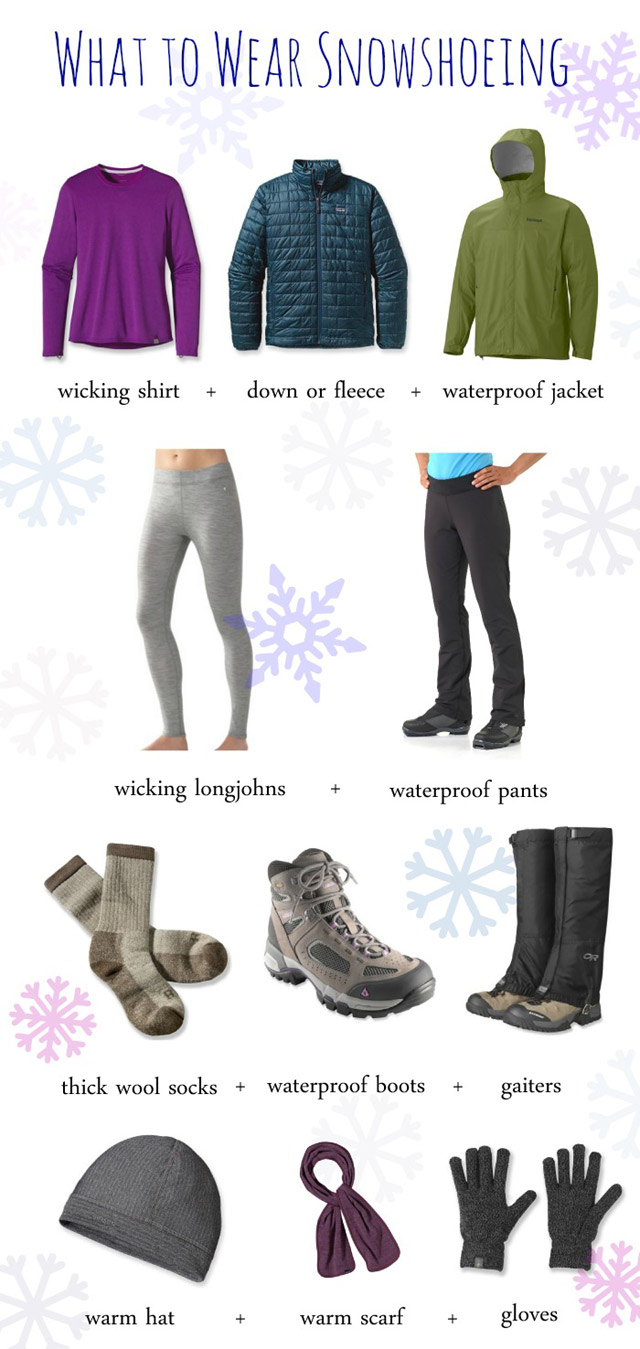
Key indicators: when to wear snow shoes in the field
Use these practical cues to decide when to wear snowshoes. They are simple to apply and work for hikers, hunters, and backcountry travelers.
- Snow depth over 4 inches on soft powder. Your boot sinks and walking becomes slow.
- Post-holing happens. If your boot breaks through to knee or thigh depth, wear snowshoes immediately.
- Soft snow crusts that do not support your weight. If you break crusts repeatedly, snowshoes can help.
- Wet, heavy spring snow that sticks or traps boots. Snowshoes prevent deep sink and wet socks.
- Traversing flat or rolling terrain for long distances where sinking increases energy use.
- Carrying a heavy pack on moderate snow. Load increases sinking and energy cost.
- Backcountry travel where route finding requires consistent footing, like meadows or frozen lakes with shallow snow.
In short, put snowshoes on when walking becomes slow, risky, or energy costly. Trust visible sinking, repeated post-holing, and poor crust support as cues.
Snow type and terrain: matching conditions to action
Snow behaves differently by temperature and weather. Knowing snow type guides your choice and timing for snowshoe use.
- Powder snow: Fluffy, low-density snow. Wear snowshoes early to avoid sinking.
- Packed or wind-scoured snow: Hard surface; snowshoes may be unnecessary on short trips.
- Breakable crust: Thin crust that breaks underfoot. Use snowshoes to avoid plunging through.
- Solid crust or ice: Snowshoes have limited traction; consider crampons or microspikes instead.
- Wet spring snow: Heavy and sticky; snowshoes prevent wet feet and fatigue.
- Variable snow: Patchy or changing surfaces. Carry snowshoes and put them on when more than short patches slow you.
Decide on snowshoes based on the dominant conditions on your route, not just the forecast. Snow often varies along a single trail.
Types of snowshoes and when to choose each
Different designs suit different uses. Pick snowshoes that match your typical conditions.
- Recreational snowshoes: Wide deck for float on deep powder and low speeds. Good for flat trails.
- Backcountry or mountaineering snowshoes: Narrower, with aggressive crampons and traction for steep slopes.
- Running or racing snowshoes: Lightweight, for fast travel on packed snow.
- Hunting snowshoes: Durable with long tails for flotation when carrying heavy loads.
- Hybrid designs: Offer a balance for mixed terrain and changing snow.
Use wider decks in deep, soft snow. Choose aggressive traction and a slightly narrower deck on steep or icy slopes.
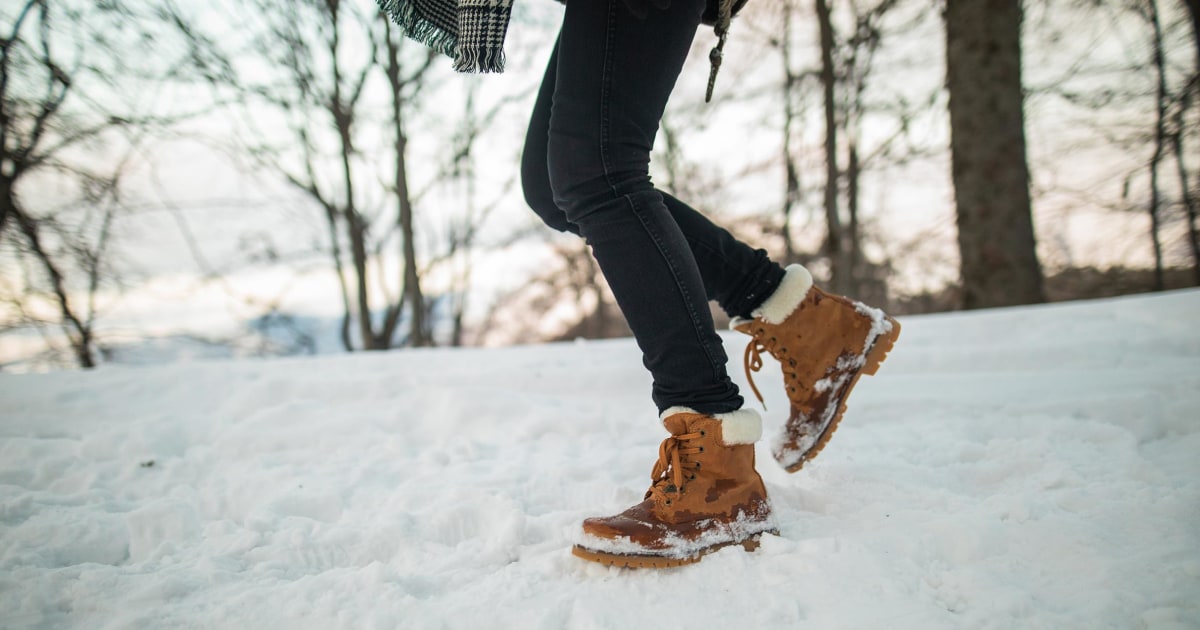
How to decide before leaving home?
A good pre-trip plan reduces surprises. Use weather, recent reports, and terrain to decide if you’ll need snowshoes.
- Check recent snow reports and depth measurements for your area.
- Review trail conditions and trip length. Long routes likely need snowshoes sooner.
- Consider temperature trends; warming increases wet snow and loosen crusts.
- Pack snowshoes if forecasts show fresh snow or mixed conditions even if starting on packed trails.
- Practice putting snowshoes on quickly so you can adapt in the field.
When to wear snow shoes often becomes obvious in the first 10 minutes of travel. Be ready to change gear quickly.

Practical tips for using snowshoes efficiently
Simple techniques extend comfort and safety when using snowshoes.
- Stride and pace: Take shorter, deliberate steps to reduce fatigue.
- Kick steps and edges: When ascending, kick into the snow for a secure platform.
- Use poles: Poles help balance and reduce load on legs in soft snow.
- Center your weight: Keep a steady stance to maximize flotation and traction.
- Practice transitions: Learn to put on and remove snowshoes without sitting in deep snow.
I learned to use poles and shorter strides the hard way. Early trips without poles were slow and exhausting. Adding poles cut my effort by a third on long snow flats.

Safety considerations and limits of snowshoes
Snowshoes improve travel but do not replace judgment or other tools.
- Avalanche terrain: Snowshoes do not protect you from avalanches. Avoid risky slopes and check avalanche forecasts.
- Icy routes: Snowshoes offer little grip on hard ice. Carry crampons or microspikes for icy sections.
- Deep crevasses or hidden water: Snowshoes may conceal hazards like thin-ice ponds. Probe when needed.
- Fatigue and cold: Snowshoes reduce effort but do not eliminate exposure risks. Pace yourself and stay hydrated.
Be honest about your skills and conditions. Snowshoes are a tool, not a guarantee.
Maintenance, storage, and fit
Care extends gear life and keeps performance high.
- Clean and dry: Remove snow, ice, and debris. Dry bindings to avoid freezing.
- Inspect crampons and straps: Replace damaged parts promptly.
- Store in cool, dry place away from sunlight.
- Fit properly: Tight bindings prevent slippage and injuries. Adjust straps before you start.
Good maintenance prevents failures in the field. I once had a strap snap on a long descent a quick pre-check would have avoided the problem.
Related activities and alternatives
Know when to choose other footwear or tools.
- Microspikes: Good for short icy stretches and packed snow when flotation is not needed.
- Crampons: Required for steep ice or hard-packed frozen snow.
- Winter boots alone: Adequate for groomed, packed trails and short distances.
- Skis or splitboards: Better for fast travel over deep, continuous snow where flotation and glide help.
Match tools to the route and objectives.
Personal lessons and common mistakes
I have led dozens of winter trips. These lessons can save you time and energy.
- Mistake: Waiting too long to put on snowshoes. Lesson: Put them on early to conserve energy.
- Mistake: Choosing too small a snowshoe for deep powder. Lesson: Use wider decks or longer tails.
- Mistake: Not packing poles. Lesson: Poles stabilize and speed travel; always bring them.
- Mistake: Ignoring changing weather. Lesson: Carry snowshoes on lumpy routes even if the day starts firm.
Experience matters. My best outings came from conservative choices and quick adaptations.
Frequently Asked Questions of when to wear snow shoes
When should I switch from boots to snowshoes on a trail?
Switch when your boots sink more than ankle deep, or when repeated post-holing occurs. If walking becomes slow or tiring, put on snowshoes.
Can I use snowshoes on packed trails?
You can, but packed trails reduce the need for flotation. Snowshoes can feel bulky on groomed paths and may slow you.
Are snowshoes useful for short winter hikes?
Yes, for soft snow or routes that cross meadows and fields. For short walks on groomed trails, they may not be needed.
How deep does snow need to be before snowshoes are required?
Generally, four inches or more of soft, unconsolidated snow suggests snowshoes will help. Depth is less important than how much you sink.
Do snowshoes help on icy slopes?
Snowshoes give limited traction on ice. Use crampons or microspikes for steep or icy terrain instead.
Conclusion
Knowing when to wear snow shoes comes down to reading snow, terrain, and your own pace. Use simple cues sinking, post-holing, soft crust, and heavy loads to decide. Choose the right snowshoe type, carry poles, and maintain your gear for reliable performance. Try conservative choices on your first trips and adapt as conditions change. Strap on snowshoes early when in doubt, and you will travel farther with less fatigue.
Take action: plan a short winter trip, practice transitions, and observe how different snow types change your need for snowshoes. Share your experiences or questions below to keep the conversation going.


