What Washer Setting For Shoes? [Safest Cycle, Temp, Spin]
Use cold water, delicate cycle, low spin, and air dry with towels.
If you are wondering what washer setting for shoes gives the best clean without wrecking them, you are in the right place. I have washed hundreds of pairs for teams, gyms, and busy homes. I will show you exactly what washer setting for shoes works, why it works, and how to prep, wash, and dry for safe results every time. Read on for a complete, trustworthy guide built on real use and care standards.
How to read labels and washer controls before you start
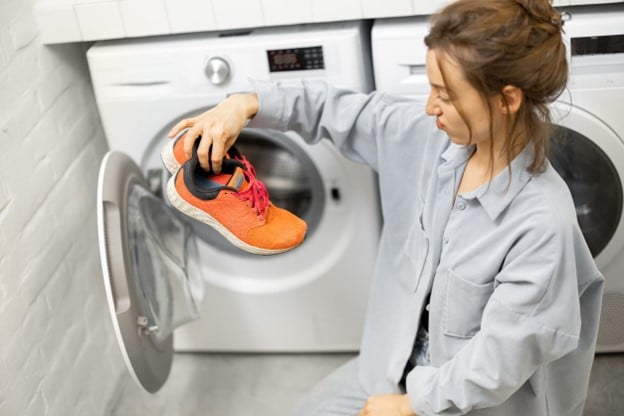
Always check two things: the shoe care label and your washer’s cycle chart. Labels tell you if a shoe can go in a machine. If there is no label, be cautious. Leather, suede, and some specialty foams should not go in the washer.
On most machines, gentle or delicate is the safest cycle for shoes. This cycle uses slow drum action and more water. It is kinder to glue, mesh, and stitching. If your washer has a hand-wash cycle, that works well too.
From years of care work, I treat reading the panel as step one. This sets you up to pick the right temperature, spin, and soil level. It is also how I answer what washer setting for shoes is best for your model. The control names differ by brand, but the rules below stay the same.
The best washer setting for shoes: quick guide
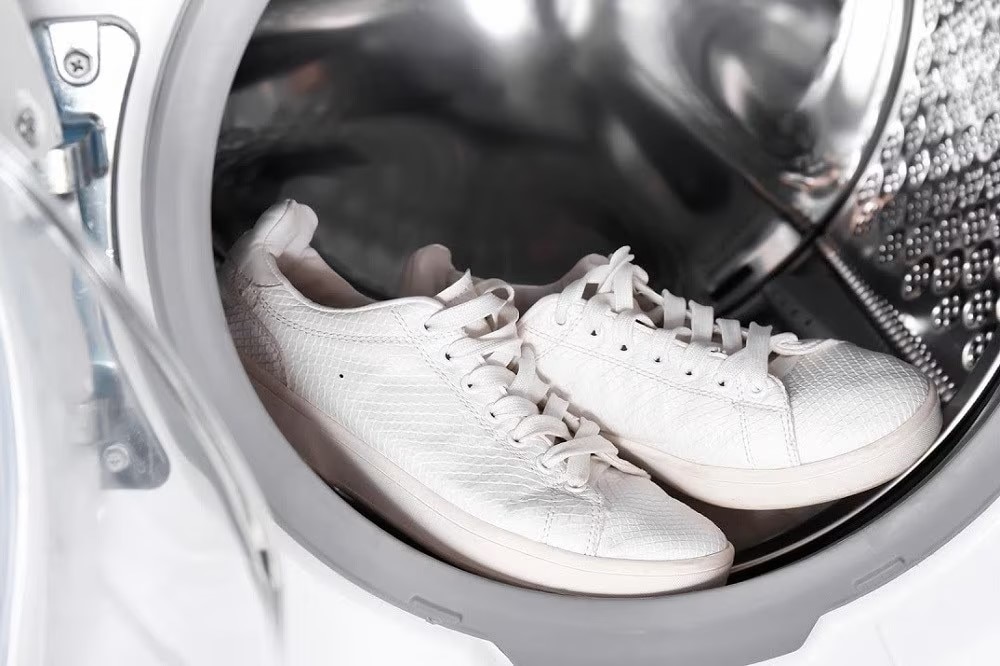
Here is the short, proven setup that works for most washable sneakers and trainers.
- Cycle: delicate or hand-wash for low agitation
- Water temperature: cold, 60–86°F (15–30°C)
- Spin speed: low, about 400–800 RPM
- Soil level: light to normal
- Rinse: one rinse; extra rinse if detergent residue is a concern
- Pre-wash: off for lightly soiled shoes; on for mud-caked pairs
- Load size: small; balance the load with two to four towels
Cold water protects glue bonds and foam. Heat above 104°F (40°C) can soften adhesives. Low spin protects eyelets and heel counters. Towels absorb impact and reduce drum noise. These settings answer what washer setting for shoes prevents damage yet removes dirt. They also align with brand care guides for mesh, knit, and canvas shoes.

Step-by-step: wash shoes in a machine safely
Follow this process to match the right setting with the right prep.
- Prep the shoes
- Remove laces and insoles. Hand wash insoles. They soak up water and dry slow.
- Brush off loose dirt. A dry brush or old toothbrush works.
- Spot-treat stains with a small drop of liquid detergent.
- Bag and balance
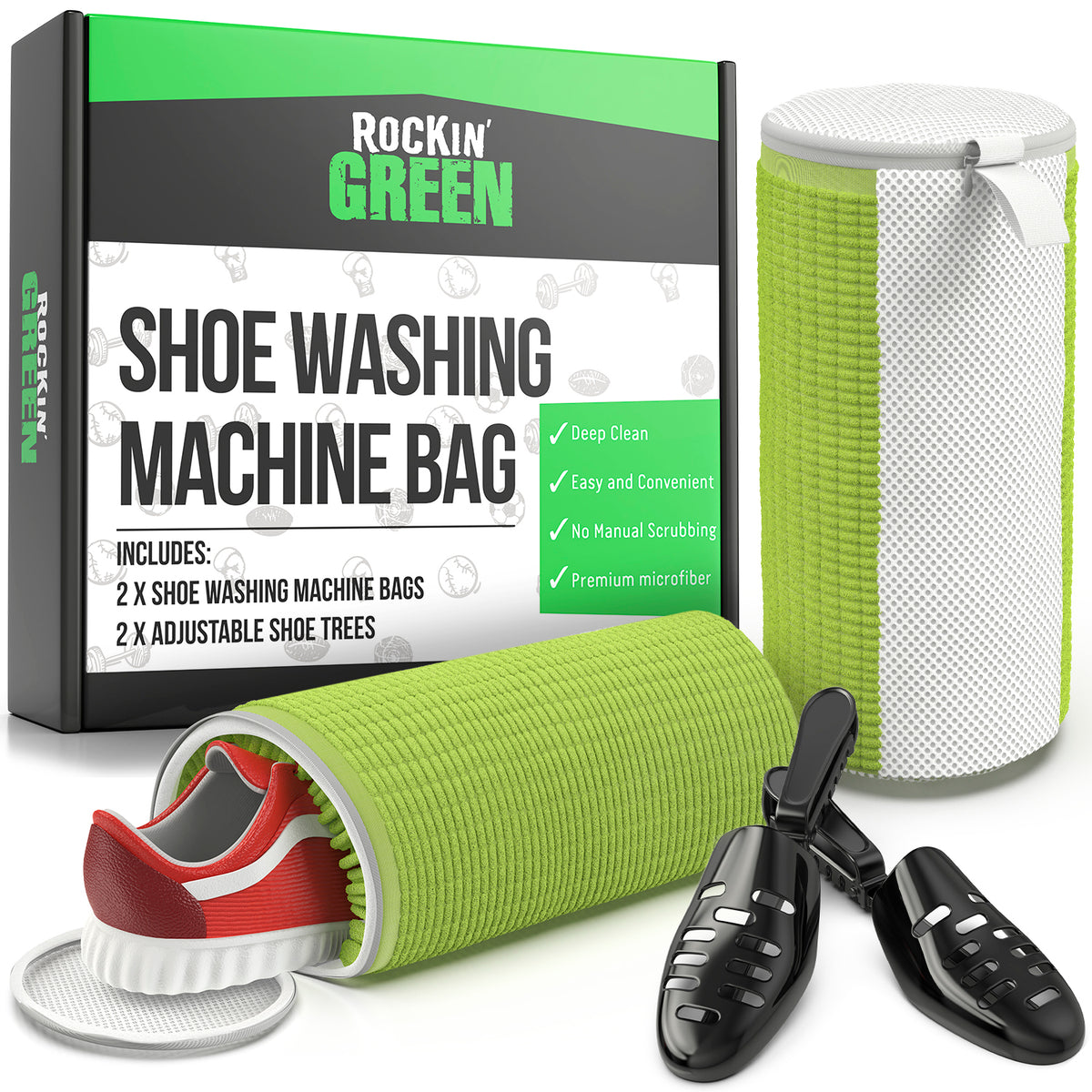
- Place shoes in a mesh laundry bag. Laces can go in a small bag too.
- Add two to four old towels to protect shoes and balance the drum.
- Set the washer
- Choose delicate or hand-wash cycle.
- Select cold water.
- Set spin to low.
- Keep soil level light to normal.
- Use 1 to 2 teaspoons of liquid detergent. Avoid powder and heavy doses.
- Run and check
- Start the cycle. Pause after a few minutes to make sure shoes are tumbling, not slamming.
- If you see soap suds trapped in mesh, add an extra rinse.
- Dry the right way
- Do not use the dryer. Heat can warp midsoles.
- Stuff shoes with paper or clean cloth. Change stuffing every few hours.
- Dry in a shaded, breezy spot.
This full flow is my baseline answer to what washer setting for shoes works at home. It is simple, low risk, and effective for daily grime and odor.
:max_bytes(150000):strip_icc()/GettyImages-2237240876-c163d2426f1341e58d569e088fc3deaf.jpg)
Settings by material and use case
Different uppers call for slight changes. Use this chart-style guidance when you pick what washer setting for shoes is right for your pair.
Canvas and cotton
- Cycle: delicate
- Temp: cold
- Spin: low to medium
- Notes: reshaping while damp helps avoid creases
Engineered mesh and knit
- Cycle: delicate or hand-wash
- Temp: cold
- Spin: low
- Notes: bag is a must; extra rinse clears soap from knit
Synthetic leather overlays with mesh
- Cycle: delicate
- Temp: cold
- Spin: low
- Notes: spot-treat overlays to avoid repeated scrubbing in the drum
Performance running shoes with foam midsoles
* Cycle: delicate
- Temp: cold
- Spin: low
- Notes: avoid long cycles; excess spin can deform heel cups
Trail shoes with heavy mud
- Cycle: delicate with pre-wash on
- Temp: cold
- Spin: low
- Notes: knock off dried mud first; clean out grit from outsoles
Court shoes with leather uppers
- Do not machine wash. Hand clean with a damp cloth and a mild cleaner.
Suede or nubuck
- Do not machine wash. Use a suede brush and targeted cleaner only.
Wool sneakers
- Cycle: wool or hand-wash if your washer lists it
- Temp: cold
- Spin: low
- Notes: use wool-safe detergent; reshape while damp
If you are unsure what washer setting for shoes made from blends is best, favor the gentle side. A delicate cycle and cold water are safe defaults.

Washer type matters: front-load vs top-load
Front-load washers are kinder to shoes. The tumbling action is smooth and uses less water. Top-load machines with center agitators can be harsh. If you have a top-loader, always use a mesh bag and extra towels. Place shoes opposite each other to balance.
High-efficiency models often have a speed range you can set. Pick the lowest spin that still extracts enough water. If your machine has a Sportswear or Activewear cycle, compare its agitation to delicate. Use the gentler option. This choice tightens your control over what washer setting for shoes is ideal for your unit.

Detergent, add-ons, and what to avoid
Use a small dose of liquid detergent. Too much soap leaves residue and stiff fabric. For odor, add a half cup of white vinegar to the fabric softener slot. It helps neutralize smells and rinses clean.
Skip fabric softener. It can coat mesh and reduce breathability. Avoid bleach on color shoes. It can yellow midsoles and weaken fibers. I also avoid stain pens with solvents on foam. They can pit the surface. Remember, the setting is only half the answer to what washer setting for shoes should be; product choice matters too.
Drying and post-wash care
Air dry only. Heat from a dryer or radiator can warp midsoles and unglue foxing. Speed up air dry with moving air. A fan is ideal. Keep out of direct sun to avoid yellowing and shrink.
While damp, insert shoe trees or paper to hold shape. Clean and relace laces. Reinsert insoles only when both shoe and insole are fully dry. For water protection, add a fabric-safe spray once dry. These small steps finish the job that starts with what washer setting for shoes you pick.
Common mistakes and how to fix them
Shoes banging in the drum
- Cause: no towels or bag
- Fix: add two to four towels and a mesh bag
Yellowed soles after wash
- Cause: heat or sun during dry
- Fix: use shade and cold wash next time; try a gentle sole cleaner
Still smelly after wash
- Cause: old sweat in insoles or midsole foam
- Fix: hand wash insoles; add vinegar to rinse; air out longer
Frayed laces and loose eyelets
- Cause: high spin or harsh cycle
- Fix: use low spin and delicate cycle; bag laces
Soapy feel on mesh
- Cause: too much detergent
- Fix: run one extra cold rinse; use less next time
These fixes work because they align process and settings. When people ask what washer setting for shoes they should use to avoid noise, warping, or smell, the real win is a gentle cycle, cold water, low spin, and the right load balance.
Frequently Asked Questions of what washer setting for shoes
Can I wash leather shoes in the machine?
No. Leather can dry out, crack, and lose shape. Hand clean with a damp cloth and a leather cleaner, then condition.
Should I use warm water for heavy stains?
Use cold water. Warm water can set stains and soften glue. Pre-treat stains and use an extra rinse instead.
How many towels should I add with my shoes?
Add two to four towels. They cushion the shoes and balance the load to reduce banging and wear.
Is it safe to wash shoes in a top-load washer?
Yes, with care. Use a mesh bag, add towels, pick delicate, and set a low spin to limit agitation.
How long do shoes take to air dry?
Most shoes dry in 12–24 hours. Speed it up with a fan, fresh paper stuffing, and a shaded, breezy spot.
Will a delicate cycle clean very muddy shoes?
Yes, if you prep first. Knock off mud, pre-rinse or pre-wash on cold, then run delicate with low spin.
Can I use baking soda for odor?
Yes. Sprinkle inside and let it sit for a few hours before washing. It helps neutralize smells.
Conclusion
You now have a clear, proven answer to what washer setting for shoes works best. Choose delicate or hand-wash, use cold water, set a low spin, bag the shoes, and balance the load with towels. Air dry with shape support, and your sneakers will look clean and feel right.
Try this method on your next wash day and note the results. Adjust spin and rinse to match your machine and material. If this guide helped, share it with a friend, subscribe for more care tips, or leave a comment with your own results.