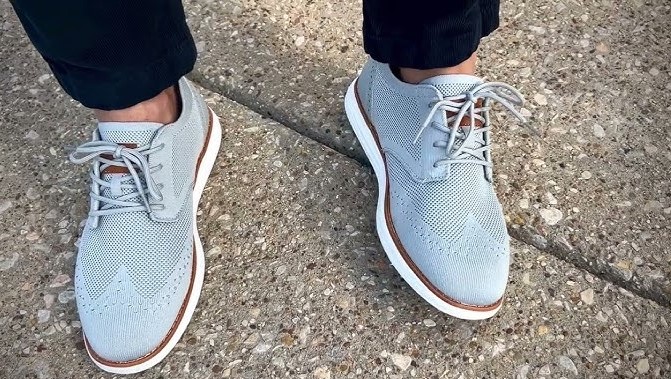
Whats The Collar Of The Shoe [Fit, Function, And Style]
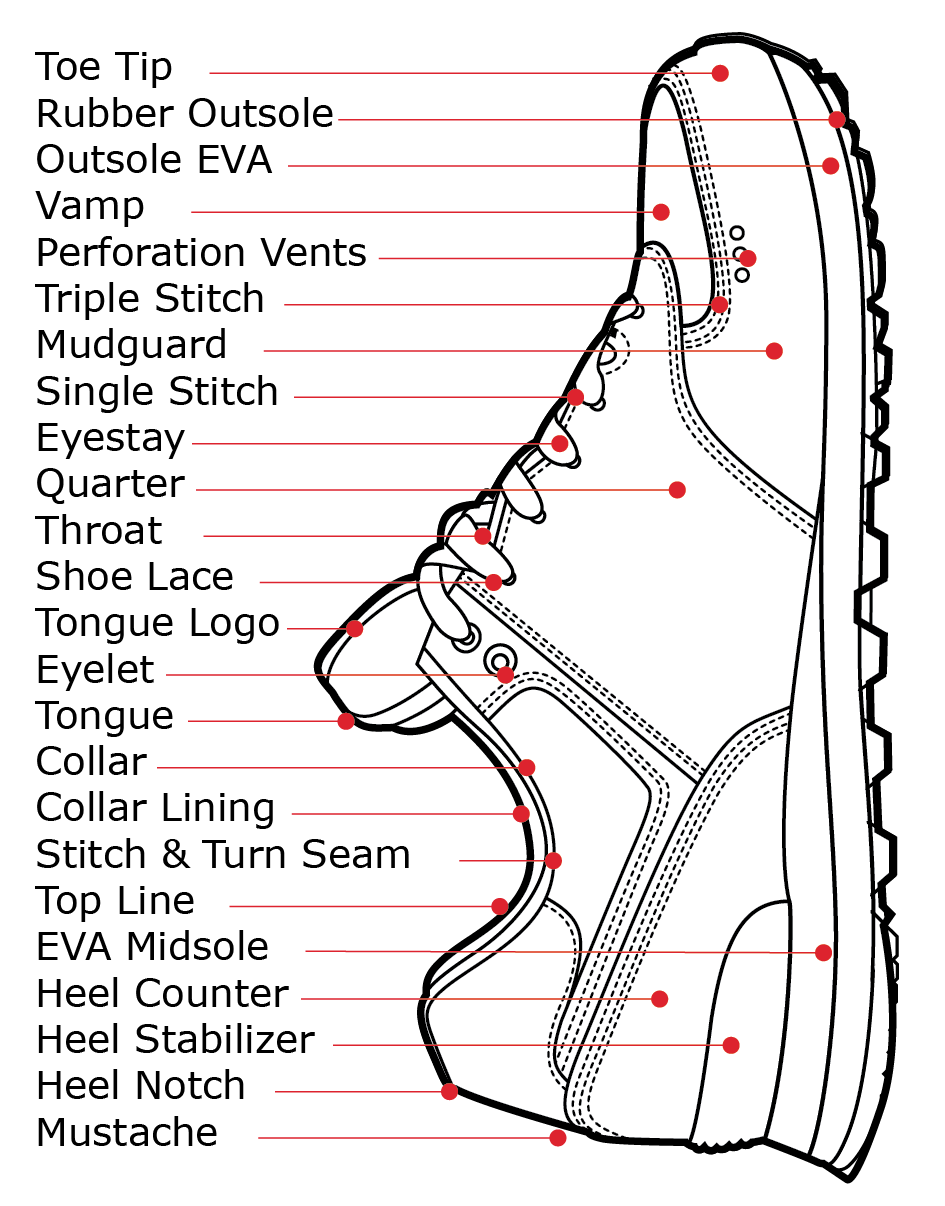
The collar is the padded edge around the shoe opening that hugs your ankle.
If you came here asking whats the collar of the shoe, you’re in the right place. I’ve fitted thousands of pairs in run shops and boot rooms, and the collar can make or break your comfort. This guide explains whats the collar of the shoe, why it matters, how it affects fit, and how to choose the right style for your feet and your sport.
The shoe collar explained
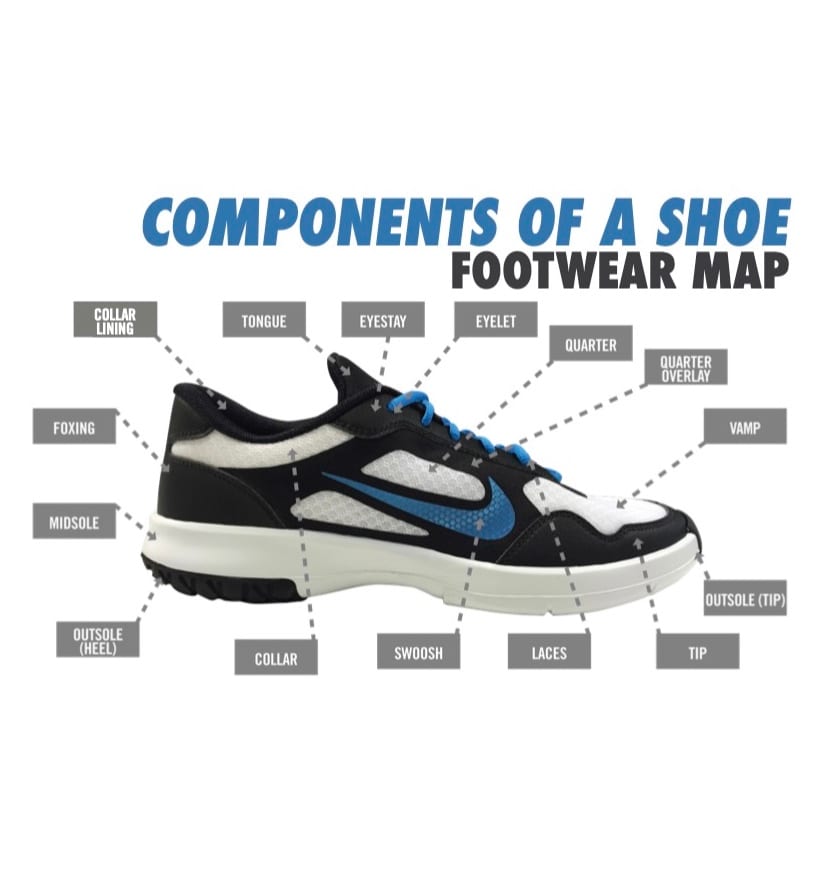
The shoe collar is the rim of material circling the opening where your foot enters. Many call it the topline or ankle collar. It often has foam, fabric, or knit that wraps the ankle to add comfort and hold.
In practice, the collar works with the heel counter and tongue to lock your heel down. When people ask whats the collar of the shoe, they usually mean the padded part that can rub, protect, or stabilize the ankle. In dress shoes the collar can be lean. In athletic shoes it can be plush and shaped.
Why the collar matters for fit and health
A dialed-in collar reduces heel slip. Less slip means fewer blisters and better control. Research in footwear biomechanics links excess rearfoot motion to skin shear and hot spots.
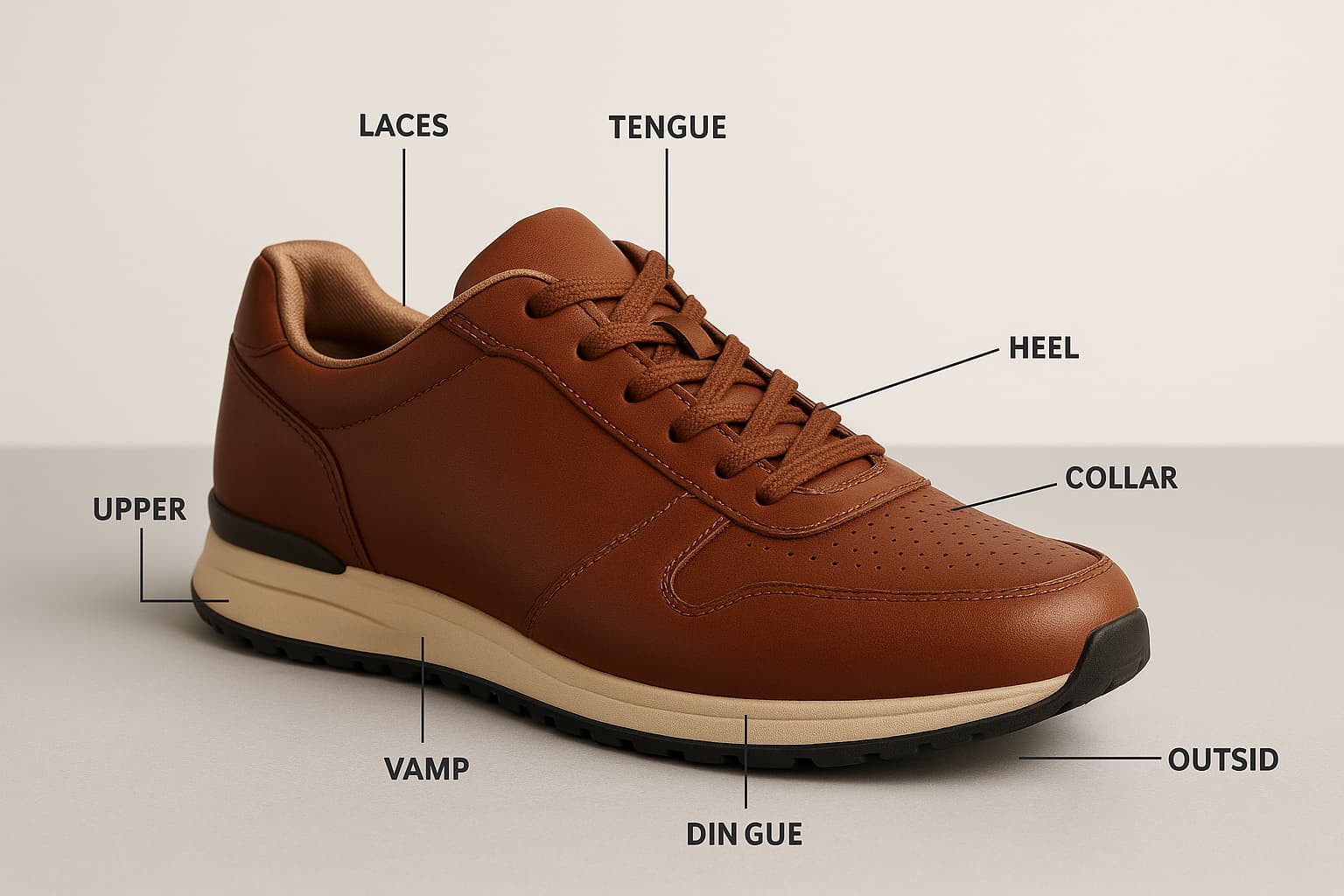
A stable collar also supports the Achilles and ankle bones. It spreads pressure so one small area does not take the hit. If you wonder whats the collar of the shoe doing during motion, think of it as the seat belt for your heel.
Parts, shapes, and profiles
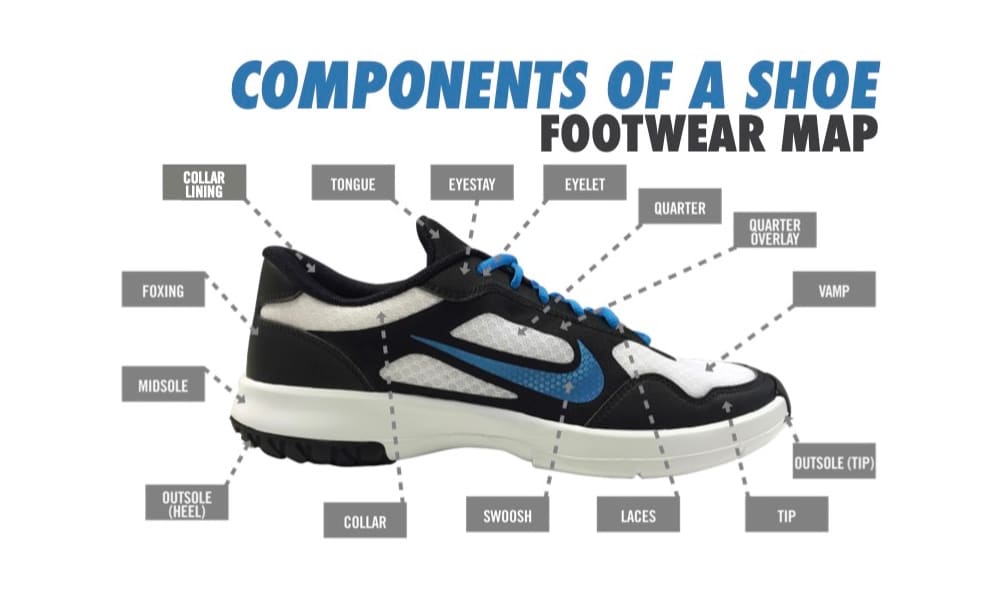
The collar is not one simple piece. It has parts and shapes:
- Collars and features
- Achilles notch: A V-shaped dip that relieves pressure on the tendon.
- Heel pods: Small foam pads that cup the heel bone.
- Asymmetric cut: Lower on the outside ankle, higher on the inside for support.
- Integrated bootie: A one-piece knit or mesh sleeve that replaces a loose tongue.
Collar height profiles:
- Low collar: More freedom, lighter weight, less coverage.
- Mid collar: Balanced coverage for training and court sports.
- High collar: More ankle coverage for hiking, skating, or support.
Knowing these helps answer whats the collar of the shoe made to do for your specific need.
Materials and padding
Common collar materials include mesh, microfiber, leather, or knit. Inside you may find EVA foam, PU foam, memory foam, or sculpted pods. Smooth liners help reduce friction.
What you feel is compression and rebound. Softer foam feels cozy at first, but it can pack out faster. Denser foam holds shape longer. If you ask whats the collar of the shoe made from, expect a mix: tough outer fabric for wear and soft inner foam for comfort.

How to choose the right collar for your foot
Feet and ankles vary. So should collars. Use these pointers:
- Sensitive Achilles: Look for a deep Achilles notch and softer foam.
- Narrow heels: Seek sculpted pods or a snug knit bootie.
- Wide heels or orthotics: Choose a wider opening and moderate padding.
- High ankle bones: Consider an asymmetric collar that sits lower on the outside.
By activity:
- Running: Smooth liner, moderate padding, firm heel hold.
- Basketball and tennis: Slightly higher collar with structure for cuts.
- Hiking: Higher collar, padded, with a solid heel counter.
- Work boots: Durable collar with thick, moisture-wicking liner.
This is the practical side of whats the collar of the shoe. Match shape and foam to your foot and job.
Fit testing and lacing adjustments
Use these quick steps in the store:
- Wear the socks you use most.
- Slide the shoe on using a shoehorn if needed.
- Do the heel kick test: Tap the heel to the ground; it should not lift much.
- Pinch test: You should not pinch loose liner above the heel.
- Walk and jog: No rubbing at the Achilles or ankle bones.
Lacing tips:
- Runner’s loop: Use the top eyelets to make a heel lock and cut slip.
- Skip-eyelet: Skip the eyelet near a hot spot to move pressure.
- Parallel lacing: Spreads pressure for sensitive tendons.
As a fitter, I learned that a simple runner’s loop fixes most heel slip without swapping sizes. If someone asks me, whats the collar of the shoe doing during lacing, I say it gives the laces something stable to hold your heel against.

Maintenance and care
Treat the collar well and it will last longer:
- Air-dry after use. Heat breaks down foam fast.
- Clean with mild soap and a soft brush. Rinse and blot dry.
- Use a shoehorn to prevent crushing the collar.
- Rotate pairs so foam rebounds between wears.
If the inside liner pills or tears, use heel liner patches. They add grip and save the foam. Keeping up on care is a quiet answer to whats the collar of the shoe needs to stay comfy.

Common issues and fixes
Problems and fixes you can try today:
- Blisters at the heel: Add a runner’s loop, try grippy socks, or apply moleskin.
- Achilles rub: Choose a deeper notch, soften the edge with felt pads, or switch models.
- Collar bite on ankle bones: Use asymmetric cuts, skip-eyelet lacing, or a lower profile.
- Heel slip: Thicker socks, heel lock lacing, or a narrower last.
Avoid heat molding at home. Foam can deform. If a collar is wrong for you, an exchange is often best. When people message me “whats the collar of the shoe doing to cause pain,” it is often height or foam density, not size.
Use cases by activity
Match collar design to your sport:
- Road running: Moderate padding, smooth fabric, secure heel.
- Trail running: Slightly higher collar to block debris.
- Basketball: Structured mid collar with firm padding for lateral hold.
- Soccer: Low, slim collar for ankle mobility and touch.
- Hiking: High, padded collar with tough liner for long treks.
- Skate: Thick, durable collar with strong heel counter.
- Everyday wear: Soft liner, easy on-off, breathable material.
Each of these answers a version of whats the collar of the shoe needed for performance and comfort.
Sustainability and lifespan
Foam breaks down with time and sweat. Expect plush collars to feel looser after 300–500 miles of running or a season of daily wear. Denser foam lasts longer but may feel firm.
Look for recycled linings, bio-based foams, and repairable heel liners. When people ask whats the collar of the shoe lifespan, I say watch for wrinkled foam, heel slip that was not there, and rough liners.
Buying checklist
Run through this quick list before you buy:
- No heel slip during walk and jog.
- No pressure on Achilles or ankle bones.
- Smooth liner that does not grab your socks.
- Enough but not excess padding.
- Shape and height match your sport.
- Works with your socks and any orthotics.
Use this as your field guide to answer your own whats the collar of the shoe test in store.
Frequently Asked Questions of whats the collar of the shoe
Is the collar the same as the heel counter?
No. The heel counter is the stiff shell inside the heel. The collar is the soft rim that touches your ankle.
How tight should the collar feel?
It should feel snug but not pinch. You want contact without pain and no heel lift while walking.
Can I fix heel slip without changing size?
Yes. Try a runner’s loop, grippy socks, or a heel liner patch. These small tweaks often lock the heel down.
Whats the collar of the shoe made from?
Most collars use foam like EVA or PU with a fabric or knit liner. Premium pairs may add sculpted pods for a custom feel.
Why does the collar rub my Achilles?
The collar may be too high, too stiff, or the notch is too shallow. Try a model with a deeper notch or softer foam.
Do dress shoes have a collar?
Yes, but it is thinner and lower. It focuses on a clean edge and gentle grip rather than plush padding.
Whats the collar of the shoe best for running?
Look for moderate padding, a smooth liner, and a secure heel with a runner’s loop. Test on a short jog in the store.
Conclusion
The collar is small, but it shapes your whole ride. Choose the right height, shape, and foam, and you cut blisters, boost control, and feel great mile after mile. Use the tests and tips here, and the next time someone asks whats the collar of the shoe, you will know how to pick the perfect one for your feet and sport.
Ready to level up your fit? Try these checks in-store, compare a few models, and share your results. Subscribe for more gear guides, or drop a comment with your collar wins and woes.