

What Is A Trekking Shoe? Essential Guide 2026
A trekking shoe is a sturdy, grippy hiking shoe made for uneven, rugged terrain.
If you have asked yourself what is a trekking shoe and why it matters, you are in the right place. I’ve fitted hikers on busy shop floors, tested shoes on wet alpine roots, and learned what works the hard way. Below, I break down the gear, the science, and the small details that help your feet stay safe and strong on the trail.
Understanding what is a trekking shoe
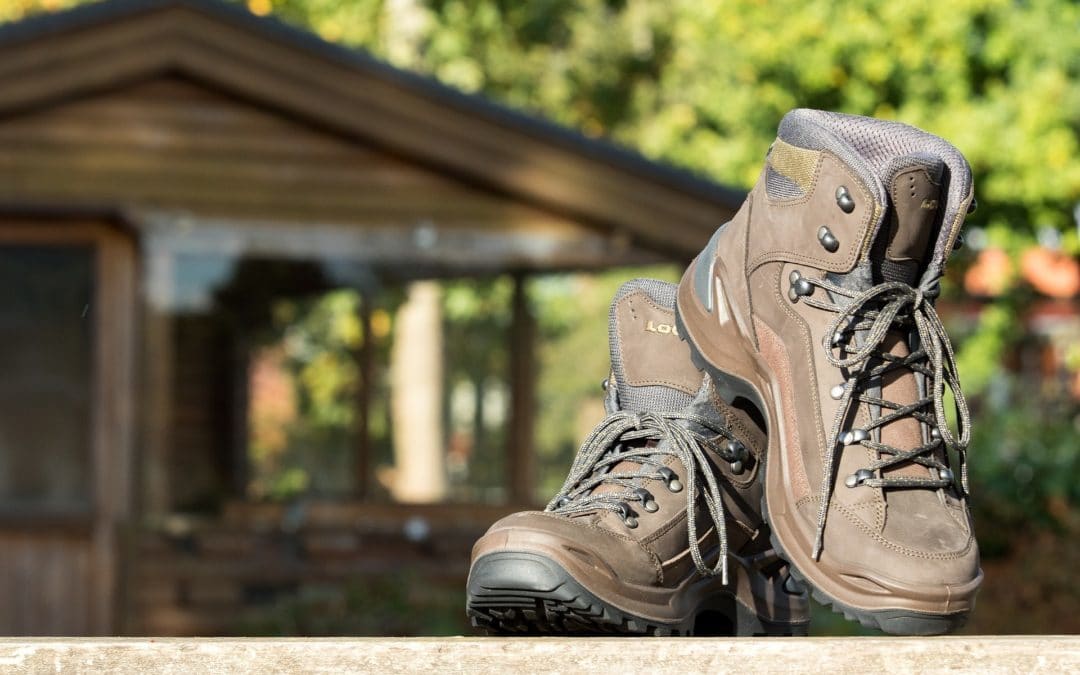
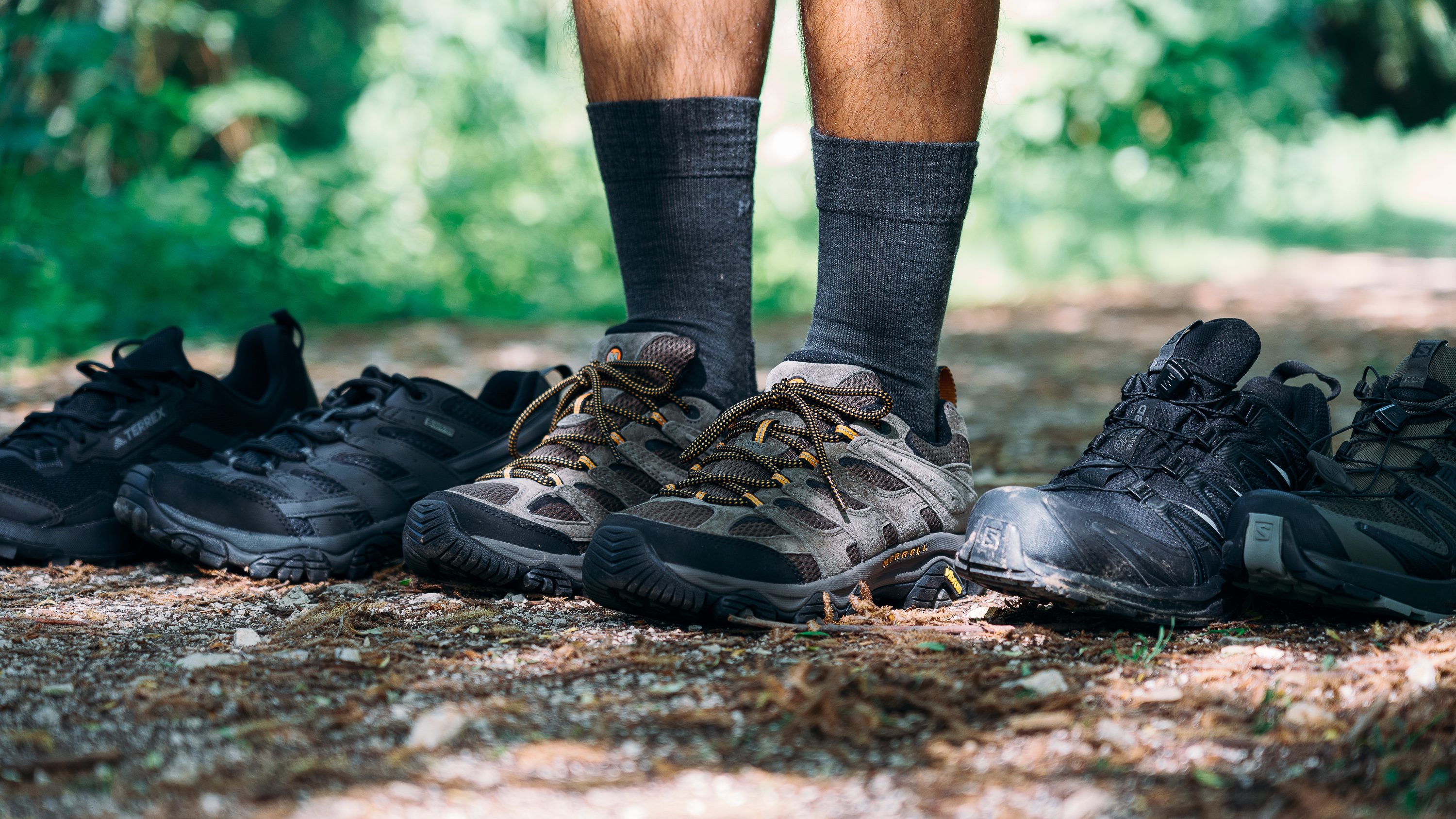
A trekking shoe is a low or mid-cut outdoor shoe built for trail travel. It blends grip, support, and protection in a lighter package than a full boot. It is firmer and tougher than a runner, yet more agile than a mountaineering boot.
Many beginners search what is a trekking shoe because names can be confusing. Compared with sneakers, it has a rugged outsole, a stable midsole, and a toe cap. Compared with a hiking boot, it is lighter and cooler, with less ankle coverage but solid underfoot support.
In short, if you want day hikes, multi-day treks, or travel on mixed trails, a trekking shoe offers a sweet spot. When people ask what is a trekking shoe for real-world use, I say it is the one shoe you can hike, scramble, and travel in without babying your feet.

Anatomy and materials of a trekking shoe
Knowing the parts helps you buy right and care well. When hikers ask what is a trekking shoe at a technical level, I walk them through these components.
Upper
The upper wraps your foot and adds protection.
- Leather: Durable and supportive. Breaks in slower. Resists abrasion well.
- Mesh or knit: Light and breathable. Dries fast but may wear faster.
- Synthetic blends: Balance of durability, weight, and cost.
Midsole
This is the cushion and support layer.
- EVA foam: Light and soft. Great for long days. Can pack out faster.
- PU foam: Firmer and durable. Better for heavy loads and rocky trails.
- Plates or shanks: Add torsional stability and rock protection.
Outsole
Grip comes from rubber and lugs.
- Rubber compounds: Softer rubbers grip wet rock. Harder rubbers last longer.
- Lug design: Deeper lugs bite into mud. Tight, sharp lugs edge on rock.
- Heel brake: Helps control downhill speed.
Last and fit
The last is the foot shape the shoe is built on.
- Heel pocket: Should be snug to reduce slip.
- Midfoot wrap: Holds the arch and locks the foot.
- Toe box: Enough room to splay and swell without pressure.
Protection features
- Toe cap: Guards against stubs and cuts.
- Heel counter: Adds rear-foot stability.
- Rand: A rubber wrap that resists abrasion.
Weather control
- Waterproof-breathable membranes: Keep rain out, vent sweat slowly.
- Non-waterproof mesh: Best breathability and fast dry times.

Types of trekking shoes and when to use them
Different trails call for different tools. If you still wonder what is a trekking shoe for your goals, match type to terrain.
By cut
- Low-cut: Light and quick. Best for clear trails and fast hikes.
- Mid-cut: More ankle coverage and debris control. Good for light scrambles.
By weather
* Waterproof: Cool, wet, or shallow snow. Slower to dry if soaked.
- Non-waterproof: Hot, dry, and variable weather. Dries fast after creek crossings.
By purpose
- Approach-style: Sticky rubber and edging support for rock scrambles.
- Cushioned trekkers: Softer ride for long miles on mixed surfaces.
- Rugged trekkers: Stiff midsoles and deep lugs for steep, rocky routes.
Key features to look for
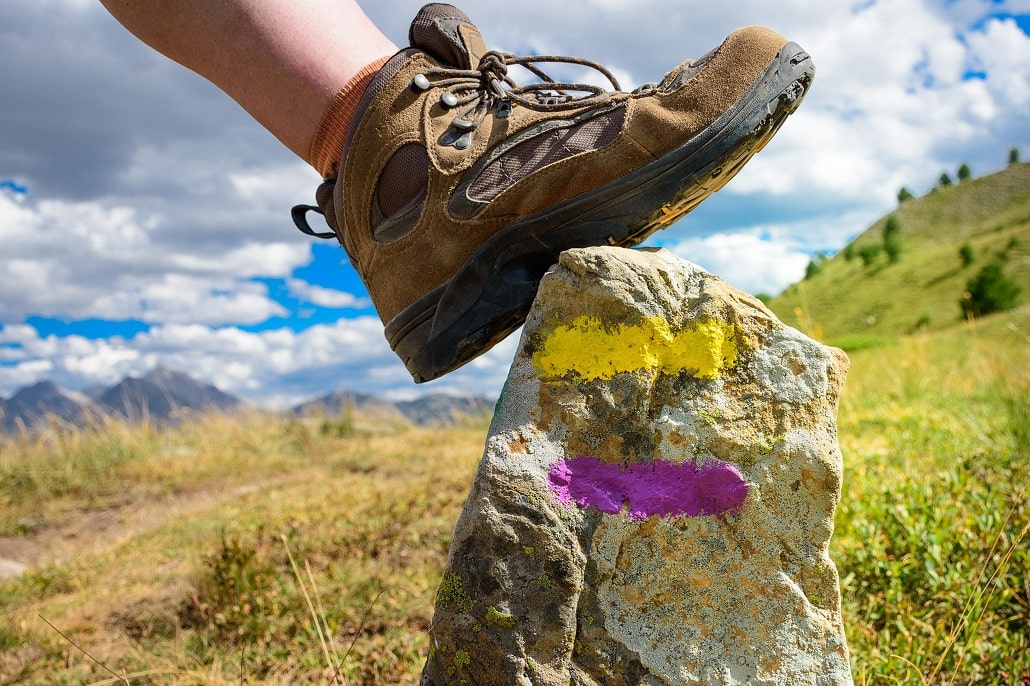
If your goal is to answer what is a trekking shoe that fits your needs, focus on these core traits.
- Traction: Grippy rubber and the right lug pattern for your soil and rock.
- Support: A stable midsole and a bit of torsional stiffness reduce fatigue.
- Fit: Snug heel, secure midfoot, room in the toes. No hot spots.
- Protection: Toe cap, firm heel, and a durable upper.
- Breathability or waterproofing: Choose for climate and trip style.
- Weight: Lighter feels lively. Heavier feels more stable on sharp rock.
- Durability: Reinforced wear zones, solid stitching, and quality rubber.

How to choose the right pair
Your choice should be simple and clear. If you are still asking what is a trekking shoe that will serve you best, use this quick plan.
- Define your terrain. Rock, roots, mud, or desert sand.
- Define your load. Daypack, weekend pack, or a heavy multi-day kit.
- Match weather. Waterproof for cold rain, airy mesh for heat.
- Try three pairs. Wear your hiking socks. Lace with a heel lock.
- Test on a ramp. Toes should not jam downhill. Heel should not lift uphill.
- Check length and width. Aim for a thumb’s width in front after feet swell.
- Walk for 10 minutes. Any rub now becomes a blister later.
Pro tip: If you need to ask store staff what is a trekking shoe for wide feet, bring your insoles or orthotics to the fit session.
Fit, sizing, and break-in tips
Good fit beats any feature list. The right shoe should disappear on the trail.
- Measure both feet at day’s end. Choose size for the larger foot.
- Wear socks you will hike in. Avoid thick socks that bunch.
- Lock the heel. Use the runner’s loop to stop slip.
- Aim for wiggle room. Toes should move without hitting the cap.
Break-in plan:
- Start with one-hour walks for two days.
- Add a loaded pack on day three.
- Hike a short, rough trail on day four.
- Tape any hot spot early to prevent blisters.
If you still wonder what is a trekking shoe that breaks in fast, look for softer EVA midsoles and mesh uppers. Leather needs more time but pays off in long-term support.
Care, maintenance, and lifespan
A little care adds months of life.
- Clean after muddy hikes. Use lukewarm water and a soft brush.
- Dry with airflow. Remove insoles. No direct heat.
- Refresh water repellency. Use a spray-on DWR on clean, dry uppers.
- Reproof leather with a light conditioner if needed.
- Inspect outsoles. When lugs are flat or edges round off, traction drops.
- Replace insoles every few months. It keeps the fit secure.
Most trekking shoes are hard to resole, but a few models allow it. Expect 400–800 miles based on terrain, load, and your gait.
Benefits and limitations versus boots and trail runners
It helps to compare to set clear expectations. This also sharpens the meaning of what is a trekking shoe in your kit.
Benefits:
- Lighter than boots. You move faster and tire less.
- Better protection than trail runners. You get toe caps and firmer midsoles.
- Versatile. Good for travel, day hikes, and light treks.
Limitations:
- Less ankle coverage than boots on deep scree.
- Heavier and stiffer than a pure trail runner.
- Waterproof versions can run warm in hot, humid weather.

Safety, health, and sustainability factors
Your feet and the planet matter.
Foot health:
- For plantar fasciitis, choose a supportive midsole and try a slight heel drop.
- For overpronation, look for a stable platform and a firm heel counter.
- For bunions, pick a wide toe box and soft upper panels.
Ankle support note:
- Research suggests strong underfoot stability and skillful footwork matter more than collar height for many hikers on trails. Train balance and use poles when needed.
Sustainability:
- Look for recycled meshes, PFC-free waterproofing, and leather from audited tanneries.
- Buy once, buy well. Good care cuts waste.
Field notes, lessons learned, and common mistakes
From years of fitting and trail testing, a few patterns stand out.
What worked:
- A mid-stiff PU/EVA blend midsole saved my feet on sharp limestone.
- Non-waterproof mesh shoes were a joy on hot desert treks and dried fast after slots.
Mistakes to avoid:
- Buying tight. Feet swell on hot days and steep descents.
- Skipping the ramp test. Downhill toe bang ruins nails.
- Wearing cotton socks. They hold sweat and fuel blisters.
When friends ask me what is a trekking shoe that feels right on day one, I point them to models with a soft upper, a rock plate, and a simple, secure lacing system.
Frequently Asked Questions of what is a trekking shoe
What is a trekking shoe vs a hiking boot?
A trekking shoe is lighter, cooler, and usually low-cut, while a hiking boot adds height and stiffness. Choose a boot for heavy loads and loose scree, and a shoe for speed and mixed trails.
Are trekking shoes good for everyday use?
Yes, many people wear them for travel and long city walks. The grip and support help on slick streets and stairs, though the lugs can feel firm on flat floors.
Do I need waterproof trekking shoes?
Choose waterproof if you hike in cold rain or shallow snow. Pick non-waterproof for heat, stream crossings, and quick dry times.
How should a trekking shoe fit?
You want a snug heel, secure midfoot, and room to wiggle toes. Aim for a thumb’s width of space in front after your feet swell.
How long do trekking shoes last?
Most last 400–800 miles, based on terrain, load, and gait. Replace when lugs flatten, midsoles feel dead, or the upper separates.
Can I use trekking shoes for backpacking?
Yes, for light to moderate loads on maintained trails. For very heavy loads or rough off-trail travel, consider a stiffer boot.
Do trekking shoes prevent ankle sprains?
No shoe can prevent all sprains. Good underfoot stability, strong ankles, poles, and careful steps reduce risk more than collar height alone.
Conclusion
A trekking shoe blends grip, support, and protection into a light, agile package for real trails. It sits between a boot and a runner, giving you the best of both when chosen and fitted well. Focus on terrain, load, fit, and care, and you will hike farther with fewer foot issues.
Ready to choose your pair? Use the steps above on your next store visit, test three options, and share what worked for you. Subscribe for more gear guides, or leave a comment with your trail plans and I’ll help you dial in the right shoe.


