

Whats The Difference Between Men And Women Shoe Size? Shoes Blast
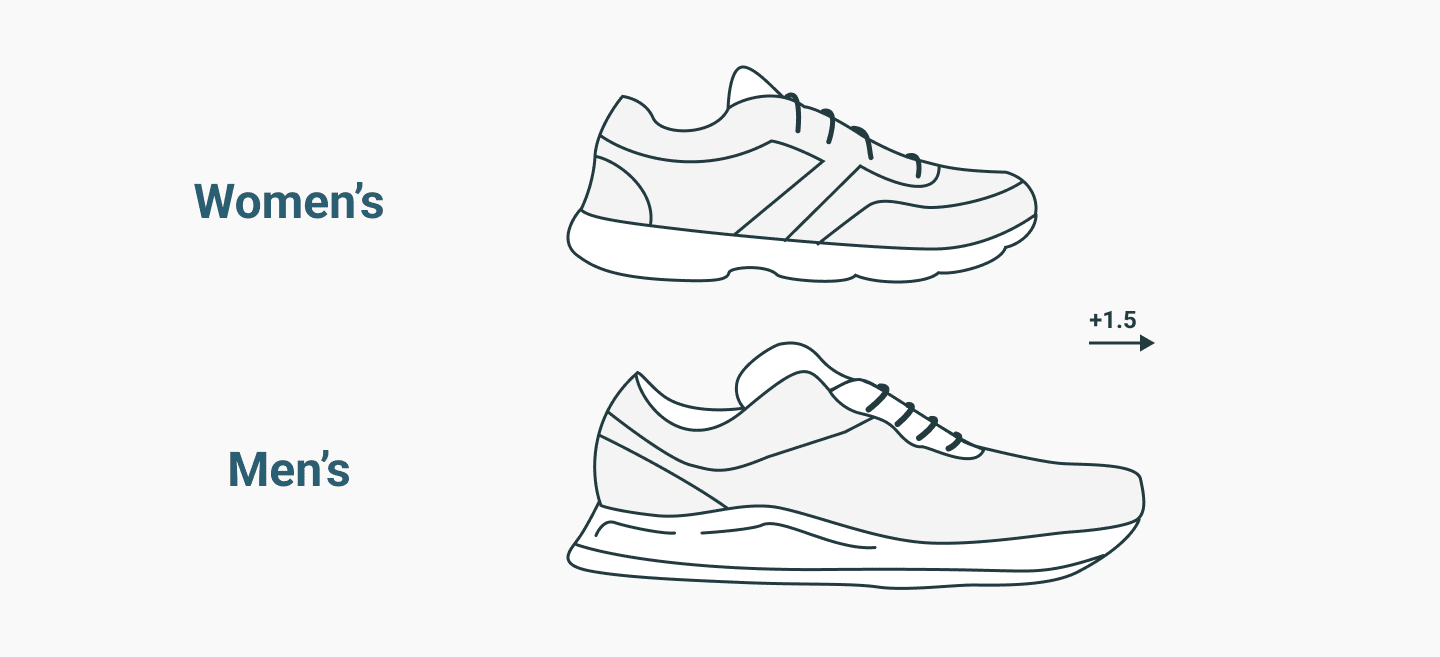
Men’s and women’s sizes differ by about 1.5 in length and width.
If you have ever wondered whats the difference between men and women shoe size, this guide breaks it down with clear steps, real fit tips, and expert insight. I have measured thousands of feet and tested hundreds of pairs. You will learn how sizing works, why lasts differ, and how to convert with confidence.

How shoe size systems work
Shoe sizing is a scale, not a promise. Different regions use different scales.
- US sizing uses separate scales for men and women. Men’s US 8 is not the same as women’s US 8.
- UK sizing is like US but runs about one size down. Conversions still vary by brand.
- EU sizing is unisex numbers like 40 or 41. Half sizes are rare.
- Mondopoint measures the foot in millimeters. It is common for ski, skate, and some work boots.
Sizes map to foot length. The Brannock Device sets this in most US stores. Width is a second scale. It uses letters like B, D, and EE. Brands also pick a last shape. That last affects fit more than the number on the box.
If your search is whats the difference between men and women shoe size, start by knowing the scale you use, the width you need, and the last shape that fits your foot.
The core differences between men’s and women’s shoe sizes
Here is the short list most shoppers need.
- Length offset. In the US, women’s sizes run about 1.5 numbers higher than men’s. A men’s 8 fits like a women’s 9.5, give or take half a size by brand.
- Width default. Most men’s shoes are D width by default. Most women’s shoes are B width by default.
- Width options. Women’s widths often run from 2A (narrow) to D (wide). Men’s widths often run from B (narrow) to EE or EEE (wide and extra wide).
- Volume and shape. Women’s lasts tend to be narrower at the heel, with less overall volume. Men’s lasts allow more volume, especially in the midfoot.
This is the heart of whats the difference between men and women shoe size. It is not just the length number. It is the width letter and the last shape too.
Why brands build different lasts for men and women
Feet differ by averages, not rules. Podiatry data shows women often have a narrower heel-to-forefoot ratio. Men often have more midfoot volume. Brands design to these trends.
Common design shifts include:
- Heel fit. Women’s shoes often have a tighter heel pocket to reduce slippage.
- Instep height. Men’s models may add volume over the instep for comfort.
- Arch support. Women’s models may shift arch placement for a shorter heel-to-ball length.
- Toe box. Women’s versions may taper faster. Some performance shoes keep a similar toe box across genders.
These design moves explain alot of whats the difference between men and women shoe size when two shoes list the same number but feel very different on foot.
Converting sizes across genders and regions
Here is a simple way to convert when you shop.
- US length:
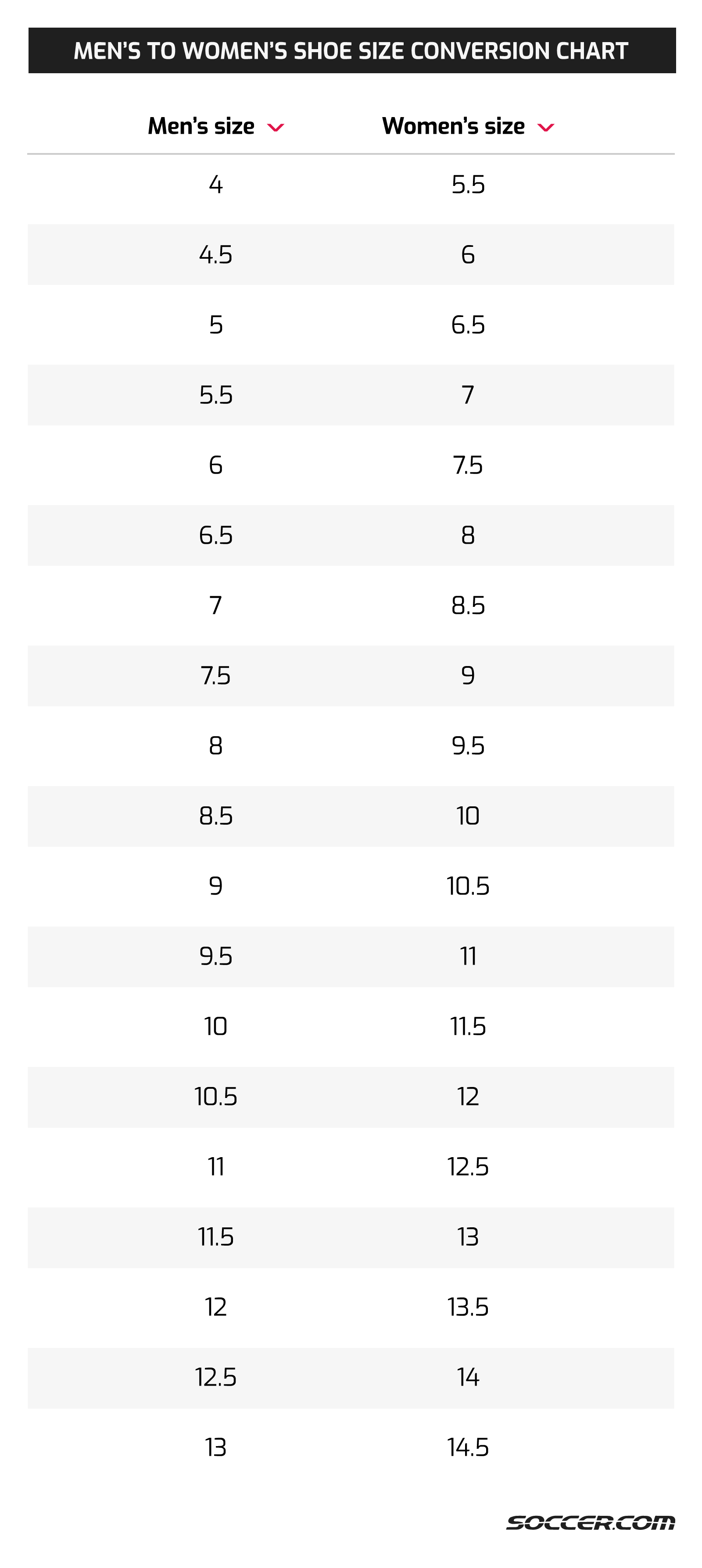
- Men to women: add about 1.5. Men’s 8 ≈ women’s 9.5.
- Women to men: subtract about 1.5. Women’s 10 ≈ men’s 8.5.
- Width:
- If moving from women to men, go one width narrower to match feel. Women’s D ≈ men’s C or B in some brands.
- If moving from men to women, go one width wider to match feel. Men’s D ≈ women’s E or D depending on brand.
- UK and EU:
- Use brand charts. UK often sits one size below US men. EU is a single number but shapes still differ.
Always check the brand’s own chart. Length offsets can shift by half a size. That can be the difference between snug and perfect. This is key to solving whats the difference between men and women shoe size when you buy online.
Fit tips when you buy across the aisle
I often fit runners and hikers who cross from men’s to women’s models or the other way. Here is what works.
- Prioritize width. A D-width foot in women’s lines may do better in men’s D or unisex models.
- Watch heel slip. If your heel lifts in a men’s shoe, try a women’s version or use a runner’s loop lace.
- Check volume. High instep or orthotics often fit better in men’s lasts or in wide versions.
- Try unisex. Some brands list unisex in men’s sizing. Convert length, then dial width.
- Test at day’s end. Feet swell. Fit then to avoid shoes that feel tight later.
These steps help answer whats the difference between men and women shoe size in practice, not just on paper.

Common mistakes and how to avoid them
These errors drive most returns I see.
- Matching only the number. A women’s 9.5 is not a men’s 9.5. Convert first.
- Ignoring width. Width letters matter as much as length.
- Skipping brand charts. Each brand tweaks its last. Check the chart every time.
- Forgetting purpose. Running shoes need thumb-width toe room. Dress shoes do not.
- Not measuring. Measure both feet. Fit the larger foot.
Avoid these and you will not have to ask again whats the difference between men and women shoe size when you order your next pair.
Field notes from fittings and returns
Some quick stories from the floor.
- Trail runner example. A woman with a strong forefoot splay kept blowing out women’s B-width uppers. We moved her to the same model in men’s D and dropped 1.5 in length. The shoe lasted a full season.
- Office shoe example. A man with a narrow heel had constant slippage in men’s loafers. A women’s equivalent in wide width solved the heel hold without crushing the toes.
- Work boot example. A technician with high insteps could not seat orthotics in women’s steel-toes. Men’s wide gave enough volume and the right arch placement.
Real use shows whats the difference between men and women shoe size is about more than a chart. It is about shape, support, and day-long comfort.
Frequently Asked Questions of whats the difference between men and women shoe size
Is women’s size 10 the same as men’s size 10?
No. In US sizing, women’s 10 is about men’s 8.5. Always convert by about 1.5 sizes, then check brand charts.
Can women wear men’s running shoes?
Yes, if the length and width match. Convert length by 1.5 and adjust width to prevent heel slip or toe squeeze.
Why do women’s shoes feel tighter in the heel?
Women’s lasts often have a narrower heel for better lock. That design reduces slippage but can feel snug.
Are EU sizes the same for men and women?
EU numbers are unisex, but lasts still differ. A EU 40 in men’s and women’s can feel different in width and shape.
How do I pick width when switching from women’s to men’s?
If you wear women’s D, try men’s B or C where offered. The goal is to match actual foot width and volume.
Conclusion
The key difference is simple: about 1.5 sizes in length and a default width shift, backed by different last shapes. When you ask whats the difference between men and women shoe size, think number, letter, and shape. Convert the length, match the width, and pick the right last for your foot.
Use the tips above on your next buy. Measure, convert, and test at day’s end. Subscribe for more fit guides, or leave a comment with your size and model, and I will help you dial it in.


