

Which Shoes Are Good For Walking? [2026 Buyer’s Guide]
Shoes with secure fit, firm heel, flexible forefoot, and cushioned midsole.
Choosing which shoes are good for walking can change your day and protect your body. In this guide, I will show you how to judge build, fit, and function with clear, simple checks. I test shoes weekly with walkers of all ages and needs. If you want a trusted answer on which shoes are good for walking, you are in the right place.
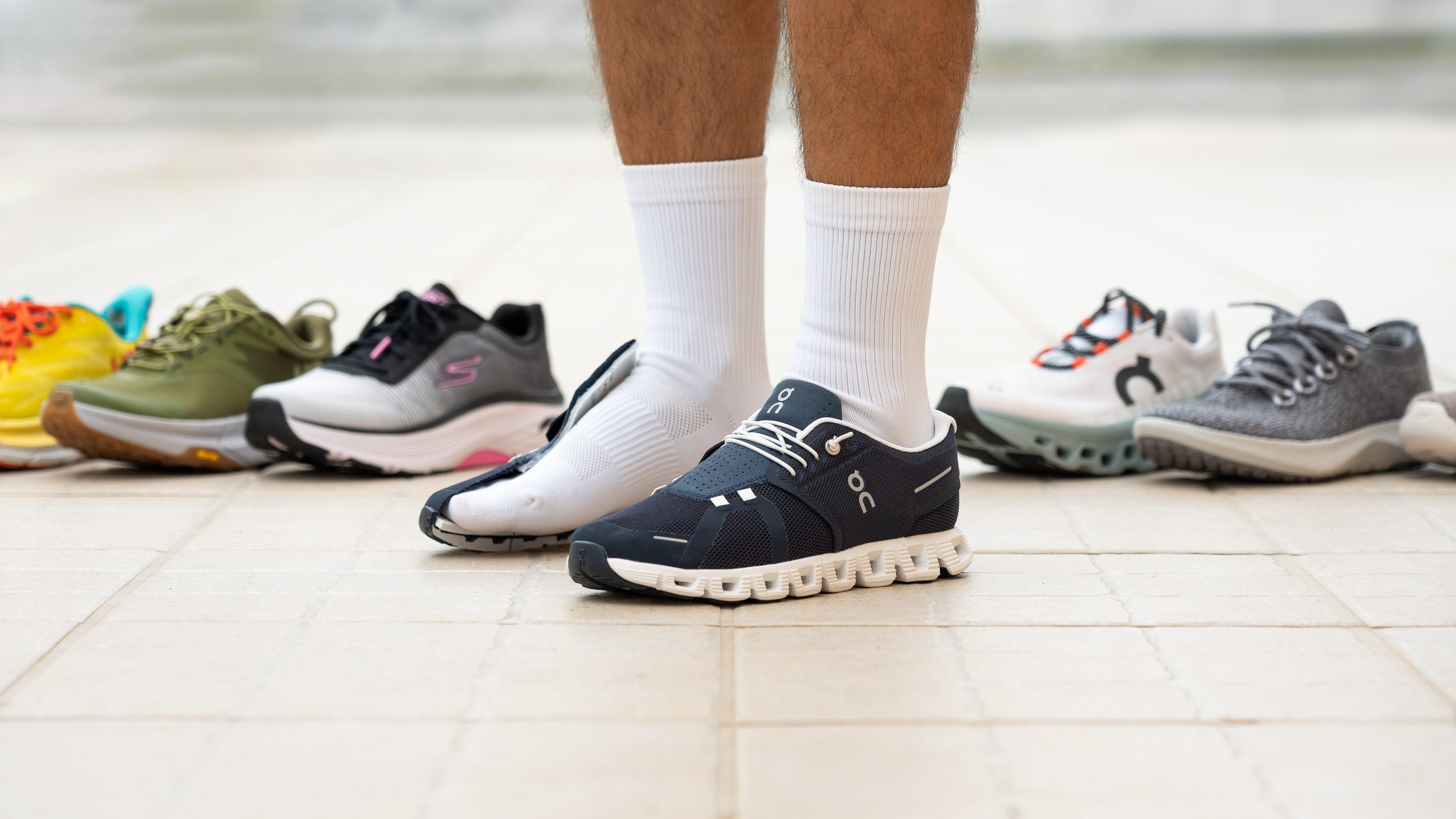
How to tell which shoes are good for walking
Good walking shoes guide your foot from heel strike to toe-off with ease. They balance cushion, support, and flex. They feel stable yet free. If you ask which shoes are good for walking, the best ones match your foot shape, gait, and route.
Use this quick road map:
- Heel counter: Firm and locked. Your heel should not slip.
- Midfoot: Stable, not wobbly. Gentle side support helps control excess roll.
- Forefoot: Bends at the ball of the foot, not in the middle.
- Cushion: Soft enough for comfort, firm enough for control.
- Fit: Snug at the heel and midfoot, roomy toe box.
In gait labs and clinics, these traits link to comfort and lower injury risk. Your stride gets a smooth roll. Your joints get even load. Your feet stay happy longer with less hot spots.

Key features that define a good walking shoe
A few design details decide comfort and support. Knowing them helps you decide which shoes are good for walking for your unique needs.
Core features to check:
- Stack height: Moderate is best for most walkers. Enough foam for shock, not so high that you wobble.
- Heel-to-toe drop: A range of 4–10 mm suits most walkers. Lower drop can feel natural. Higher drop can ease tight calves.
- Midsole foam: EVA blends feel soft and light. TPU foams add bounce and last longer.
- Rocker geometry: A light rocker can boost toe-off and reduce forefoot strain.
- Outsole rubber: Durable rubber in high-wear zones extends life and grip.
- Torsional control: A mild twist is fine. Too much twist can feel unstable.
- Upper: Breathable mesh for road. Tougher knit or overlays for trail and travel.
- Toe box: Room for natural splay. A thumb’s width in front of the big toe.
Evidence from clinical practice and lab tests points to comfort as the top predictor of success. The pair that feels best in a short walk test often works best long term.

Fit, sizing, and break-in
Fit beats tech. Poor fit ruins even great shoes. If you wonder which shoes are good for walking, start with size and shape.
Simple fit test:
- Try on late in the day. Feet swell.
- Wear your usual socks or orthotics.
- Check heel lock. No slip when you walk uphill.
- Check width. No pinch at the little toe.
- Check flex. Bend at the forefoot bend line.
Expect a short break-in of 1–3 walks. If pain starts fast or blisters form, return them. A good shoe should feel right within 10–15 minutes.

Match shoes to your foot type and common issues
Knowing your foot type helps you decide which shoes are good for walking. Use these guides, but treat them as starting points, not rules.
If you overpronate:
- Choose mild to moderate stability. Look for a stable platform and side walls.
- A supportive insole can help, but comfort rules.
If you have high arches:
- Seek more cushioning and a flexible forefoot.
- Neutral cushioning often works best.
If you have plantar fasciitis:
- Look for firm heel support, a stable midfoot, and a slight drop.
- A soft yet supportive insole can ease heel pain.
If you have bunions or wide feet:
- Choose wide or extra-wide options and a roomy toe box.
- Seam-free uppers reduce rub.
If you use orthotics:
- Pick removable insoles and enough internal volume.
- A stable base helps the orthotic work well.
Clinical guidelines favor comfort, support where needed, and shoes that match your condition. Your body should feel better within days, not weeks.
:max_bytes(150000):strip_icc()/Web_1500-vwt-primary-best-overall-shoe-tstaples-118-671f4e0048e64d14a1c42e4f8d9e6658.jpg)
Terrain and activity: road, trail, travel, work
Your routes shape which shoes are good for walking.
Road and city:
- Focus on cushion, flex, and grip on wet pavement.
- Breathable mesh keeps feet cool.
Trail and parks:
- Look for lugs for dirt and gravel.
- A rock plate or firmer foam can protect the foot.
Gym and treadmill:
- Light, flexible shoes feel fast.
- Grip should be quiet and steady.
Travel and long days:
- Blend cushion with stable heels for hours on your feet.
- A versatile style works from airport to strolls.
Wet or winter:
- Water-resistant uppers and sticky rubber help.
- Add wool socks in cold weather.
Match shoe to surface and time on feet. That is the fastest way to decide which shoes are good for walking for your day.

Real-world testing: what I learned coaching walkers
I coach new walkers, marathon walkers, and retail teams. Here is what stands out after hundreds of fittings and miles logged.
What works often:
- Neutral daily trainers with moderate cushion fit most people well for road walks.
- Stability shoes help heavy overpronators feel steady on long days.
- Max-cushion designs help recovery days, heel pain, and long commutes.
What to watch:
- Ultra-soft foam can feel great at first, yet may tire your calves.
- Very high stacks without support can feel tippy on uneven ground.
- Minimal shoes need slow build-up. Rushing miles can stress the Achilles.
How I test which shoes are good for walking:
- I do a 10-minute brisk walk with a few curbs and quick turns.
- I note heel slip, forefoot pressure, and calf load on an incline.
- I check for hot spots within 15 minutes. If they show up, I pass.
These simple steps beat guessing and save money over time.
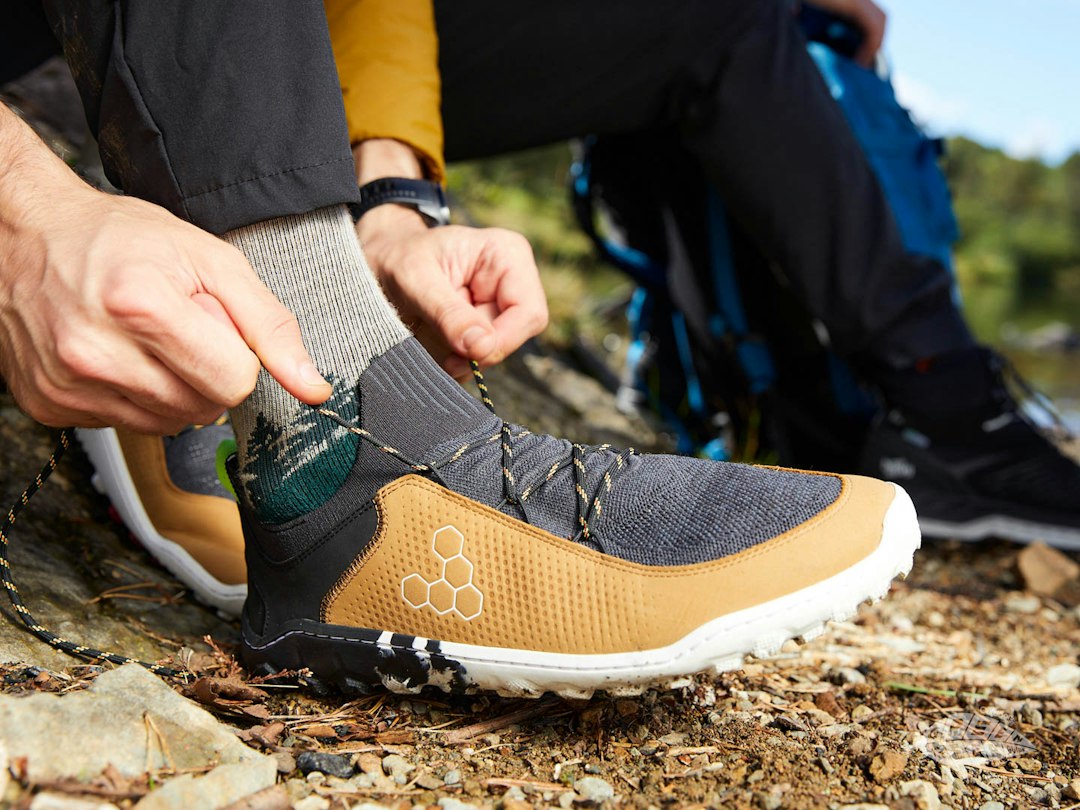
Budget, durability, and value
Price does not always equal comfort. You can still choose which shoes are good for walking on a budget.
What to consider:
- Foam durability: Resilient foams hold shape longer and keep joints happy.
- Outsole wear: If rubber is thin, you may see fast wear at the heel.
- Replace schedule: Many walkers do well replacing at 300–500 miles.
Tip:
- Rotate two pairs. Your foam rebounds between walks. Your feet get variety.

Care and replacement timeline
Care adds months of life and keeps comfort steady.
Do this:
- Air dry after use. Remove insoles if damp.
- Wipe dirt from mesh and rubber. Avoid harsh heat.
- Track miles in a simple log or app.
Replace when:
- Cushion feels flat or your knees ache sooner.
- You see outsole bald spots at the heel or forefoot.
- The upper tears or the heel counter gets soft.
Regular checks help you decide which shoes are good for walking right now, not last year.
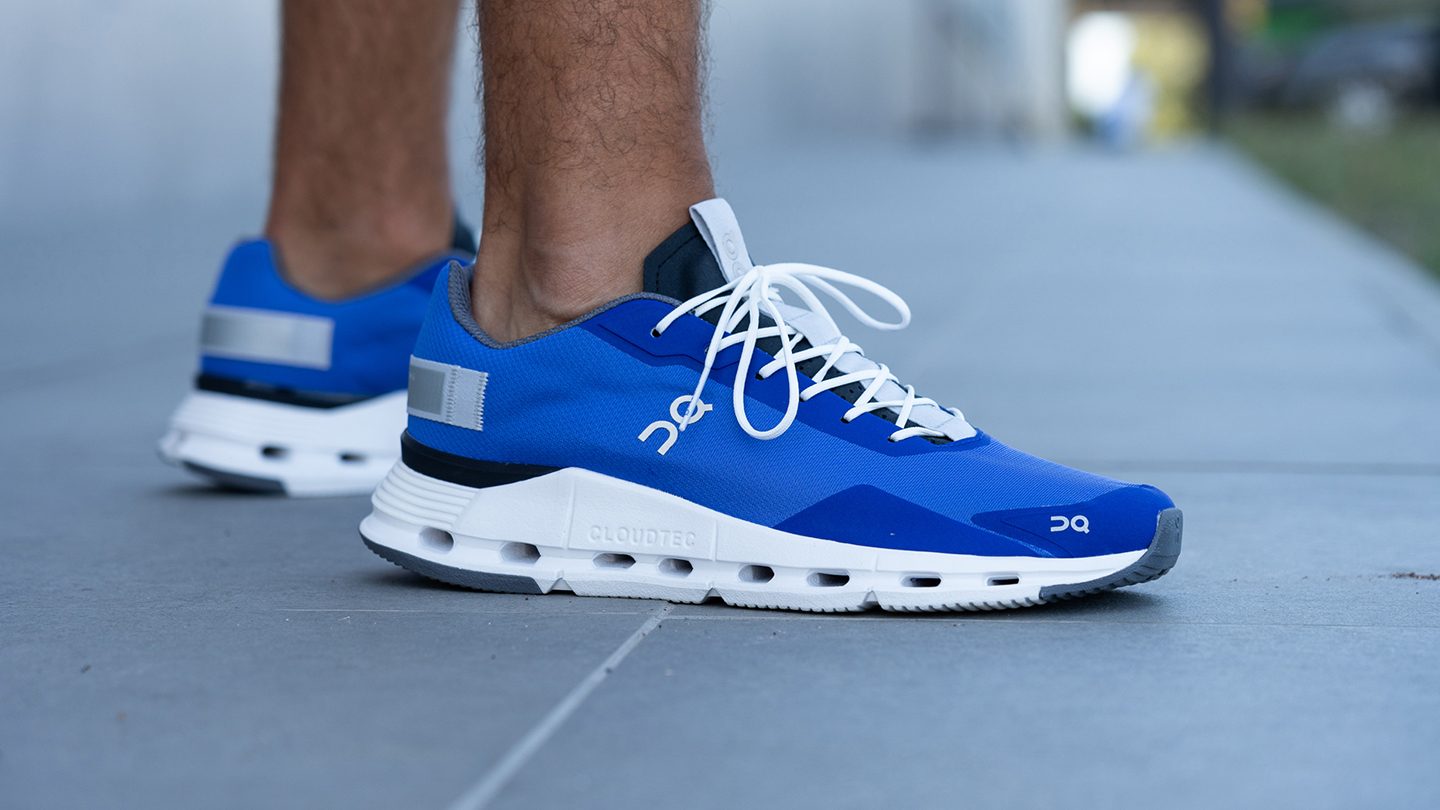
Model examples by need
These examples show patterns, not one-size-fits-all picks. Always test for your feet and routes.
Neutral daily walking:
- Look for moderate stack, smooth rocker, and breathable mesh.
Stability walking:
- Seek medial support or a stable platform with side walls.
Max cushion:
- Choose deep foam and a broad base for long days or recovery walks.
Trail walking:
- Pick sturdy uppers, rock protection, and multi-direction lugs.
Wide feet or bunions:
- Shop wide sizes and stretch-friendly uppers with roomy toe boxes.
Light travel:
- Try flexible, packable shoes with quick-dry uppers.
Use these types to narrow which shoes are good for walking before you try them on.
Frequently Asked Questions of which shoes are good for walking
Are running shoes good for walking?
Yes. Many running shoes work very well for walking. Choose pairs with a stable heel, flexible forefoot, and comfort that lasts an hour or more.
How often should I replace walking shoes?
Most people do well at 300–500 miles, or about 4–8 months of steady use. Replace sooner if pain starts or treads go bald.
What heel drop is best for walking?
A range of 4–10 mm works for most walkers. Higher drop can ease tight calves, while lower drop can feel more natural.
Do I need arch support in my walking shoes?
Only if it improves comfort or your clinician advises it. Start with the stock insole, then try support if you feel strain.
Are minimalist shoes good for walking?
They can be, but build up slowly. Start with short walks to condition calves and Achilles.
How do I know if the toe box is wide enough?
You should have a thumb’s width in front of your big toe and no pinch at the sides. Your toes should splay freely when you push off.
Conclusion
The best answer to which shoes are good for walking is simple: the pair that fits your foot, matches your gait, and suits your route. Focus on firm heel lock, smooth flex, stable midfoot, and cushion that feels right after 15 minutes.
Use the checks in this guide on your next try-on. Keep notes, trust your comfort, and replace pairs before pain starts. Ready to take the next step? Subscribe for more fit tips, or leave a comment with your route and goals so I can help you choose.


