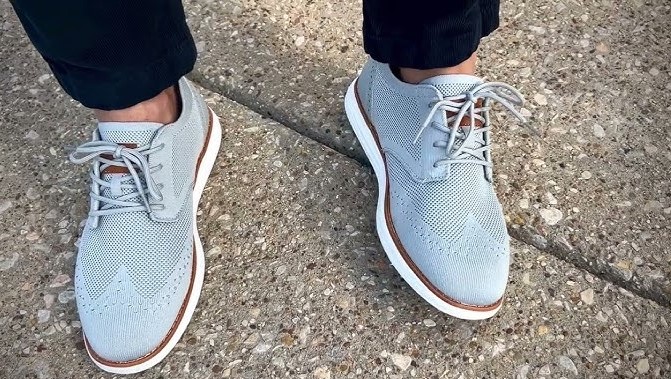
Why Is My Shoe Squeaking: Quick Fixes And Prevention Tips
Most shoes squeak because of trapped moisture, friction, or loose parts rubbing.
If you have ever asked yourself why is my shoe squeaking, you are not alone. I’ve helped hundreds of people fix noisy shoes in stores, gyms, and studios. This guide explains why is my shoe squeaking, how to find the source fast, and the safest fixes that actually work. Stick around and you’ll walk out the door in quiet comfort.

What actually causes the squeak in shoes
The short answer is friction and vibration. Two parts rub, then the sound echoes in the shoe. Moisture makes it worse because wet surfaces stick and slip over and over.
Common culprits include the insole sliding on the midsole, the outsole rubbing on certain floors, trapped air in cushioned soles, and dry leather at the tongue or collar. Adhesive that starts to fail can create tiny gaps that chirp with each step. If you wonder why is my shoe squeaking after a rainy day, it is likely water between layers that needs to dry.
Modern shoes also act like small speakers. Hollow midsoles, gel pods, and air pockets can amplify a tiny squeak. Once you know the source, you can choose the right fix and stop asking why is my shoe squeaking every time you walk.

Diagnose the squeak in 60 seconds
Use this quick flow to find the noise.
- Listen on different floors. Test on tile, wood, and carpet. If it is quiet on carpet, the outsole-to-floor contact is likely the issue.
- Flex and twist. Hold the shoe and bend the forefoot. Twist left and right. If it squeaks, the noise is inside the shoe.
- Remove the insole. Walk with the insole out. If the squeak vanishes, the insole is the cause.
- Check for moisture. Press the lining and under the insole. If damp, dry is your first step.
- Press the heel and air pods. If you hear air, a pod or delamination may be at fault.
Why do my shoes squeak only on tile floors
Tile is smooth and hard. Rubber can stick then slip, which makes sound. Clean the outsole and add a light scuff to reduce stick-slip.
Why do new shoes squeak more than old ones
New soles are smooth and sometimes coated. New leather is also stiff. A short break-in and a light clean or scuff often fixes this.
Why do my shoes squeak after washing
Water hides under insoles and inside foam. As you step, layers rub and squeak. Dry them fully with airflow and absorbent material.
If this test still leaves you asking why is my shoe squeaking, you likely have both moisture and friction working together. Solve both for a lasting fix.
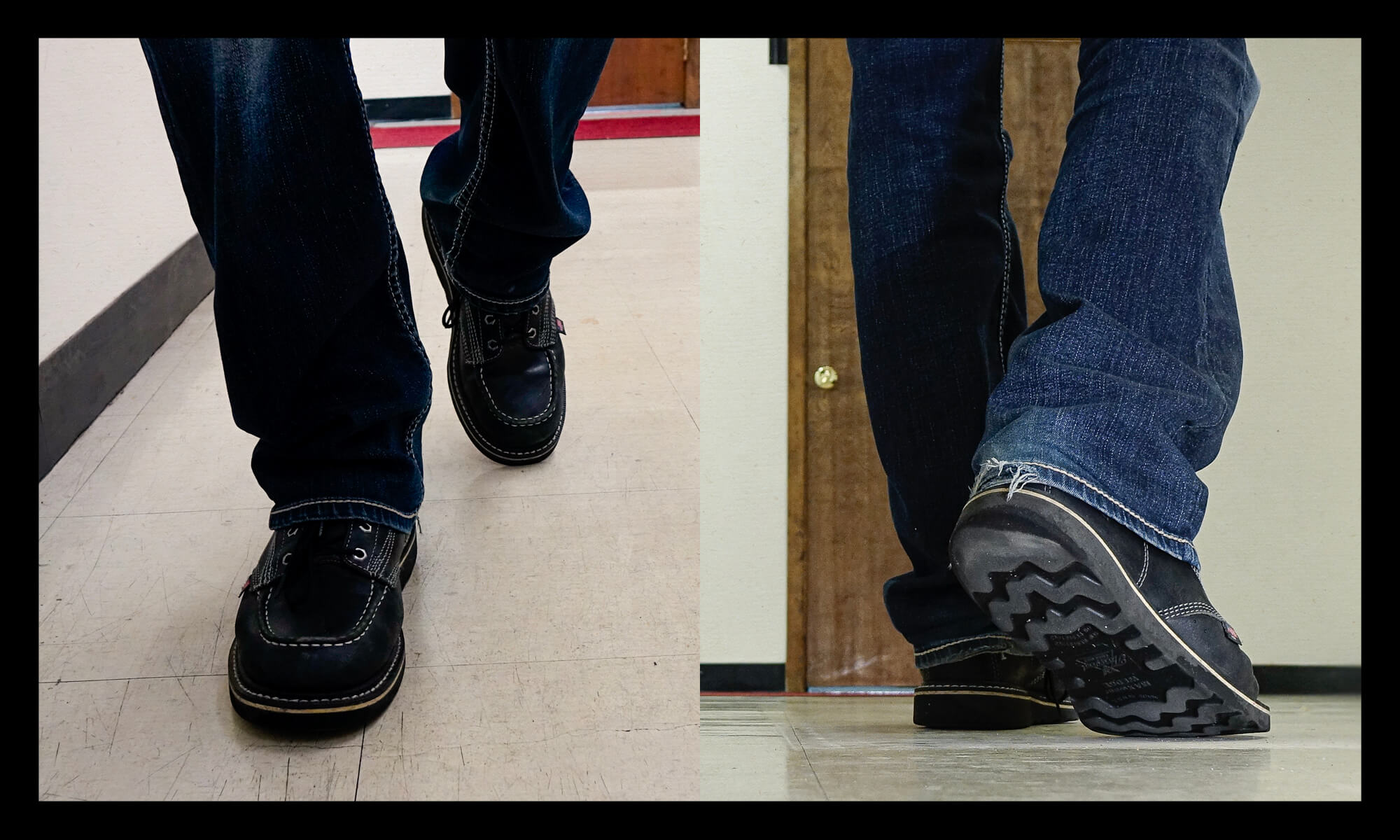
Fixes by source: stop the squeak fast
You do not need special tools for most fixes. Start with the least invasive step, then move up.
If moisture is the cause
- Remove the insole and laces. Pat dry with a towel.
- Stuff with paper or use silica gel packs. Air dry 24 hours. Avoid direct heat.
- Wipe under the insole with a little rubbing alcohol to displace water. Let it flash off.
My go-to routine after wet runs: insoles out, fan on low, cedar shoe trees inside. It stops the squeak and the smell.
If the insole rubs on the midsole
- Dust the cavity with baby powder or cornstarch. This reduces friction.
- Add a thin layer of moleskin or a dryer sheet under the insole.
- If the insole slides, use a few dots of double-sided tape at the heel.
This is the most common fix when people ask why is my shoe squeaking only on one foot.
If the outsole squeaks on floors
- Clean the rubber with dish soap and warm water. Dry well.
- Lightly scuff smooth rubber with fine sandpaper. Focus on the forefoot.
- Avoid oily sprays. They can make you slip and attract dirt.
If leather parts squeak
- Apply leather conditioner to the tongue, collar, and where the eyelets flex.
- Lace tension matters. Too tight can cause rubbing noises. Adjust and test.
If there is delamination or a loose heel
- Look for gaps where the outsole meets the midsole. If you see one, a small amount of contact cement can help.
- Clamp gently overnight per the adhesive’s directions.
- If the heel counter creaks, a cobbler can inject adhesive or replace parts.
If there are air or gel pods
- Do not puncture. That ruins support and voids warranties.
- If it squeaks from an air pocket, check return or warranty options. Many brands cover early failures.
Always test each fix on a small area first. When in doubt, a skilled cobbler can save time and money. If you still think why is my shoe squeaking after all this, move to the prevention steps to keep it from coming back.

Material-specific causes and care
Different builds make different sounds. Knowing your materials helps you choose the right move.
- Leather dress shoes. Dry leather at the tongue and throat creaks. Use a cream conditioner and a dab where leather meets leather.
- Knit or mesh sneakers. Moisture sinks into foam fast. Remove insoles, dry fully, and use breathable socks to cut sweat.
- EVA midsoles. Soft foam can squeak when wet. Dry with airflow and avoid long heat, which can warp foam.
- PU midsoles. Polyurethane can break down with age and humidity. If it crumbles, no fix will last. Replace the shoe.
- Rubber outsoles. Smooth rubber sticks on tile. Clean and scuff lightly to tune the grip.
In my experience coaching retail teams, about half of “why is my shoe squeaking” cases came from damp foam or a sliding insole. The rest came from outsoles on hard floors or tight leather that needed conditioning.
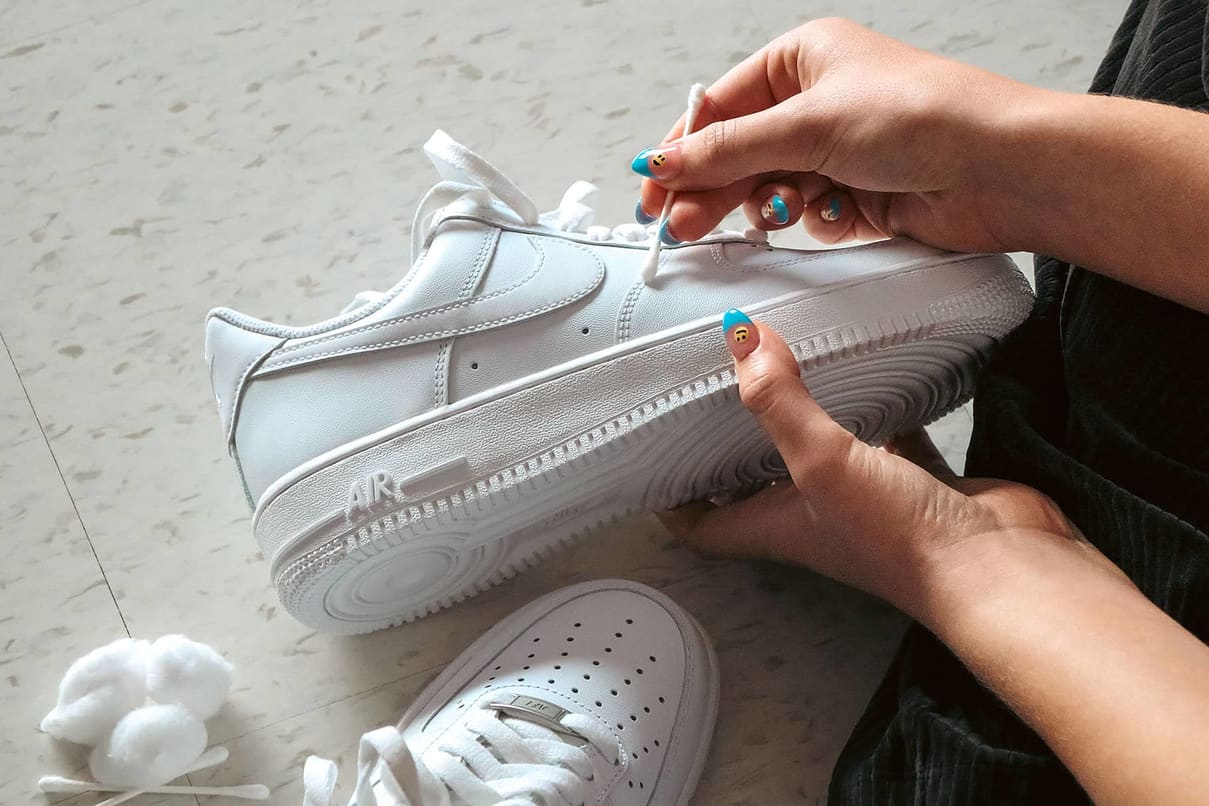
Prevent squeaks before they start
Prevention is the quiet hero. A few habits keep noise away.
- Rotate pairs. Give foam time to dry between wears.
- Use cedar shoe trees. They absorb moisture and keep shape.
- Replace worn insoles. Fresh liners fit better and rub less.
- Keep outsoles clean. Wipe off dust and floor wax buildup.
- Fit matters. Shoes that are too big move and squeak.
If you do these, you will rarely ask why is my shoe squeaking again.

Repair or replace: when it’s not worth chasing a squeak
Sometimes the best fix is a new pair. Look for these signs.
- The outsole is peeling or the midsole is cracked.
- The air pod leaks or the foam is crumbling.
- You tried drying, powder, and scuffing, and it still squeaks.
If the shoe is new and you wonder why is my shoe squeaking right out of the box, contact the seller. Many brands accept returns for noise defects. For older pairs, a cobbler can quote a repair. If the cost is over half the shoe’s price, replacement is often smarter.

Source: atoms.com
Tools and DIY kit checklist
Keep a small kit at home so you can fix squeaks in minutes.
- Baby powder or talc, or cornstarch to reduce friction under insoles
- Moleskin patches or felt to pad and quiet hot spots
- Fine sandpaper to scuff glossy rubber
- Rubbing alcohol and a soft cloth for cleaning and drying help
- Contact cement and small clamps for minor delamination
- Cedar shoe trees and silica gel packs for drying after wet days
- A soft brush and mild soap for routine outsole cleaning
My carry kit in the trunk has powder, moleskin, and a small brush. It has saved race mornings and client meetings more than once.
Frequently Asked Questions of why is my shoe squeaking
Why is my shoe squeaking after getting caught in the rain
Water sits under the insole and inside foam. Remove the insole, dry with airflow for 24 hours, and add a little powder before reassembly.
Why is my shoe squeaking only at the heel
The heel counter or a loose heel cup may rub. Check for gaps, add a bit of powder, and if you see separation, use contact cement or see a cobbler.
Why is my shoe squeaking on gym floors
Clean, glossy courts increase stick-slip. Clean the outsole, scuff lightly, and dry sweat or cleaner residue between sets.
Why is my shoe squeaking even though it is new
New soles are smooth and sometimes have a factory film. A light clean, a brief break-in, and a gentle scuff usually fix it.
Why is my shoe squeaking after I added new insoles
The new insole may slide or trap air. Use a thin layer of powder or a few dots of double-sided tape to lock it in place.
Conclusion
Squeaks come from friction, moisture, or loose parts. Find the source with a quick test, then match the fix to the cause. Most problems respond to drying, powder under the insole, a clean outsole, or a touch of conditioner.
Try one small step today and take a quiet walk to confirm the win. If a pair still has you asking why is my shoe squeaking, lean on a cobbler or check your warranty. Want more shoe care tips? Subscribe for updates or drop your squeak story in the comments.