

What Kind Of Shoes Are Good For Swollen Feet [Top Picks]
Best shoes for swollen feet are adjustable, wide, stretchy, supportive, cushioned, and easy on/off.
I help people pick shoes for tough feet every day. In this guide, I break down what kind of shoes are good for swollen feet, why they work, and how to choose the right pair for your life. You will learn the features that matter, common mistakes to avoid, and smart tips from real fittings and clinical best practices.
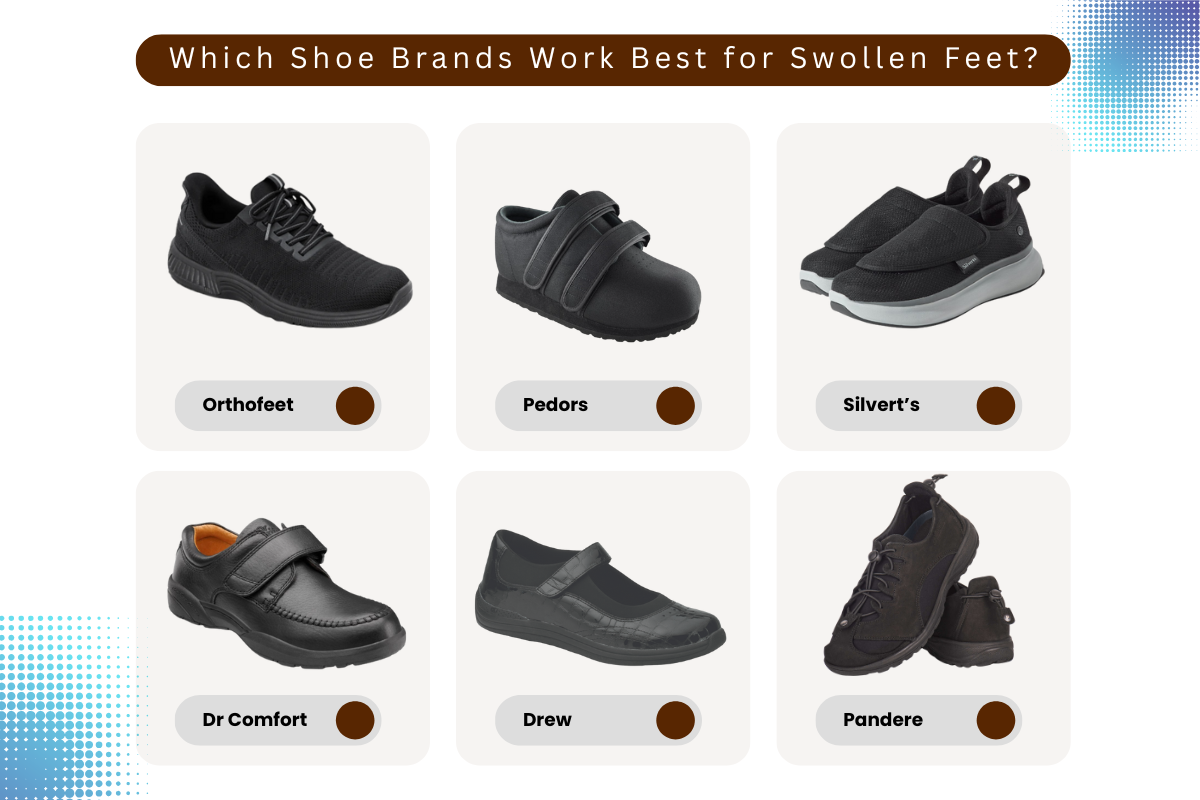
What kind of shoes are good for swollen feet? Key features
When swelling changes size through the day, your shoes must flex with you. The right pair supports the foot, spreads pressure, and allows gentle shape change without squeeze. Look for these proven features.
- Adjustable closures. Hook-and-loop straps, elastic laces, or zippers let you fine-tune fit as swelling shifts.
- Wide and deep toe box. Toes should splay and move. Extra depth helps if you use orthotics.
- Soft, stretch uppers. Knits, mesh, or gentle stretch leather reduce pressure on hot spots and bunions.
- Cushioned yet stable midsole. Plush foam or gel softens steps. A mild rocker helps reduce forefoot load.
- Removable insole. Swap in a custom or off-the-shelf orthotic if you need more support.
- Seamless, padded lining. Fewer seams means fewer rub points. This matters if you have sensitive skin.
- Low heel-to-toe drop. A small drop improves balance and reduces ankle strain.
- Firm heel counter. Gentle control at the heel improves stability without pinching.
- Lightweight outsole with good grip. Less weight reduces fatigue. Good traction lowers fall risk.
- Easy on/off. Back pull tabs, side zips, or spacious openings help when feet are tender.
If you ask what kind of shoes are good for swollen feet, think adjust, stretch, and support first. A shoe should feel kind at 8 a.m. and still kind at 8 p.m.
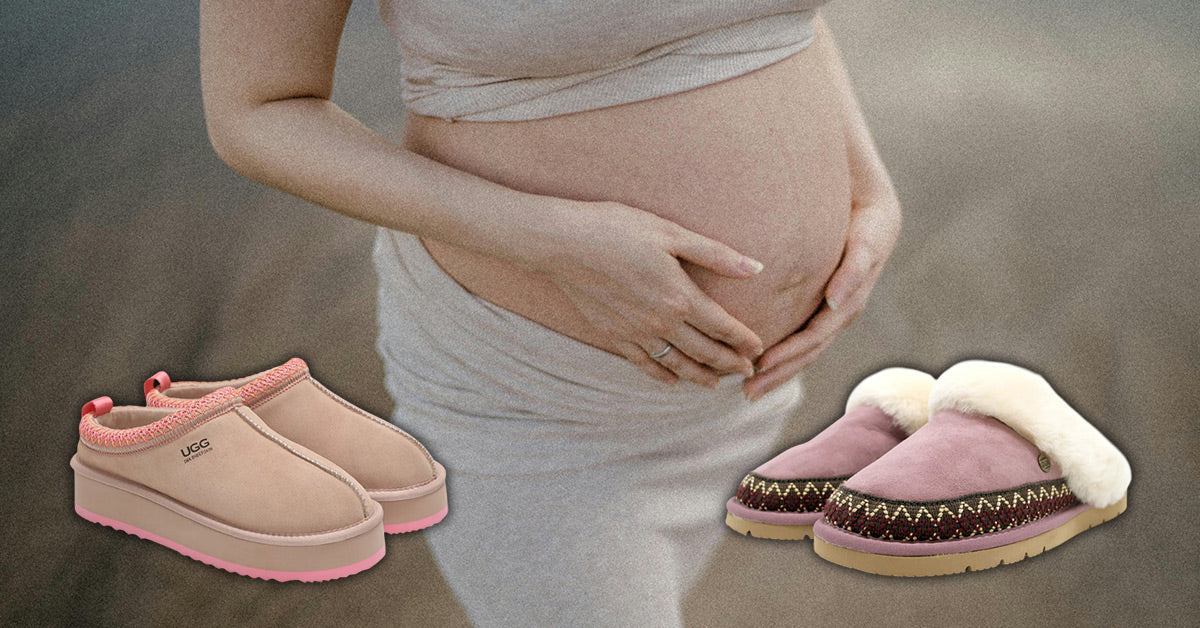
Types of footwear that work for swollen feet
Different days need different shoes. Here are reliable categories and when to choose them.
- Athletic walking shoes. Great for errands and long days. Choose wide sizes, stretch uppers, and a rocker sole.
- Orthopedic or extra-depth shoes. Ideal for chronic edema, diabetes, or orthotics. They offer volume and soft linings.
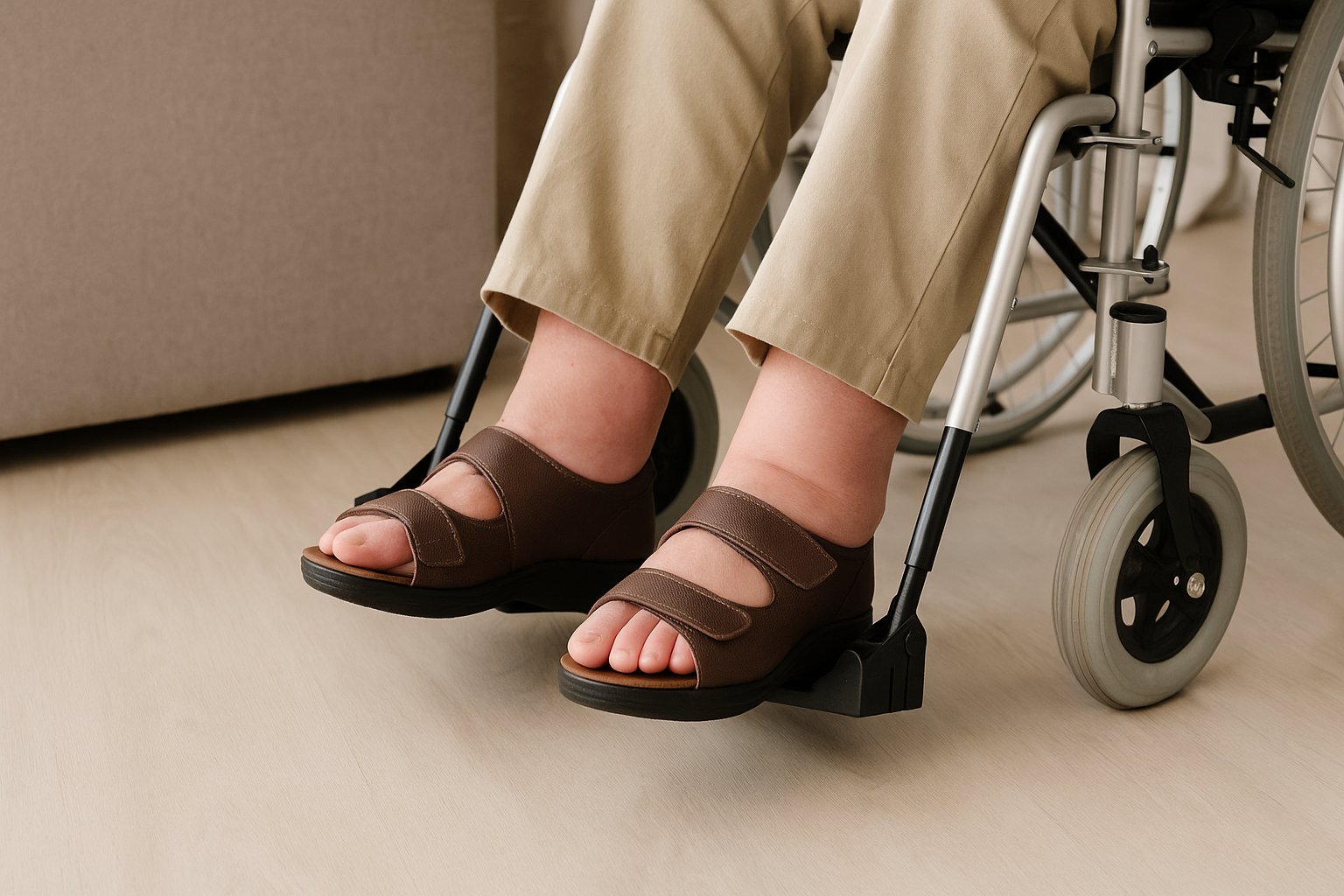
- Adjustable sandals. Pick models with three points of adjustment at forefoot, midfoot, and heel. Avoid thin, flat flip-flops.
- Stretch knit slip-ons. Good for mild swelling and travel. Use elastic laces or hidden gores for give and a secure hold.
- House shoes and slippers. Choose structured soles, heel coverage, and adjustable straps. Avoid loose, floppy styles.
- Dress shoes. Go for low heels, wide lasts, and stretch uppers. Mary Jane straps or dress sneakers can look sharp and feel kind.
- Ankle boots. Side zips and stretch panels help. Keep the shaft soft and roomy.
In each group, the best pick answers what kind of shoes are good for swollen feet by giving space, soft contact, and steady support.

Fit and sizing for swollen feet
A great shoe can still fail if the fit is off. Use these steps to dial it in.
- Measure at day’s end. That is when swelling peaks. Measure both feet and fit the larger one.
- Mind width and volume. Try wide (D), extra wide (2E), or even 4E if needed. Depth matters as much as width.
- Sock strategy. Try the shoe with the socks you plan to wear. Choose thin, seamless, moisture-wicking socks.
- Finger test. With the shoe on, slide a finger behind your heel. It should fit snug, not tight.
- Toe room. Aim for a thumb’s width in front of the longest toe, often the second.
- Lacing pattern. Use skip-lacing to relieve pressure across the midfoot. Loosen hot zones, tighten where you need hold.
If you wonder what kind of shoes are good for swollen feet when size changes a lot, pick styles with multiple straps, elastic laces, or modular inserts. They adapt in seconds.

Materials and construction that help swelling
The material can make or break comfort on swollen days. Choose soft, breathable, and stable builds.
- Uppers. Engineered mesh, stretch knit, or soft leather with elastic panels lower pressure.
- Linings. Smooth, seam-free interiors protect fragile skin and reduce blister risk.
- Midsoles. EVA, PU blends, or air/gel pockets cushion impact. Look for durable foams that do not pack down fast.
- Outsoles. Rubber with flex grooves moves with your foot. A mild rocker can help roll you forward.
- Insoles. Contoured, removable insoles support the arch and spread load. Add met pads if forefoot swells.
- Closures. Hook-and-loop straps allow quick micro-adjustments. Zips help if bending is hard.
These picks map to what kind of shoes are good for swollen feet because they reduce friction, spread pressure, and keep feet cool.
Mistakes to avoid with swollen feet
Small errors can lead to pain fast. Steer clear of these traps.
- Narrow toe boxes. They crowd toes and raise pressure.
- High heels or steep drops. They push fluid forward and stress the forefoot.
- Hard, non-stretch uppers. They dig into tender spots.
- Super soft, floppy soles. They feel nice at first but tire the foot and reduce balance.
- Heavy shoes. Extra weight adds strain across the day.
- Thick interior seams. They rub and can break skin in fragile areas.
Ask yourself this before you buy: does this pair still fit if my foot swells one more notch? If not, it is not what kind of shoes are good for swollen feet.

Real-world examples and pro tips
From years of fittings, a few patterns stand out.
- Midday swap. I keep two in-office pairs: one snug, one roomy. Many clients do the same at work. It cuts pain late in the day.
- Strap logic. For sandals, I set the forefoot strap the loosest, then lock the ankle strap for hold. This prevents sliding while leaving space up front.
- Orthotic room. If you use an insole, remove the stock one first. Test standing and walking. Pressure should feel even under the arch and heel.
- Travel trick. On flights, I wear knit sneakers with elastic laces and carry mild compression socks. Feet swell more at altitude.
- Break-in method. Stretch shoes gently with a shoe tree or wear them at home for one hour a day. Do not rush it.
These habits echo the core idea of what kind of shoes are good for swollen feet: easy adjust, roomy forefoot, steady heel, and simple swaps as size changes.

Care and lifestyle tips to reduce swelling
Shoes help, but daily habits matter too. Combine both for best comfort.
- Move often. Short walks or ankle pumps push fluid back up the leg.
- Elevate. Raise feet above heart level when you can.
- Stay cool and hydrated. Heat can raise swelling. Water helps fluid balance.
- Gentle compression. Mild compression socks can help if your doctor approves.
- Skin care. Moisturize and check for redness or cracks each day.
- Medical check. Rapid swelling, pain, heat, or one-sided swelling needs prompt care.
Good habits lower the load on your shoes. They also make it easier to find what kind of shoes are good for swollen feet in your daily routine.

Buying checklist and quick picks
Use this quick list in the store or online.
- Does it have adjustable straps, elastic laces, or a zipper?
- Is the toe box wide and deep with no rub?
- Are the linings smooth and the seams soft?
- Can you remove the insole for orthotics?
- Is the midsole cushioned yet stable, with a mild rocker?
- Is there enough grip and is the shoe light?
- Did you test it at day’s end with your usual socks?
If a shoe checks these boxes, it likely fits the standard for what kind of shoes are good for swollen feet. Keep notes on what feels best on long days.
Frequently Asked Questions of what kind of shoes are good for swollen feet
Are slip-on shoes okay for swollen feet?
Yes, if they have stretch uppers and a secure heel. Add elastic laces or a heel lock to stop slipping.
Do I need wide or extra-wide sizes?
Choose the width that removes squeeze at the forefoot and midfoot. Many people do best in wide or extra wide with extra depth.
Are sandals good for swollen feet?
They can be great if they have three adjustable straps and cushioned soles. Avoid thin, flat flip-flops with no support.
What heel height is best?
Keep heels very low. A small drop or mild rocker helps ease pressure on toes and the forefoot.
Can compression socks and good shoes be worn together?
Yes, they often work well together. Use mild compression if approved by your clinician, and keep shoes roomy enough to avoid tightness.
How do I know if a shoe is too tight?
Look for red marks, numb toes, or tingling after a short walk. If straps or laces leave deep dents, size or width up.
What if my feet change size during the day?
Use adjustable closures and elastic laces for quick relief. Some people keep a second pair with more volume for late-day use.
Conclusion
Comfort starts with space, soft contact, and steady support. Now you know what kind of shoes are good for swollen feet: adjustable closures, wide and deep toe boxes, stretch uppers, cushioned yet stable soles, and easy on/off. Fit at day’s end, use the checklist, and favor kind materials.
Take one action today: try two pairs that meet the checklist and test them on a long day. Your feet will tell you the truth. Want more guides like this? Subscribe, share your questions, or leave a comment with your fit wins and misses.


