What To Do About Smelly Shoes? [Quick Odor Fixes 2026]
Air out shoes, clean insoles, dry fast, use deodorizers, and rotate pairs.
If you want clear, expert advice on what to do about smelly shoes, you are in the right place. I have helped athletes, retail staff, and busy parents fix stubborn shoe odor. This guide breaks down the science, the fixes, and the habits that keep shoes fresh and safe.

Why Shoes Smell: The Science
Odor comes from sweat, skin oils, and microbes. Your feet have many sweat glands. Warm, damp shoes become a small greenhouse. Bacteria and fungi thrive and release volatile compounds. That is the sharp smell you notice.
To grasp what to do about smelly shoes, know what drives the smell. Moisture and time are the fuel. Breathable builds and fast drying reduce the load. Antimicrobial steps cut microbe growth. Dermatology guidance links foot odor to sweat and skin flora. Treat both, not just the smell.
Materials matter. Foam traps sweat. Leather can breathe but hates soak cycles. Mesh dries fast but stains. Insoles hold most odor. Focus your work there for fast gains.
Fast Fixes You Can Try Today
If you need a quick reset, start simple. These steps are safe for most shoes.
- Air them out right away. Remove insoles. Loosen laces. Place shoes in a dry, breezy spot.
- Dry them fast. Use a shoe dryer on low heat or cool air. Stuff with paper towels and change them after 30 minutes.
- Deodorize with powder. Sprinkle baking soda or talc inside. Tap out in the morning. Avoid dust on suede.
- Wipe the liner. Use a cloth with diluted white vinegar. Mix one part vinegar with three parts water. Let dry fully.
- Rotate pairs. Do not wear the same shoes two days in a row.
- Change socks midday. Choose moisture wicking fibers like merino or polyester.
When people ask what to do about smelly shoes in a pinch, I point to dry time and insoles. These two steps cut odor fast. They also make deeper cleaning easier.
:max_bytes(150000):strip_icc()/removing-shoe-odors-with-baking-soda-1900467-04-26a923c3c3684ba48320f901c4a2a9f3.jpg)
Deep Clean Methods by Material
A deep clean resets odor for weeks. Match the method to the shoe build. Always test a small hidden spot first.
Fabric and Mesh Sneakers
- Remove laces and insoles. Pre-treat stains with mild liquid detergent.
- Hand wash in cool water with gentle detergent. Use a soft brush.
- Rinse well. Press with a towel to remove water. Do not twist.
- Air dry. Use a fan. Keep out of direct heat and sun.
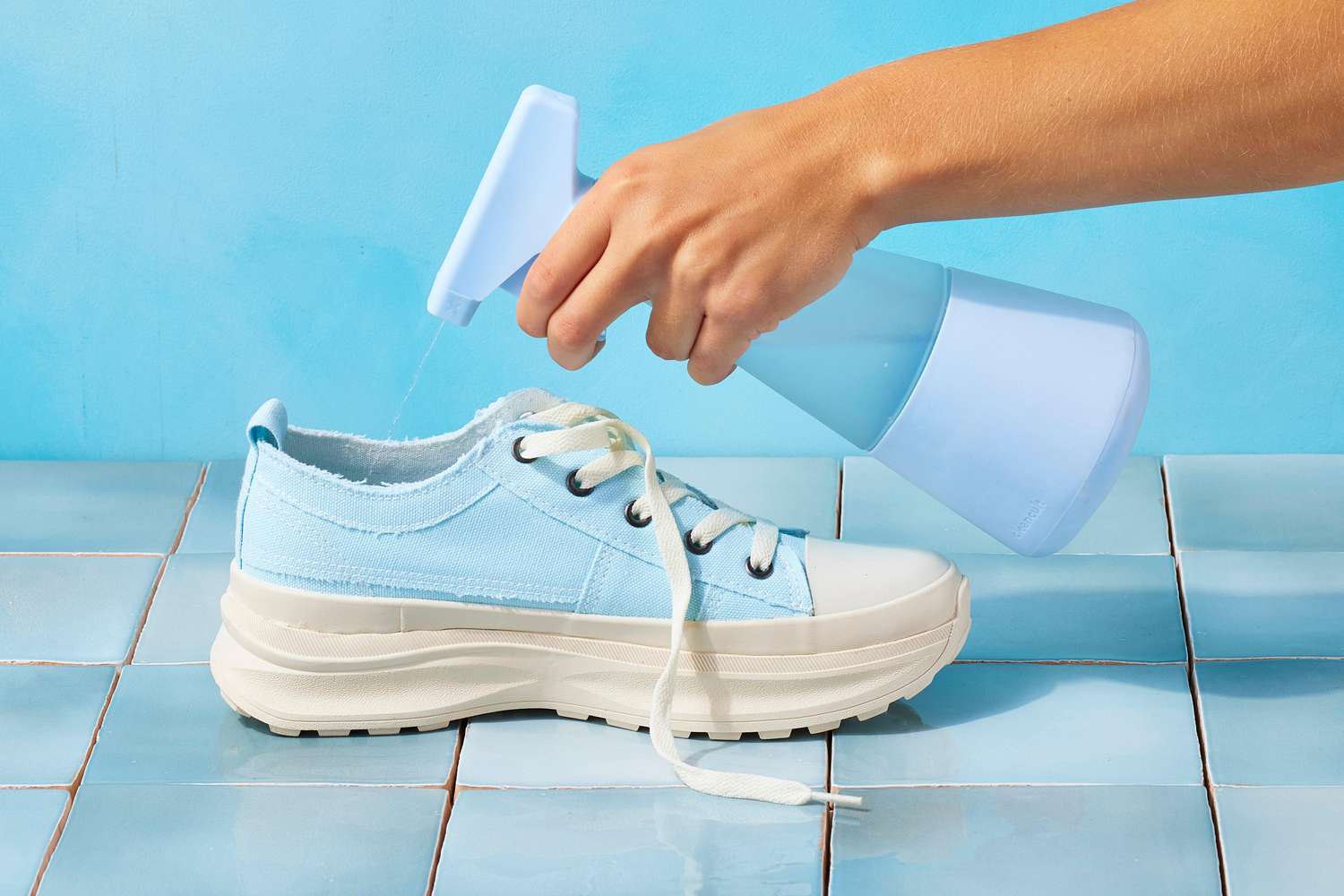
- Optional: After dry, mist inside with an antimicrobial spray that lists bacteria and fungi on the label.
Machine wash only if the maker says it is safe. Use a mesh bag and cold water. Skip the dryer. Heat can warp glue.
Leather Shoes
- Wipe the inside with a cloth and 70% isopropyl alcohol. Light, not soaked.
- Condition the uppers with a leather balm after dry.
- Deodorize with cedar shoe trees. Avoid heavy baking soda on leather. It can dry it out.
- For strong odor, use a shoe-specific disinfectant safe for leather.
Never soak leather. Water stains and cracks it.
Suede and Nubuck
- Brush nap with a suede brush to lift dirt.
- Lightly mist a 70% alcohol solution inside. Do not saturate.
- Use a suede protector spray after full dry.
- Avoid vinegar and heavy powders. They can mark the nap.
Insoles
- If removable, hand wash in warm water with dish soap.
- Disinfect with a 1:10 white vinegar solution or alcohol wipe.
- Air dry flat. Sunlight for 30 minutes can help. Avoid warping.
- Consider swapping to antimicrobial or charcoal insoles.
When planning what to do about smelly shoes long term, treat insoles as the core. Clean or replace them every one to three months.
Safety notes:
- Do not mix bleach with ammonia or acids.
- Keep sprays off bare skin until dry.
- Keep kids and pets away from drying chemicals.
Odor-Fighting Add-ons and Tools
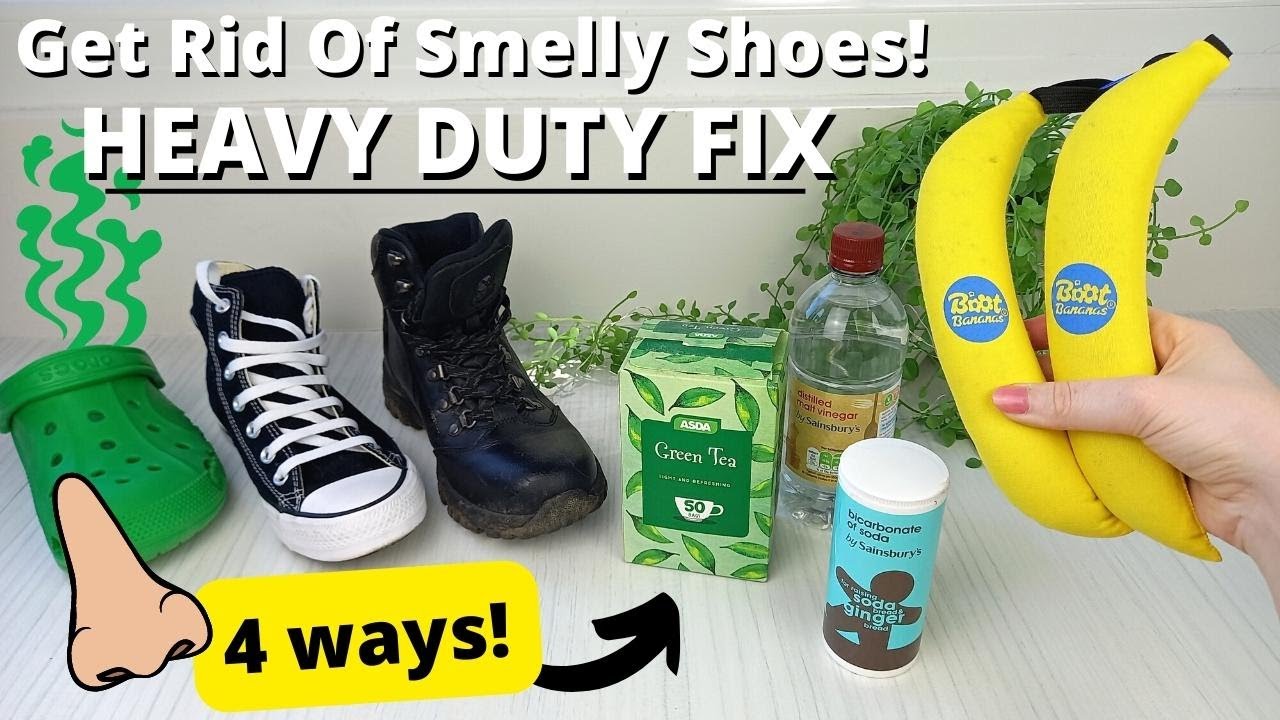
Some tools save time and cut odor at the source. Here are reliable options I have used in clinics and gear rooms.
- Cedar shoe trees. They pull moisture and add a fresh scent. Great for leather.
- Activated charcoal or zeolite pouches. Place inside shoes overnight. They absorb odor and humidity.
- Silica gel canisters. Speed up drying in humid homes.
- Antimicrobial sprays. Look for products that list bacteria and fungi claims.
- Ultraviolet shoe sanitizers. UV-C units can reduce microbes. Use enclosed devices only and follow instructions.
- Electric shoe dryers. Use low heat or no heat to protect glue and foam.
Add-ons are smart when you plan what to do about smelly shoes in every season. Build a small kit and keep it by your entry bench.

Daily Habits That Prevent Odor
Odor control is a habit, not a one-time task. These simple steps make the biggest difference.
- Wash your feet well each night. Use soap between toes. Dry fully.
- Use an antiperspirant on your feet. A 20% aluminum chloride gel can help heavy sweating. Ask your clinician if unsure.
- Wear moisture wicking socks. Change pairs after workouts or at lunch.
- Rotate shoes. Give each pair at least 24 hours to dry.
- Use a quick powder dusting before wear. Focus on insoles and toe box.
- Insert cedar trees or charcoal pouches after use.
Weekly routine:
- Clean insoles on Sunday. 2) Wipe liners with alcohol midweek. 3) Sun-dry for 30 minutes when weather allows.
If you wonder what to do about smelly shoes without buying new ones, focus on this routine. It is low cost and works.

Special Cases: Gym Shoes, Work Boots, and Sandals
Gym and Running Shoes
These hold sweat in foam. After every session, pull insoles and air dry with a fan. Wash laces and insoles weekly. Use an antimicrobial spray after hard runs. As a distance runner, I keep two pairs and swap daily. It cuts odor and extends life.
Work Boots and Safety Shoes
Boots trap heat. Use moisture wicking socks and boot-specific insoles. Dry with a boot dryer each night. Wipe steel toes to prevent rust smell. Treat leather with conditioner to balance moisture.
Sandals and Slides
Scrub footbeds with dish soap and a soft brush. Rinse and dry in shade. For EVA and rubber, a dilute vinegar rinse helps. For leather footbeds, use saddle soap and a light conditioner.
For all these, the base rules still stand. If you ask what to do about smelly shoes across types, the answer is dry fast, clean smart, and use the right tools.
:max_bytes(150000):strip_icc()/How-to-stop-shoes-from-smelling-STEP-2-2020c9395aff4f29953423a2d1998145.jpg)
When To See A Professional Or Replace the Shoes
Persistent odor may signal an infection. Signs include peeling skin, itch, or rash. If you notice these, see a clinician or podiatrist. Antifungal care may be needed.
Excess sweat can be treated. Options include stronger antiperspirants, iontophoresis, or other therapies. A clinician can guide you.
Sometimes shoes must go. If insoles crumble, foam stays damp, or odor returns in one day, replace them. When you weigh what to do about smelly shoes that keep failing, a fresh pair is the best fix.
Frequently Asked Questions of what to do about smelly shoes
How often should I clean insoles?
Clean them weekly if you sweat a lot. Replace them every one to three months, or when they stay damp or warped.
Does freezing shoes kill odor?
Freezing may slow bacteria, but it does not dry shoes or remove biofilm. Drying and cleaning work better.
Can I put shoes in the washing machine?
Only if the maker says it is safe. Use cold water, a mesh bag, and always air dry to protect glue and shape.
What is the best spray for odor?
Choose a spray with antimicrobial claims for bacteria and fungi. Use on clean, dry shoes and let them dry before wear.
Will baking soda damage my shoes?
It is safe for most fabric and mesh. Avoid heavy use on leather or suede, and always shake out the powder well.
Are wool socks better for odor control?
Yes. Merino wool manages moisture and slows odor buildup. Synthetic blends labeled moisture wicking also help.
Do essential oils work?
They can mask odor and some have antimicrobial traits. Use a few drops on a cotton ball inside shoes, not on leather.
How long should I air out shoes after use?
Aim for 24 hours. Remove insoles and use a fan or dryer for faster results.
Can UV sanitizers replace cleaning?
They reduce microbes but do not remove sweat and soil. Use UV with regular cleaning and drying.
What if my feet sweat a lot?
Use a clinical antiperspirant at night. If that is not enough, speak with a clinician about advanced options.
Conclusion
Fresh shoes are the result of three habits: dry fast, clean often, and block microbes. Start with insoles, smart drying, and better socks. Layer in cedar, charcoal, or UV as needed.
Put one plan in place today. Set up a drying spot, swap your socks, and clean your insoles tonight. If you found this guide useful, subscribe for more practical care tips or share your own results in the comments.