

7 Best Stride Rite Shoes for First Walkers That Keep Steps Steady
First steps bring your baby into a new world of play, errands, and wobbly walks beside you. Socks can slip on smooth floors, while soft slippers offer little grip outdoors; stiff everyday shoes may feel bulky on small feet still learning to move.
Flexible first-walker shoes can make those early outings more comfortable. Stride Rite shoes for first walkers typically pair a soft, bendable sole with a secure closure, helping little feet grip the ground and stay snug without restricting natural movement.
Many styles also offer roomy toe areas, padded collars, and lightweight materials, so your child can move freely while you get easy on-and-off wear. Durable soles handle everyday trips from the stroller to the playground.
Sizes, closures, and sole designs vary, so consider your child’s foot shape and where they’ll wear the shoes most. Explore the best stride rite shoes for first walkers below to find a pair for your little one.
7 Best Stride Rite Shoes for First Walkers Reviews

1.Stride Rite 360 SR-Taye 2.0 Sneaker
Removable insole lets you create a wider fit for growing little feet

2.Stride Rite 360 Nick Hook-and-Loop Shoes
Back pull tab makes these shoes easier to put on and take off each day
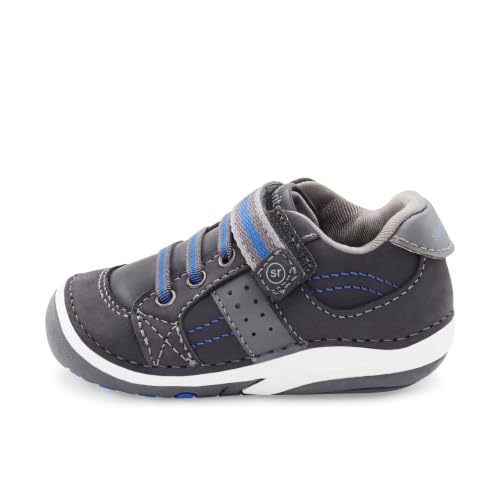
3.Stride Rite SRT SM Artie First Walker Shoes
Memory foam footbed adds comfort while little ones explore on the move

4.Stride Rite 360 Kamila Memory Foam Shoes
Memory foam insole cushions little feet for comfortable everyday wear

5.Stride Rite 360 Addison APMA Approved Sneaker
APMA approved to support comfortable first steps for little ones

6.Stride Rite 360 Nick 2.0 Sneaker
Memory foam insole cushions little feet from crawling to cruising
7.Stride Rite 360 Kamila Memory Foam Shoes
Memory foam insole cushions little feet for comfortable everyday wear
1. Stride Rite 360 SR-Taye 2.0 Sneaker
Stride Rite 360 SR-Taye 2.0 gives little walkers a hook-and-loop sneaker with a flexible fit option. Its faux-leather upper offers a sneaker look for everyday outings, while the fastening makes it practical for getting shoes on and off.
The Dual Fit system lets you remove the insole to create a wide fit. That gives parents a way to adjust the room inside the shoe as their toddler’s fit needs change, without choosing a separate width.
Inside, a soft textile lining sits against the foot. The padded tongue and collar add cushioning around the top of the shoe, where contact with the foot can matter during regular wear.
A durable synthetic outsole forms the bottom of the sneaker. The product data does not give a tread pattern or specific grip rating, but the outsole is described as durable for everyday use.
This version comes in white and size 4 Wide Toddler. It weighs about 0.2 pounds, so it is a light option to consider for a young child’s shoe rotation.
The hook-and-loop closure, cushioned tongue and collar, and removable insole make this a practical choice for families who want fit flexibility. It suits toddlers who need a wide fit or may benefit from extra room inside their first-walker shoes.
- Removable insole creates a wide fit
- Padded tongue and collar add cushioning
- Hook-and-loop closure makes fastening simple
- Soft textile lining feels gentle inside
- No major cons
2. Stride Rite 360 Nick Hook-and-Loop Shoes
For first steps and everyday outings, the Stride Rite 360 Nick gives little walkers a simple way to get shoes on and off. Its hook-and-loop strap closes over an elastic lace panel, helping the shoe stay secured without tying laces.
The opening combines a strap with the elastic panel, so caregivers can adjust the fit while keeping the routine straightforward. A pull tab at the back gives you another place to hold as you guide a toddler’s foot inside.
Inside, a padded tongue and collar add cushioning around the top of the foot and ankle. That extra padding can make the shoe more comfortable for a child who is still getting used to wearing shoes while learning to walk.
The round toe leaves a rounded shape at the front, while the Grey color offers a neutral look for everyday outfits. The listed size is 4 Toddler, so check that size against your child’s current fit before choosing.
The product data does not specify sole material, traction, flexibility or weight, so buyers looking for those details may need to check the listing or shoe in person. It suits caregivers who want an easy-to-fasten toddler shoe with a padded collar and tongue for early walking and daily wear.
- Hook-and-loop strap makes fastening simple
- Elastic lace panel works with the strap
- Padded tongue and collar add foot comfort
- Rear pull tab helps with putting shoes on
- No major cons
3. Stride Rite SRT SM Artie First Walker Shoes
5 Toddler is the listed size for these Stride Rite SRT SM Artie first-walker shoes. Their Soft Motion design aims to support natural movement as babies take their early steps.
The upper combines leather and canvas, while a leather lining and insole add leather inside the shoe. Elastic laces and a hook-and-loop strap help keep the shoes secure, and the strap gives caregivers a way to open and fasten them.
A memory foam footbed adds cushioning underfoot for everyday wear. The shoes also have APMA approval, which matters to parents comparing footwear designed for early walkers.
The gray color gives them a simple look for daily outfits. Their upper mixes two materials, and the elastic laces work alongside the strap rather than replacing it.
These shoes focus on first steps, with a design intended to encourage natural movement and a cushioned footbed for comfort. They suit caregivers looking for APMA-approved shoes in toddler size 5, with a hook-and-loop fastening system for easier on-and-off.
- Soft Motion design encourages natural movement
- APMA-approved design for first-time walkers
- Memory foam footbed adds underfoot cushioning
- Leather and canvas upper mixes materials
- No major cons
4. Stride Rite 360 Kamila Memory Foam Shoes
Babies taking their first steps get an easy-to-adjust shoe in the Stride Rite Kamila. Its hook-and-loop closure lets parents fasten the shoe without tying laces, which makes getting ready simpler for little ones who are learning to walk.
The memory foam insole adds cushioning underfoot for everyday wear. It gives small feet a softer place to land as babies move around at home or during outings.
A dual-fit sock offers another fit option as you put the shoe on. The shoe comes in size 4 Toddler, so check that size against your child’s current fit before choosing it.
The white textile upper gives the shoe a simple look that can suit many outfits. Textile is the listed material, while the white color and toddler sizing help identify this version.
Stride Rite also treats the shoe to help reduce odors. That can be useful for a shoe worn often, though the product details do not describe how long the treatment lasts.
This Kamila is best suited to families looking for a toddler shoe with a simple closure, a cushioned insole and an odor-reducing treatment. Its listed features focus on fit and comfort for first walkers rather than extra structural details.
- Hook-and-loop closure makes fastening simple
- Memory foam insole cushions little feet
- Odor-reducing treatment helps with shoe smells
- Textile upper may need careful cleaning
5. Stride Rite 360 Addison APMA Approved Sneaker
For a nursery, daycare, or family outings, the white Stride Rite 360 Addison gives first walkers a sneaker with a PU upper and rubber outsole. Its infant size 3 and medium width make it an option for babies who fit that size and width.
The maker describes the shoe as designed for comfort and support during early steps. That focus may suit parents choosing a first pair for a child who is beginning to walk, while the sneaker style works for everyday wear.
Its rubber outsole provides the shoe’s ground-contacting base. The product listing does not specify tread, flexibility, or cushioning, so parents comparing those details may want to check them before buying.
The upper uses PU, a synthetic material, and the listed color is white. That neutral shade can pair with a range of everyday outfits, though the listing does not explain how the upper handles cleaning or wear.
The Addison has approval from the American Podiatric Medical Association (APMA), a relevant point for parents considering footwear for early walkers. It weighs about 1 pound, according to the specifications.
This size 3, medium-width sneaker suits families looking for an APMA-approved first-walker shoe with a PU upper and rubber outsole. Check the fit and the child’s needs before choosing it.
- APMA approval may help guide shoe choices
- Rubber outsole gives a ground-contacting base
- PU upper offers a synthetic shoe option
- No major cons
6. Stride Rite 360 Nick 2.0 Sneaker
Memory foam cushioning supports little feet as they move from crawling to cruising, making the Stride Rite Nick 2.0 a first-walker sneaker with an adjustable fit. Its rounded outsoles add another feature for toddlers finding their footing.
The polyurethane upper and nylon lining form the shoe’s main materials. A lace-up front lets you adjust the fit, while the hook-and-loop strap gives you another way to secure it around a toddler’s foot.
A back pull tab gives parents a spot to hold while helping a child put the shoes on. That can make dressing simpler when a toddler is learning to stand or move around.
Little explorers can get their shoes dirty, so the machine-washable design is useful for routine cleanup. It saves parents from relying only on wiping the surface after everyday wear.
This pair comes in tan and is listed in toddler size 4 with a medium fit. The item weighs about 1 pound, so the listing gives buyers a weight reference when comparing toddler shoes.
For families choosing shoes for early walking stages, the memory foam insole, rounded outsoles and adjustable fastening are the main details to weigh. The Nick 2.0 suits toddlers moving from crawling toward cruising, and parents who want washable shoes with a pull tab for dressing.
- Memory foam insole cushions little feet
- Rounded outsoles suit early walking stages
- Washable design helps with routine cleanup
- Strap adjusts the fit around toddler feet
- No major cons
7. Stride Rite 360 Kamila Memory Foam Shoes
Stride Rite makes the Kamila sneaker in white for babies who need a secure fit as they begin taking first steps. Its hook-and-loop closure lets a caregiver fasten and adjust the shoe without tying laces.
A memory foam insole cushions the foot inside the sneaker. That added padding can make the shoe more comfortable for little walkers as they practice standing, cruising and moving around.
The dual fit sock offers another way to adjust how the shoe sits on a child’s foot. This feature may help caregivers find a fit that feels secure as they put the sneaker on for everyday wear.
Stride Rite also gives the textile shoe a special treatment to help reduce odors. That can be useful after regular outings, while the white color keeps the look simple and easy to pair with different outfits.
The listed size is 3 Infant US, and the shoe weighs about half a pound. Its compact size suits very young feet, though caregivers should check the fit as a baby grows and compare it with the child’s current shoe size.
For families choosing a first-walker shoe, the Kamila focuses on easy fastening, cushioned support and an adjustable fit. It suits caregivers who want a simple white sneaker for a baby’s early steps and everyday outings.
- Hook-and-loop closure makes fastening simple
- Memory foam insole cushions little feet
- Dual fit sock helps adjust the fit
- Odor-reducing treatment helps with regular wear
- Textile upper may need careful cleaning
How to Choose the Best Stride Rite Shoes for First Walkers
The right first-walker shoes should protect little feet without getting in the way of early steps. Fit, flexibility, closure, materials, and price all shape the choice, while your child’s foot width and daily routine matter most.
| If You Need | Look For | Expect |
|---|---|---|
| A roomier fit | Removable insole, wide sizing | Less snug feel |
| Quick changes | Hook-and-loop strap, pull tab | Less precise adjustment |
| Easy early steps | Flexible, lightweight sole | Less underfoot protection |
| Extra cushioning | Padded collar, cushioned footbed | More bulk inside |
| Simple cleaning | Washable materials | Possible faster wear |
| A lower-cost pair | Basic materials, fewer extras | Fewer fit adjustments |
Fit and Toe Room
Fit comes first because shoes that pinch or slip can make early walking less comfortable. Measure both feet while your child is standing, and use the larger foot to guide sizing.
Leave about a thumb’s width between the longest toe and the shoe’s end, while keeping the heel secure. Too much extra length can cause tripping, so avoid buying a size to “grow into.”
Width matters as much as length, especially for feet that spread when bearing weight. Look for medium or wide options, or a removable insole that creates extra room; the right choice depends on your child’s foot shape.
Try shoes with the socks your child will usually wear, and feel for pressure at the sides and toes. Recheck fit often during growth spurts, since infant and toddler feet change quickly.
Sole Flexibility and Grip
A first-walker sole should bend where the toes naturally flex, rather than staying stiff through the whole shoe. This lets little feet move through each step without fighting a rigid base.
For early walking, a thin, lightweight sole usually gives better floor feel than a thick, heavy one. Choose more coverage if outdoor use is frequent, but avoid weight that makes lifting each foot harder.
Look for a textured outsole that grips smooth indoor floors without feeling bulky. Grip helps reduce slips, while an overly stiff or deeply treaded base can make short steps less natural.
Closure and Adjustability
Hook-and-loop straps make shoes faster to put on and remove, which helps with busy changes and wiggly toddlers. They also let you adjust the fit across the top of the foot.
Elastic laces can hold the shoe in place without repeated tying, but they offer less adjustment than conventional laces. A strap combined with elastic laces gives a quicker fastening option with some added hold.
A back pull tab helps guide the heel into the shoe, especially when your child resists getting dressed. It is a useful detail, but a secure heel fit still depends on the shoe’s shape and closure.
Weight and Flexibility
Light shoes are easier for new walkers to lift, so compare the listed weight when figures use the same sizing and measurement method. A heavier shoe may feel tiring during longer periods of practice.
Weight alone does not tell you whether a shoe will suit your child. Compare it with sole thickness, upper materials, and how easily the front bends; extra structure can add protection but also bulk.
Materials and Comfort
Soft lining and a padded tongue or collar help reduce rubbing around the ankle and top of the foot. These details suit children who wear shoes for longer stretches, but padding should not crowd the foot.
Leather, canvas, textile, and synthetic uppers differ in feel and care needs. Choose breathable, flexible materials for indoor or warm-weather wear, and consider easier-clean surfaces when shoes regularly meet dirt or spills.
A cushioned insole can soften each step, while a removable insole may help adjust room for a wider foot. Extra cushioning is not a substitute for correct sizing, so look for comfort without toe crowding.
Foot Shape and Support Claims
A round toe shape leaves more space for toes to sit naturally, but the actual interior fit still depends on width and shoe construction. Look for toes that can spread without pressing against the sides.
Some shoes carry approval from a foot-health organization, which indicates they meet that group’s criteria. Treat this as one useful detail, not a replacement for checking fit, flexibility, and your child’s needs.
If your child has a known foot concern or ongoing discomfort, ask a pediatric clinician for guidance before choosing a specific support feature. Everyday first-walker shoes are not a substitute for individual medical advice.
Care and Everyday Use
Machine-washable shoes are convenient after muddy play or frequent spills, but follow the maker’s care directions to avoid damaging materials or shape. Air-drying is generally gentler than applying direct heat.
Odor-reducing treatments may help shoes stay fresher, but they do not replace airing them out or keeping socks clean. For frequent wear, prioritize materials that dry readily and a lining that feels comfortable.
Think about where the shoes will be worn most: indoors, outside, or both. A lighter, flexible sole suits indoor practice, while regular outdoor use calls for durable coverage and dependable traction.
Price and Value
Lower-priced pairs often focus on basic materials and straightforward closures, while higher prices may bring adjustable fit details, softer linings, or extra cushioning. Compare those features with your child’s actual needs.
Paying more is worthwhile when a fit feature solves a real problem, such as a wider foot or difficult fastening. It is less useful when the shoe still slips, pinches, or feels too heavy.
Children outgrow first-walker shoes quickly, so consider how long the pair is likely to fit before choosing premium materials or extras. A practical everyday pair should fit well now, rather than offer costly features your child may outgrow.
Sizing and Replacement
Check the size guide for the exact infant or toddler sizing system, since labels and measurements differ among makers. Measure each foot in the afternoon, when feet may be slightly larger than first thing in the morning.
Look for signs that shoes are becoming too small, including toe pressure, red marks, difficulty putting them on, or a changed walking pattern. Reassess fit regularly instead of waiting for visible wear.
A worn outsole or damaged closure can reduce grip and security, even when the shoe still looks usable. Replace shoes when the sole loses traction, seams open, or the fit no longer leaves toe room.
Frequently Asked Questions
Which Stride Rite shoes are best for little feet that need extra room?
The Stride Rite 360 SR-Taye 2.0 Sneaker has a removable insole that can create a wider fit as growing feet need more space.
Which shoes are easiest to put on and take off?
The Stride Rite 360 Nick Hook-and-Loop Shoes have a back pull tab to make daily dressing easier.
What materials are used in these first-walker shoes?
The product details highlight features such as removable or memory foam insoles, but don’t specify the materials used across all seven shoes. Check each product listing for its material and construction details.
What comes in the box with these shoes?
The listed details don’t specify box contents beyond the shoes, so check the retailer’s listing for what is included.
Should I choose the Stride Rite 360 Kamila Memory Foam Shoes or the Stride Rite 360 Nick 2.0 Sneaker?
Both have memory foam insoles for cushioning. The Kamila is described for comfortable everyday wear, while the Nick 2.0 is described for little ones from crawling to cruising.
Which option is described as supporting comfortable first steps?
The Stride Rite 360 Addison APMA Approved Sneaker is APMA approved to support comfortable first steps.
How can I choose shoes for everyday comfort as my child starts moving?
Consider the child’s fit needs and stage of movement: the SR-Taye 2.0 offers a wider-fit option, while the Nick 2.0 is described for crawling to cruising. The Kamila and SRT SM Artie feature memory foam cushioning for everyday wear or exploring.
So, What Should You Buy?
The Stride Rite 360 Addison APMA Approved Sneaker is the best pick for most first walkers, with APMA approval to support comfortable first steps. For growing feet that need extra room, choose the SR-Taye 2.0 and its removable insole; for easier daily changes, the Nick Hook-and-Loop Shoes have a handy back pull tab.
If cushioning is the priority, consider the SRT SM Artie, Kamila, or Nick 2.0, each with a memory foam footbed or insole. Choose the pair that best matches your little walker’s needs and take their next steps with confidence.


