

What Is A Shoe Instep? Fit, Comfort And Arch Support Guide
The instep is the top of your midfoot and the shoe area that covers it.
If you have ever asked what is a shoe instep, you are in the right place. I have fitted running shoes, dress shoes, and hiking boots for years, and the instep is the detail that makes or breaks comfort. In this guide, I explain what is a shoe instep, how it affects fit, and how to solve common instep problems with simple, proven steps.
What Is a Shoe Instep: Foot and Shoe Defined
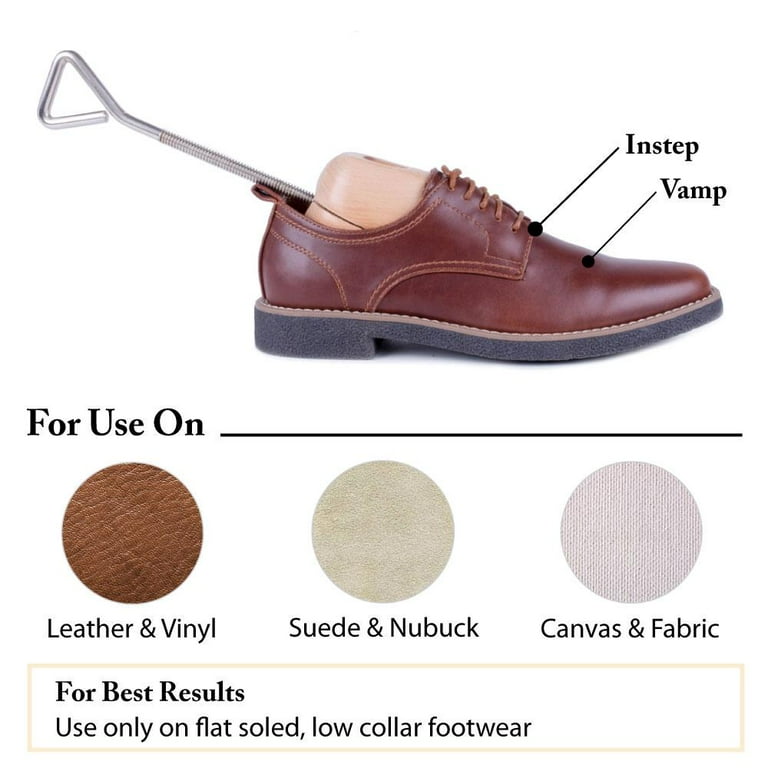
When people ask what is a shoe instep, they often mean two things. First, the foot instep is the top of the midfoot, also called the dorsum of the foot. Second, the shoe instep is the upper part of the shoe that crosses over that area, mainly the vamp and tongue.
Think of the instep as the bridge of your foot. It spans from the base of the ankle to the start of your toes. On a shoe, this area controls volume, pressure, and hold. If you want a fast answer to what is a shoe instep, it is the contact point that decides comfort.
Key related terms you will see:
- Vamp: The front top part of a shoe that covers the instep.
- Throat: The opening of the shoe near the laces; it affects instep depth.
- Last volume: The internal space a shoe allows over the instep.
Anatomy and Mechanics of the Instep
To grasp what is a shoe instep in practice, it helps to know the parts under it. Bones like the navicular, cuneiforms, and metatarsals sit here. Tendons of the tibialis anterior and toe extensors glide over the top and can get irritated by pressure.
The instep height reflects your arch structure. A high arch often means a higher instep. A flat arch often means a lower instep. When the shoe compresses this area, blood flow and nerve signals can suffer, which can cause numb toes or tingling.
Why Instep Fit Matters?
If you still wonder what is a shoe instep in terms of comfort, think fit. Too tight, and you feel throbbing, lace bite, or numb toes. Too loose, and you get heel slip, blisters, and poor control.
This one area sets the tone for the whole shoe:
- Comfort: Even pressure lets you wear shoes all day.
- Performance: Secure midfoot hold improves stability and push-off.
- Health: Adequate space reduces risk of tendon irritation and dorsal bumps.
Measuring Your Instep and Checking Fit
A simple way to test what is a shoe instep in your daily routine is to measure. In stores, a Brannock device can estimate instep volume, not just length and width. At home, use a soft tape and note the circumference from the floor over the highest point of the midfoot and back down.
Quick fit checks:
- Try on shoes at day’s end, when feet are a bit swollen.
- Stand, then walk. You should feel snug hold without pressure hot spots.
- Slide a finger under the laces at the tongue. It should enter with mild resistance.
- Flex your toes. If tingling starts, the instep is too tight.
Lacing can change how what is a shoe instep feels. Try skipping the eyelet over the sore spot or use parallel lacing for more room.

Common Instep Problems and Fixes
High instep
- Signs: Pain on top of foot, tight laces, quick numbness.
- Fixes: Choose higher-volume shoes, knit uppers, or boots with deeper throats. Use eyelet skipping or parallel lacing. Shoe stretching over the vamp can help.
Low instep
- Signs: Loose feel, heel slip, wrinkled vamp.
- Fixes: Add a tongue pad, use thicker socks, or tighten with a runner’s loop. Pick lower-volume lasts for a closer wrap.
Lace bite and tendon pain
- Causes: Rigid tongues, too-thin socks, tight knots.
- Fixes: Use a padded tongue or gel pad. Change to parallel lacing. Ease lace tension at the top two eyelets.
Bony bumps and dorsal exostosis
- Causes: Long-term pressure and friction.
- Fixes: Seek shoes with soft, pliable vamps. Ask a cobbler to spot-stretch the upper. If pain persists, consult a foot specialist.
Swelling and medical concerns
- Causes: Heat, long flights, pregnancy, or vascular issues.
- Fixes: Size for later-day fit. Use elastic laces for micro-adjustments. If swelling is new or painful, get medical advice.
These steps answer what is a shoe instep in real life: a zone that needs the right shape, not just the right size.
Instep Across Shoe Types and Sports
Different shoes handle what is a shoe instep in different ways.
Dress shoes
- Oxfords have a closed throat and can feel tight on high insteps.
- Derbies have an open throat and allow more instep room.
Running and training shoes
- Knit or engineered mesh uppers adapt better to a high instep.
- Gusseted tongues improve hold for low insteps without over-tight laces.
Hiking boots
- Look for a higher instep volume and deep lacing zones.
- Use heel-lock lacing to fix slip without crushing the instep.
Cleats and cycling shoes
- Many run narrow and low-volume. Try brands with wider lasts.
- Micro-adjust closures let you fine-tune pressure on the fly.
Ski and skate boots
- Volume shims and heat molding can tune the instep pocket.
- Small adjustments matter more here due to rigid shells.

Buying Guide and Expert Tips for a Better Instep Fit
From years of fitting, here is how to master what is a shoe instep at the store and online.
At the store
- Tell the fitter if you have a high or low instep.
- Ask about the last’s instep volume and throat depth.
- Try two lace patterns to test pressure points fast.
Online buys
- Read fit notes about volume, not just width.
- Order two sizes or two models and return the miss.
- Check return windows, as break-in can take a few short walks.
Break-in checklist
- Wear the pair at home for 30 minutes, twice.
- Note any numbness. If it starts in under 10 minutes, adjust lacing or size.
- Keep socks consistent while testing.
Brand patterns
- Some brands run low over the instep; others run high. Track what works for you and search store filters for volume notes.
Care, Training, and Long-Term Comfort
Daily care supports what is a shoe instep in both fit and health. Keep uppers clean and supple so they flex without rubbing. Use shoe trees in leather shoes to hold vamp shape.
Try simple moves:
- Toe lifts and ankle pumps to keep tendons gliding.
- Calf stretches to reduce forefoot load.
- Foot doming to support arches, which helps instep height and control.
If you switch to a new last shape, ease in. Short sessions prevent pressure spikes. If pain lingers, a podiatrist or certified fitter can fine-tune your plan.
Frequently Asked Questions of what is a shoe instep
What is a shoe instep in simple terms?
It is the top of your midfoot and the shoe part that covers it. Good instep fit spreads pressure and helps hold your foot in place.
How do I know if my instep is high or low?
Look at the curve on top of your foot when standing. A steep rise is high; a flat line is low. A fitter can confirm with volume checks.
Why does the instep hurt in new shoes?
The vamp or laces may press on tendons and nerves. Loosen the top eyelets, try parallel lacing, or choose a higher-volume model.
What is a shoe instep vs an arch?
The arch is the bottom curve of your foot. The instep is the top of the midfoot. Both link, but they are different areas.
Can lacing fix instep pressure?
Yes, lacing can shift pressure away from hot spots. Skip an eyelet over the sore area or use parallel lacing to add room.
How does sock choice affect the instep?
Thin socks can focus pressure under the laces. A cushioned tongue or slightly thicker socks can smooth contact and improve comfort.
Does brand sizing change instep feel?
Yes, brands use different lasts and volumes. Two size 9 shoes can feel very different across the instep.
Conclusion
Now you know what is a shoe instep, why it matters, and how to fit it well. Small changes in lacing, volume, and shoe choice can remove pain, boost control, and make your day easier.
Use the tips here on your next try-on. Test at the right time of day, check pressure, and tune laces. Ready for more fit guides? Subscribe for updates or leave a comment with your instep question.


