

What Is A Shoe Wedge? 2026 Guide To Style And Comfort
A shoe wedge is a single-piece heel that lifts and supports the whole foot.
If you have ever wondered what is a shoe wedge and why it feels steadier than a stiletto, you are in the right place. I have fitted hundreds of clients for wedges in retail and studio settings. In this guide, I explain what is a shoe wedge with clear steps, real examples, and expert tips you can use today.
What Is a Shoe Wedge? Definition and Key Features
A wedge is a shoe with a heel and sole made as one piece that runs from the heel to the midfoot or forefoot. It spreads weight along a larger base, so your steps feel stable. When people ask what is a shoe wedge, I say it is the bridge between flats and high heels.
Key parts you should know:
- Upper The part that covers your foot, like leather, canvas, or knit.
- Wedge heel The solid lift under your heel and arch. It can be low, mid, or high.
- Platform The front thickness that reduces the foot’s pitch. Not all wedges have one.
- Midsole or core The inside layer that can be cork, EVA, or wood.
- Outsole The ground-contact layer, often rubber or TPU, for grip.
How it works:
- The base is wide, so side-to-side wobble is lower than with stilettos.
- Pitch and height set pressure on the ball of your foot.
- Materials shape comfort, flex, and shock absorb.
This baseline helps you answer what is a shoe wedge from a design and comfort view.
History and Evolution of Wedge Shoes
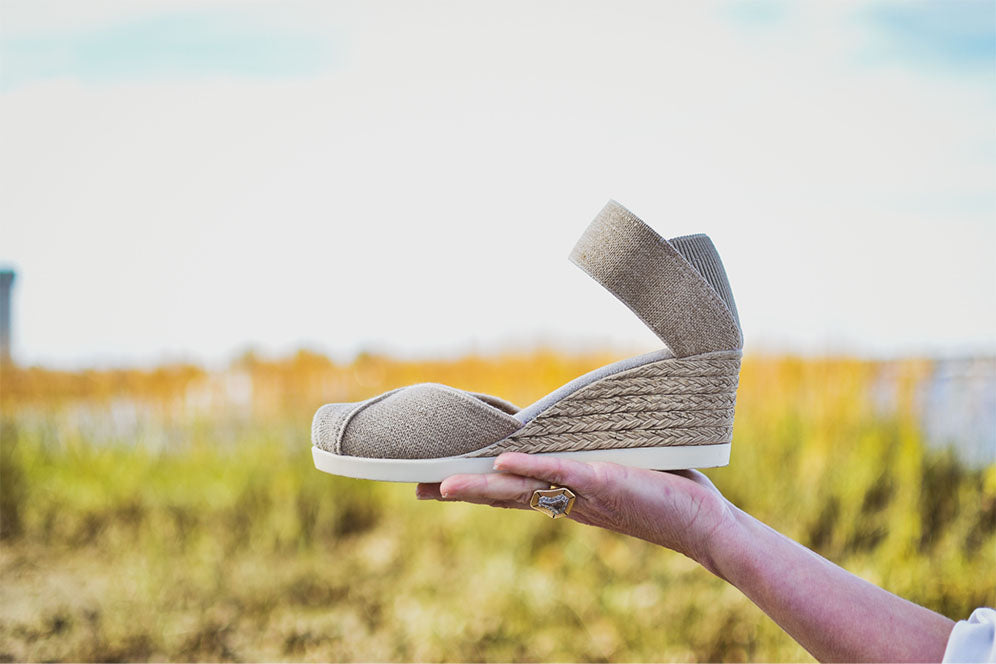
To grasp what is a shoe wedge today, look at its past. In the 1930s, European makers used cork and wood due to leather and steel limits. The wedge rose in the 1940s as a stable lift for day wear.
The 1970s made espadrille wedges a warm-weather icon. The 2000s brought sneaker wedges and dress wedges for office looks. Today, new foams and recycled soles make wedges light, strong, and more green.
Types of Wedge Shoes and Wedge Soles
When shoppers ask what is a shoe wedge good for, I show how many types exist. Each serves a time, place, and style.
Everyday and dress styles
- Wedge sandals Open styles for summer. Easy to pair with dresses and shorts.
- Espadrille wedges Jute-wrapped midsoles with a beach vibe.
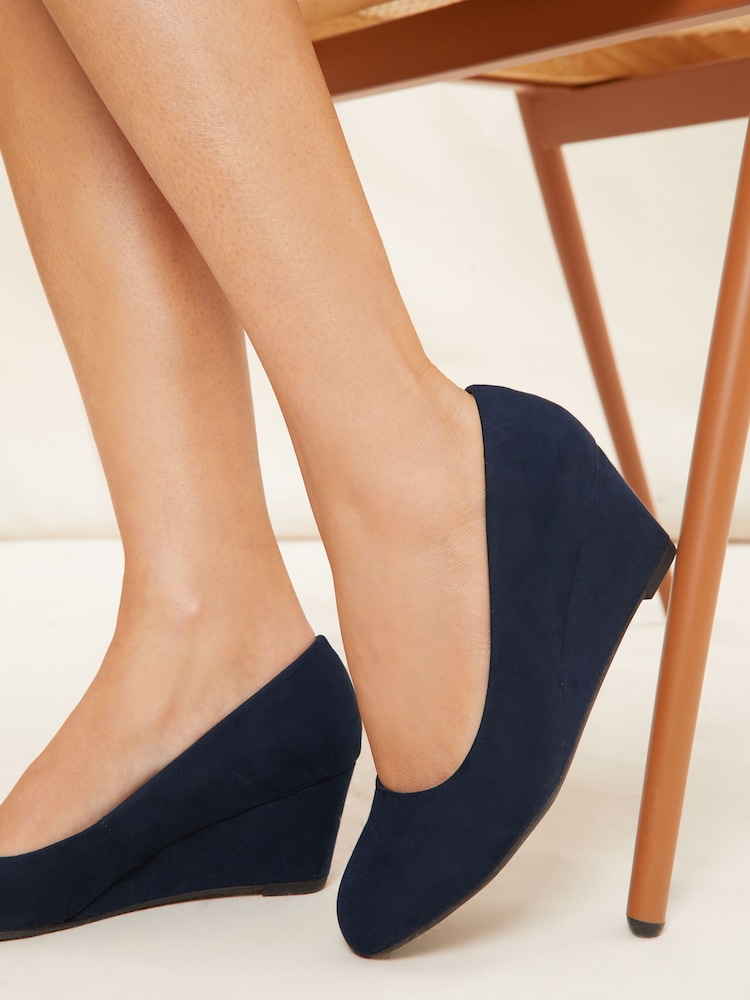
- Closed-toe wedge pumps Office-ready with a smooth upper.
- Wedge boots Ankle or knee styles for fall and winter.
- Wedge sneakers Street look with hidden lift.
Height levels
- Low wedge 1 to 2 inches. Best for long walks and work days.
- Mid wedge 2 to 3 inches. A sweet spot for comfort and style.
- High wedge 3 inches and up. Great for events, but test balance first.
Special-purpose wedges
- Orthopedic wedge Designed to guide foot motion or offload pain points.
- Recovery and post-op wedge Used after surgery to shift pressure.
- Trail wedge outsole Lugged base for grip on mixed paths.
Knowing these types helps you answer what is a shoe wedge for your needs, not just the look.

Benefits and Limitations
If you wonder what is a shoe wedge doing for comfort, think trade-offs. It offers gains in stability, with some costs in weight and flex.
Benefits:
- Stability Wider base cuts ankle wobble on uneven ground.
- Height with comfort Pitch is smoother than thin heels.
- Pressure spread Weight moves across more of the foot.
- Versatility Goes from work to weekend with ease.
- Traction Rubber outsoles grip better than many pumps.
Limitations:
- Forefoot load High wedges can still stress the ball of your foot.
- Weight Some wedges feel heavy, which can tire calves.
- Flex A stiff midsole may not bend where you need it.
- Fit traps Tight straps or low vamps can rub or pinch.
- Not a cure A wedge is not a fix for all foot pain or posture issues.
Biomechanics research suggests wedges reduce ankle inversion risk compared with stilettos. Still, high pitch can raise forefoot pressure. Test shoes on real floors before you buy.

Fit, Sizing, and Comfort Science
During fittings, clients ask what is a shoe wedge size that works for all brands. It does not exist. Each brand shapes length, width, and pitch in its own way.
Fit checklist:
- Length Your longest toe should have a thumb’s width of room.
- Width No bulging over the edge. Snug, not tight.
- Arch match The wedge should meet your arch, not poke it.
- Heel seat Your heel should not lift with each step.
- Straps and vamps They should hold, not bite. Add a last hole if needed.
Comfort tips I use:
- Try both feet late in the day when feet are fuller.
- Walk on tile and carpet. Test ramps or stairs if you can.
- Use a thin gel under the ball of the foot to cut burn.
- If you feel calf strain, the pitch is too steep for you.

Styling Guide: How to Wear Wedges for Work, Weekends, and Events
What is a shoe wedge outfit that looks sharp and feels easy? Pair clean lines with the right height.
Work looks:
- Closed-toe suede wedge with ankle-grazer pants and a crisp blouse.
- Leather wedge pump with a midi skirt and a knit top.
Weekend looks:
- Espadrille wedge with a sundress and a denim jacket.
- Low wedge sneaker with straight jeans and a tee.
Event looks:
- High nude wedge with a wrap dress to lengthen the leg.
- Metallic wedge sandal with a jumpsuit and simple jewelry.
Color tip:
- Nude or tan blends with skin tone to elongate legs.
- Black grounds bold prints and looks sleek.
Materials and Craftsmanship
Clients often ask, what is a shoe wedge made of, and does it matter? Yes, it does. The core and cover change weight, flex, and breath.
Common materials:
- Cork Light, springy, and molds to your foot.
- EVA foam Very light and soft; great for long wear.
- Jute Classic espadrille wrap; strong but hates water.
- Wood Very stiff; stylish but needs good fit to avoid rub.
- Rubber outsole Durable grip; often siped for wet floors.
- Leather or vegan uppers Breath and shape vary with quality.
Build quality signs:
- Even glue lines with no gaps.
- Stitching that is tight and straight.
- Outsole that is flat on the floor with no rock.
- Insole that supports your arch without a hard ridge.
Eco note:
- Recycled rubber and bio-based foams lower impact.
- Traceable leather and water-based glues add safety.

Care, Maintenance, and Safety Tips
What is a shoe wedge maintenance plan that keeps pairs fresh? A little care goes a long way.
Care steps:
- Brush jute dry. Do not soak. Spot clean with mild soap.
- Seal cork with a light cork sealer to prevent cracking.
- Wipe leather with a damp cloth. Condition a few times a year.
- Air out after wear. Use cedar inserts for smell and shape.
Safety and wear:
- Add clear grip pads if the outsole feels slick.
- Replace worn heel edges before the wedge tilts.
- Rotate pairs to let midsoles rebound.
- For wet days, pick rubber outsoles with deep texture.
Buying Checklist and Price Guide
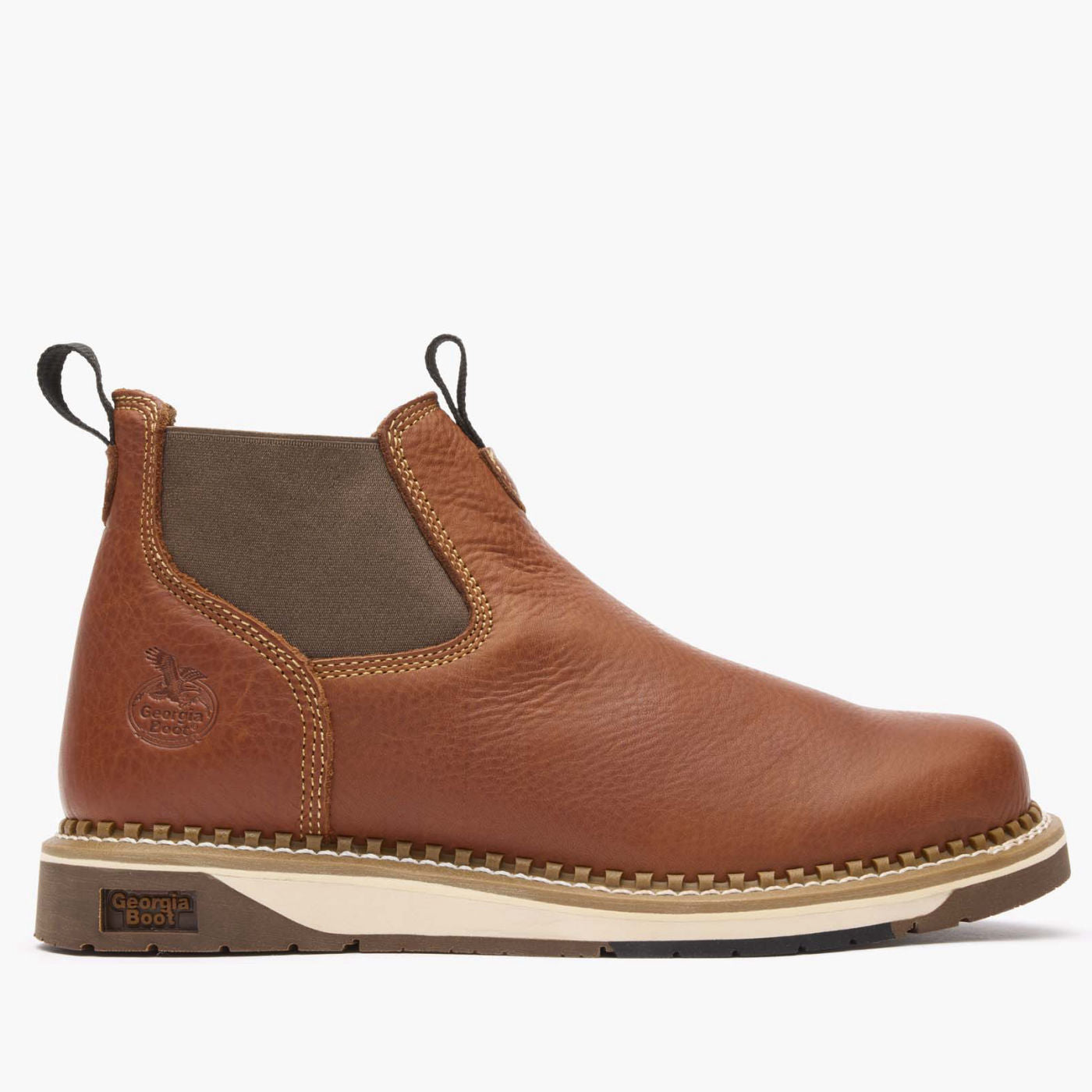
Before you buy, ask what is a shoe wedge worth to you in comfort and use. Price often reflects build, fit, and life span.
Smart shopping steps:
- Set the use case Work, daily walk, or special event.
- Pick height you can stand in for 20 minutes without strain.
- Bend test Front should flex a bit where toes bend.
- Try on with real socks or inserts you plan to use.
- Check return policy in case home floors tell a new story.
Price ranges:
- Budget Foam cores and basic outsoles. Great for trend tests.
- Mid-range Better leather or knit, cushioned insoles, and good grip.
- Premium Quality materials, stable builds, and repair options.
Related Concepts: Wedge Sole vs Platform vs Block Heel
People often search what is a shoe wedge vs a platform or a block heel. The shapes look close, but the feel is not the same.
- Wedge sole One-piece lift under most of the foot. Stable and smooth.
- Platform A thick front under the toes that can pair with any heel type.
- Block heel A wide, separate heel under the rear only. Stable, but not a single-piece base.
A high platform can make a tall wedge feel softer by cutting pitch. A block heel gives a crisp step-off but less midfoot support.
Frequently Asked Questions of what is a shoe wedge
Is a wedge better for your feet than a stiletto?
Often yes. The wider base spreads pressure and reduces ankle wobble, but high wedges can still stress the forefoot.
Can people with flat feet wear wedges?
Many can, if the arch shape matches the foot. Look for cushioned insoles and a mild pitch under 2.5 inches.
Are wedges good for standing all day?
Low to mid wedges with soft midsoles can work. Add a forefoot pad and rotate pairs to reduce fatigue.
What is the best material for a lightweight wedge?
EVA foam and cork are light and absorb shock. They also adapt to the foot over time.
How do I stop sliding forward in a high wedge?
Use a ball-of-foot pad and adjust straps for hold. A small platform also helps reduce pitch.
Do wedges work for wide feet?
Yes, if you choose wide sizes and soft uppers. Avoid narrow vamps and rigid toe boxes.
Are wedge sneakers still in style?
They cycle in and out. Clean, minimal wedge sneakers remain a steady casual pick.
Conclusion
A clear grasp of what is a shoe wedge starts with design, fit, and purpose. The wedge blends height with stability, and it shines when you match type, material, and pitch to your life. Use the checklists, try-on steps, and care tips here to make a choice that feels good and lasts.
Ready to find your pair? Test two heights at home, note how your feet feel after 20 minutes, and share your results. Subscribe for more smart fit guides, or leave a comment with your go-to wedge brand and why it works for you.


