What Is A Low Drop Running Shoe? (Benefits & Fit Guide 2026)
A low drop running shoe has 0–6 mm heel-to-toe height difference for a flatter feel.
If you have ever typed what is a low drop running shoe into a search bar, you are not alone. I coach runners, test shoes, and study gait. This guide explains what is a low drop running shoe in clear terms, shows how it changes your stride, and helps you choose with confidence. You will learn the pros, cons, and safe steps to switch. By the end, you will know if a low drop model fits your goals and body.

What Does Heel-to-Toe Drop Mean?
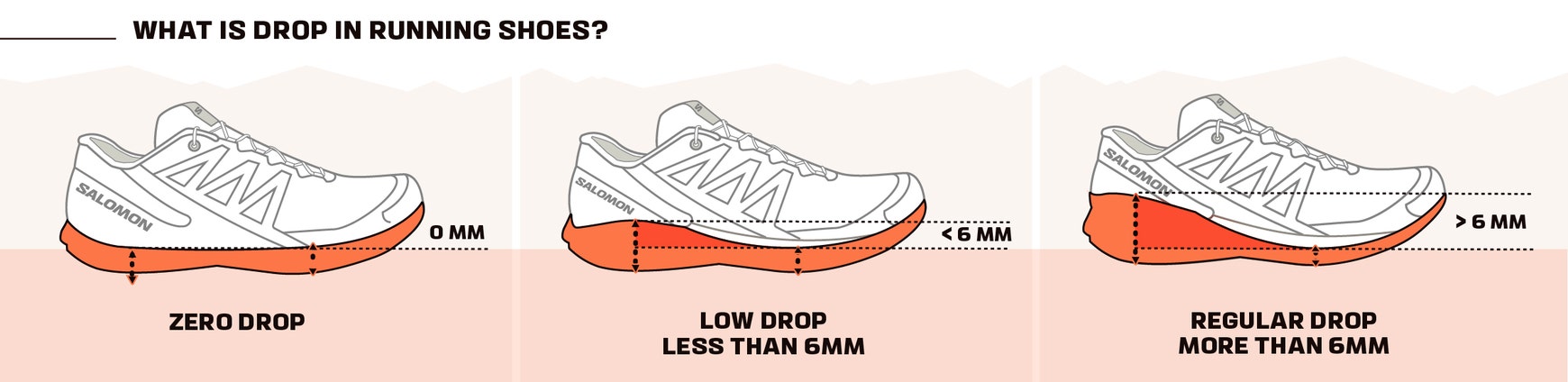
Heel-to-toe drop is the height difference between the heel and the forefoot of a shoe. It is measured in millimeters. Most classic trainers have 8–12 mm of drop. A low drop running shoe has 0–6 mm. Zero drop means both ends are the same height.
People often ask what is a low drop running shoe because drop affects how your foot lands. Think of drop as a small ramp under your foot. More drop tilts you forward at the ankle. Less drop lets your foot sit more flat.
Key terms made simple:
- Stack height The total foam under your foot. You can have high stack with low drop.
- Drop The difference in stack between heel and forefoot.
- Rocker The curve of the sole that can help you roll forward.
When you ask what is a low drop running shoe, you are really asking how that ramp changes your form. The answer starts with biomechanics.
How Low Drop Changes Your Running Mechanics
Lower drop tends to shift load from the knee to the ankle and foot. Many runners feel a midfoot or forefoot strike. Some still heel strike. That is okay. Foot strike is a spectrum.
In lab studies, lower drop can:
- Increase ankle dorsiflexion demand Your Achilles and calf work more.
- Reduce knee flexion moments Your knees may take less load.
- Change contact time You may land a bit softer and longer.
Real life is messy. Pace, terrain, and shoe foam also matter. A soft, high-stack low drop model can feel very smooth. A firm, thin low drop may feel harsh. The drop sets the angle. The rest of the shoe sets the ride.
When people ask what is a low drop running shoe good for, I say it helps some runners find a natural rhythm. It can promote a stable, centered landing.
Benefits of Low Drop Running Shoes
Why pick low drop? The benefits are real, but they depend on you.
- More natural posture Your foot sits flatter, which can feel more stable on trails.
- Better feel for the ground You may sense small changes in surface and adjust fast.
- Calf and arch engagement You can build strength over time with smart loading.
- Knee comfort Some runners with knee pain feel relief with less drop.
- Smooth cadence A low drop often pairs well with a quick, light step.
Coaches often get the question what is a low drop running shoe doing for speed. It can help you keep a compact stride and fast turnover. That is great for 5K to half marathon work. Many elites train in a mix of drops for balance.
Risks and Limitations
Low drop is not a free pass. It shifts stress.
- Higher Achilles and calf load You may get tight, sore, or even injured if you rush.
- Metatarsal stress Too much, too soon can irritate the forefoot.
- Limited help for severe heel pain A big heel wedge can calm acute plantar issues.
Evidence notes a learning curve. Trials have shown more calf soreness in the first weeks when switching to lower drops. That settles as tissues adapt. Respect the process.
Also, what is a low drop running shoe without the right fit? A poor fit can ruin the ride. Fit beats drop every time.
Who Should Consider Low Drop, And Who Should Avoid It?
You may benefit if:
- You want a more natural stance You like feeling level underfoot.
- You run trails You want stability on uneven ground.
- You seek knee comfort You want less forward tilt at the knee.
- You have strong calves and time to adapt You can add strength work.
You may skip or go slow if:
- You have Achilles tendinopathy The extra load can flare it.
- You have acute plantar fasciitis A higher heel can give relief early on.
- You have limited ankle mobility You feel blocked at the ankle.
- You are in peak race prep Changing drop mid-cycle is risky.
When a client asks what is a low drop running shoe doing for their injury, I explain load shift. If your knee hurts, it might help. If your Achilles hurts, it might not.
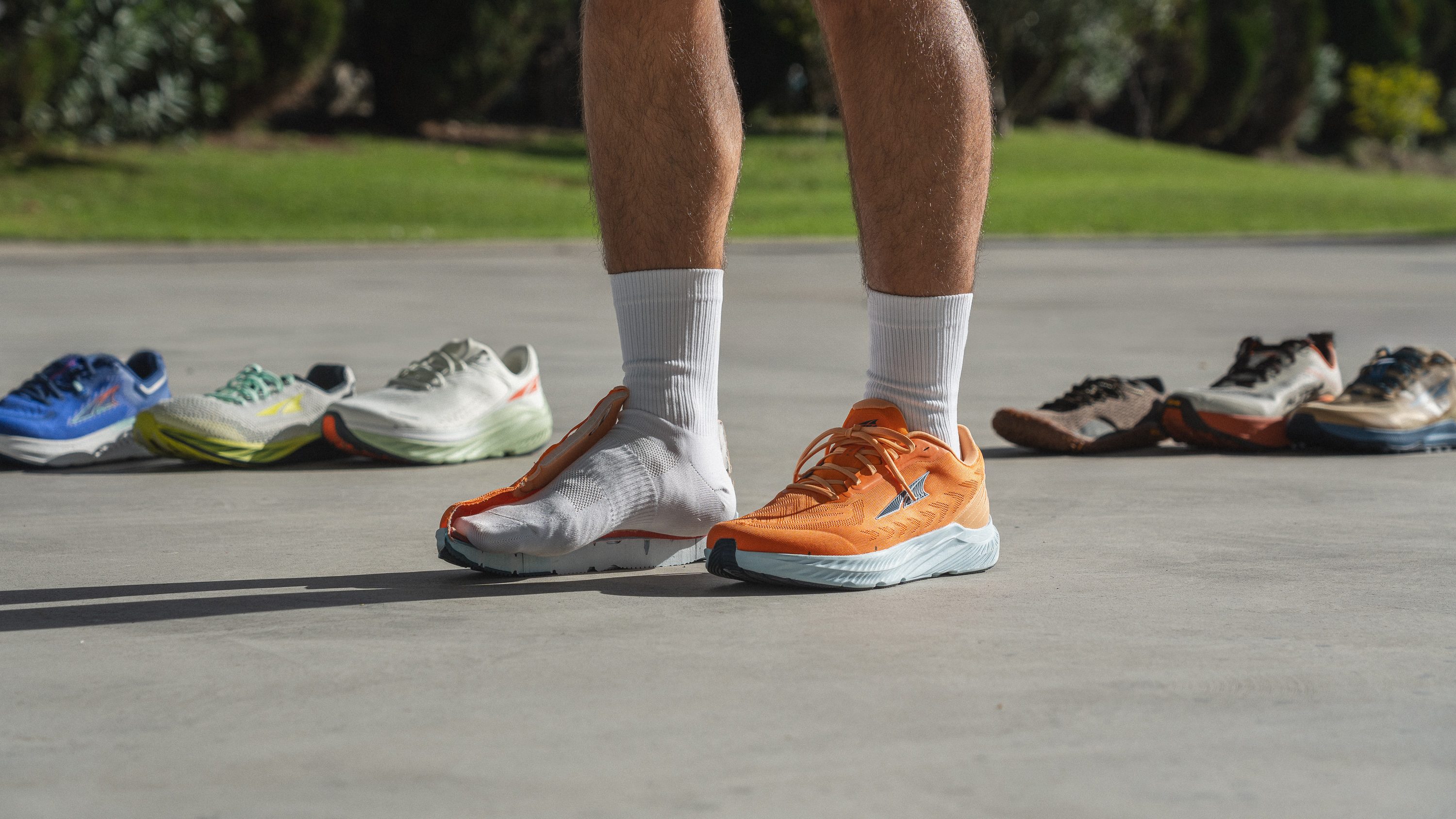
How To Transition Safely
Switch in small steps. Your body needs time.
- Start with one or two short runs per week Keep them easy.
- Cut volume by 30–50 percent in low drop shoes at first Build up over 4–8 weeks.
- Add calf and foot strength Heel raises, bent-knee raises, short foot drills.
- Keep your old shoes Rotate pairs to split load.
- Watch for warning signs Morning Achilles pain, hot spots, or sharp forefoot pain.
I give a simple plan: Week 1–2, 10–20 percent of miles in low drop. Week 3–4, 30–40 percent. Week 5–6, 50–60 percent if no pain. Move slower if you feel sore. Ask yourself each week what is a low drop running shoe doing to my calves. If the answer is a lot, hold.
:max_bytes(150000):strip_icc()/Zero-Drop-Shoes-GettyImages-740521251-74e4b479ec1544a0a9bfcfb33d696829.jpg)
How To Choose The Right Low Drop Shoe
Not all low drop shoes feel the same. Look at the full build.
- Drop Aim for 4–6 mm if you are new. Go 0–2 mm once you adapt.
- Stack height Higher stack gives more cushion. Lower stack gives more feel.
- Foam type PEBA and super foams feel soft and springy. EVA feels firm and steady.
- Stability Sidewalls, a wide base, or a gentle rocker can help guide your stride.
- Fit Roomy toe box if you splay your toes. Lockdown at the heel is key.
- Terrain Trail models add grip and a rock plate. Road models roll smoother.
- Use case Daily trainer for most miles. Tempo shoe for speed. Racer for events.
A buyer often asks what is a low drop running shoe for long runs. Pick higher stack with a mild rocker. It will spare your calves yet keep the level stance you want.
Low Drop vs Zero Drop vs Traditional High Drop
Let’s compare three camps.
- Zero drop 0 mm. Very level feel. Demands strong calves and good ankle range.
- Low drop 1–6 mm. Middle ground. Natural stance with a bit of heel relief.
- High drop 8–12 mm. More heel cushion and off-loads the Achilles. Common in classics.
What is a low drop running shoe best for compared to zero drop? It is more forgiving. You get many of the feel benefits without a hard jump. For lots of runners, 4–6 mm is the sweet spot.
:max_bytes(150000):strip_icc()/shp-altra-womens-escalante-4-paden-reich-03-76b4d7a3767e493ca9ec2a40005c9763.jpeg)
Real-World Lessons From Testing Low Drop Shoes
In my first season testing low drop, I made two mistakes. I ran too much, too fast. My calves lit up by week two. I reset, cut volume, and added slow heel raises. The soreness faded in a month.
Today, I rotate a 4 mm daily trainer and a 2 mm trail shoe. On easy days, the 4 mm feels smooth. On rocky trails, the low drop helps me stay steady and stacked. I ask new clients what is a low drop running shoe doing for your form today. Many say it keeps them tall and quick. That is the sweet spot.
Tips I give every runner:
- Keep strides short and light You will land softer.
- Do 5 minutes of calf and foot work after runs It adds up.
- Log your shoe data Note drop, stack, and how you felt.
Care And Longevity Tips
Care keeps the ride safe and steady.
- Rotate pairs Foam rebounds better with rest days.
- Air dry Remove insoles and let them sit away from heat.
- Check compression lines When the midsole creases deep, cushion may be done.
- Replace by feel and miles Many low drop trainers last 300–500 miles, but listen to your body.
A common question is what is a low drop running shoe lifespan. It matches other trainers. Foam type and your gait matter more than drop alone.
Frequently Asked Questions of what is a low drop running shoe
What is a low drop running shoe in simple terms?
It is a shoe where the heel is 0–6 mm higher than the forefoot. That small difference gives a flatter, more level stance.
Is a low drop running shoe better for knee pain?
It can reduce stress at the knee for some runners. Test it slowly and track symptoms over 2–4 weeks.
Will a low drop running shoe fix my form?
No shoe can fix form on its own. Low drop can encourage a centered landing, but technique and strength still matter.
Can beginners use a low drop running shoe?
Yes, if you progress with care. Start with 4–6 mm and build miles over a month or more.
How does a low drop running shoe affect the Achilles?
It increases load on the calf-Achilles complex. Add strength work and avoid big jumps in volume.
What is the difference between low drop and zero drop?
Zero drop is 0 mm and feels very level. Low drop is 1–6 mm and is more forgiving for most runners.
Conclusion
A low drop running shoe sets a modest heel-to-toe angle that can change how you load your joints. It may ease knee stress, boost ground feel, and help cadence. It can also tax your calves if you rush the switch. Your best path is simple: pick a good fit, start with 4–6 mm, rotate pairs, and build strength.
If you came here asking what is a low drop running shoe, you now have the tools to decide. Try a short test run, log how you feel, and adjust with care. Ready to go deeper? Subscribe for weekly gait tips, or leave a comment with your goals and I will help you map a plan.