

What Is A Hoka Shoe? [Ultimate Guide 2026]
A Hoka shoe is a maximal cushion running and walking shoe with rocker soles.
If you have ever asked what is a hoka shoe and why people love them, you are in the right place. I have spent years testing, fitting, and reviewing Hoka models for runners and walkers. In this guide, I explain what is a hoka shoe, how it works, who it helps, and how to choose your best pair. Expect clear steps, real examples, and expert tips you can use today.
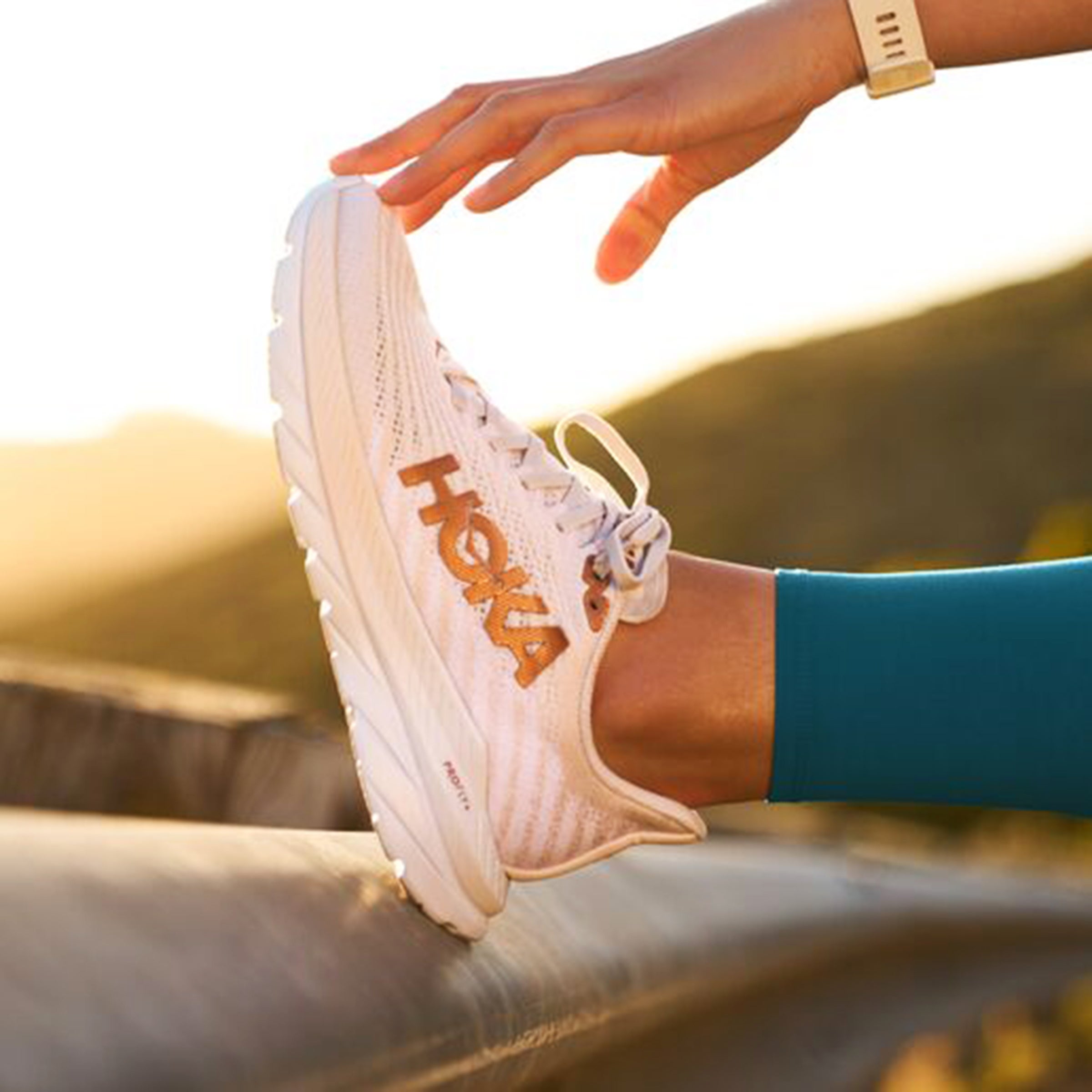
What Is a Hoka Shoe? A Clear Definition
A Hoka shoe is a performance shoe known for thick foam and a smooth rocker shape. The design helps you roll forward with less effort. It supports long miles, easy days, and time on your feet.
The brand began in 2009 and built a fan base fast. Many ask what is a hoka shoe because it looks big yet feels light. The shoes often have a low heel-to-toe drop and wide bases for stable landings.
If you wonder what is a hoka shoe in simple terms, think of a soft yet lively ride. It aims to cut impact without killing speed. That is why runners, walkers, nurses, and hikers use them.
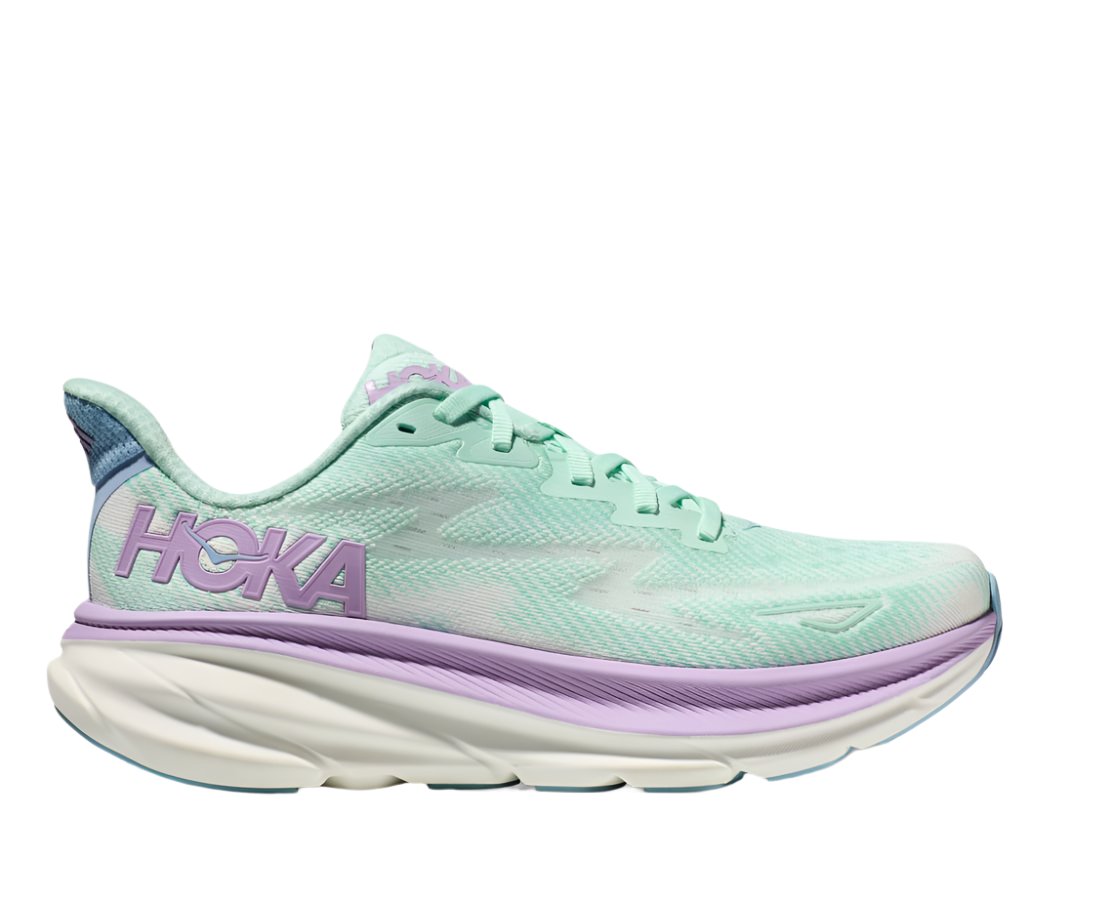
How Hoka Shoes Work: Key Tech Explained
Hoka uses a few core ideas to shape the ride. If you still ask what is a hoka shoe under the hood, these parts matter most.
- High stack midsoles: Many models use tall foam layers for impact control.
- Meta-Rocker geometry: A curved sole helps quick toe-off and smooth stride.
- Foam blends: EVA and newer blends give a soft but springy feel.
- Support frames: Some shoes add a J-Frame for guidance without a hard post.
- Wide contact area: A broad base improves stability at foot strike.
- Carbon plates: Race models use a plate for snap and speed.
Heel-to-toe drop often sits around 4 to 5 mm. That low drop can ease calf load for some but may need a short break-in. If you ask what is a hoka shoe in function, it is a system that mixes cushion, rocker, and stability.
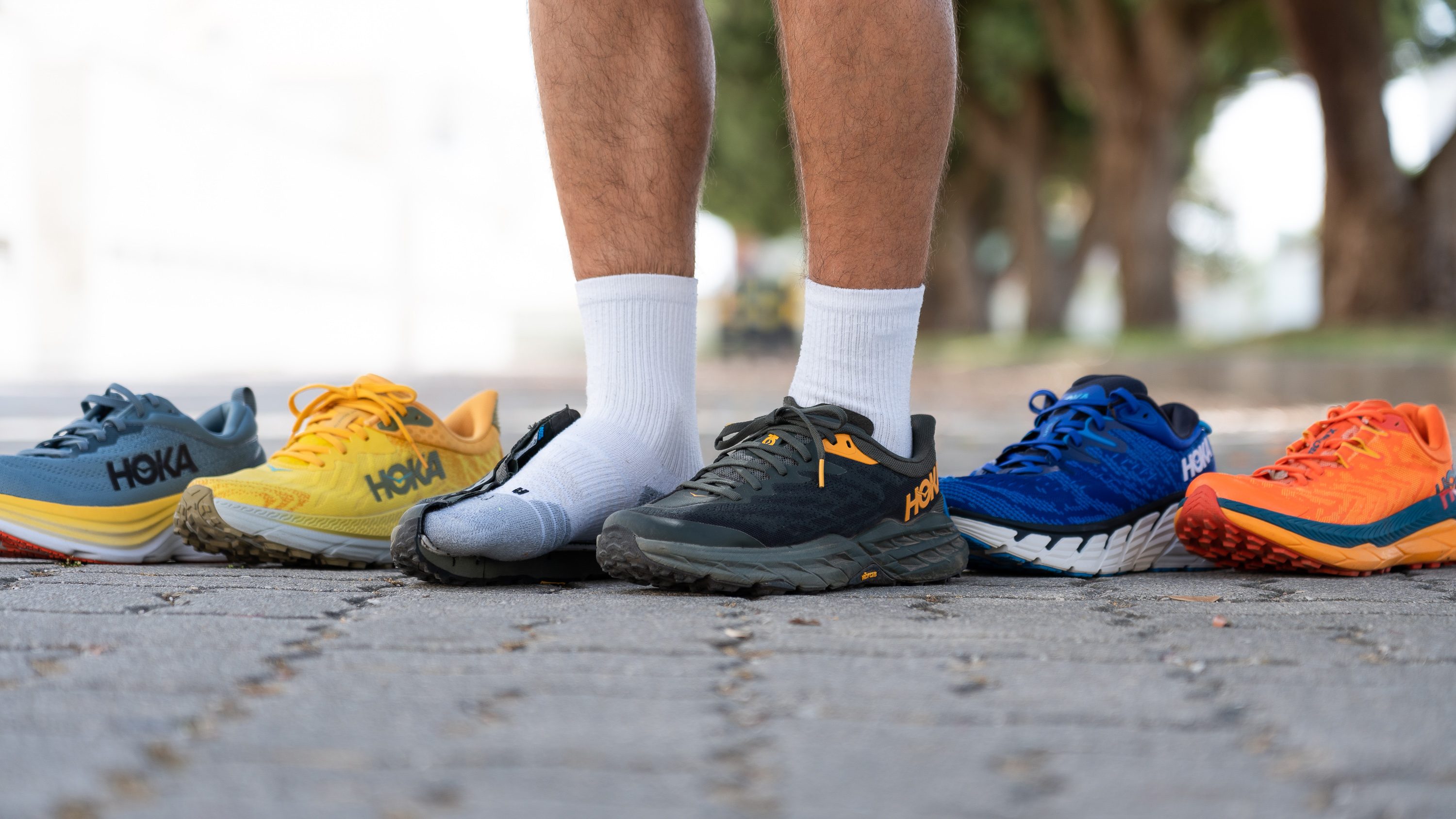
Types of Hoka Shoes and Popular Models
Hoka builds shoes for road, trail, speed, and all-day wear. If you ask what is a hoka shoe for your use, start with the right group.
- Road daily trainers: Clifton, Bondi, Mach. Great for easy runs and walks.
- Stability options: Arahi, Gaviota. Add gentle guidance for overpronation.
- Speed and race: Rocket X 2, Mach X. Lighter, faster, and more snappy.
- Trail running: Speedgoat, Challenger, Torrent, Mafate. Grip and rock guard off road.
- Hiking and outdoor: Anacapa, Kaha. Support and cushion for long treks.
- Work and walking: Bondi SR. Slip resistant and built for long shifts.
Each model fits a job, a foot shape, and a pace. When you ask what is a hoka shoe that fits me, match the model to your main use first.

Benefits: Why People Choose Hoka
What is a hoka shoe good at? It can help you go longer with less stress. It shines for daily miles and time on your feet.
- Reduced impact: Thick foam can ease joint load on hard roads.
- Smooth stride: The rocker helps keep form steady when tired.
- Comfort for standing: Popular with nurses, teachers, and retail teams.
- Recovery support: Great for the day after a hard workout.
- Versatility: Road to light trail options, plus race day picks.
Many ask what is a hoka shoe best for if you have sore feet. It may help with general discomfort. It is not a cure, but it can feel kind on heels and knees.

Source: menshealth.com
Limitations, Trade-Offs, and Myths
No shoe is perfect. Knowing limits helps you buy smart. If you wonder what is a hoka shoe not ideal for, start here.
- Weight: Big foam can add grams in some models.
- Feel: Very soft foam may feel vague at max speed for some.
- Stability off camber: Tall stacks can feel tippy on rough side hills.
- Fit quirks: Some older models ran narrow in the forefoot.
Common myths to avoid:
- Myth: Only for older runners. Truth: Many fast athletes race in Hokas.
- Myth: Too soft to be quick. Truth: Plates and firmer blends add snap.

How to Choose the Right Hoka for You
If your key question is what is a hoka shoe that fits my goals, use this plan.
- Define use: Daily runs, walks, long shifts, or races.
- Pick cushion level: Moderate (Clifton) or max (Bondi).
- Check support needs: Neutral (Clifton) or guided (Arahi, Gaviota).
- Match surface: Road (Clifton), trail (Speedgoat), hybrid (Challenger).
- Try fit: Length, width options, and toe room.
Ask yourself what is a hoka shoe that meets my stride and pace. Start with two models. Test them side by side on the same loop.
Fit, Sizing, and Break-In Tips
Most Hoka shoes fit true to size, with a secure heel and roomy toe box. Some models come in wide. Try shoes in the afternoon when feet swell.
- Aim for a thumb’s width at the toes.
- Use heel lock lacing if you feel slip.
- Break in over 20 to 30 miles.
- Swap insoles if you need more arch feel.
If you ask what is a hoka shoe fit like, think plush but secure. The rocker feel grows more natural after a few runs.
Care, Lifespan, and Sustainability
Hoka road shoes often last 300 to 500 miles. Trail shoes vary with surface and wear. Rotate pairs to extend life and dry foam.
- Clean with mild soap and a soft brush.
- Air dry away from heat.
- Track miles so you spot wear on time.
Many newer uppers use recycled fibers. The brand reports steps to cut waste and boost responsible supply. If you ask what is a hoka shoe doing for the planet, the work is active but still ongoing.
Real-World Notes From the Field
I have tested the Bondi for long recovery runs and full work days. The plush feel saved my legs after 20-mile weeks. On the flip side, I avoid it for sharp speed work.
The Clifton became my all-round choice for run-commutes. It felt light and smooth on poor city paths. On trails, the Speedgoat gripped well, but I watched my ankles on steep side slopes.
What is a hoka shoe lesson I learned? Do not lace too tight on day one. Let the foam and rocker guide you. Keep your cadence steady, and the shoe does the rest.
Hoka vs Other Running Shoes: When to Pick Each
If you compare brands, ask what is a hoka shoe best at versus others.
- Versus Brooks Ghost and ASICS Gel-Nimbus: Hoka feels softer with more rocker. Ghost and Nimbus feel classic and cushioned with a higher drop.
- Versus Nike Invincible: Both are soft. Hoka feels more stable due to a wider base.
- Versus On Cloud models: Hoka rides smoother with thicker foam. On feels firmer and snappier underfoot.
Pick Hoka for comfort, long days, and smooth stride. Pick a firmer rival for tight road feel and fast steps if you like ground contact.
Price, Value, and Smart Buying
Most Hoka trainers cost around 140 to 180 dollars. Race shoes with plates can reach 200 to 250 dollars. Many models go on sale when new versions launch.
- Try on both feet and jog in-store if allowed.
- Use stores with easy returns to test fit at home.
- Watch for last-season color deals.
If you ask what is a hoka shoe value case, think long-term comfort and less fatigue. For many, that is worth the spend.
Frequently Asked Questions of what is a hoka shoe
What makes Hoka different from other running shoes?
Hoka stands out for tall foam, a rocker sole, and a broad base. This combo gives a smooth roll and soft landings without feeling sluggish.
Are Hoka shoes good for walking and standing all day?
Yes, many people use Bondi, Clifton, or Bondi SR for long shifts. The cushion and rocker reduce fatigue over hours on hard floors.
Do Hoka shoes help with knee or heel pain?
They can ease impact and may feel better for sore joints. They are not medical devices, so see a professional for lasting pain.
How long do Hoka shoes last?
Most pairs last 300 to 500 miles, based on use and surface. Rotate shoes and replace them when the tread or midsole feels flat.
Are Hoka shoes only for slow runs?
No. Many athletes train and race in faster Hoka models like Rocket X 2. The right foam and plate setup can be very quick.
Do I need to change my running form with Hokas?
Not much. The rocker helps your stride flow. Keep a light lean and steady cadence, and the shoe will work with your form.
Are Hoka shoes stable enough for trails?
Trail models like Speedgoat and Mafate offer strong grip and support. On steep side hills, any tall shoe needs mindful footwork.
Conclusion
You came here asking what is a hoka shoe, and now you know it is a high-cushion, rocker-style shoe built to move you forward with less strain. It works for daily runs, long walks, busy shifts, and even race days with the right model. The trade-offs are clear, and the fit tips help you get it right the first time.
Try two models that match your main goal, run a short loop in each, and pick the pair that makes you want to go again. If this guide helped, share it with a friend, subscribe for more gear tips, or leave a question so I can tailor a follow-up.


