

What Is A Minimalist Shoe: Benefits, Fit, And Guide
A minimalist shoe is a thin, flexible, low-profile shoe that mimics barefoot movement while protecting feet.
If you have wondered what is a minimalist shoe, you are in the right place. I have tested dozens of pairs across road runs, trail hikes, strength sessions, and long workdays. This guide explains what is a minimalist shoe in clear terms, with science, real use cases, and step-by-step tips you can trust.
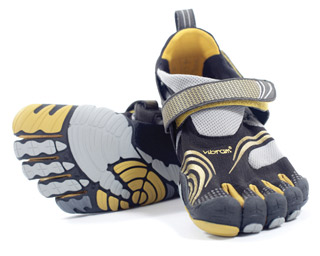
What Is a Minimalist Shoe? Definition and Core Features
To answer what is a minimalist shoe, think of a design that lets your foot work as nature intended. The shoe adds only what you need for protection and grip. It removes thick padding and rigid control.
Core traits you will often see:
- Low stack height. The sole is thin to keep ground feel and quick feedback.
- Zero drop or low drop. Heel and forefoot sit at the same or near level.
- Wide toe box. Toes can spread for balance and push-off power.
- High flexibility. The shoe bends and twists in many directions.
- Light weight. Less mass helps natural motion and cadence.
- Minimal structure. Little to no motion control, arch posts, or stiff heel counters.
- Simple outsole. Enough grip for the surface, not more.
There is no single rule for thickness or weight. Many models keep stack height under 20 mm and use zero drop. What matters is how the shoe lets your foot move. When people ask what is a minimalist shoe, the most useful answer is this: it is a tool that protects you while letting your body do the work.
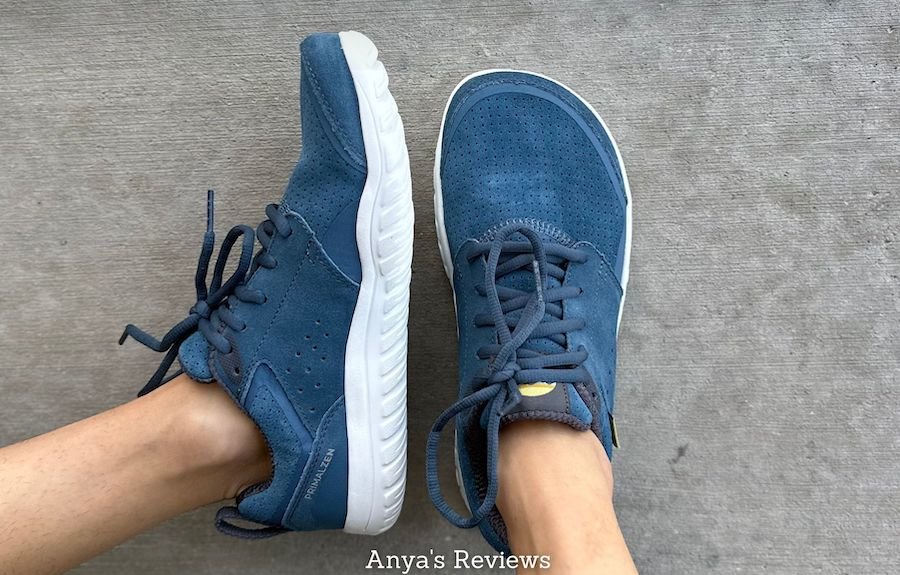
Source: anyasreviews.com
The Biomechanics: How Minimalist Shoes Change Movement
Minimalist shoes shift load from the shoe to the body. You feel more from the ground. That extra feedback guides lighter steps and a shorter stride. Many runners land more on the midfoot or forefoot. This may reduce braking and knee load while it increases demand on the ankle and calf.
Peer-reviewed studies show two common results:
- More muscle activity in the intrinsic foot and calf.
- Higher bending forces in the foot bones during early use.
Balance, posture, and agility can improve due to better proprioception. But adaptation takes time. Understanding what is a minimalist shoe helps you plan a safe and smart transition.

Benefits and Who Minimalist Shoes Are For
Many who ask what is a minimalist shoe hope for real gains. The gains are real when you match the shoe to the task and give your body time.
Common benefits:
- Stronger feet and ankles from active use.
- Better balance from natural toe splay and ground feel.
- More efficient gait with reduced overstriding.
- Lighter, cooler shoes for daily wear and travel.
- Stable base for lifting due to flat, firm platforms.
Who may benefit:
- Runners who want a natural stride and better cadence.
- Hikers on firm trails who value feel and agility.
- Lifters who need a flat, grippy base.
- Walkers and office workers who want comfort and toe space.
- People with wide feet or bunions who need a roomy toe box.
None of this is a cure-all. It is a different approach that can work well when used with care.

Risks, Limitations, and Myths
Before you switch, ask not only what is a minimalist shoe but also what it is not. It is not a magic fix. It is also not a threat when used with a plan.
Known risks during rapid change:
- Calf and Achilles soreness from higher ankle load.
- Metatarsal stress from sudden mileage jumps.
- Plantar discomfort if you ramp too fast or lack foot strength.
- Cold feet in winter due to thin uppers and soles.
Common myths to avoid:
- Myth: Minimalist shoes fix injuries. Reality: They can help some mechanics but are not treatment.
- Myth: Minimalist shoes always cause injury. Reality: Risk drops with a slow build and sound form.
- Myth: You must be a forefoot striker. Reality: Many users walk and run well with a soft midfoot strike.
If you have pain or a complex history, talk with a clinician who knows gait and footwear.

How to Transition Safely to Minimalist Shoes
If you are still asking what is a minimalist shoe in practice, this is where you learn. Let your body adapt like you would with strength training.
A simple 8–12 week plan:
- Weeks 1–2: Wear them for 10–20 minutes of walking per day. Do calf raises and toe spreads.
- Weeks 3–4: Add short runs or brisk walks. Keep them under 10% of your weekly volume.
- Weeks 5–6: Increase use to 20–30% of weekly miles. Keep easy pace and soft landings.
- Weeks 7–8: Move to 40–60% of weekly miles if all feels good.
- Weeks 9–12: Use them for most easy work. Keep speed days in your old shoes as needed.
Form cues:
- Shorten your stride. Land under your center of mass.
- Keep cadence light and quick. Aim for smooth, quiet steps.
- Let the heel kiss, not slam. Keep ankles soft and active.
Stop and reset if pain builds. Soreness is normal. Sharp pain is a sign to rest and scale back.

How to Choose the Right Minimalist Shoe
When shopping, define what is a minimalist shoe for your feet, not for the label. Fit and function come first.
Fit checks:
- Length. A thumb’s width in front of the longest toe.
- Width. Toes can spread without pressure.
- Volume. Midfoot and instep feel snug but not tight.
- Heel. No slip when you walk.
Function checks:
- Twist and bend. The shoe should flex at the forefoot and twist through the midfoot.
- Drop and stack. Choose zero or low drop and low stack that matches your terrain.
- Outsole. Pick lugs for trails, smooth rubber for roads and gyms.
- Upper. Breathable mesh for heat, more robust fabrics for abrasion.
Use case examples:
- Daily wear and lifting: Flat, thin sole with firm rubber.
- Road running: Durable outsole with enough cushion for your stride.
- Trail: Rock plate or tougher rubber if you need stone protection.
The right answer to what is a minimalist shoe will vary by foot shape and goals. Try shoes late in the day, test on a ramp if you can, and compare sizes and widths.

Care, Maintenance, and Lifespan
Minimalist shoes are simple, and care is simple too.
Daily habits:
- Air dry after use. Remove insoles if damp.
- Hand wash with mild soap. Avoid high heat.
- Rotate pairs to spread load and reduce smell.
Check wear:
- Look at outsole rubber under the big toe and forefoot.
- Press the midsole. If it feels crushed, it may be time to replace.
- Watch the upper at flex points for tears.
Most pairs last 300–600 miles, depending on your gait and surfaces. Light frames wear fast on rough ground, so match the shoe to the task.

Real-World Use Cases and Personal Insights
My first test of what is a minimalist shoe was at the gym. I loved the flat, stable base for squats and deadlifts. Lifts felt more secure right away.
On roads, I made the classic mistake. I went from cushioned trainers to 5-mile runs in a week. My calves flared up. I pulled back, added foot drills, and built slowly. After six weeks, easy runs felt smooth and light. Trails taught me to pick lines and read the ground. The thin sole kept me alert but made me step with care.
Lessons learned:
- Do less than you think at first.
- Rotate with your old shoes while you adapt.
- Toe space matters more than any buzzword.
- If your feet feel alive, you are on the right track.

Frequently Asked Questions of what is a minimalist shoe
What is a minimalist shoe?
A minimalist shoe is a thin, flexible shoe that allows natural foot motion. It keeps drop and structure low while offering basic protection and grip.
Are minimalist shoes good for running?
They can be great for running if you transition slowly. Many runners enjoy better cadence and ground feel, but calves and feet need time to adapt.
Do minimalist shoes strengthen feet?
They can. The foot and calf work more, which may build strength over weeks and months when paired with a smart training plan.
How long does it take to adapt?
Most people need 8–12 weeks for daily comfort and easy runs. The timeline is longer if you ramp miles fast or have old injuries.
Can minimalist shoes help with knee pain?
Some runners feel less knee stress due to a lighter landing. Others shift load to the ankle, so results vary by person and form.
Are minimalist shoes the same as barefoot shoes?
Barefoot shoes are the most minimal subset, often with ultra-thin soles and zero drop. Many minimalist shoes are close but may add a touch more cushion or structure.
Who should avoid minimalist shoes?
People with acute foot injuries or severe deformities should seek medical advice first. A clinician who understands footwear can tailor the plan.
Conclusion
Minimalist shoes remove bulk so your feet can move, sense, and adapt. They can build strength, improve balance, and make daily steps feel light. They demand patience, care, and a smart plan.
If this guide clarified what is a minimalist shoe, take the next step with a slow, steady trial. Start small, listen to your body, and track what feels better each week. Want more tips and gear tests? Subscribe, explore related guides, or leave a question so I can help you choose your next pair.


