

Tips For Running On A Treadmill: Faster, Safer, Stronger
Set a slight incline, shorten your stride, mix intervals, relax your arms, and hydrate.
You want tips for running on a treadmill that actually work in real gyms and living rooms. I coach runners and log many indoor miles myself. In this guide, I share proven tips for running on a treadmill, from setup to smart workouts. You will learn simple skills, clear steps, and real fixes you can use today.
Why Treadmill Running Works
Treadmill running lets you control pace, incline, and time. That makes training simple and safe in any weather. The belt offers soft impact and steady footing. It is a great space to build habits and test new goals.
You also get instant data. Pace, heart rate, cadence, and distance are right in front of you. Use them to guide effort and track gains. This section lays the base for the tips for running on a treadmill that follow.
Key benefits:
- Control variables to hit zone 2, tempo, or speed work with ease.
- Lower impact than many outdoor routes due to deck cushioning.
- Strong safety features like the safety key and quick-stop button.
- Stable footing for drills, cadence work, and form tweaks.

Set Up Your Treadmill Right
Good setup makes every step feel smooth. Clip the safety key to your shirt. Place a fan in front of you. Keep water within reach. Wear snug shoes that match your gait and the belt surface.
Start with a warm-up. Walk 3–5 minutes. Then jog easy for 5 minutes. Use a slight incline. Many runners like 0.5–2% to match wind drag outdoors. The best level is the one that feels natural to you. This is one of the most useful tips for running on a treadmill.
Simple setup checklist:
- Calibrate speed if your model allows it for better pace accuracy.
- Set incline 0.5–2% for most easy runs.
- Keep cadence beeps or a metronome handy if you use them.
- Place a towel and water bottle on the console.
- Use bright, breathable gear, and avoid long laces.
Form and Technique That Feel Effortless
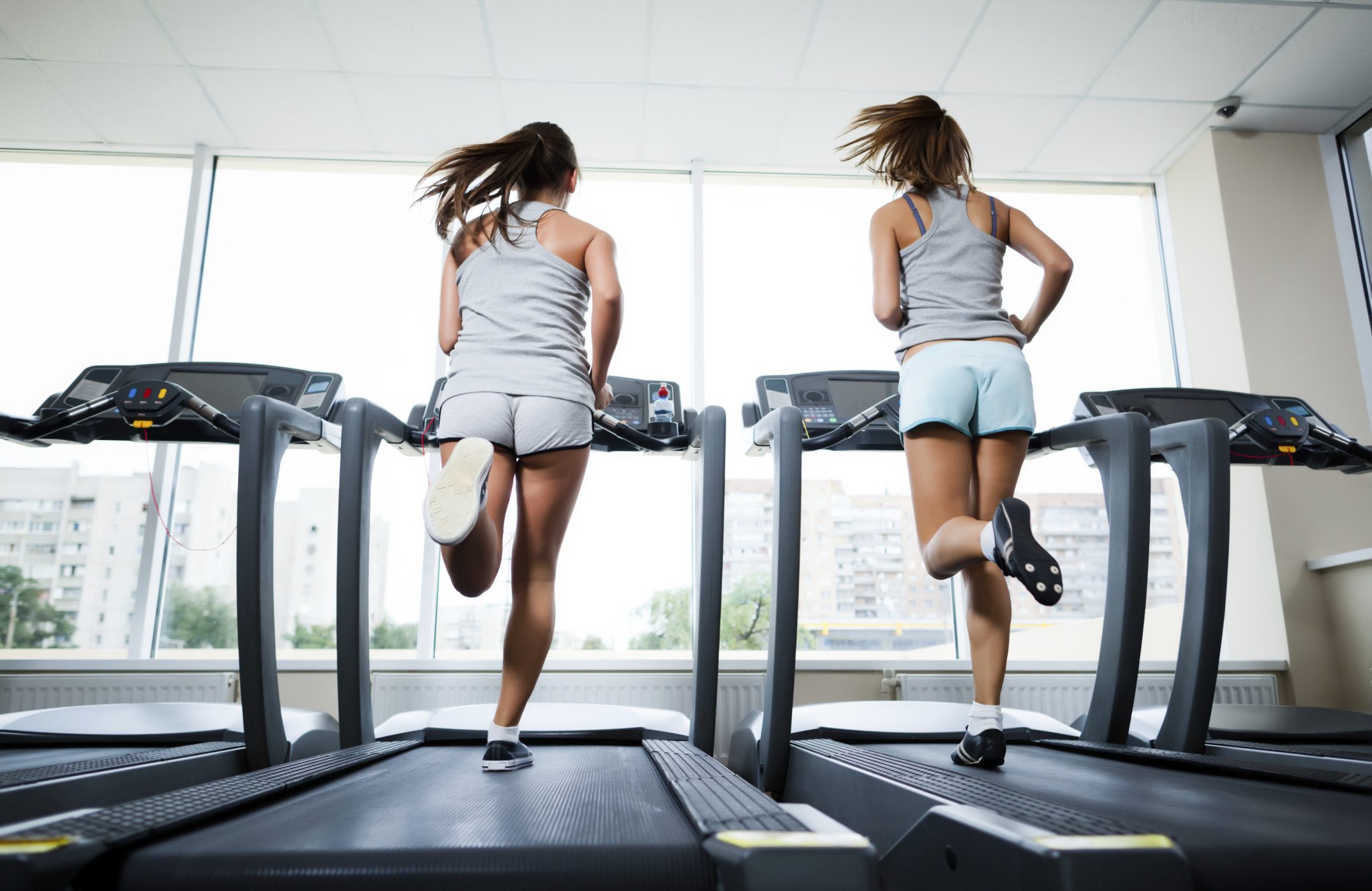
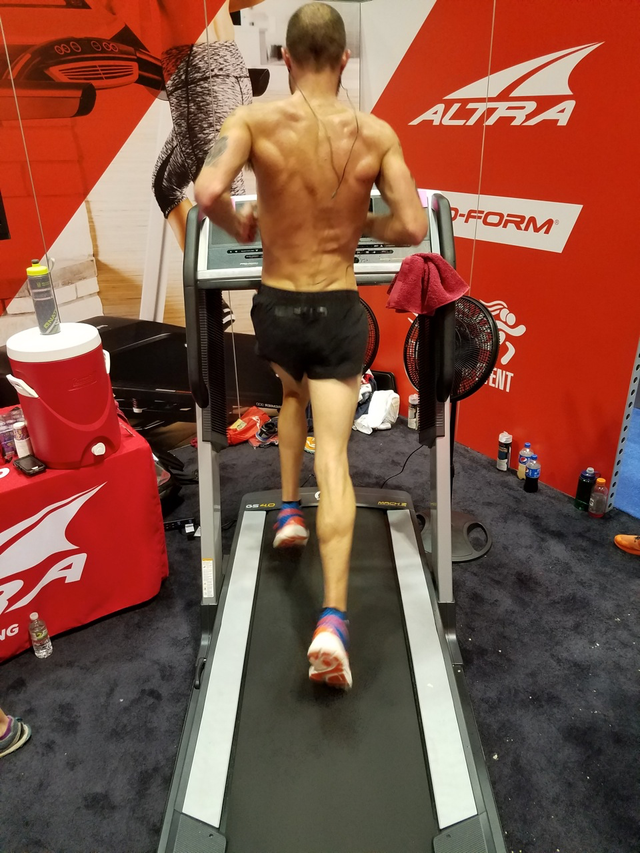
Form on a treadmill should feel tall and light. Look ahead, not down. Keep your shoulders loose and your arms near your sides. Let your elbows swing back, not across your body.
Shorten your stride. Land under your hips. Let the belt move back under you. Do not push off too hard. Aim for a quick, light step. Many runners sit in the 165–180 steps per minute range, but choose what feels smooth. This is one of the top tips for running on a treadmill for comfort and speed.
Quick technique cues:
- Tall posture, soft gaze forward.
- Relax your hands, thumbs up, wrists straight.
- Hips level, no hard heel strike in front of your body.
- Avoid holding the rails, except for brief balance when needed.
Source: runnersworld.com
Smart Workouts for Every Level
Break boredom and build fitness with simple plans. These are core tips for running on a treadmill that boost results and fun. Keep warm-ups and cool-downs gentle.
Beginner ideas:
- 20–30 minutes easy with 0.5–1% incline.
- Walk–jog: 2 minutes walk, 1 minute jog. Repeat 8–10 times.
- Strides: 4–6 short 20–30 second quick runs with full easy recovery.
Intermediate ideas:
- Tempo: 10 minutes easy, 15–20 minutes steady, 5–10 minutes easy.
- Hills: 4–6 repeats of 2 minutes at 3–5% incline, easy jog down.
- Progression: Each 5 minutes, notch pace a bit faster.
Advanced ideas:
- VO2 work: 5–6 repeats of 3 minutes hard, 2 minutes easy.
- Pyramid: 1-2-3-4-3-2-1 minutes hard, equal easy recoveries.
- Long run: 60–90 minutes. Add small incline changes to mimic rolling hills.

Avoid Common Mistakes and Injuries
Small errors can add stress fast. Overstriding is the big one. It drives the foot out in front and loads the knees. Shorten your stride and keep your feet under your hips. This is one of the most vital tips for running on a treadmill.
Watch out for:
- Staring at your feet, which rounds your back and neck.
- Holding the rails, which changes form and reduces training benefit.
- Too much incline for too long, which can strain calves and Achilles.
- Old shoes with packed-out foam, which raises impact.
- Jumping off a moving belt. Straddle the rails and use the stop button first.
Motivation and Mindset Indoors
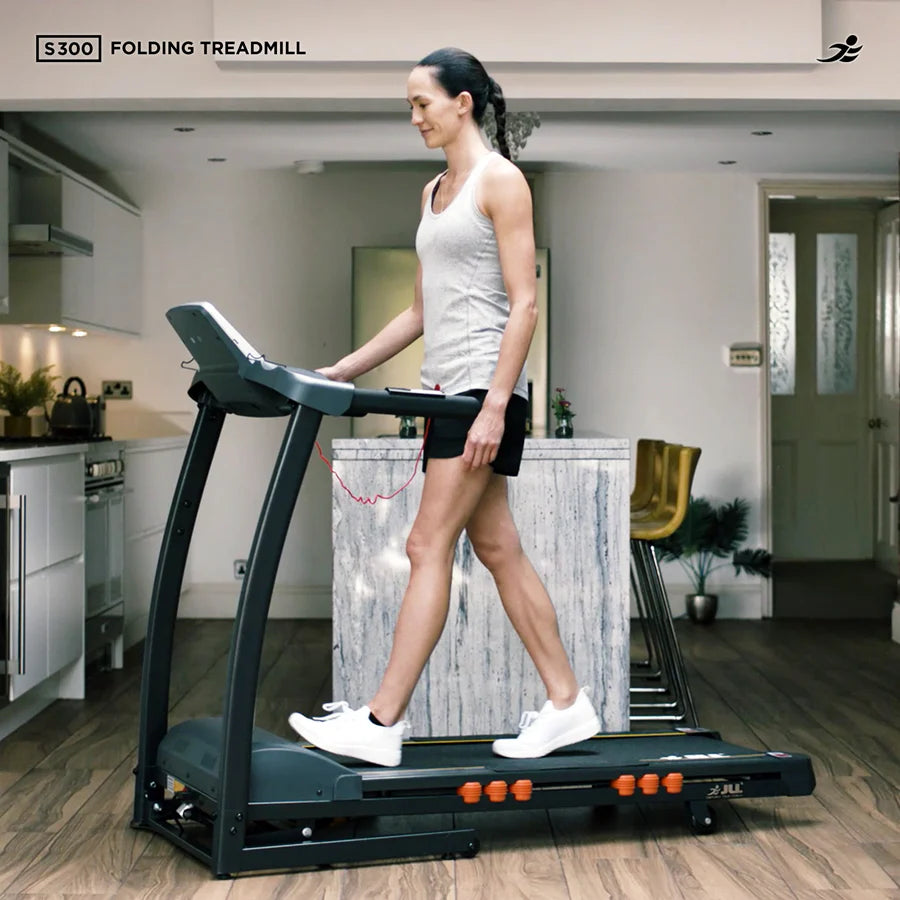
The belt can feel dull if you let it. Make it a lab for focus. Use music, podcasts, or a show, but keep the volume safe. Switch the screen to time, not distance, if you stress over pace.
Try these mental hacks:
- Break the run into 5-minute blocks and win one block at a time.
- Do mini-surges of 20–30 seconds each mile to keep your brain active.
- Use RPE, or rate of perceived effort. Talk test for easy days, calm focus for tempo.
- Place a sticky note with one cue: tall, quick steps, or relaxed hands.
These tips for running on a treadmill turn minutes into milestones.
Fuel, Hydration, and Recovery
Indoor air can be dry. You sweat more than you think. Sip water every 10–15 minutes on runs over 30 minutes. For runs over an hour, add electrolytes. A small fan helps cool you and improves comfort.
Before a run, take a light snack if needed. A banana or toast with nut butter works well. Afterward, refuel with a mix of carbs and protein. Foam roll calves and quads. A short walk cool-down helps heart rate settle. Simple, steady recovery is one of the best tips for running on a treadmill.
Source: womensrunning.com
Tech and Data: Make the Most of Metrics
Use data to guide effort, not to judge yourself. Heart rate zones help you stay easy on easy days. Pace and cadence coach your rhythm. Power meters and foot pods can improve accuracy if your treadmill reads off.
About incline: the old 1% rule can help mimic air resistance. But it is not a must for every run. Let your body tell you what feels right. Smart, flexible use of data is one of the key tips for running on a treadmill.
Try this data plan:
- Easy runs: watch heart rate and breathing.
- Workouts: watch pace and cadence.
- Long runs: watch nutrition timing and form cues.
- After runs: review, then adjust next time.
Safety, Etiquette, and Maintenance
Safety first. Start with feet on the side rails. Let the belt move. Step on when it is slow. Clip the safety key. Keep the area clear. Do not set loose items on the rails.
Gym etiquette matters. Wipe the deck and handles. Share time at peak hours. Keep screens and sound good for neighbors. Light, regular care keeps your machine in top shape at home too. Clean the belt, check alignment, and lube as the maker suggests. Respect and care are underrated tips for running on a treadmill.
A Simple 4-Week Treadmill Plan
This plan builds time and skill. Use effort, not ego. If a day feels off, slow down. These steps fold in the best tips for running on a treadmill.
Week 1:
- Day 1: 25 minutes easy at 0.5–1% incline.
- Day 3: Walk–jog 30 minutes. Finish with 4 strides.
- Day 5: Hills light. 4 repeats of 2 minutes at 3% incline. Easy jog rests.
Week 2:
- Day 1: 30 minutes easy. Last 5 minutes a bit faster.
- Day 3: Tempo taste. 10 minutes easy, 10 minutes steady, 5 minutes easy.
- Day 5: Hills. 5 repeats of 2 minutes at 4% incline.
Week 3:
- Day 1: 35 minutes easy. Add a few 20-second surges.
- Day 3: VO2 taste. 5 repeats of 2 minutes hard, 2 minutes easy.
- Day 5: Long run. 45–55 minutes easy with small incline changes.
Week 4:
- Day 1: 30 minutes easy. Keep it smooth.
- Day 3: Tempo. 12–16 minutes steady in the middle.
- Day 5: Cutback. 35–40 minutes easy. Finish fresh.
Frequently Asked Questions of tips for running on a treadmill
Is 1% incline required for indoor runs?
It can help mimic wind drag, but it is not required. Pick an incline that feels natural and keeps good form.
How long should a beginner run on a treadmill?
Start with 20–30 minutes, including a 5–10 minute warm-up and cool-down. Build by 5–10% per week.
Should I hold the rails when I run?
Avoid holding them, except for brief balance. Holding changes form and lowers the training effect.
Is treadmill running easier than outdoor running?
It can feel easier because the belt assists turnover and the surface is flat. Heat and airflow indoors can make it feel harder, so use effort as your guide.
What are the best shoes for treadmill runs?
Choose light, cushioned shoes that match your gait. Rotate pairs to keep foam fresh and reduce hot spots.
How do I stop boredom on the treadmill?
Use short intervals, playlists, or shows. Break time into small blocks and set mini-goals.
Can treadmill running help with weight loss?
Yes, if you pair it with a smart diet and steady training. Mix easy runs with intervals to raise total weekly burn.
How do I fix shin splints on the treadmill?
Shorten your stride, slow down, and lower incline for a bit. Check shoes, add calf strength, and ease back into volume.
What is a good cadence for treadmill running?
Many runners land near 165–180 steps per minute. Aim for a quick, light step that feels smooth and pain-free.
Conclusion
You now have the tools to make indoor miles count. Set up well, run tall, mix smart sessions, and recover with care. Use data to guide, not to judge. Above all, keep it simple and consistent.
Put one or two of these tips for running on a treadmill into practice this week. Then layer in more as you grow. If you found this useful, share it with a friend, subscribe for new guides, or drop your questions in the comments.


