

Ankle Injuries From Running: Prevention, Rehab, And Tips
Most ankle injuries from running stem from overload, poor mechanics, or unstable terrain.
If you run long enough, your ankles will speak up. I have coached and rehabbed hundreds of runners, and I know how fast a tiny ankle twinge can grow into weeks off. In this guide, we will break down ankle injuries from running with clear steps, simple tests, and proven fixes. You will learn how to prevent pain, heal smarter, and return to the miles you love with confidence.

Understanding ankle injuries from running
Ankles absorb and transfer force every step. A 30-minute run can mean thousands of foot strikes. That adds stress. With time, small errors in load or form can turn into pain.
Ankle injuries from running include tissue overload and sudden sprains. You may feel sharp pain after a twist. Or you may feel a slow burn that grows each week. Knowing which is which guides a safe plan.
Common tissues hurt by running are ligaments, tendons, and joint surfaces. Bones can also react with stress changes if load rises too fast. Learning how these parts work helps you choose the right fix.
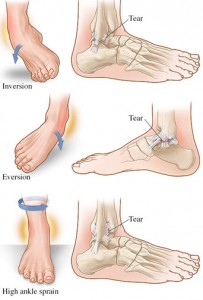
The most common types of ankle injuries from running
Below are the ankle injuries from running I see most, with simple signs you can spot.
Lateral ankle sprain
This follows a roll inward on uneven paths. Pain and swelling sit on the outer ankle. Walking on it may feel weak or shaky.
Achilles tendinopathy
This shows up as a morning ache or stiffness in the back of the ankle. It eases as you warm up, then comes back after. Hills and speed work make it worse.
Peroneal tendinopathy
Pain sits behind or below the bony knob on the outside. It may snap with ankle motion. Cambered roads and sudden trail moves can spark it.
Posterior tibial tendinopathy
Pain runs behind the inner ankle and into the arch. The arch may look flatter on that foot. Single-leg calf raises feel weak and sore.
Anterior ankle impingement
Pain sits at the front of the joint with deep flex. Downhill running and stiff calves can pinch the front.
Stress reaction or stress fracture
Deep ache that rises with load and may linger after. Hop test is painful. Night pain or pain at rest can be a red flag.
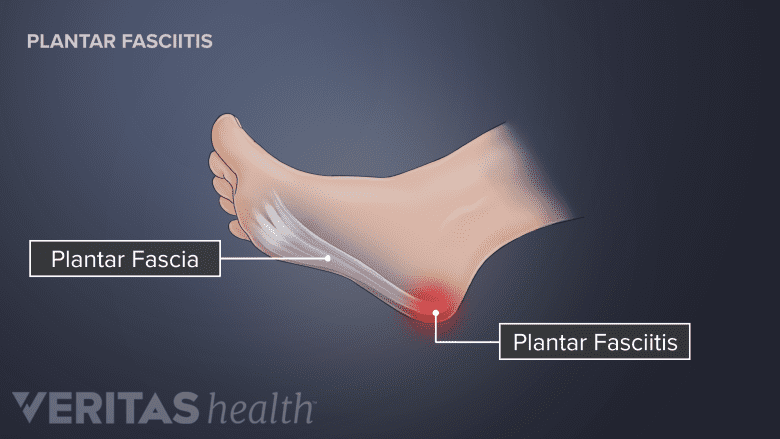
Why ankle injuries from running happen
Most ankle injuries from running come from a few repeat themes.
- Training errors. Big jumps in volume, speed, or hills stack stress too fast.
- Surface issues. Cambered roads, loose gravel, and rutted trails twist the ankle.
- Shoe mismatch. Worn foam or the wrong stack and drop change loads.
- Weak links. Calf, glute, and foot muscles that tire fast shift load to tendons.
- Stiffness. Tight calves and ankles block motion and force a work-around.
- Poor control. Balance and proprioception fade with fatigue. Landings get sloppy.
- Past sprains. Old injuries reduce joint sense and raise re-sprain risk.
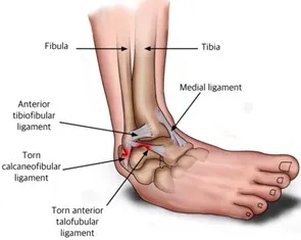
Symptoms and red flags
You can spot many ankle injuries from running with a few simple checks.
- Location. Outer ankle points to sprain or peroneal strain. Back points to Achilles. Inner side to posterior tibial.
- Behavior. Tendon pain warms up then lingers later. Sprain pain is sharp and swells fast.
- Function. If you cannot bear weight or take four steps, get checked soon.
Watch for red flags. Night pain, numbness, a clear pop, or deformity calls for prompt care. Severe swelling with bone tenderness may need imaging.
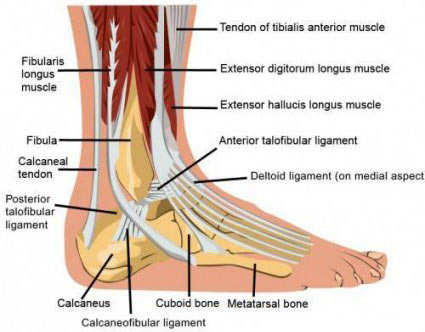
Diagnosis and when to see a pro
A skilled clinician will ask about training load and terrain. They will test strength, range, and single-leg control. Simple hop and calf raise tests add clues.
Imaging may help if pain is severe or lasts beyond two to four weeks. X-ray can rule out fracture. Ultrasound and MRI look at tendons and ligaments. Most ankle injuries from running do not need scans at first unless red flags show.
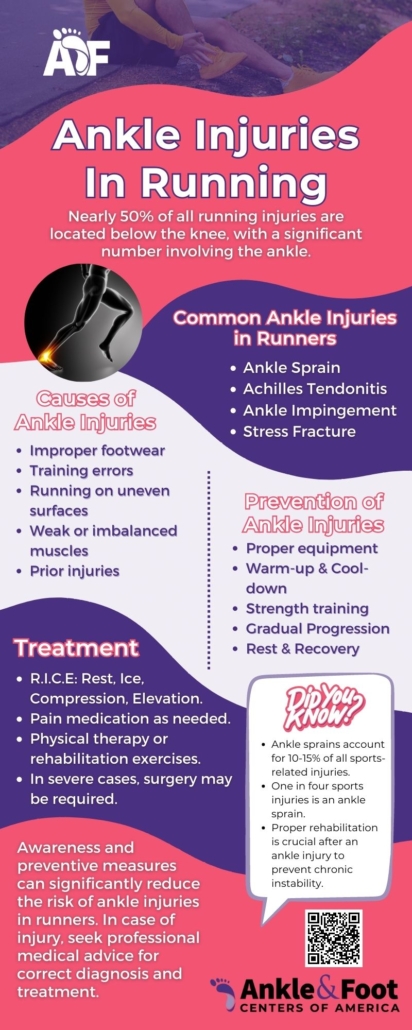
First aid that speeds healing
Acute ankle sprains and hot tendons like calm care. Use these steps in the first three to seven days.
- Protect. Reduce painful load. Use a brace for sprains if it helps you walk.
- Elevate. Raise the ankle above your heart to limit swelling after a sprain.
- Avoid aggressive stretching. Let sore tissue settle before you push range.
- Compress. A soft wrap reduces swelling and gives feedback for motion.
- Educate and load. Gentle pain-free moves and light isometrics start day one.
You can also use simple pain relief as needed. Ice may numb pain, but do not rely on it as a cure. Respect pain over a 3 out of 10 during and after activity.

Rehab roadmap for ankle injuries from running
I teach a three-phase plan. Move ahead when pain is calm and function improves.
- Phase 1: Calm and control
- Gentle ankle pumps, alphabet, and circles.
- Isometric calf holds for 30 to 45 seconds, 3 to 5 sets.
- Foot doming and short-foot drills for arch support.
- Balance on one leg for 30 to 60 seconds.
- Phase 2: Strength and range
- Slow calf raises both legs, then single leg. Aim for 25 single-leg reps.
- Seated and bent-knee calf raises to hit soleus.
- Band work for eversion and inversion.
- Ankle mobility rocks over toes, knee-to-wall test progressions.
- Phase 3: Power and run prep
- Hops in place, side to side, forward and back.
- Step-downs and single-leg squats with good knee-over-toe control.
- Skips, bounds, and agility ladder for rhythm.
Track your pain 24 hours after sessions. If pain spikes the next day, dial back. Ankle injuries from running respond best to steady, small progress.
Prevention that works
Good habits beat time off. Here is a simple shield for ankle injuries from running.
- Progress load. Follow the 5 to 10 percent rule for weekly volume.
- Rotate terrain. Mix soft paths, track, and road. Limit severe camber.
- Strength train. Two days a week of calf, glute, and foot work.
- Work on balance. One minute single-leg holds with eyes closed if safe.
- Warm up. Five to ten minutes easy jog plus ankle drills and skips.
- Replace shoes. At 300 to 500 miles or when foam feels flat.
- Use braces for high-risk trails if you have a sprain history.
In my experience, two to three sets of 25 single-leg calf raises per side is gold. This alone cuts many ankle injuries from running.

Running form and technique cues
Small cues can spread load across the chain and spare the ankle.
- Cadence. Aim for a slight rise in steps per minute. Shorter steps reduce peak load.
- Posture. Think tall with a slight forward lean from the ankles.
- Foot strike. Land under your body, not far in front.
- Downhills. Soften the knee and let your step roll. Do not brake hard.
- Trails. Scan ahead two to three steps and keep the ankle “quiet,” knee and hip doing more work.
Record a short clip from the side and back. A few tweaks can reduce ankle injuries from running without losing speed.
Return-to-running plan
Use pain as your compass. Zero to two out of ten during and after is fine. Pain that fades within 24 hours is also fine.
Sample walk-run build, three days per week:
- Day 1: Five rounds of 2 minutes run, 1 minute walk.
- Day 2: Five rounds of 3 minutes run, 1 minute walk.
- Day 3: Five rounds of 4 minutes run, 1 minute walk.
If symptoms stay calm for a week, add one to two minutes to each run block. Hold total time steady first, then add distance. If pain rises, repeat the last good step. This steady plan prevents repeat ankle injuries from running.
Gear and surface choices
Shoes do not cure pain, but they can help manage load.
- Cushioned trainers spread impact but may feel wobbly on trails.
- Lower-drop shoes load calves more. Ease into them over weeks.
- Rocker soles unload the ankle a bit and can help stiff or sore joints.
- Lacing tricks can lock the heel and reduce slip.
- Braces and tape add feedback and support after sprains. Use them for risk spots like long downhills.
Change only one variable at a time. Track any change in a log. This avoids a fresh wave of ankle injuries from running.
Nutrition and recovery basics
Tissues heal on the rest days, not the hard days.
- Protein with every meal supports repair.
- Vitamin D and calcium help bone health. Check levels if injuries repeat.
- Sleep seven to nine hours. Growth hormone aids tendon and bone.
- Space hard sessions. Forty-eight hours helps tendons adapt.
Simple, steady care adds up and reduces ankle injuries from running across a season.
Frequently Asked Questions of ankle injuries from running
How long do ankle sprains from running take to heal?
Mild sprains can settle in two to four weeks with steady rehab. Moderate sprains often need six to eight weeks, and severe sprains can take longer.
Should I run through mild ankle pain?
If pain is one to two out of ten and fades within 24 hours, light running may be fine. If it spikes during or the next day, cross-train and adjust.
Do I need an MRI for ankle injuries from running?
Most cases do not need an MRI at first. Get imaging if pain is severe, lingers past four weeks, or if red flags are present.
Which shoes are best to prevent ankle injuries from running?
Choose shoes that match your terrain and strike pattern, and replace them when the foam is flat. Stability can help some, but strength and load control matter more.
Are braces or tape good for trail runs?
Yes, after a sprain, a brace or tape can lower re-sprain risk on uneven ground. They are a tool, not a cure; keep doing balance and strength work.
What exercises help the fastest?
Calf raises, bent-knee calf work, banded ankle moves, and single-leg balance are key. Progress to hops and step-downs as pain allows.
When should I see a clinician?
Seek help if you cannot bear weight, if swelling and pain are severe, or if symptoms do not improve in two weeks. Night pain or numbness also needs prompt care.
Conclusion
Ankles are tough, but they need smart care under load. Plan your training, build strong calves and feet, and fix small aches fast. With a clear rehab and return plan, ankle injuries from running do not have to define your season.
Start today. Pick two strength moves, a balance drill, and a simple walk-run step, then log how you feel. If you found this helpful, share it with a running friend or leave a question so we can help you stay on the road.


