

Running On Treadmill Vs Outside (Which Is Best 2026)
Running on treadmill vs outside: choose treadmills for control, outdoors for real-world challenge.
If you are torn between running on treadmill vs outside, you are not alone. I coach runners and log my own miles in both worlds. Each option has clear pros and cons, and the right choice depends on your goal, your body, and your day. This guide explains running on treadmill vs outside with clear tips, real examples, and research-backed advice you can use today.

What Changes Most Between Treadmill and Outdoor Runs
Running on treadmill vs outside feels different because the world moves under you indoors, and you move through the world outdoors. That one shift affects form, effort, and mindset. Know these big changes before you choose.
Key differences you will notice:
- Surface and impact. Treadmills are smooth and cushioned. Roads, tracks, and trails vary and can be hard, soft, or uneven.
- Pace control. You set a steady belt speed indoors. Outside pace shifts with wind, turns, lights, and hills.
- Environment. Temperature, wind, and sun change the work outside. Indoors is stable and safe.
- Biomechanics. The belt pulls your foot back, which can slightly shorten your stride and reduce push-off.
- Mental load. Outside stimulates you. Treadmills reduce decisions and remove most terrain stress.
Practical tip: For running on treadmill vs outside, match your goal to the setting. Use the treadmill for strict pace work or heat waves. Go outside when you need race-like stress and terrain skill.

Biomechanics, Impact, and Injury Risk
Running on treadmill vs outside alters how your body loads with each step. A treadmill belt reduces braking forces a bit because it helps your leg move back. Many coaches also suggest a 1% incline to better match outdoor energy cost.
What that means for your body:
- Foot strike and cadence can shift. Many runners adopt a slightly higher cadence indoors.
- Ground reaction forces are often lower on soft treadmill decks. This can help during recovery blocks.
- Hip and calf load can change. Some feel more calf work outdoors due to push-off and hills.
Risk notes:
- New treadmill runners may overstride to keep up with the belt. Keep steps quick and land under your center.
- Outdoor runs raise ankle and hip demands due to camber, curbs, and uneven ground. Start easy on new routes.
My coaching note: When athletes return from injury, I use short treadmill bouts first. Then we phase to flat outdoor loops, then add hills. This staged plan cuts setbacks during running on treadmill vs outside transitions.

Weather, Safety, and Convenience
Running on treadmill vs outside shines in different seasons and times of day. Winter ice, heat waves, smoke, and dark streets make the treadmill a smart pick. Daylight, fresh air, and scenic routes make outdoor runs a joy.
Choose the treadmill when:
- Ice, lightning, or extreme heat would make a road run risky.
- You need childcare, gym access, or a tight schedule.
- You want controlled intervals without stops.
Choose outside when:
- You train for a road race and need practice on hills and turns.
- You want the mood boost of nature and sun.
- You need to build downhill skill and foot strength.
Street smarts still apply outdoors. Reflective gear, a headlamp, and a simple route plan go a long way for safety during running on treadmill vs outside choices.

Pacing, Effort, and Calorie Burn
Running on treadmill vs outside can feel harder at the same pace because of heat build-up and less airflow indoors. Outdoors, wind and small hills raise energy cost, even when your pace stays steady. Many studies show that a 1% incline on the treadmill better matches outdoor effort at moderate speeds.
How to manage effort:
- Use heart rate or RPE (rate of perceived exertion). Aim for the same easy, steady, or hard zones in both settings.
- Indoors, use a fan and drink early. This reduces heat stress and drift in heart rate.
- If you chase calories, remember that day-to-day burn swings more with effort and time than small surface changes.
Is treadmill pace equal to outdoor pace?
Not always. Use the machine’s pace as a guide, then confirm with heart rate or RPE, or test with a short outdoor time trial.
Should I set a 1% incline?
Often yes for easy to steady runs. It helps mimic wind and terrain costs without overloading your calves.
Do I burn more calories outside?
Sometimes, due to wind, hills, and stops that spike effort. Over weeks, total time and intensity still matter most for weight and fitness during running on treadmill vs outside plans.

The Mental Game and Motivation
Running on treadmill vs outside also changes your headspace. Outside gives you flow, views, and variety. The treadmill gives you focus and low friction when you feel flat.
Ways to win the mental game:
- Use short blocks indoors. Try 10 minutes easy, 5 minutes steady, repeat. It breaks the monotony.
- Save new podcasts or playlists for treadmill days.
- Outside, try route cues. Chase mailboxes, light poles, or trail markers to stay engaged.
From my own training, a 40-minute treadmill run with a clear workout feels fast and clean. On days I crave freedom, a park loop beats any belt. You can blend both and still honor your mood during running on treadmill vs outside choices.

Programming: When to Choose Each Method
Your plan should fit your race, your risk, and your week. Running on treadmill vs outside works best when each session serves a role.
Simple weekly mix for most runners:
- Easy runs. Either setting works. Pick treadmill in bad weather; pick outdoors for fresh air.
- Intervals. Treadmills shine for steady splits and smooth recoveries.
- Long runs. Outside builds terrain skill and mental stamina. Use treadmills for storm days.
- Hills. Outdoors is king for downhill skill. Indoors, use gentle incline repeats for strength.
Sample 7-day outline:
- Mon: Treadmill easy 30–45 min with 1% incline.
- Tue: Outdoor hills 6–8 repeats of 45–60 seconds.
- Wed: Rest or cross-train.
- Thu: Treadmill intervals 5 x 3 minutes at tempo with 2 minutes easy.
- Fri: Easy 30 minutes outside.
- Sat: Long run outside with rolling terrain.
- Sun: Mobility and light strength.
This split balances stress, keeps risk low, and respects the goals of running on treadmill vs outside.
Treadmill Settings That Matter
Small settings make a big difference in running on treadmill vs outside training. Set them with intent.
Settings to dial in:
- Incline. 0% for recovery. 1% to mimic outdoor cost. 2–4% for hill strength.
- Speed. Start slow, build in 0.1–0.2 mph steps. Use a warm-up and cool-down.
- Cushioning. Softer decks are friendly after hard races. Firmer decks feel more like roads.
- Fan. Use it. Airflow lowers heat stress and helps you hold form.
Form cues:
- Eyes forward, shoulders down, short arm swing.
- Land under your hips, keep steps quick and light.
- Do not stare at the panel. Check it, then relax.
If you feel off-balance, straddle the belt between intervals. Restart only when you feel ready. This small habit reduces many mishaps with running on treadmill vs outside workouts.
Gear, Cost, and Environment
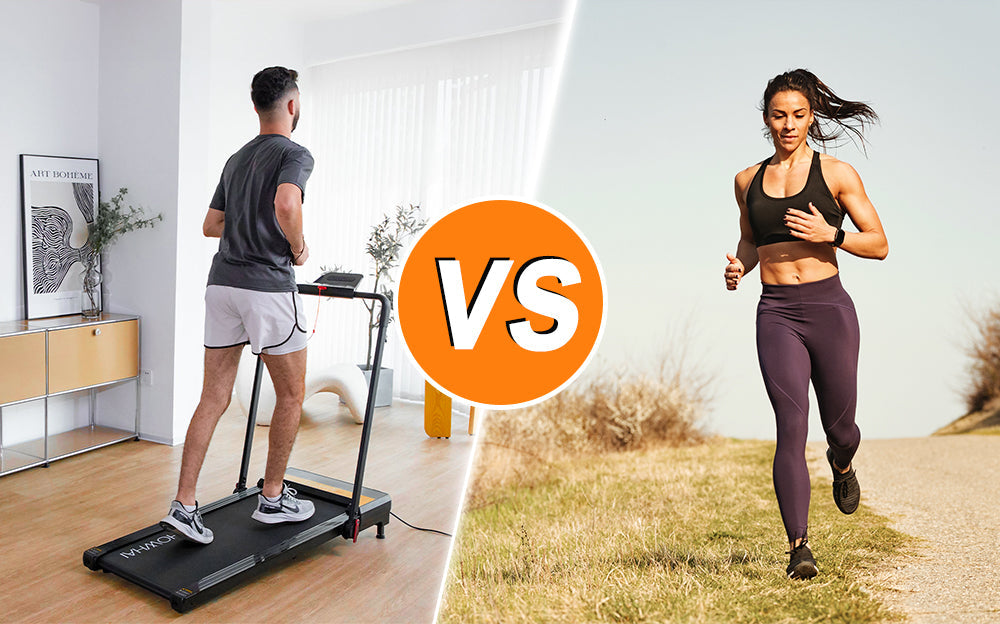
Gear needs shift with running on treadmill vs outside. Outside asks more from shoes and layers. Inside asks little, but not nothing.
What to wear:
- Outdoors. Weather-ready layers, reflective items, and a cap in sun or rain.
- Indoors. Light, breathable kit and a towel. Use a fan if the gym is warm.
Shoe notes:
- Rotating two pairs helps both settings. Use a slightly firmer shoe for roads and a softer daily trainer on the belt.
- Trail shoes belong outside. Save them for dirt and rocks.
Cost and footprint:
- Gym fees and treadmills cost money but save time and cut weather risk.
- Outdoor runs are free and green. Pick safe routes and times.
Think long term. The best choice for running on treadmill vs outside is the one you can repeat week after week.

Personal Notes from the Road and the Belt
From my own log, I have learned a few simple truths about running on treadmill vs outside. A belt is a great teacher when I need exact tempo. Outside is the test when race day nears.
Lessons learned:
- Do not force pace on bad weather days. Move the workout indoors.
- Do not skip hills if you race outside. Even a few gentle inclines each week help.
- Watch ankles after new trail routes. Keep the first week short and easy.
- After a marathon, I return with short, soft treadmill runs before I add outdoor volume.
One mistake I made early on was doing all speed work outside in peak heat. My splits slid, and I got run down. Now, I split heat blocks with a treadmill fan and nail the same workout. That balance changed my view of running on treadmill vs outside for good.
Frequently Asked Questions of running on treadmill vs outside
Is treadmill running easier than outdoor running?
It can feel easier at the same pace due to smooth surface and no wind. Heat indoors can make it feel harder without a fan.
Do I need a 1% incline to match outdoor effort?
Often yes, especially for steady runs. It helps approximate wind and terrain costs.
Can treadmill running prepare me for a road race?
Yes, for fitness and pace control. Add outdoor long runs and hills to build real-world skills.
Will I lose form if I only use a treadmill?
You might under-train downhill control and terrain handling. Mix in outdoor runs to round out your mechanics.
Which burns more calories, treadmill or outdoor?
Differences are small and vary by wind, hills, and heat. Total time and effort drive calorie burn more than surface.
Conclusion
Both settings work. The smart move is to match the tool to the task. Use the treadmill for control, safety, and hot or icy days. Run outside to build terrain skill, mental grit, and race-day feel. That blend gives you the full benefit of running on treadmill vs outside.
Take one step this week: pick one workout you will shift to the belt and one run you will take outdoors. Then note how you felt, and adjust. If this guide helped, subscribe for more training ideas or leave a comment with your own tips.


