

How To Make Running Easier? Proven Tips For 2026
Run slower, mix run-walk, improve form, fuel smart, and build steady strength.
If you want to know how to make running easier, you’re in the right place. I’ve helped beginners, busy parents, and even stubborn “I hate running” friends find a groove that sticks. In this guide, I’ll show you simple moves, clear steps, and proven habits that lower effort fast. You will learn how to make running easier with smart pacing, better breathing, and small wins that add up. Read on, and I’ll help you turn hard miles into calm, steady runs that feel good.
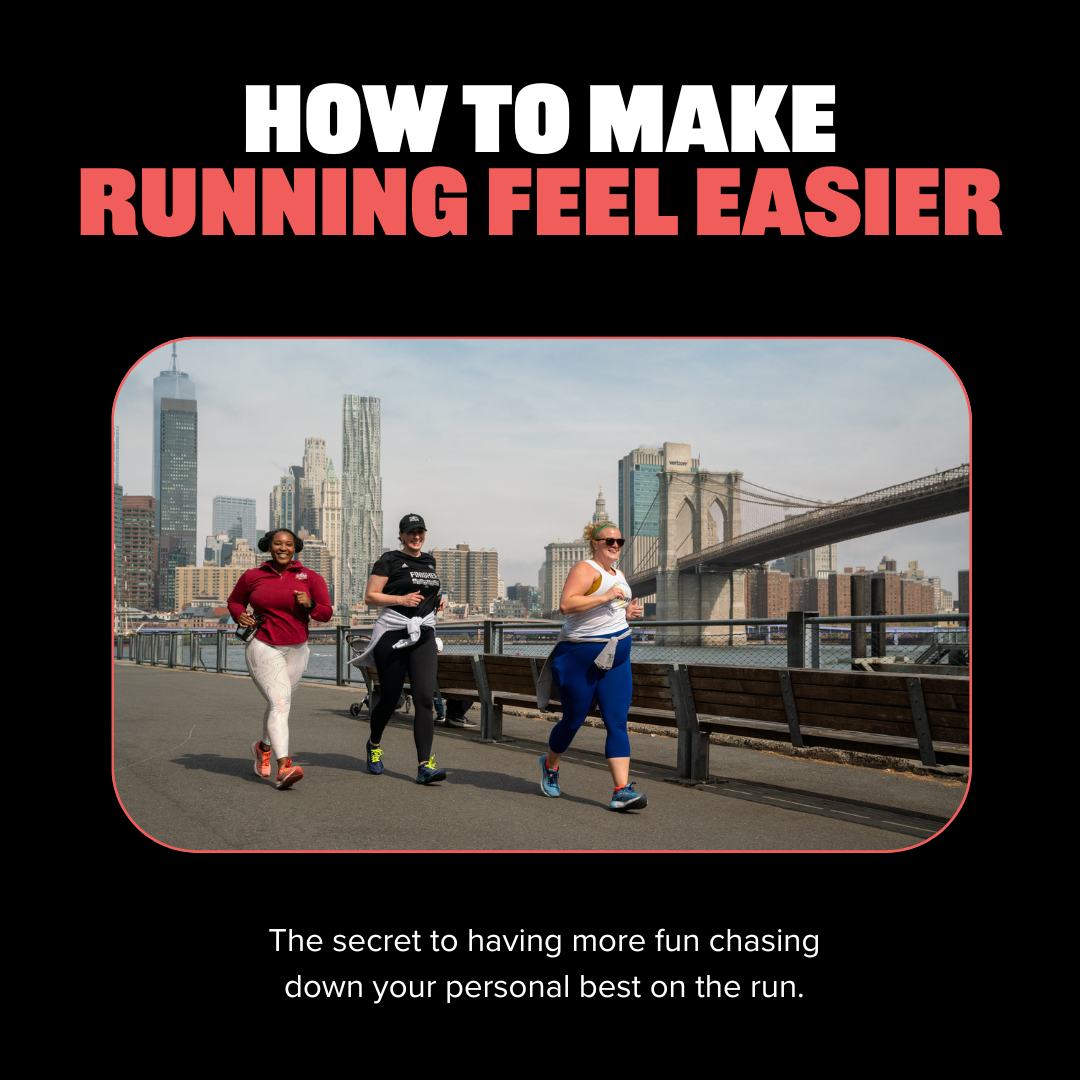
Start Easy: Pace and Run-Walk That Actually Work
Most runners go too fast. Slow down until you can chat in full sentences. If you use a watch, keep easy runs at a relaxed, steady heart rate. If not, use feel. It should feel comfortable.
Use a run-walk method. Start with 1 minute run, 1 minute walk, for 20 to 30 minutes. Each week, add a minute to the run part and keep the walk short. After a few weeks, you will run longer with less effort.
Try this simple flow:
- Warm up 5 minutes of brisk walking.
- Run-walk for 20 to 30 minutes at a calm effort.
- Cool down 3 to 5 minutes of easy walking.
This is how to make running easier when you are new or coming back. It lowers stress and builds steady fitness.

Warm Up Right for Smooth Steps
A short dynamic warm-up tells your body to relax and move well. It boosts blood flow and wakes up your hips and ankles. It also lowers the chance of a side stitch.
Before each run, try 5 to 7 minutes:
- March and high knees: 30 to 60 seconds.
- Leg swings front to back and side to side: 10 each leg.
- Glute bridges or walking lunges: 10 to 12 reps.
- Ankle circles and calf raises: 10 to 15 reps.
- Two to four short strides at a comfy pace.
A good warm-up is a fast way to practice how to make running easier. You start smooth, and the run feels lighter.

Form and Cadence That Save Energy
Good form is simple. Stand tall with a slight forward lean from the ankles. Keep your eyes on the horizon. Relax your shoulders. Let your arms swing close to your ribs, hands soft, elbows back.
Use short, quick steps. Many runners find a cadence near 165 to 180 steps per minute helps. Do not force it. Nudge it up by 3 to 5 percent over time. Think quick feet, quiet landings, and a soft knee bend under your body.
These cues are how to make running easier without extra miles. Better form gives you free speed and less strain.

Breathe Better and Keep It Relaxed
Use belly breathing. Place a hand on your belly and breathe in so it rises. This keeps your chest loose and your shoulders down. Your neck will not do extra work.
Match your breath to your pace:
- Easy runs: Inhale for 3 steps, exhale for 3 steps.
- Moderate runs: Inhale for 2 steps, exhale for 2 steps.
- Hills or hard bits: Use a strong, steady exhale to release tension.
If you ask how to make running easier on your lungs, start with slow, deep exhales. This calms your body and smooths the effort.

Strength and Mobility for Pain-Free Miles
Two short strength sessions each week make a big difference. Strong glutes and calves protect your knees and Achilles. A stable core helps you hold form when you tire.
Focus on these moves:
- Squats or split squats: 2 to 3 sets of 8 to 12.
- Hip thrusts or glute bridges: 2 to 3 sets of 10 to 15.
- Calf raises (straight and bent knee): 2 to 3 sets of 12 to 20.
- Planks and side planks: 2 to 3 rounds of 20 to 45 seconds.
- Single-leg deadlifts: 2 to 3 sets of 6 to 10 each side.
Add light mobility:
- Ankle rocks, hip openers, and gentle thoracic twists.
This is how to make running easier while cutting injury risk. Strong muscles share the load so runs feel light.

Fuel, Hydration, and Electrolytes
Food is fuel. It is also how to make running easier day to day. For runs under an hour, a small snack 30 to 60 minutes before is enough. Try a banana, toast with honey, or yogurt.
For runs over 60 minutes:
- Drink water to thirst. In heat, sip more often.
- Aim for 30 to 60 grams of carbs per hour from gels, chews, or sports drink.
- Add 300 to 600 mg of sodium per hour in hot, humid runs.
After the run, eat a mix of protein and carbs. A simple guide is 20 to 30 grams of protein with fruit or grains within a couple of hours. This helps you bounce back.

Recovery Habits That Make Tomorrow Easier
Sleep is your top tool. Aim for 7 to 9 hours. Keep your easy days truly easy. Most of your weekly time should be slow and calm.
After runs:
- Walk for a few minutes to cool down.
- Do gentle mobility for calves, hips, and back.
- Use a short foam roll session if you like it.
Build up slowly. Add only 5 to 10 percent more time or distance each week. That steady path is how to make running easier without burnout.

Mindset, Motivation, and Consistency
A small win beats a big plan you never start. Stack your habit onto something you do daily. For example, run right after you drop the kids at school. Lay out your gear the night before.
Use these cues:
- Set a soft goal: “20 minutes easy, feel smooth.”
- Track one thing: time, not pace.
- Join a friend, group, or a local 5K plan.
Mindset is a quiet lever for how to make running easier. When you lower pressure, the joy returns.
Gear That Helps, Not Hurts
Shoes matter. Pick a pair that fits your foot shape and feels good at an easy jog. Rotate two pairs if you run often. Use moisture-wicking socks to prevent blisters.
Useful extras:
- A simple GPS watch or phone app for time and cadence.
- A hat and shades for sun.
- A handheld bottle for warm days.
- Reflective gear if you run at dawn or dusk.
Good gear removes friction. Less friction is how to make running easier, one small fix at a time.
A Simple 4-Week Plan for How to Make Running Easier
Here is a friendly plan I have used with many new runners. Keep every run at a relaxed effort. If any day feels too hard, swap it for walking or rest.
Week 1
- Day 1: 20 minutes run-walk (1 minute run, 1 minute walk) + 5 minutes walk cool-down.
- Day 2: Strength 20 minutes (glutes, calves, core).
- Day 3: 20 minutes brisk walk or easy bike.
- Day 4: 22 minutes run-walk (2 run, 1 walk).
- Day 5: Rest or mobility 10 minutes.
- Day 6: 25 minutes run-walk (2 run, 1 walk).
- Day 7: Rest.
Week 2
- Day 1: 25 minutes run-walk (3 run, 1 walk).
- Day 2: Strength 20 minutes.
- Day 3: 20 minutes easy run or brisk walk.
- Day 4: 25 minutes run-walk (3 run, 1 walk).
- Day 5: Rest or mobility.
- Day 6: 28 minutes run-walk (4 run, 1 walk).
- Day 7: Rest.
Week 3
- Day 1: 28 minutes run-walk (5 run, 1 walk).
- Day 2: Strength 20 minutes.
- Day 3: 25 minutes easy run.
- Day 4: 28 minutes run-walk (5 run, 1 walk).
- Day 5: Rest or mobility.
- Day 6: 30 minutes easy run, add 3 short strides.
- Day 7: Rest.
Week 4
- Day 1: 30 minutes easy run.
- Day 2: Strength 20 minutes.
- Day 3: 25 minutes easy run.
- Day 4: 32 minutes easy run, add 4 short strides.
- Day 5: Rest.
- Day 6: 35 minutes easy run or run-walk if needed.
- Day 7: Rest.
This steady path is how to make running easier while you build miles and confidence.
Frequently Asked Questions of how to make running easier
How long until running feels easier?
Most people feel a shift in 2 to 4 weeks with steady, easy runs. The biggest gains come from slowing down and being consistent.
Is it okay to walk during runs?
Yes, run-walk is smart and proven for many runners. It helps you go longer, recover faster, and enjoy the process.
What breathing pattern should I use?
Use a 3-in, 3-out pattern for easy runs, and 2-in, 2-out for moderate runs. Focus on deep belly exhales to relax your body.
How many days per week should I run?
Start with 3 to 4 days per week and keep most runs easy. Add a day only when your body feels fresh and pain-free.
What should I eat before a run?
Have a small carb snack 30 to 60 minutes before, like a banana or toast with honey. Drink some water and avoid heavy, high-fat meals right before.
What cadence is best for me?
Aim for quick, light steps and adjust slowly. Many runners land near 165 to 180 steps per minute, but comfort comes first.
Conclusion
Making running feel easier is not a mystery. Slow down, warm up, and use short steps. Add two short strength sessions. Fuel well, sleep well, and build up with care. These simple moves stack up fast.
Pick one tip from this guide and try it on your very next run. Then add another next week. If this helped you learn how to make running easier, share it with a friend, subscribe for more easy wins, or drop a question in the comments.


