

Why Do Shoes Smell Bad: Causes, Fixes, And Prevention
Sweat feeds bacteria, which create smelly acids trapped in warm, damp shoes.
That is the short truth behind why do shoes smell bad. In this guide, I break down the science in plain words, share field-tested tips from years of working with athletes and commuters, and show you how to fix the problem fast. If you have ever typed why do shoes smell bad into a search bar, you will find the complete answer here, plus what to do next.
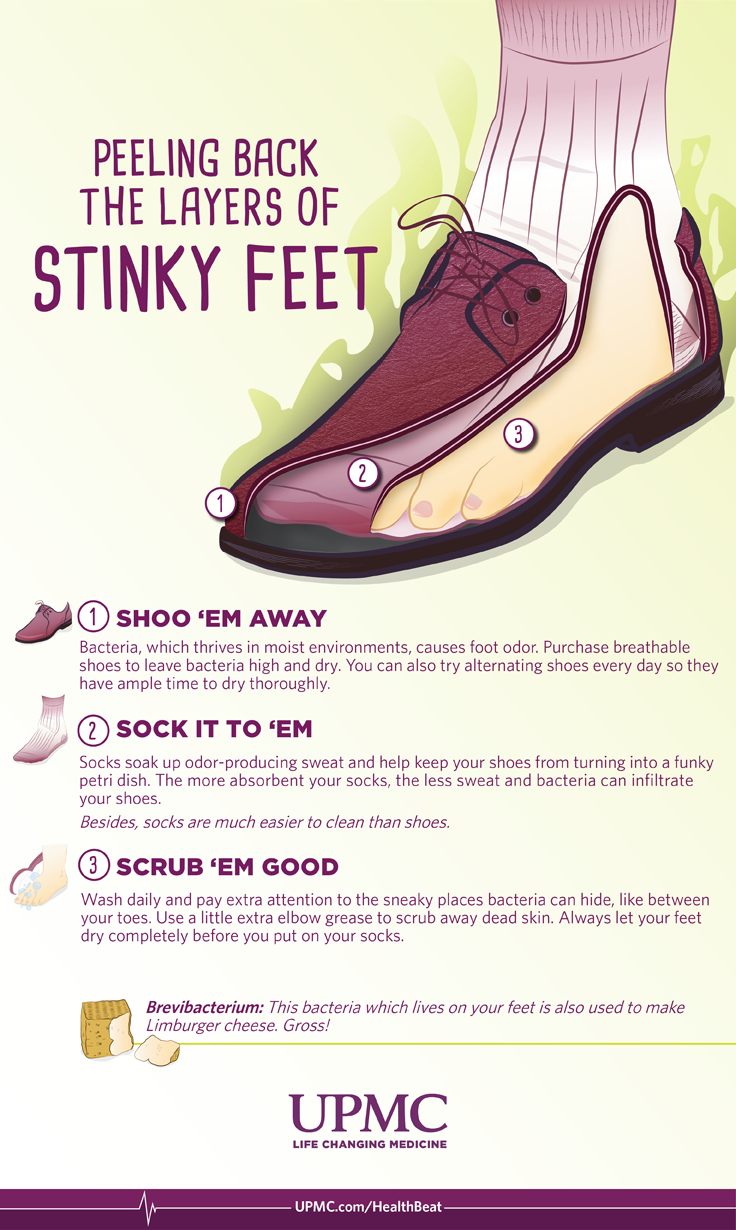
What Actually Causes Shoe Odor
Feet sweat a lot. Sweat itself has little smell. The odor comes when skin bacteria eat sweat and dead skin and then release acids. These acids, like isovaleric acid and butyric acid, smell strong and stick to shoe foam and fabric. This is the core reason why do shoes smell bad.
Fungi can join in. Athlete’s foot can add a sour or cheesy note. Warmth and moisture help microbes grow. Closed shoes make a tiny sauna for your feet.
Some foot types smell more than others. Teens, runners, and people with hyperhidrosis tend to sweat more. Diet, hormones, and stress can raise sweat and odor.
.png)
The Science of Sweat, Bacteria, and Materials
Sweat and the skin microbiome
Sweat glands cool your body. Eccrine glands make salty water. Apocrine glands make thicker sweat in some areas. On feet, common bacteria like Staphylococcus and Corynebacterium break sweat down to sharp-smelling acids. That is why do shoes smell bad after long use.
Materials and airflow
Shoe foams, like EVA and polyurethane, soak up sweat. They hold odor like a sponge. Synthetic liners trap moisture. Leather and mesh breathe better. Tight shoes cut airflow and raise heat. This speeds odor.
How odors build up over time
Odor compounds bind to fibers and foam. If shoes do not dry each day, more sweat layers on. Smell grows stronger. Insoles get hit first. Once soaked, they keep the stink even when the upper dries.
Everyday Triggers That Make It Worse
I learned the hard way while coaching weekend runs. I wore the same pair two days in a row. Day two smelled far worse. Lack of drying time was the trigger. This small habit explains why do shoes smell bad fast in busy weeks.
Common triggers include:
- Wearing the same pair every day with no rest time
- Cotton socks that hold sweat
- Waterproof shoes used indoors
- No-sock wear in slip-ons
- Gym bags that trap damp shoes
- A quick rinse with no full dry time

Prevention That Works
You can stop the odor cycle with a few steady habits. Here is the plan I give my clients.
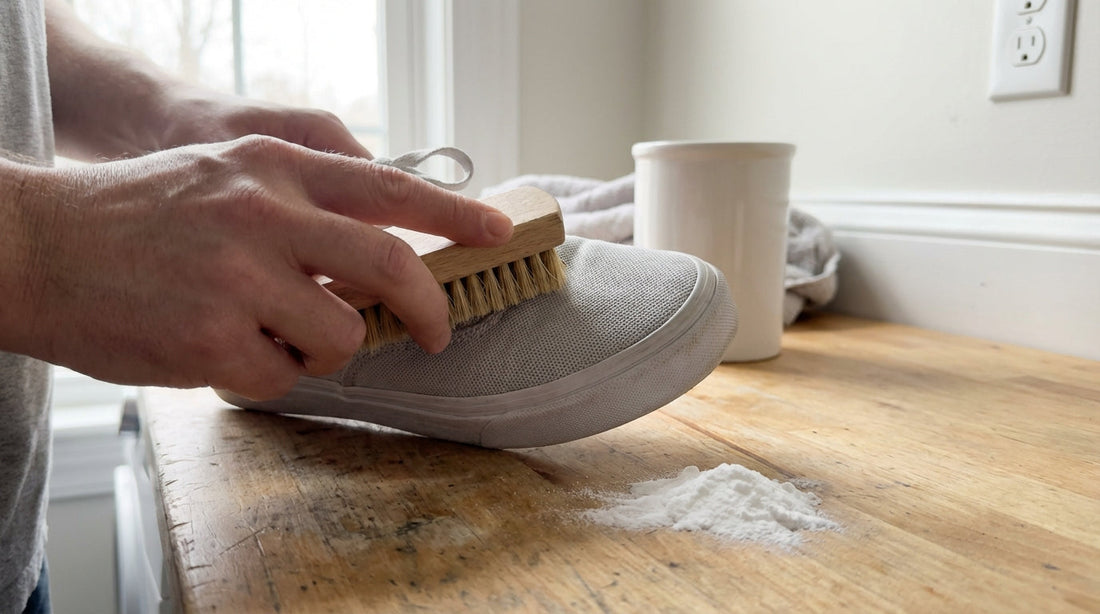
- Rotate pairs. Let each pair dry 24 hours.
- Use breathable styles. Pick mesh or perforated uppers when you can.
- Wear moisture-wicking socks. Look for merino or tech fibers.
- Apply antiperspirant to feet at night. Use aluminum chloride if sweat is heavy.
- Powder your insoles. Use baking soda, starch, or a zinc blend.
- Air shoes after wear. Remove insoles and open laces wide.
- Dry fast. Use a fan or paper towels. Avoid high heat on glue.
- Sanitize weekly. UV or ozone devices can cut microbes.
- Keep nails short and skin smooth. Dead skin feeds bacteria.
- Treat athlete’s foot early. Use an antifungal as needed.
These steps address the root cause of why do shoes smell bad by cutting sweat, microbes, and moisture.
How to Remove Odor From Shoes You Already Own
If the smell is there now, do this.
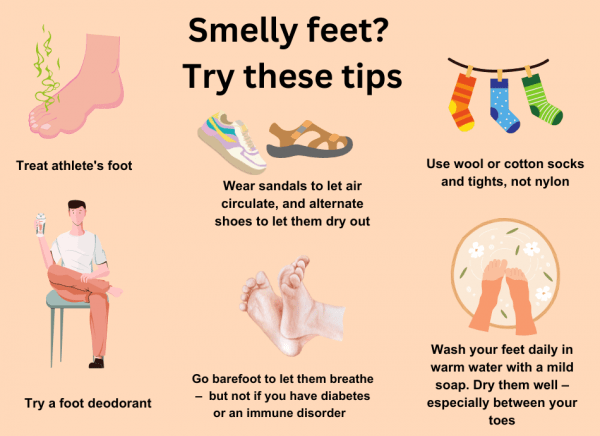
- Wash what you can. Many sneakers handle gentle cold wash. Remove laces and insoles. Use mild detergent. Air dry fully.
- Deep dry the foam. Pack with dry paper or use a fan for 12–24 hours.
- Deodorize. Sprinkle baking soda inside and leave overnight. Shake it out in the morning.
- Absorb and bind. Try activated charcoal bags or zeolite pouches in each shoe.
- Use targeted sprays. Enzyme sprays break odor compounds. Alcohol sprays can sanitize but may dry materials.
- Sun helps. Short sun exposure kills some microbes. Do not bake them in heat.
- Vinegar refresh. Lightly mist inside with a 1:1 vinegar-water mix. Let it air out.
- Replace insoles. If they are soaked with smell, new ones help fast.
Be wary of freezer hacks. Cold may slow microbes but does not remove odor that is stuck in foam. A careful wash works better. These fixes work because they hit the same reasons why do shoes smell bad: sweat, microbes, and trapped air.
Smart Shopping: Choosing Shoes, Socks, and Insoles
Good gear makes a big difference.
- Shoes that breathe. Look for mesh, knit, vents, and real leather linings.
- Removable insoles. They are easier to wash or swap.
- Quick-dry foams. Some brands add channels for airflow.
- Socks that wick. Merino blends or coolmax-style fibers pull sweat off skin.
- Odor-control tech. Zinc, silver, or copper can reduce bacteria on fabric.
When clients ask why do shoes smell bad even with new pairs, it is often the materials and fit. If a shoe runs hot and tight, smell wins. Choose roomy, breathable builds.
When Shoe Odor Signals a Health Issue
Most odor is normal. Still, stay alert for signs that need care.
- Very strong odor with skin cracks or itch may mean athlete’s foot.
- Soaked socks and slipping in shoes can point to hyperhidrosis.
- New odor after a medication change can happen.
- People with diabetes should check feet daily. Small issues can grow fast.
If odor stays despite good care, talk to a clinician. Prescription antiperspirants, iontophoresis, or antifungals can help. A pro can also confirm why do shoes smell bad in your case and tailor a plan.
Myths vs. Facts About Shoe Smell
- Myth: Sweat smells on its own. Fact: Bacteria make the smelly acids.
- Myth: You must throw smelly shoes away. Fact: You can often restore with washing and drying.
- Myth: Freezing kills all odor. Fact: It slows bugs but does not remove trapped odor.
- Myth: Barefoot is best for smell. Fact: Wicking socks cut odor better than bare feet in closed shoes.
- Myth: Strong perfume spray fixes it. Fact: It masks odor and can mix into a worse smell.
These facts circle back to the base reason why do shoes smell bad: trapped sweat plus microbes.
Frequently Asked Questions of why do shoes smell bad
Why do shoes smell bad even with socks?
Socks help, but cotton holds moisture. Switch to wicking socks and let shoes dry a full day.
Why do shoes smell bad in summer?
Heat speeds sweat and bacterial growth. Use breathable shoes, rotate pairs, and add foot antiperspirant.
Why do shoes smell bad even after washing?
Odor can stay in thick foam. Wash the insoles too, then dry with a fan for at least 24 hours.
What causes a cheesy or vinegary shoe smell?
Acids from bacteria make those notes. Fungal infections can add a musty tone.
Can diet make my shoes smell worse?
Yes. Spicy or sulfur-rich foods can change sweat. Hydration and balanced meals can help.
Do cedar or charcoal inserts really work?
They help absorb moisture and odor. Use them daily and combine with good drying habits.
Is foot powder safe to use every day?
Yes, if skin is not broken. Pick gentle powders like baking soda or zinc blends.
Conclusion
Shoe odor is simple at its core. Sweat meets bacteria, and acids stick to warm, damp materials. The fix is simple too. Cut sweat, dry fast, and block microbes. Use rotation, wicking socks, and smart cleaning to break the cycle.
Start today. Air out your shoes, wash the insoles, and set a rotation. If you want more help, subscribe for weekly gear tips and home tests I run on odor control. Share your own best trick in the comments so others can win the fight against smelly shoes.


