

Why Do My Shoes Wear Out On The Outside Heel? Quick Guide
Outside heel wear often comes from natural supination, gait mechanics, and uneven load.
If you have asked yourself why do my shoes wear out on the outside heel, you are not alone. I help runners and walkers review wear patterns every week, and this guide explains what that wear says about your stride, your body, and your shoes. Stay with me for clear answers, tested fixes, and expert tips that will save your feet and your budget.
What outside heel wear really means
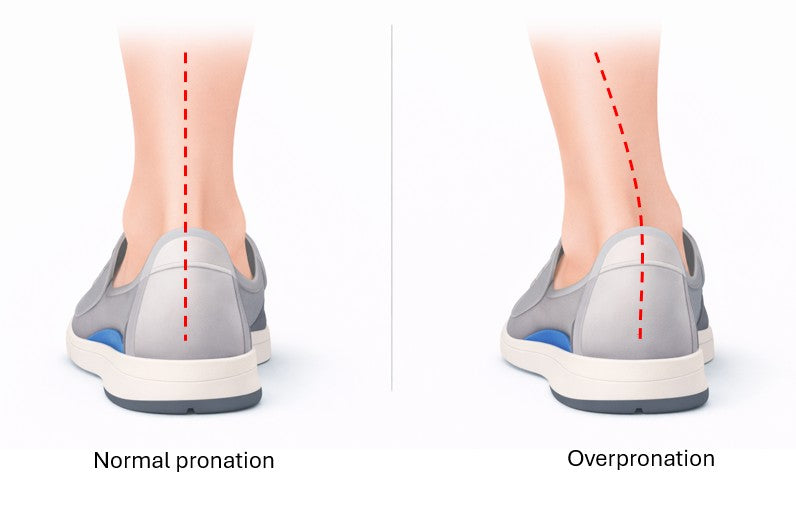
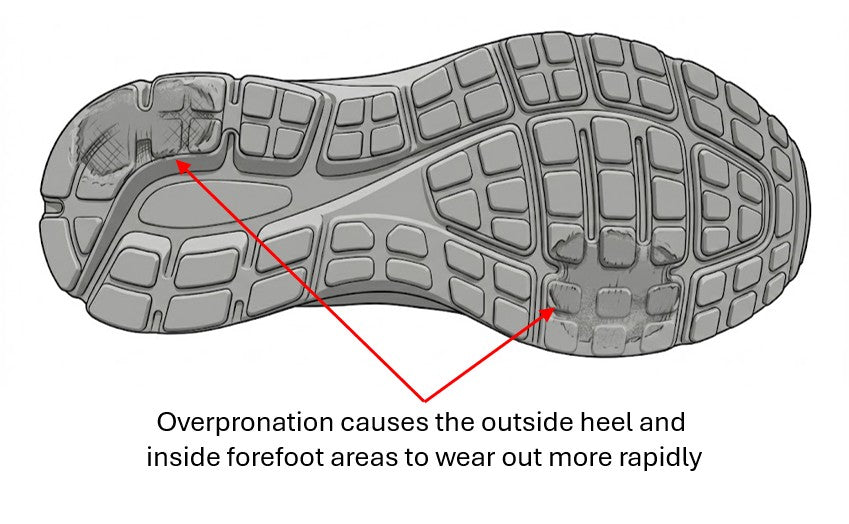
Outside heel wear is a sign of how your foot meets the ground. Most people land on the heel first, a motion called rearfoot strike. A slight roll to the outside, or supination, is normal. When the roll is stronger or not corrected, the outer heel foam gets chewed up fast.
People ask why do my shoes wear out on the outside heel because it looks odd. It is a simple map of pressure and timing. If your body weight stays on the lateral side longer, your heel rubber fades there first. The good news: it is common and fixable.
Key points:
- Mild outside heel wear is normal for many walkers and runners.
- Heavy, fast wear signals a load or alignment issue.
- It can point to tight calves, weak hips, or stiff shoes.

How gait mechanics cause lateral heel wear
Your gait cycle has three parts: contact, mid-stance, and push-off. In contact, the heel hits first. If you land a bit in front of your body, the heel strike is harder. If your ankle is stiff, the foot may not roll in enough to share the load. That is underpronation, another word for supination.
This is where why do my shoes wear out on the outside heel shows up. A strong lateral landing creates a sharp pressure spike. Over miles, that spike eats the outer rubber. Clinical gait studies show that small changes in ankle motion or hip control can change peak pressure at the heel.
What matters most:
- Ankle dorsiflexion limits can lock your foot in a supinated path.
- Hip abductor weakness can tip the knee outward and shift load laterally.
- Fast walking in hard shoes can boost lateral impact force.
Other causes beyond gait: anatomy and habits
Sometimes the cause is not only how you move. It can be how you are built or what you do all day. A small leg length difference can tilt the pelvis, shifting weight to the outer heel on one side. A bow-legged stance (genu varum) places more load laterally. Past ankle sprains can leave lasting stiffness or fear of pronation.
If you wonder why do my shoes wear out on the outside heel, look at your daily habits. Do you stand with feet turned out? Do you cross your legs the same way? Do you carry a bag on one shoulder? Small habits stack up and guide your wear map.
Common non-gait drivers:
- Leg length difference of even 5–10 mm
- Old lateral ankle sprains and scar tissue
- Toe-out stance, hard floors, heavy loads
- Driving often with a rigid heel braced
Shoe design and surface factors
Shoes matter. Heel bevel, rubber type, and rocker shape steer your landing. A square heel with hard rubber can snag the ground edge and twist you outward. A bevel cut on the lateral side can smooth the strike. A high, stiff lateral wall can also keep you from rolling in.
The answer to why do my shoes wear out on the outside heel can live in the midsole foam too. EVA foams pack down fast at the strike zone. If the outer heel rubber is thin, you will see fabric within weeks. Rough asphalt and chip-seal roads act like sandpaper on the same spot.
What to watch in a shoe:
- A rounded or beveled heel instead of a sharp block
- Durable rubber at the outer heel, not soft blown rubber
- A gentle rocker to spread load sooner
- Balanced lateral and medial sidewalls
Risks and symptoms tied to lateral wear
Outside heel wear can be harmless. But strong, fast wear can link to aches. Underpronation leaves less shock absorption. That can raise stress at the knee, hip, and back. People report peroneal tendon pain, Achilles tightness, IT band strain, and even stress signs in the fibula.
If you ask why do my shoes wear out on the outside heel, also ask how you feel after walks. Soreness on the outer shin or ankle after 30–45 minutes is a clue. Early flags are loud heel slaps, uneven sole height, and a shoe that leans outward when set on a table.
How to check your wear pattern at home
You can confirm your pattern in minutes. You do not need a lab. Use these steps to map your load.
Steps:
- Line up three older pairs of shoes on a flat table.
- Look at the outer heel edge for rubber loss and foam dents.
- Check if one shoe tilts out more than the other.
- Wet-foot test: step on cardboard and look for a narrow print with less midfoot.
- Film your walk from behind for 15–20 steps with the camera at ankle height.
To confirm why do my shoes wear out on the outside heel, compare shoes from work and from sports. If both show the same wear, it is a body pattern, not only a shoe design issue.

How to fix and prevent outside heel wear
Prevention blends form, strength, and smart gear. Start small and be steady. I have used these steps with office workers and marathoners with good results.
Form changes:
- Shorten your step and land closer to your body.
- Soften your knees and keep a quiet, smooth heel contact.
- Aim for a straight foot path, not toes flared out.
Strength and mobility:
- Calf stretch against the wall, 2 sets of 45–60 seconds, daily.
- Ankle eversion with a band, 2–3 sets of 12–15, three times a week.
- Hip abductor work like side-lying leg lifts and band walks.
- Foot doming and short-foot drills for arch control.
Load and routine:
- Rotate two or more pairs of shoes to vary pressure.
- Replace shoes at 300–500 miles, sooner if you are heavy on heels.
- Use softer surfaces like track or trail once or twice a week.
To stop why do my shoes wear out on the outside heel, build the habit of quick daily mobility and simple strength. It takes less than 10 minutes and protects your joints and your wallet.

Choosing the right shoes and insoles
Pick shoes that help guide a smooth landing. You do not need a stiff motion-control shoe if you underpronate. You need cushioning, a beveled heel, and a stable platform that does not trap you on the outside.
When shopping, ask why do my shoes wear out on the outside heel and test for that. Try shoes on both feet. Jog in place. Step off a curb. Listen for heel slap. Look for these traits.
Buyer checklist:
- Beveled or rounded heel with firm rubber on the lateral edge
- Moderate cushioning with a stable base, not soft and wobbly
- Subtle lateral crash pad that blends into the midsole
- Rocker geometry for smooth heel-to-toe roll
- Neutral or slight guidance, not hard medial posts
Insoles can help if your arch is rigid. Choose a neutral insole with mild lateral support and a deep heel cup. Heat-molded options can match your foot and spread pressure.

Care, rotation, and lifespan tips
Good care slows outside heel wear. Rotate shoes so foam has time to rebound. Keep them dry. Heat kills foam cells fast. Store them away from vents and car trunks.
Rotation solves why do my shoes wear out on the outside heel for many people. It shares load across models and heel designs. Use one pair for long days, another for short walks, and a third for gym or errands. Track wear by date with a marker under the tongue.
Lifespan boosters:
- Clean out small stones lodged in heel rubber
- Avoid constant rough chip-seal routes
- Add a cobbler’s lateral heel tap early if wear starts fast
- Retire shoes when the outer heel bevel is flat and the midsole feels dead
When to see a professional
If you still ask why do my shoes wear out on the outside heel after trying these steps, book a gait review. A physical therapist or podiatrist can test ankle range, hip strength, and leg length. They may spot red flags like tibial varum or old sprain stiffness.
Bring three old pairs to your visit. Ask for a plan with two or three drills and a shoe spec list. If custom orthotics are suggested, start with a trial in neutral insoles first. Scale up only if pain or heavy wear stays.
Frequently Asked Questions of why do my shoes wear out on the outside heel
Is outside heel wear normal?
A little is normal because most people heel strike and land a bit laterally. Heavy, fast wear suggests underpronation, stiff ankles, or poor shoe choice.
Which injuries link to outside heel wear?
Common links include peroneal tendon pain, IT band tightness, and Achilles issues. The pattern can also stress knees and hips if not managed.
Can insoles fix this problem?
A well-fitted neutral insole with a deep heel cup can spread load. It helps most when paired with strength and a beveled-heel shoe.
Do zero-drop shoes help or hurt?
They can help some by easing heel strike, but they need strong calves. Shift slowly to avoid Achilles strain and monitor heel wear.
How often should I replace shoes with this wear pattern?
Plan on 300–500 miles or when the heel bevel flattens and the midsole feels dead. Heavy lateral wearers may need closer to 300 miles.
Why do my shoes wear out on the outside heel faster on one side?
You may have a small leg length difference or past injury on that side. A pro can check and suggest shoe tweaks or lifts.
Conclusion
Outside heel wear is a message from your stride. Translate it, then act. Shorten your step, build calf and hip strength, and pick shoes with a beveled heel and stable cushioning. Rotate pairs and track miles. If you still ask why do my shoes wear out on the outside heel, get a gait check and fine-tune your plan.
Take the next step today: audit your old shoes, try two drills, and test a better-fit pair. Want more help? Subscribe for weekly shoe picks, simple strength routines, and expert gait tips.


