

Why Is Running On A Treadmill Easier? Science-Backed Reasons
Running on a treadmill feels easier due to controlled conditions, motorized belt, and cushioning.
If you have ever asked why is running on a treadmill easier, you are not alone. I have coached runners and logged many miles indoors and outside. The answer blends physics, biomechanics, and psychology. In this guide, I break down the reasons, share field-tested tips, and show you how to match treadmill effort to outdoor runs with confidence.
What “easier” really means
When runners say a treadmill feels easier, they usually mean a lower effort at the same pace. Heart rate is often lower, breathing feels smoother, and pace control is simple. The belt moves under you, the air is still, and the surface is even.
This is not only a feeling. Studies show the energy cost can be lower indoors at zero incline. That is the heart of why is running on a treadmill easier for many people at most paces.
The biomechanics: why the belt helps
On the road, you push your body over still ground. On a treadmill, the ground moves back under you. That small change reduces how much you must overcome air drag and tiny speed surges. Your leg turnover can feel smoother because the belt “brings your foot back.”
Research has found slightly lower oxygen use at the same speed on a flat treadmill. Part of that comes from no headwind. Part comes from the steady rhythm and reduced braking with each step. This is a key reason why is running on a treadmill easier, especially at easy and moderate paces.
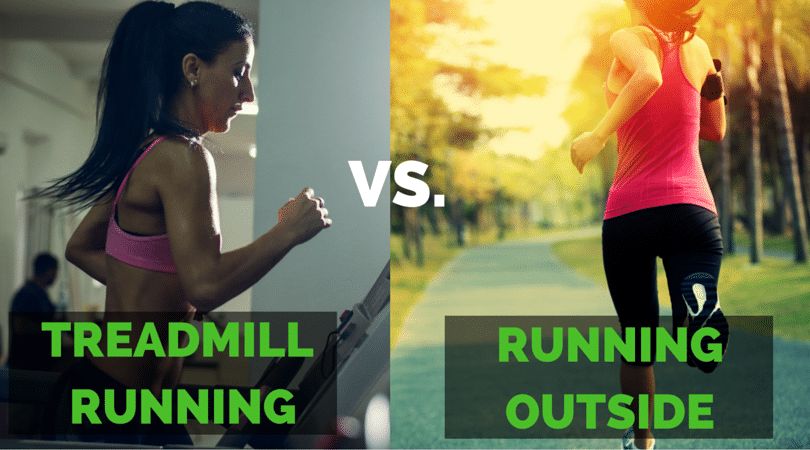
Environment and conditions you control
Outdoors is full of variables. Wind, camber, traffic, curbs, and hidden hills all raise effort. Indoors, you remove most of that noise. The air is still. The deck is level. You set the incline. You control the room temp and a fan.
This control trims the random spikes that cost energy and focus. For many, that is why is running on a treadmill easier on busy days or in bad weather.
Perception and psychology of effort
Perceived effort matters. A steady belt and a clear display give instant feedback. Music, TV, or a podcast can lower how hard the run feels. There is less decision fatigue since the machine sets pace and incline.
When your mind is calm, your effort often drops at the same speed. That is another reason why is running on a treadmill easier for new runners and for recovery days.

Pace, form, and feedback loops
The treadmill keeps you honest. No surges at stoplights. No slow drifts on long climbs. Your cadence and stride can settle into a groove. That reduces waste and makes each step more repeatable.
The screen helps you adjust in real time. A slight change of 0.1 mph can nail the right zone. With this tight loop, you save energy. In short, the setup explains why is running on a treadmill easier to pace well.
Cushioning, impact, and recovery
Most treadmill decks have some give. Compared with concrete, impact forces can drop. Less pounding can mean less muscle damage day to day. Many runners feel fresher after indoor easy runs.
This can help you train more often and bounce back faster. Reduced impact is a clear part of why is running on a treadmill easier for joints and tendons during base miles.

When the treadmill is not easier
It is not always a free pass. Gyms can be warm and stuffy. Poor fans and dry air can raise heart rate. Old belts can slip or feel sticky. Steep inclines and long tempos indoors can feel hard fast.
Some stabilizers work less on a treadmill. Others work more. Boredom can also raise perceived effort. These limits do not erase why is running on a treadmill easier, but they do shape your plan.

Make treadmill running closer to outdoors
You can match outdoor energy cost with smart tweaks. Use these simple steps.
- Set a 1 percent incline for runs at easy to moderate speeds. This offsets missing wind.
- Use a fan at your chest to help cooling and mimic airflow.
- Mix incline changes every 5 to 10 minutes to simulate rolling terrain.
- Do parts of your long run outside to keep road skills sharp.
- Watch your cadence. Aim for a smooth rhythm, not a long stride.
- Wear the same shoes you use outdoors to keep feel and fit the same.
- Check the deck and belt. A well-kept machine feels closer to road running.
With these tips, you can honor why is running on a treadmill easier while keeping outdoor fitness strong.
Sample workouts you can try
These simple plans fit most runners and help bridge indoor and outdoor needs.
- Easy base run
- Set incline to 1 percent.
- Run 20 to 40 minutes at a pace where you can chat.
- Add a 1 minute pick up every 10 minutes at 5 to 10 percent faster pace.
- Hill rhythm builder
- Warm up 10 minutes at 1 percent.
- Do 6 repeats of 2 minutes at 4 to 6 percent incline at steady effort.
- Jog 2 minutes easy at 1 percent between repeats.
- Cool down 10 minutes.
- Tempo sandwich
- Warm up 15 minutes at 1 percent.
- Tempo 15 minutes at 1 to 2 percent at a pace you can hold with focus.
- Easy 5 minutes.
- Tempo 10 minutes again.
- Cool down 10 minutes.
- Progression run
- Start at easy pace for 10 minutes at 1 percent.
- Every 5 minutes, raise speed by 0.1 to 0.2 mph.
- Finish with 5 minutes easy.
- Keep form tall and relaxed.
These sessions respect why is running on a treadmill easier while growing strength, pace control, and form.
Frequently Asked Questions of why is running on a treadmill easier
Why is running on a treadmill easier than outside for the same pace?
There is no wind, the surface is even, and the belt helps your stride. The steady setup lowers energy cost and perceived effort.
Does a 1 percent incline make treadmill pace equal to outdoor pace?
At easy to moderate speeds, 1 percent is a good rule of thumb. It offsets missing wind resistance and brings energy cost closer to road running.
Do I burn fewer calories on a treadmill?
At zero incline, you may burn slightly fewer calories than outdoors. Add a 1 percent incline to make it similar at most paces.
Why do my legs feel odd when I step off the treadmill?
Your body adapts to the moving belt and steady visual field. When you stop, your brain needs a moment to reset to still ground, which can feel strange.
Is treadmill running easier on the knees?
Cushioned decks can reduce impact compared with concrete. That may feel easier on joints, but strength and form still matter.
Can treadmill workouts prepare me for a road race?
Yes, if you add some outdoor runs for terrain, wind, and race feel. Use the treadmill for pace work, hills, and controlled workouts.
Why is running on a treadmill easier during hot or cold weather?
Indoors, you control temp, airflow, and hydration access. That reduces stress and keeps heart rate in check.
Conclusion
Running indoors feels easier because the belt moves, the air is calm, and the deck is kind to your legs. Pace control and steady feedback lower both energy cost and stress. Use a 1 percent incline, a fan, and smart workouts to match road effort and get strong.
Mix indoor control with outdoor skill. Try one workout this week, note how it feels, and adjust. Want more detailed plans and tips? Subscribe, share your treadmill wins, or drop a question in the comments so we can refine your setup together.


