

Why Does New Shoes Hurt [Fix Pain Fast With Expert Tips]
New shoes hurt because stiff materials and poor fit create pressure, friction, and heat.
If you have ever asked why does new shoes hurt, you are not alone. I have fitted hundreds of pairs in stores and tested many more on long days. This guide explains the real reasons new shoes bite, how to fix them fast, and how to shop smarter so you can avoid pain the next time.
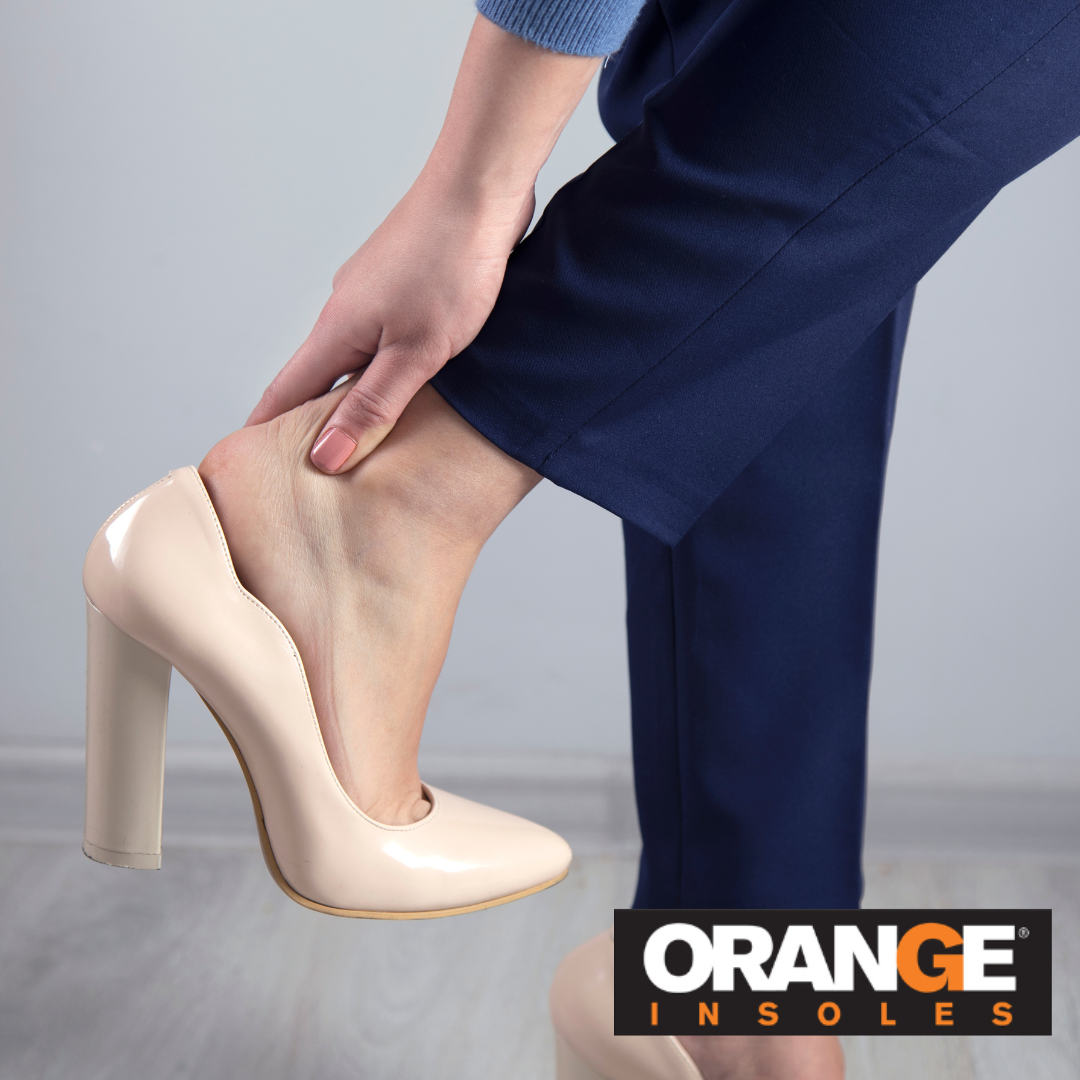
What’s Really Going On: The Mechanics of New Shoe Pain
Understanding why does new shoes hurt starts with friction, pressure, and shear. New uppers are stiff. They do not move with your foot yet. As you walk, the shoe rubs, skin heats up, and fluid builds. That is how hot spots and blisters start.
Key culprits include:
- Friction from seams, stiff counters, and coarse linings. Skin warms and weakens.
- Pressure from tight spots. Blood flow drops, nerves fire, and pain builds.
- Shear when the foot slides inside the shoe. Layers of skin shift and tear.
- Heat and sweat. Moist skin has higher friction and blisters faster.
Your body also reacts. Tissues swell with use. A snug morning fit can turn tight by noon. That tight band across the toes or heel rub can grow fast on a long day.

Fit, Sizing, and Foot Shape: Getting the Match Right
A big part of why does new shoes hurt is a mismatch between your foot and the shoe’s last. Shoe size is not the same across brands. Widths and volume also change. The shape of the toe box and the curve of the arch matter as much as length.
Foot shape plays a big role:
- Wide forefoot or bunions need a roomy toe box.
- Narrow heels need a snug counter to stop slip.
- High insteps need more volume over the top of the foot.
- Flat feet or high arches need the right support height and placement.
Simple fit checks help:
- Stand when fitting. Feet spread under load.
- Aim for a thumb’s width in front of the longest toe.
- Check width by pinching the upper over the forefoot. It should not feel like a clamp.
- Walk up and down a ramp. Toes should not hit the front.

Materials, Construction, and Break-In Science
Materials also explain why does new shoes hurt. New leather is rigid and needs time to flex. Thick synthetic overlays can dig. Stiff heel counters rub the Achilles. Hard liners raise friction.
What changes with time:
- Uppers micro-stretch and crease. They learn your foot path.
- Insoles compress and shape to your arch and heel.
- Outsoles flex more at the ball. That lowers strain on your toes.
Construction details to watch:
- Seams inside the toe or bunion area.
- Heel counter height and curve.
- The flex point. Bend the shoe. It should fold where your toes bend.
- Insole support. Too high can poke. Too low can strain.

Common Hot Spots and What They Mean
Hot spots can reveal why does new shoes hurt in your pair. The pain’s location points to the fix.
Match the pain to the likely cause:
- Back of heel blisters: heel counter too stiff or heel slip. Try heel grips or lace locks.
- Achilles bite: counter edge too high. Use pads or choose a softer collar.
- Pinky toe rub: toe box too narrow. Look for a wider last or stretch that zone.
- Big toe or bunion pain: need more width or softer side panels.
- Ball-of-foot burn: flex point off or not enough cushioning. Swap insoles or try met pads.
- Top-of-foot lace bite: too little volume or tight lacing. Use gap lacing or skip an eyelet.
- Arch poke: support is too high or placed wrong. Test with a flat insole.

Health and Activity Factors That Make Pain Worse
Your body can add to why does new shoes hurt. Feet swell later in the day, in heat, or during long shifts. That turns snug areas into pressure zones. Old injuries, pronation, or supination raise localized stress.
Other factors:
- Pregnancy and heat increase swelling.
- Diabetes and nerve issues change how you feel friction. Prevention is key.
- Hard floors and long standing overload the heel and forefoot.
- Thick socks in cold weather can crowd the toe box.

How to Break In New Shoes Without Pain
You can cut down why does new shoes hurt with a plan. Do not jump into a full day right away. Teach the shoe your foot in short bursts.
Step-by-step method I use with clients and on my own pairs:
- Wear them at home for 30–60 minutes for two days.
- Flex the forefoot by hand to loosen the outsole.
- Use a leather conditioner on stiff leather uppers.
- Spot-stretch tight zones with shoe stretch spray and a ball or spoon.
- Try heel grips, tongue pads, or thin gel spots in rub areas.
- Learn two lacing tricks: runner’s loop for heel lock, skip-eyelet for high instep.
- Swap insoles if arch or heel cup feels off.
- Tape hot spots with thin blister film or moleskin before long wear.
- Let shoes rest and dry between uses. Moisture softens skin and raises friction.
- Avoid risky hacks like soaking or freezing the shoes. They can warp the shape.
A quick story: I once broke in stiff dress shoes over a week, ten minutes at a time, with tongue pads and a runner’s loop. By day seven, they felt like they were made for me. Small tweaks plus time beat pain every time.
When to Return, Exchange, or See a Pro
Sometimes, the best fix for why does new shoes hurt is to return them. Some fits will never work for your foot. Know the red flags.
Return or swap if:
- Toes hit the front even after lacing changes.
- Your forefoot goes numb in 20 minutes.
- The arch stabs in the same spot each step.
- Blisters come back in the same place after pads and break-in.
- Nails bruise on stairs or downhill.
If the shoe is close, a cobbler can stretch leather in target zones. A podiatrist or pedorthist can assess gait and add custom pads or orthotics. Keep boxes and tags on until you are sure.

Prevention: Smart Shopping and Fit Checklist
Stop why does new shoes hurt before it starts with this list. Slow down and test each key point in the store or at home.
Use this checklist:
- Shop late in the day when feet are a bit swollen.
- Bring the socks you plan to wear.
- Check length, width, and volume. Do all three.
- Do the finger test at the heel for slip. Lock laces if needed.
- Bend test for the flex point. Match your toe bend.
- Walk a ramp or stairs. No toe bang.
- Try one size up and down to compare. Trust your feet, not the tag.
- If buying online, read the last shape notes and width options. Order two sizes if returns are easy.

Frequently Asked Questions of why does new shoes hurt
Why do new shoes cause blisters?
New uppers are stiff and rub your skin before they flex with your gait. Moisture and heat raise friction, so blisters form faster during long walks.
How long should it take to break in new shoes?
Many casual shoes feel fine in two to five wears. Stiff leather or formal pairs can take one to two weeks of short sessions.
Should I size up to avoid pain?
Only if your toes hit the front or the width is tight. Too much length causes heel slip and new hot spots, so fix width or volume first.
Do insoles help with new shoe pain?
Yes, if pain comes from poor support or a hard footbed. Pick an insole that matches your arch height and test for heel cup depth.
Can I stretch synthetic shoes?
A little, but not as much as leather. Targeted heat and stretch tools can help, but avoid high heat that can warp glue and overlays.
Why does new shoes hurt even after a week?
The shape may not match your foot, or a seam is in a bad spot. If pads and lacing tricks fail, exchange the shoe or see a fitter.
Conclusion
New shoe pain is not a mystery. It is a mix of fit, materials, and how your feet move through the day. With smart checks, small tweaks, and a calm break-in plan, you can go from ouch to all-day comfort.
Try the checklist on your next pair, track what works, and build your own playbook. Ready to fix a tough pair or shop smarter? Share your fit wins or questions in the comments, and subscribe for more easy, foot-friendly tips.


