

Why Do My Jeans Stain My Shoes? Causes & Easy Fixes
Jeans stain shoes because loose indigo dye rubs off, especially when damp.
If you ask, why do my jeans stain my shoes, you are not alone. I have tested and styled denim for years, and I have seen this problem in rain, heat, and daily wear. In this guide, I explain the science in plain words, share pro tips, and show you how to protect your sneakers and leather. Read on to learn why do my jeans stain my shoes and what to do next.

What actually causes the stains: denim dye and crocking
Most dark jeans use indigo or sulfur dyes. These dyes sit on the surface of the denim yarns. They do not fully bind to the cotton core. That loose dye can rub off. This rub-off is called crocking in textile testing.
Two kinds of crocking happen. Dry crocking is transfer on contact when the fabric and shoes are dry. Wet crocking happens when sweat or rain adds moisture. Wet crocking is much stronger than dry. That is why do my jeans stain my shoes more on rainy days.
Textile labs measure crocking with standard tests. You may see scores from AATCC or ISO methods. Lower scores mean more transfer. Raw and unwashed denim often has lower scores. It will shed more dye during the first wears.

Why do some jeans bleed more than others
Not all denim is the same. A few key things raise the risk.
- New, dark, or raw denim: New jeans can carry excess dye. Raw or “rigid” pairs have not been washed to clear it.
- Dye type: Indigo often rubs off. Black denim often uses sulfur dyes, which can also bleed.
- Finishes: Some mills add fixatives to hold dye. Raw denim avoids these finishes, so it transfers more.
- Fit and friction: Tight hems scrape across shoes with each step.
- Moisture and pH: Rain, sweat, and road spray add water and salts. This boosts dye movement.
These small details explain why do my jeans stain my shoes at the start, and why it eases over time as loose dye washes away.
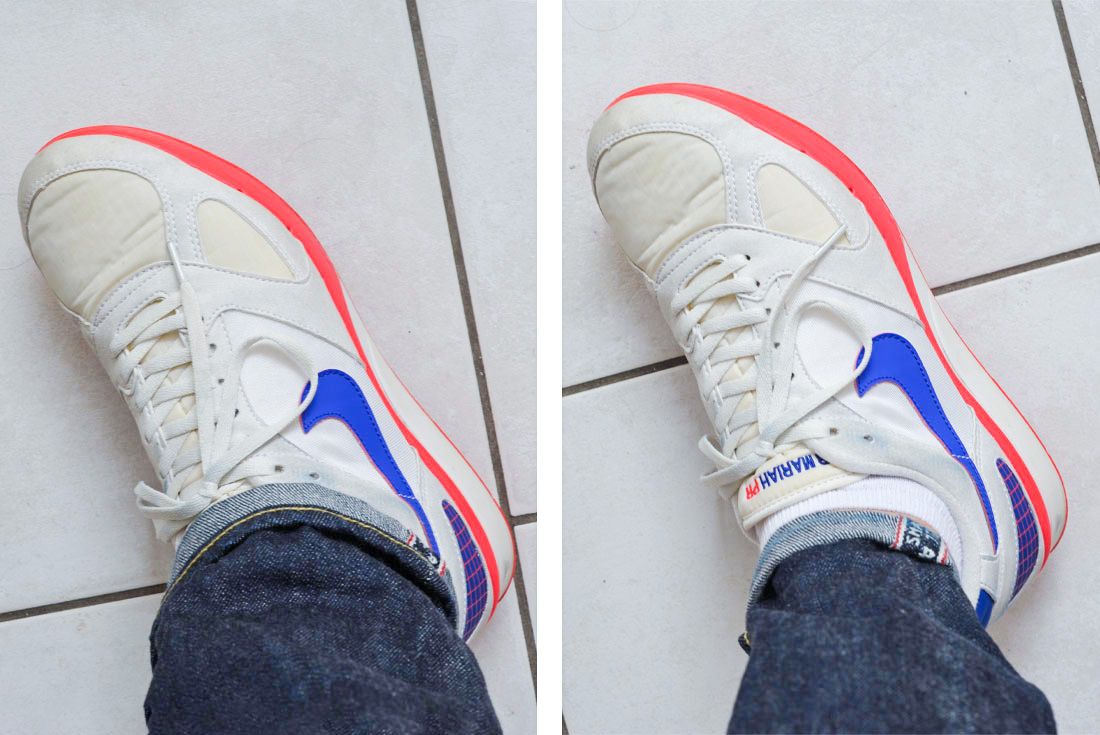
Shoes and materials most at risk
Some shoe materials grab dye more than others. Texture and finish matter a lot.
- Suede and nubuck: The nap traps dye fast. Stains can be hard to lift.
- Porous leather: Unfinished or lightly finished leather absorbs color.
- Knits and canvas: Open weaves soak up dye and hold it.
- White rubber and foam: They do not absorb, but the surface marks show fast.
Smooth, sealed leather resists better than suede. Protective creams and sprays can add a barrier. Still, why do my jeans stain my shoes even when treated? Heavy friction and water can defeat thin coatings.

How to prevent denim dye transfer on shoes
You can lower the risk with a few simple steps. I use this routine with clients before styling looks with white sneakers.
- Prewash dark jeans: Wash alone or with darks for 2–3 cycles. Turn inside out. Use cold water and a color-care detergent.
- Add absorbent sheets: Color-catcher sheets can trap loose dye in the wash.
- Air-dry: Heat can set creases that rub more at the hem.
- Hem height matters: Keep hems off the shoe counter and away from the vamp.
- Dress for weather: Wear older jeans on rainy days if you plan white shoes.
- Use barriers: Apply leather cream, suede protector, or fabric guard to shoes. Reapply every few weeks.
- Reduce friction: A small cuff can stop the edge from scraping your shoe.
Many people ask, why do my jeans stain my shoes even after I wash them? Washing removes a lot of loose dye, but not all of it. Raw or very dark denim can bleed for the first 5–10 wears.
Note on home “fixes”: Salt or vinegar soaks do little for indigo or sulfur dyes. Commercial dye fixatives can help some fabrics, but they can also change hand feel or shade. Test first.

How to remove denim stains from shoes by material
Act fast. It is much easier to lift fresh dye than old dye. Always spot test in a hidden area first.
Leather (finished, smooth)
- Wipe with a damp cloth and a small amount of gentle leather cleaner or mild soap.
- Follow with leather cream to condition and add a light barrier.
- Avoid acetone or strong alcohol on finished leather. They can strip the topcoat.
Suede and nubuck
- Let the stain dry fully. Do not rub when wet.
- Brush with a suede brush to lift loose dye. Use a suede eraser on the mark.
- Lightly steam or mist, then brush again to raise the nap. Reapply suede protector.
Canvas and knit uppers
- Mix a small amount of mild detergent with warm water.
- Blot with a soft brush or cloth. Rinse by blotting with clean water.
- Air-dry and stuff with paper to hold shape.
White rubber and midsoles
- Use a melamine foam sponge with water. Rub gently.
- For tough marks, use a tiny bit of isopropyl alcohol on a cotton swab. Avoid contact with leather or fabric.
Special finishes
- Patent leather and high-gloss coatings can pick up dye on the surface. Use a cleaner made for patent finishes. Wipe and buff.
These steps solve most cases of why do my jeans stain my shoes after a day out. If the mark will not budge, a pro cobbler or cleaner can help.
A quick test to predict color transfer
Before a big day, try this simple check.
- Dampen a white cloth with water.
- Rub a hidden area of your jeans with firm pressure.
- If the cloth turns blue or gray, expect transfer. Avoid white shoes or add extra protection.
This is a home version of a lab crocking test. It gives a fast answer to why do my jeans stain my shoes before you leave the house. If a brand-new pair fails badly, you can ask the store about returns or an exchange.
Real-world lessons from the wardrobe trenches
I once wore raw selvedge jeans to a rainy shoot with white leather sneakers. The hem sat right on the counter. By lunch, the collars were blue. A small cuff and a suede-and-leather protector would have saved me.
Since then, my checklist for clients is simple. Prewash new dark jeans. Carry a suede brush in the car. Keep a melamine sponge at home. These small moves prevent most cases of why do my jeans stain my shoes during travel, events, and long days on set.

Care and styling checklist you can follow today
- Wash new dark jeans twice before first wear with light shoes.
- Choose smooth leather or treated uppers when you wear raw denim.
- Cuff hems on wet days to cut friction.
- Reapply shoe protectors every 3–4 weeks.
- Keep quick-clean tools at hand: suede brush, melamine sponge, gentle cleaner.
Use this list to stop why do my jeans stain my shoes from ruining a look. Simple habits make a big change over time.

Frequently Asked Questions of why do my jeans stain my shoes
Why do my jeans stain my shoes only when it rains?
Moisture boosts dye transfer by softening denim fibers and spreading loose dye. Wet crocking is much stronger than dry crocking.
How many washes before my jeans stop staining my shoes?
Most pairs calm down after 2–3 washes and 5–10 wears. Raw denim may take longer because it starts with more surface dye.
Can I seal denim dye at home with vinegar or salt?
These do little for indigo or sulfur dyes used in denim. Commercial fixatives can help sometimes, but always test and expect small shade changes.
Why do black jeans stain shoes as much as blue ones?
Many black jeans use sulfur dyes. These can crock like indigo, especially when new, tight at the hem, or wet.
Will waterproof spray on shoes prevent stains?
It helps by adding a barrier, but it is not perfect. Reapply often, and still control friction and moisture.
Conclusion
Denim dye transfer is normal, especially with new, dark, or raw jeans. Crocking happens when loose dye sits on the yarn surface and rubs onto shoes. You can control it with smart washing, better hem choices, and the right shoe protectors. Clean stains early, match methods to materials, and test new jeans before big plans. Put these steps to work today, and share your results or questions so we can fine-tune your setup together.


