

How To Wash Vivobarefoot Shoes? [Easy Care Guide 2026]
Hand wash with cold water, mild soap, soft brush, and air dry away from heat.
If you want a clean pair that lasts, you need a smart plan. In this guide on how to wash vivobarefoot shoes, I share proven steps, pro tips, and real-world lessons from many cleanups. You will learn safe methods for every material, what to avoid, and how to keep that barefoot feel intact. Read on to master the process with confidence.
Why proper cleaning matters for barefoot performance
A clean shoe breathes better. Your foot moves well, and the thin sole grips as it should. Dirt and sweat can break down fibers and glue over time. Heat and harsh cleaners can also warp the flexible sole.
Knowing how to wash vivobarefoot shoes the right way protects that natural foot feel. It also cuts odor and helps the shoe hold its shape. Done well, cleaning can double the life of your daily pair.

Know your materials before you wash
Each model can use different materials. Always check the care label inside the shoe first. Then match your method to the upper.
Mesh and knit synthetics
These are breathable and quick to dry. They do best with gentle hand washing. Avoid hot water, bleach, and fabric softeners.
Leather
Use a mild leather cleaner or a tiny drop of saddle soap. Keep leather out of soaking water. Condition it after drying to prevent cracks.
Suede or nubuck
Use a suede brush to lift dirt when dry. Spot clean with a suede eraser or a small dab of suede cleaner. Keep water use light to avoid stains.
Wool blends
Use cold water and a wool-safe detergent. Do not wring. Press water out with a towel.
Canvas and recycled materials
Cold water, mild soap, and a soft brush are safe. These can handle a little more water than leather or suede.
Learning how to wash vivobarefoot shoes starts with this material check. It steers every step that follows.

Tools and cleaners you will need
Gather a small kit so cleaning is fast and safe.
- Soft brush or old soft toothbrush for uppers and tread
- Microfiber cloths for wiping and drying
- Mild liquid soap or pH-neutral detergent
- Bowl of cold water for mixing a cleaning solution
- Baking soda for odor control
- Enzyme-based shoe deodorizer for deep smells
- Suede brush and eraser for nap leathers
- Leather conditioner or balm for smooth leather
- Paper towels or unprinted paper for stuffing and shaping
- Mesh laundry bag for any machine-safe items like laces
This setup covers most needs in how to wash vivobarefoot shoes without damage.
Step-by-step: Hand wash method for most VivoBarefoot models
Use this gentle process for routine cleaning. It works for mesh, canvas, and many synthetics. Adapt it for leather and suede as noted.
- Dry brush first. Knock off loose dirt from the upper and sole.
- Remove laces and insoles. Hand wash laces in cold soapy water. Rinse and air dry. Wipe insoles with a damp cloth and mild soap. Do not soak foam or thermal layers.
- Mix your solution. Add a few drops of mild soap to cold water.
- Clean the upper. Dip the brush, shake off excess, and scrub in small circles. Keep it damp, not soaked.
- Rinse with a clean damp cloth. Wipe away suds so no residue is left.
- Clean the sole. Use the brush to lift grit from lugs and edges.
- Shape and dry. Stuff the shoes with paper to hold the foot shape. Air dry at room temp.
Material tweaks:
- Leather: Use a leather cleaner on a cloth. Wipe, then buff dry. Condition when fully dry.
- Suede or nubuck: After spot cleaning, brush the nap in one direction as it dries.
- Wool: Press, do not rub. Rinse by blotting with a damp cloth.
When people ask how to wash vivobarefoot shoes without losing shape, this is the safest path. Use light water, short contact time, and slow air drying.
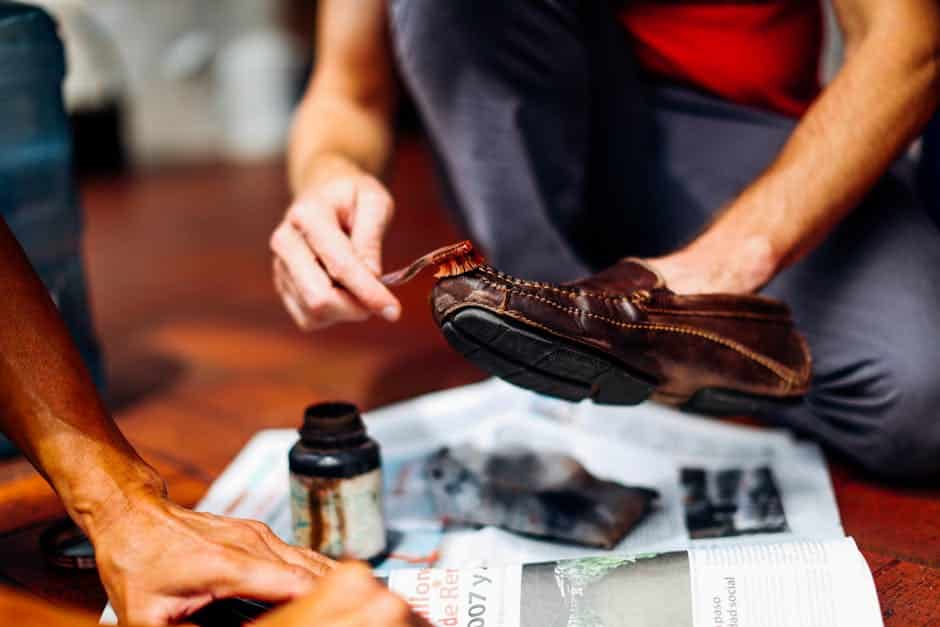
Machine washing: When it is safe and when to skip it
Most barefoot shoes do best with hand washing. Many models are not designed for the machine. Water-based glues and thin soles can suffer in hot or long cycles.
If the care label says machine safe:
- Use a cold, gentle cycle with low spin.
- Place shoes and laces in a mesh bag.
- Remove insoles and wash them by hand.
- Use a tiny amount of mild detergent.
- Air dry only. Never tumble dry.
If you are unsure, default to hand wash. That rule sits at the heart of how to wash vivobarefoot shoes with zero regrets.

Drying, deodorizing, and reshaping
Drying is as important as washing. Heat is the enemy of glue, leather, and rubber.
- Air dry at room temperature. Keep out of sun and away from heaters.
- Replace paper every few hours until dry. This keeps the toe box and heel crisp.
- For odor, sprinkle a teaspoon of baking soda inside overnight. Shake it out in the morning.
- For stubborn smells, use an enzyme shoe spray. It targets odor-causing bacteria without masking the scent.
- Rotate pairs. A day of rest lets moisture escape and reduces odor buildup.
Follow these steps if you care how to wash vivobarefoot shoes and keep them fresh week after week.

Protect and maintain after cleaning
Once dry, add a layer of care so dirt and water do not stick.
- Apply a water-repellent spray suited to your material. Test on a small hidden spot first.
- Condition smooth leather with a light balm. Use very little to avoid softening the structure.
- Brush suede to lift the nap and restore its look.
- Check the outsole for stones lodged in lugs and remove them.
- Store in a cool, dry place. Keep them out of car trunks and radiators.
Mistakes to avoid:
- Do not tumble dry.
- Do not use bleach or strong solvents.
- Do not soak leather or suede.
- Do not use hot water.
- Do not wring or twist the shoe.
These habits play a big role in how to wash vivobarefoot shoes and keep that barefoot feedback alive.

Quick fixes for common stains
Tackle stains fast so they do not set.
- Mud: Let it dry, brush off, then spot clean with soapy water.
- Salt marks: Wipe with a mix of equal parts white vinegar and water, then blot dry.
- Grass: Dab with soapy water. For stubborn marks on canvas, use a small amount of oxygen-based cleaner.
- Oil or grease: Cover with cornstarch or baking soda. Let sit 30 minutes, brush off, then spot clean.
- Blood: Use cold water only. Blot, then apply mild soap and rinse by blotting again.
This simple playbook pairs well with how to wash vivobarefoot shoes for routine care.

Field-tested tips from years of cleaning barefoot shoes
I have cleaned dozens of pairs for daily runs, hikes, and city walks. A few lessons stand out.
- Primus-style mesh cleans fast with a toothbrush and two cups of cold soapy water.
- Trackers prefer a damp cloth and leather balm. Less water keeps the heel counter firm.
- Wool uppers hold shape if you press, never rub. Lay flat for ten minutes before stuffing with paper.
- Insoles last longer if you wipe them after sweaty sessions and let them rest a full day.
These small habits make how to wash vivobarefoot shoes easier, faster, and more reliable.
Frequently Asked Questions of how to wash vivobarefoot shoes
Can I put VivoBarefoot shoes in the washing machine?
Only if the care label says it is safe. Use cold water, a gentle cycle, and a mesh bag, and always air dry after.
How often should I clean them?
Lightly wipe after heavy use and deep clean every two to four weeks. Frequency depends on sweat, weather, and terrain.
What soap is best for cleaning?
Use a pH-neutral, mild detergent or a drop of dish soap. Avoid bleach, strong solvents, and fabric softeners.
How do I remove bad odor?
Air them out between wears, then use baking soda overnight or an enzyme-based spray. Wash insoles by hand and let them dry fully.
Is heat bad for VivoBarefoot shoes?
Yes. High heat can weaken glue and warp the thin sole. Always dry at room temperature and avoid direct sunlight and heaters.
How do I clean the laces and insoles?
Soak laces in cold soapy water, then rinse and air dry. Wipe insoles with a damp cloth and mild soap; do not soak foam or thermal layers.
What should I do about salt stains in winter?
Mix equal parts water and white vinegar, dab the marks, then blot dry. Finish with a clean damp cloth to remove any residue.
Conclusion
You now have a clear, safe routine for clean shoes that last. Start with a gentle hand wash, dry with care, and add light protection. These steps keep that natural feel and help every stride.
Put this plan to work today. Try one pair, note what works, and build your own rhythm. If this guide on how to wash vivobarefoot shoes helped, share it, subscribe for more care tips, or leave a comment with your results.


