

7 Best Stability Running Shoes for Flat Feet for Balanced Daily Runs
Supportive running shoes can make daily miles feel steadier and more comfortable, whether you’re jogging around the neighborhood or training for a race. Regular neutral shoes offer cushioning, but they may not provide the added guidance some flat-footed runners want as their feet roll inward.
That’s where stability running shoes can help. Their structured midsoles and supportive designs guide your stride while cushioning each step, helping you feel more balanced without asking you to change how you run.
Many pairs combine breathable uppers that help keep feet cool with roomy toe boxes for a more comfortable fit. Durable outsoles offer reliable traction, while cushioned midsoles soften the feel of pavement on everyday runs.
Stability, cushioning, fit, and weight vary by model, so consider your running distances and comfort needs. Explore the best stability running shoes for flat feet below to find a pair that suits your miles.
7 Best Stability Running Shoes for Flat Feet Reviews
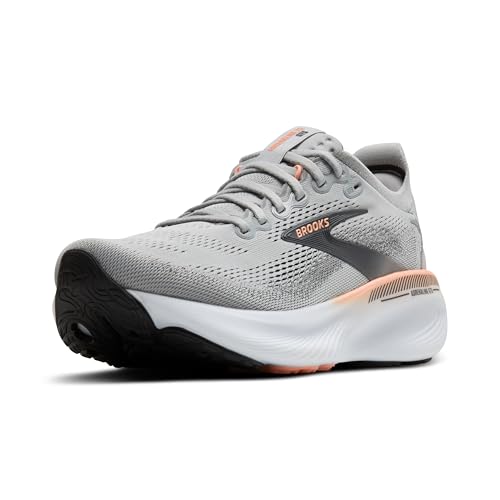
1.Brooks Adrenaline GTS 25 Running Shoe
GuideRails support helps keep excess movement in check on every run

2.Brooks Adrenaline GTS 25 Running Shoe
GuideRails support helps keep excess movement in check on every run

3.New Balance Fresh Foam X 860v15 Running Shoe
Stability Plane supports each stride while preserving plush cushioning

4.OrthoComfoot Orthopedic Running Shoes for Men
Built-in orthotic insoles support arches and help distribute foot
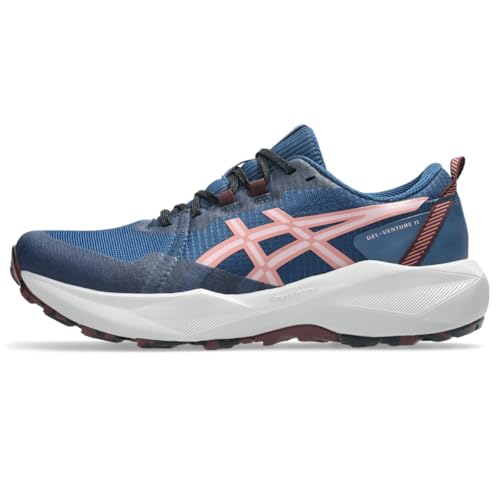
5.ASICS Gel-Venture 11 Running Shoes
Rearfoot GEL cushioning absorbs shock with cushioning in the midsole

6.New Balance Fresh Foam 680 V9 Running Shoe
Soft, responsive cushioning keeps feet comfortable on runs mile after

7.OrthoComfoot Orthopedic Running Shoes for
Built-in orthotic insoles support arches and help distribute foot
1. Brooks Adrenaline GTS 25 Running Shoe
Brooks Adrenaline GTS 25 helps guide each step for runners and walkers who want support on flat feet. Its GuideRails system supports the body’s natural motion path and helps keep excess movement in check.
Nitrogen-infused DNA LOFT v3 cushioning adds softness underfoot without making the shoe’s cushioning feel heavy. That support and cushioning can suit everyday runs and walks, where comfort over repeated steps matters.
The outsole and midsole work together to encourage smooth transitions from one step to the next. The design aims to keep movement comfortable and supported as you continue running or walking.
A breathable engineered mesh upper lets air move around the foot, while its structure and flexibility accommodate natural movement. The flat-knit collar adds a secure fit around the ankle without changing the shoe’s focus on support.
This Grey/Blackened Pearl/Coral women’s shoe comes in size 9 Medium and weighs about 0.6 pounds. It is also a certified PDAC A5500 Diabetic shoe and has the APMA Seal of Acceptance.
The Adrenaline GTS 25 suits runners and walkers with flat feet who want guided support, soft cushioning and a secure fit for regular use.
- GuideRails help limit excess foot movement
- Nitrogen-infused cushioning adds lightweight softness
- Mesh upper allows airflow during activity
- Outsole and midsole support smooth transitions
- No major cons
2. Brooks Adrenaline GTS 25 Running Shoe
For runners and walkers with flat feet, the Brooks Adrenaline GTS 25 offers support that helps guide each step along a natural path. Its GuideRails system keeps excess movement in check, making stability the main reason to consider this shoe.
The midsole uses nitrogen-infused DNA LOFT v3 cushioning, which gives each step a soft feel without adding a heavy cushioning setup. That comfort can help on daily walks and runs, especially when you spend a long time on your feet.
A specially designed outsole and midsole work together to support smooth transitions from one step to the next. This can make the shoe a practical choice for regular training, walking, or moving between both activities.
The breathable engineered mesh upper combines structure with flexibility as your foot moves. A flat-knit collar helps hold the fit comfortably around the ankle, while the 10.5 Wide size offers a wider fit option for buyers who need more room.
This Primer Grey/Ebony/Jasmin shoe weighs about 0.7 pounds. It is also a certified PDAC A5500 Diabetic shoe and carries the APMA Seal of Acceptance, details that may matter to shoppers looking for recognized foot-health credentials.
The Adrenaline GTS 25 suits runners and walkers seeking a supportive daily shoe, particularly those who want guidance for excess motion and a wide fit. Its stated features focus on support, cushioning, and fit rather than speed or race-day performance.
- GuideRails helps control excess foot movement
- Nitrogen-infused cushioning adds lightweight softness
- Wide sizing gives more room for feet
- Certified diabetic shoe with APMA Seal
- No major cons
3. New Balance Fresh Foam X 860v15 Running Shoe
Fresh Foam X cushioning pairs with Stability Plane technology in the New Balance 860v15, giving flat-footed runners a stability-focused shoe with a cushioned feel. The design aims to support steady strides without giving up the softness underfoot.
The Fresh Foam X midsole offers New Balance’s most cushioned Fresh Foam experience. That cushioning can make longer training runs and races more comfortable while keeping the shoe focused on everyday running.
Stability Plane technology adds support to help guide each stride. Its purpose is to provide dependable stability alongside the plush midsole, a useful combination for runners who want extra support without a firm-feeling ride.
A lightweight synthetic upper allows airflow and supports the foot during runs. The breathable material can help keep feet cooler through longer training sessions, while its light build suits both regular workouts and race days.
New Balance says the 860 line was developed and validated through its Sports Research lab for cushioning, stability and comfort. The shoe weighs about 0.65 pounds and comes in Quartz Grey/Altitude, in the listed men’s size 10.5.
This shoe suits flat-footed runners looking for cushioning with built-in stability support for daily training and longer distances. Its combination of Fresh Foam X and Stability Plane technology makes it a strong option for people who want a supportive running shoe without giving up a cushioned underfoot feel.
- Fresh Foam X cushioning for longer runs
- Stability Plane supports steady running strides
- Lightweight upper lets air reach the foot
- Lab-validated cushioning and stability support
- No major cons
4. OrthoComfoot Orthopedic Running Shoes for Men
People with flat feet or high arches get built-in orthotic support in these OrthoComfoot shoes, which makes them a practical option for steady walking and running. The insole is designed to spread pressure across the foot and support alignment.
Cushioning in the midsole absorbs impact during running, tennis and other active use. That support may also help reduce strain on the feet, knees and back during longer periods on your feet.
The mesh upper lets air circulate to help keep feet cool and dry during workouts or daily walks. It can also help limit sweat buildup, which may make long wear more comfortable.
A sturdy outsole provides traction for indoor and outdoor use, including roads, trails and tennis courts. The shoes are presented for running, trekking, tennis, walking and hiking, so they can cover several kinds of activity.
This pair comes in black, size 13, and weighs about 0.6 pounds. The product details do not identify a specific stability feature beyond the orthotic insole and cushioned midsole, so buyers seeking structured running-shoe support may want to compare those details with their needs.
The shoes suit people looking for arch support and cushioning for flat feet, plantar fasciitis or everyday walking, especially those who want one pair for both casual and athletic use.
- Built-in orthotic insoles support foot arches
- Cushioned midsole absorbs impact during activity
- Breathable mesh helps feet stay cool and dry
- Outsole provides traction indoors and outdoors
- No major cons
5. ASICS Gel-Venture 11 Running Shoes
For paved paths and everyday routes, the ASICS Gel-Venture 11 offers cushioning features for runners who want a comfortable shoe. The mesh upper provides a breathable top layer, while Rearfoot GEL technology in the midsole helps absorb impact at the heel.
AMPLIFOAM PLUS adds midsole cushioning for a softer ride than standard AMPLIFOAM. Together, the cushioning features can help make regular runs and walks more comfortable, though the product details do not specify stability support for flat feet.
An OrthoLite Hybrid Max Lite sockliner combines cushioning with moisture management and breathability. Its solution-dyeing process uses about 33% less water and produces about 45% fewer carbon emissions than conventional dyeing, according to the product information.
The molded rubber outsole provides the shoe’s ground-contact surface. The listed Twilight Blue/Morganite color gives it a two-tone look, and the specified women’s size is 7.5.
At about 1.5 pounds, the pair has a stated weight buyers can factor into their choice. The shoe runs large, so shoppers may want to account for that when selecting a size. It may suit runners seeking cushioned everyday footwear, but the available details do not establish it as a stability shoe for flat feet.
- Rearfoot GEL helps absorb heel impact
- AMPLIFOAM PLUS adds softer midsole cushioning
- Breathable mesh upper for everyday runs
- Sockliner manages moisture and adds cushioning
- Runs large, so sizing may need care
6. New Balance Fresh Foam 680 V9 Running Shoe
Fresh Foam cushioning is the key feature of the New Balance 680 V9, giving road runners a soft, responsive midsole. For a roundup on stability shoes for flat feet, note that the product details do not describe a stability system or other support features specifically for flat feet.
The bio-based content in the midsole adds to its cushioning design. That soft, responsive feel is intended to keep feet comfortable over repeated miles, making the shoe relevant for daily runs as well as shorter workouts.
A molded engineered mesh upper lets air move around the foot during runs, gym sessions and everyday activities. That airflow can help keep feet cooler and drier during active use.
The rubber outsole provides traction on roads, sidewalks and gym floors. This range of surfaces suits runners who also use the same shoes for workouts or daily errands.
At 9.7 ounces, the shoe has a lightweight build for a daily trainer. Its traditional lace-up closure lets you adjust the fit for comfort and support during a run or workout.
This Blue Bird and Faded Black shoe comes in size 10 X-Wide, and its listed item weight is about 1 pound. It may suit runners seeking a cushioned, breathable shoe for routine activity, though buyers who need stated stability support for flat feet should look for clearer support details.
- Fresh Foam cushioning softens daily road miles
- Bio-based midsole content adds cushioning
- Breathable mesh helps keep feet cooler
- 9.7-ounce build suits daily running and workouts
- No major cons
7. OrthoComfoot Orthopedic Running Shoes for
OrthoComfoot’s purple size 8 shoes pair built-in orthotic insoles with cushioning for walking, running and other active use. The arch support is designed for flat feet and high arches, making foot support the central feature for this stability-focused option.
The insoles are intended to spread pressure across the foot and support alignment. That may appeal to people seeking support for plantar fasciitis, though the product details do not give a degree of stability or a specific support rating.
A cushioned midsole absorbs some impact during running, trekking and long walks. The outsole is designed for grip on trails, roads and courts, so the shoes can also suit cycling and casual wear.
The upper combines a waterproof membrane with breathable material. It is designed to keep moisture out while allowing air to circulate, which may help during active outings in wet or warm conditions.
These shoes weigh about 0.6 pounds, based on the listed item weight. Their purple color and size 8 listing narrow the choice, while the athletic styling suits buyers who want one pair for exercise and everyday walking.
This pair may suit people with flat feet who want built-in arch support and cushioning for varied activities. The product information does not specify fit adjustments or a stability rating, so buyers who need a particular level of support may want more detail before choosing.
- Built-in orthotic insoles support arches and alignment
- Waterproof, breathable upper helps keep feet dry
- Cushioned midsole absorbs impact during long walks
- Traction-focused outsole grips varied outdoor terrain
- No major cons
How to Choose the Best Stability Running Shoes for Flat Feet
The right stability shoe can make running feel more controlled, but flat feet vary in shape, flexibility and comfort needs. Your fit, running surface, support preference and budget all affect which features deserve priority.
| If You Need | Look For | Expect |
|---|---|---|
| Guidance for inward rolling | Broad, structured stability support | Firmer feel underfoot |
| Room for wider feet | Wide sizing and roomy toe box | Fewer color or size options |
| Long-run comfort | Cushioned midsole and secure fit | More shoe weight |
| Trail and road use | Grippy outsole with stable base | Less road-focused flexibility |
| All-day walking too | Breathable upper and padded collar | Less responsive running feel |
| Lower-cost daily pair | Basic cushioning and durable outsole | Fewer support adjustments |
Stability Style
Stability shoes guide foot movement with features such as firmer foam, support rails or a broad base, but they do not correct every flat-foot concern. Choose guidance that feels steady rather than forcing your foot into an uncomfortable position.
Some feet roll inward noticeably during a stride; others stay relatively stable despite low arches. If possible, try shoes late in the day, when feet are slightly larger, and walk or jog in them before deciding.
A supportive feel should come from the whole shoe, not one hard spot beneath the arch. If pressure builds, your toes feel pushed outward, or your stride feels restricted, try a different support shape.
Cushioning and Firmness
Cushioning softens repeated impact, which often matters on long road runs or hard sidewalks. Softer foam feels plush, while firmer cushioning usually feels more controlled; neither is automatically better for flat feet.
Look for a midsole that compresses comfortably without letting your foot sink or wobble. If you run longer distances, prioritize cushioning that still feels stable after several minutes, rather than judging it from a quick standing test.
Heel cushioning and forefoot cushioning can feel different within the same shoe. A smoother transition from landing to push-off suits steady road running, while a firmer, more direct feel may suit shorter workouts.
Fit and Sizing
A stable shoe still needs the right length and width, because a cramped toe box or loose heel can undermine comfort. Leave roughly a thumb’s width ahead of your longest toe, with no pinching across the forefoot.
Flat feet sometimes spread more under load, so width matters as much as marked shoe length. Try your usual running socks, lace the shoe securely, and confirm that your toes can spread without the heel slipping.
Sizing varies among shoe models, so treat your usual size as a starting point, not a guarantee. If one foot is larger, fit that foot first; removable insoles also help reveal whether the interior has enough space.
Arch Support and Insoles
Built-in arch support may feel helpful when it matches your foot, but a high or sharply shaped arch can create pressure. Pay attention to comfort across the full foot, not just the sensation of support while standing.
If you already use orthotics, bring them when trying shoes and check whether the stock insole comes out. The combined insole and shoe should leave enough volume, hold your heel, and avoid crowding your toes.
A shoe with moderate built-in support offers a different feel from one with a pronounced orthotic insert. Choose based on your comfort and clinician’s advice, especially if you have persistent pain or a medical foot condition.
Upper and Lockdown
The upper holds your foot over the midsole, while its material affects heat, flexibility and pressure. Breathable mesh suits warm runs, but a close, secure fit matters more than airflow if the shoe feels loose.
A padded collar and tongue can reduce rubbing around the ankle and top of the foot. Lace-up designs also let you adjust tension, which helps when your instep or forefoot needs more room.
Water-resistant or waterproof uppers can help in wet conditions, but they often trap more heat than open mesh. For dry roads and indoor workouts, airflow may be the more useful trade-off.
Outsole and Running Surface
Outsole rubber provides grip and helps protect the midsole from wear, but tread patterns suit different surfaces. Road shoes usually feel smoother on pavement, while deeper lugs offer better bite on dirt or uneven trails.
For mixed routes, look for a stable platform and tread that grips your most common surface. A trail-ready outsole may feel less flexible on pavement, so frequent road runners should avoid paying for traction they rarely use.
Wet sidewalks, gym floors and loose paths each ask for different traction. Match the outsole to your routine, and remember that aggressive tread does not replace a secure fit or appropriate stability.
Weight and Daily Use
A lighter shoe can feel easier to lift during faster runs, while a heavier build may include more cushioning or structure. Compare weight only alongside fit and support, since a small difference rarely outweighs discomfort.
If you plan to walk, stand or train in the same pair, consider how the shoe feels at several speeds. A highly cushioned daily shoe may feel comfortable for walking but less lively during faster running.
Product listings may report weight per shoe or by a different size, so figures are not always directly comparable. Use weight as a guide, then prioritize a natural stride and a stable landing.
Durability and Care
Outsole rubber, upper stitching and midsole resilience affect how long a pair stays useful. Frequent runners should look for a solid rubber contact area and reinforced high-wear zones, while occasional users may need less reinforcement.
Running surfaces and weekly distance change wear rates, so there is no single replacement mileage for everyone. Watch for flattened cushioning, uneven outsole wear, or a noticeable change in comfort and stability.
Rotating between pairs gives each shoe time to dry and recover, especially after wet runs. Keep them for running rather than using them for every chore, since extra daily miles add wear.
Price and Value
Lower-priced shoes often cover basic cushioning and everyday use, while higher prices may bring specialized support, lighter materials or more refined construction. Paying more makes sense only when those features suit your running needs.
Compare the fit, stability, outsole and intended surface before focusing on discounts. A cheaper shoe that causes pressure or feels unstable costs less upfront but may not serve your routine comfortably.
If you run often, spend where better fit and durable materials support regular use. For occasional short runs, a simpler pair may be enough, provided its support and sizing feel right.
Returns and Warranty
A clear return window is useful because comfort during a brief fitting may differ from comfort after a short run. Read the seller’s rules before wearing shoes outdoors, since used footwear may not qualify for return.
Warranty coverage usually addresses defects, not ordinary wear or a change in preference. Review the terms and keep your receipt, but treat warranty as backup rather than a reason to overlook fit.
If foot pain persists or worsens, consult a podiatrist or other qualified clinician instead of relying on shoe features alone. A professional assessment is especially useful when you have diabetes, numbness or recurring injuries.
Frequently Asked Questions
Are these stability running shoes battery-powered?
No. The Brooks Adrenaline GTS 25 and the other shoes in this roundup are footwear, so they need no power source.
What features support flat feet?
Support varies by model: the Brooks Adrenaline GTS 25 uses GuideRails, the New Balance Fresh Foam X 860v15 has a Stability Plane, and OrthoComfoot shoes have built-in orthotic insoles.
What materials are these shoes made from?
The product details highlight support and cushioning features but do not specify the materials, so check each listing for its full construction details.
What comes in the box?
Each product is a pair of running shoes; the provided details do not list any additional accessories or items.
Should I choose the Brooks Adrenaline GTS 25 or the New Balance Fresh Foam X 860v15?
Choose the Brooks for GuideRails support that helps control excess movement, or the New Balance for a Stability Plane paired with plush cushioning.
Which shoes offer cushioning for everyday runs?
The ASICS Gel-Venture 11 features rearfoot GEL cushioning and midsole cushioning, while the New Balance Fresh Foam 680 V9 offers soft, responsive cushioning for runs.
How can I choose the right pair for my runs?
Match the listed support and cushioning features to your needs, and check the product details for fit and sizing information before buying.
So, What Should You Buy?
The Brooks Adrenaline GTS 25 is the best pick for most runners with flat feet, thanks to GuideRails support that helps keep excess movement in check. For plush cushioning with stride support, choose the New Balance Fresh Foam X 860v15; for built-in orthotic insoles, consider the OrthoComfoot. The ASICS Gel-Venture 11 adds rearfoot GEL shock absorption, while the New Balance Fresh Foam 680 V9 suits runners seeking soft, responsive cushioning.
Choose the model whose support and cushioning best match your runs, and step out with confidence.


