

7 Best Squat Shoes for Men That Keep Every Lift Stable and Strong
Strong, steady squats can make strength training feel more controlled and help you focus on each rep. Regular trainers often have soft, cushioned soles that compress under heavy weight, while bare feet lack the grip and structured support many lifters prefer.
That’s where dedicated squat shoes can help. Their firm, stable soles give your feet a solid base, and raised heels can make it easier to reach a comfortable squat depth while keeping your torso upright. Straps help secure your foot through each rep.
Many pairs add grippy outsoles to steady your stance, breathable uppers to keep feet more comfortable, and durable materials for regular gym sessions. A secure fit helps you concentrate on your form instead of shifting footwear.
Squat shoes vary in heel height, fit, weight, and price, so your training style and comfort matter most. Explore the best squat shoes for men below to find a pair that supports your lifting routine.
7 Best Squat Shoes for Men Reviews

1.CASTIRON LIFT Squat Shoes with 1.2-Inch Heel
1.2-inch heel and grippy outsole help keep feet stable while lifting

2.M MANUEKLEAR Squat Shoes with 2cm Heel
Reinforced heel and 2cm sole height difference support a steady stance
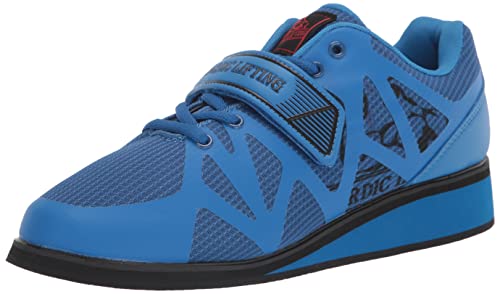
3.Nordic Lifting Megin Squat Shoes 1.4-Inch
1.4-inch heel improves posture and lifting depth while easing strain

4.adidas Powerlift 5 Weightlifting Shoes
15 mm heel lift and rubber outsole provide grip for a steady stance

5.RBEUT Squat Shoes with Non-Slip Rubber Sole
Non-slip rubber sole helps keep your feet planted during heavy lifts
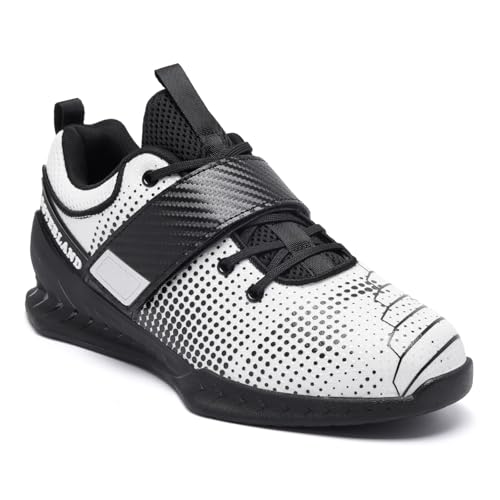
6.Osterland Weightlifting Shoes with 1.3-Inch
1.3-inch heel and raised sole help improve lifting posture and

7.ABXOX AF002 Weightlifting Shoes
1.3-inch heel aligns knees, hips and back to reduce wobble on lifts
1. CASTIRON LIFT Squat Shoes with 1.2-Inch Heel
CASTIRON LIFT squat shoes give men a raised heel and a stable base for weightlifting. Their 1.2-inch heel can support a more upright lifting posture, while the rubber outsole grips the floor during squats and other lifts.
The front and rear bump pattern adds contact with the ground, and grooves in the sole help the shoe hold its position. That combination suits powerlifting sessions where secure footing matters, as well as CrossFit workouts that include lifting.
A wide toe box gives your toes more room, and heel support helps keep the foot in place. The breathable upper uses microfiber and fabric, so air can move around the foot during gym sessions.
Two nylon hook-and-loop straps fasten the shoes and make them quick to put on or remove. Their closure also lets you adjust the fit without tying laces between sets.
The yellow pair comes in a listed size of 9.5 Wide Women/8 Men. The product title names men and women, though the provided specifications show only this size option, so check the available sizing before ordering.
These shoes focus on lifting stability rather than general-purpose cushioning. They suit men who want a raised heel, a grippy sole and a roomy toe area for squats, powerlifting or gym training.
- 1.2-inch heel supports lifting posture
- Rubber sole grips the floor during lifts
- Wide toe box gives toes extra room
- Dual straps make fastening quick and secure
- No major cons
2. M MANUEKLEAR Squat Shoes with 2cm Heel
For squats, deadlifts and power cleans, these shoes combine a reinforced chassis with a widened, raised heel to support a steady lifting stance. The heel measures 2 centimeters higher at the back than at the front, changing the angle between your calves and the ground.
That heel support and the shoe’s broad base help you feel balanced under heavy weights. The reinforced heel also helps resist deformation during lifts, while the design aims to improve contact with the ground.
A honeycomb-pattern rubber outsole provides grip for planted lifts and traction during straight-line movements. Its high-abrasion construction is intended to handle repeated training, and the honeycomb pattern also allows airflow through the sole.
Laces and a hook-and-loop strap secure the fit around your foot. Inside, thick, breathable lining wicks away sweat, giving your feet some cushioning and helping them stay drier through demanding sessions.
The upper combines TPU with Oxford cloth. Seamless TPU helps prevent moisture-related deformation, while the cloth is designed to resist tears. The shoes come in Obsidian Black, in a listed size of 11 Women/9.5 Men.
These weightlifting shoes suit men looking for heel support and grip for squat training, especially if they also do deadlifts or power cleans. Buyers should check the listed sizing carefully, since the specifications provide just one size.
- Raised 2 cm heel supports a stable lifting position
- Reinforced chassis and heel help stabilize heavy lifts
- Lace-and-strap closure gives a secure, locked-in fit
- Honeycomb outsole boosts grip during explosive movements
- No major cons
3. Nordic Lifting Megin Squat Shoes 1.4-Inch
The 1.4-inch elevated heel gives these Nordic Lifting shoes a clear purpose: helping men hold a more upright position and reach greater depth during squats. The raised heel may also reduce strain on the knees and back, according to the product description.
A stable base supports squats, deadlifts and Olympic lifts, keeping the foot grounded during barbell work. Non-slip soles add traction on gym surfaces, which helps your feet stay planted as you lift.
Reinforced collars support the ankles and help keep them aligned during heavy lifts. That support also helps limit shifting or rolling through a rep, making the shoes suited to powerlifting, strength training and CrossFit.
The design targets barbell training rather than general workouts, so it may suit lifters who want a dedicated pair for training or competition. The product says it meets international powerlifting federation requirements, though buyers should check the rules for their specific event.
Double stitching and durable materials support repeated training sessions. The blue shoes come in a full range of sizes for men and women, and this listing specifies a size 10 for women or 8.5 for men.
These shoes suit men who prioritize a raised heel, grip and ankle support for squats and other barbell lifts. Their competition-compliant design may also appeal to lifters who train for powerlifting events.
- 1.4-inch heel supports deeper squat positions
- Non-slip soles help keep feet planted
- Reinforced collars support ankle alignment
- Meets international powerlifting federation requirements
- Mainly suited to barbell-focused workouts
4. adidas Powerlift 5 Weightlifting Shoes
Men who want a stable shoe for squats and other weightlifting get a 15 mm heel lift with the Adidas Powerlift 5. That raised heel changes your foot position for lifting, while the rubber outsole grips the floor.
The textile and synthetic upper keeps the shoe light and allows airflow around the foot. It also uses materials chosen for durability, so the pair can serve for regular training sessions.
Adjustable laces and a wide hook-and-loop strap across the top let you tighten the fit. Together, they hold the foot in place during lifts, while the strap gives you a quick way to secure the upper.
The rubber outsole provides traction for planted movements such as squats. Its grip can help keep your feet steady on the lifting surface as you work through a set.
This model uses some recycled materials, a detail for buyers who want that choice in their training footwear. The listed White/Black/Crystal Sky colorway keeps the look simple, and the product title identifies the shoe as White/Black.
The listed size is 12 for men and 13 for women. That makes checking the size label important before ordering, especially for shoppers comparing men’s squat shoes. It suits men who want a raised heel, a fastening strap and a grippy outsole for weightlifting.
- 15 mm heel lift suits weightlifting positions
- Top strap and laces secure the foot
- Rubber outsole grips the floor during lifts
- Upper balances airflow, durability and lightness
- No major cons
5. RBEUT Squat Shoes with Non-Slip Rubber Sole
The gym is where these black RBEUT squat shoes fit, with a rubber non-slip sole for lifting sessions. Their title also lists powerlifting, weightlifting and CrossFit, so they suit men looking for one pair of shoes across several kinds of training.
For squats and other heavy lifts, the rubber sole is the one stated feature aimed at keeping footing secure. The listing does not provide a heel height, sole profile or details about how the shoes support a lifter’s stance, so buyers who need those specifics may want to check before choosing.
Powerlifting and weightlifting appear alongside CrossFit in the product description. That gives shoppers a broad sense of the intended use, but the listing does not explain how the shoes perform differently across these activities or identify any special construction for one type of lift.
The specifications identify the color as Black93 and the size as 9. That is useful if you want this particular color and size, but the supplied information does not show a size range or explain how to choose a fit.
The product data also gives no material details beyond the rubber sole, and it does not list closure type, cushioning or weight. Men who mainly need a non-slip rubber sole for lifting can consider it, while buyers who compare fit and shoe structure will need more information.
- Rubber non-slip sole for lifting sessions
- No major cons
6. Osterland Weightlifting Shoes with 1.3-Inch
The 1.3-inch raised heel is the defining feature of these Osterland shoes for men’s squats and other lifts. It changes the foot’s position for lifting, while the raised front and back of the sole provide a firm base for weight training.
Rubber outsoles have grooves that grip the floor, helping keep the shoes steady during squats, deadlifts and other weightlifting. Their ankle-supporting shape also helps hold the foot securely as you lift.
Double-layer nylon straps wrap over the one-piece shoe and fasten with hook-and-loop closures. This design keeps the shoes snug around the foot, and the straps make them straightforward to put on and take off between training sessions.
The uppers combine microfiber and fabric, which lets air circulate and helps sweat evaporate during workouts. That can make them more comfortable for repeated lifting sets, though the product details don’t give a shoe weight or a cushioning specification.
These shoes are listed in black and white, with a size combination of 11 Wide Women and 9.5 Men. The maker describes them for weightlifting, squats, CrossFit and deadlifts, so they suit men looking for a raised heel and grippy footing for gym training.
- 1.3-inch heel supports a raised lifting stance
- Grooved rubber outsole grips the gym floor
- Double straps secure the foot during lifts
- Breathable microfiber and fabric upper
- No major cons
7. ABXOX AF002 Weightlifting Shoes
ABXOX makes these black-and-red squat shoes for men who want a raised heel and a steady base for lifting. The 1.3-inch heel supports squat positioning, while the rigid TPU heel and honeycomb rubber sole help grip the gym floor.
That raised heel is designed to align the knees, hips and back during squats and deadlifts. The firm heel and sole also help limit foot movement during heavy lifts, giving lifters a stable platform for strength training.
Breathable fabric wicks sweat away during training, which can help keep feet drier through longer sessions. A pair of nylon straps fastens with Velcro, so you can secure the fit quickly without stopping to adjust laces between sets.
The shoes are intended for powerlifting, deadlifts, CrossFit and general strength work, so they can cover more than squat training. The specified size is 6.5 for men and 8 for women, in the US footwear size system.
As the final choice in this roundup, these shoes suit men looking for a raised heel, floor grip and a strap-secured fit for squats and other lifts. Their main appeal is the stable base; check the size carefully before buying.
- 1.3-inch heel supports squat positioning
- TPU heel and rubber sole help grip floors
- Velcro straps secure the fit quickly
- Breathable fabric wicks sweat during training
- No major cons
How to Choose the Best Squat Shoes for Men
Choosing squat shoes is about matching heel height, fit, grip, and support to your lifting style, not simply buying a stiff shoe. Your ankle mobility, usual exercises, foot shape, budget, and training surface all affect the right choice.
| If You Need | Look For | Expect |
|---|---|---|
| Deeper squat position | Raised, firm heel | Less ankle bend needed |
| Stable heavy lifts | Rigid heel, flat base | Less comfort for walking |
| Room for wider feet | Wide toe box, sizing options | Fewer style choices |
| Secure fit | Laces plus straps | More time adjusting |
| Grip on gym floors | Rubber tread, textured sole | Tread wears with use |
| Mixed training sessions | Lower heel, flexible upper | Less squat-specific support |
Heel Height
Heel height changes how your body sits during a squat, because a raised heel helps your knees move forward while your torso stays more upright. This often suits lifters with limited ankle mobility or a deep, upright squat style.
Many lifting shoes have heels around 15 to 35 millimeters, roughly 0.6 to 1.4 inches. A lower lift feels closer to a flat shoe, while a taller heel gives more ankle support at the bottom position.
Your squat stance and mobility should guide the choice, not the largest number on a product listing. If you already squat comfortably with your heels down, a modest lift may feel more natural than a high heel.
Try the heel height with your usual stance and a light squat before loading heavily. A heel that feels helpful during warm-ups but tips you forward or changes your balance under load is probably not the right height.
Heel And Sole Stability
A squat shoe should feel firm underfoot, because a soft or compressible sole can shift as weight moves during a lift. Look for a broad, flat contact area and a heel that does not visibly compress under body weight.
Rigid materials, such as dense plastic or TPU, help limit movement through the heel. A firm base gives you a steadier platform for driving upward, especially during heavy squats and Olympic lifts.
A raised heel and a flat sole are not contradictory: the sole can be elevated at the back yet remain stable across its base. Look for a clear, solid connection from heel to forefoot rather than a cushioned running-shoe shape.
If you also deadlift in the same shoes, consider how the raised heel changes your starting position. Some lifters prefer a separate flat shoe for deadlifts, since a lower sole keeps them closer to the floor.
Fit And Sizing
A secure fit keeps your foot from sliding inside the shoe, which helps you maintain pressure through the floor during a squat. Your heel should stay seated, while toes should have room to spread without being squeezed.
Use the seller’s size chart and compare it with your foot length and width, since men’s and women’s size labels can differ. A listed size alone does not tell you whether the shoe runs narrow or wide.
Try shoes with the socks you normally lift in, and stand in your usual stance before deciding. Your toes should not press against the front, while the shoe should feel snug around the midfoot.
Foot shape also matters: a wider toe box suits feet that spread under load, while a narrow fit may feel more locked in for slimmer feet. If you are between sizes, read the return terms before ordering.
Grip And Sole Pattern
Rubber outsoles help hold position on common gym flooring, because slipping can disrupt your stance during a loaded rep. Look for a tread pattern across the forefoot and heel, not just a smooth patch beneath the arch.
Grooves, raised blocks, or honeycomb patterns are different ways to add traction; the exact design matters less than secure contact on your training surface. A tread that works on rubber gym flooring may feel different on wood or polished concrete.
Keep the outsole clean and dry, since dust, moisture, and chalk buildup can reduce grip. If you train in a shared gym, a sole with visible tread is a practical choice for varied floor conditions.
Closure And Foot Hold
Laces let you adjust tension across the foot, while hook-and-loop straps add a quick way to secure the midfoot. A combined closure gives more adjustment options, though it takes longer to put on than a single strap.
Look for closures that hold the foot without pinching the top of your foot or restricting circulation. During a squat, your heel should remain in place and your foot should not slide forward inside the shoe.
Two straps can spread pressure across a wider area, which may suit lifters who want a close fit. A single strap is simpler to adjust, but may offer less control over fit across different foot shapes.
Ankle And Upper Support
A firm heel cup and supportive upper help keep your foot centered as you brace and move through a lift. Reinforced collars can add structure around the ankle, but they should not rub or block comfortable knee movement.
Microfiber, synthetic, and textile uppers vary in flexibility and breathability, so consider how warm your feet get during training. A breathable lining helps manage sweat, while a stiffer upper may feel more secure during heavy sets.
Look for stitching and panels that appear firmly joined, especially around high-stress areas near the straps and sole. A one-piece upper may reduce seams, but construction alone does not prove how long a shoe will last.
Training Use
Choose shoes for the lifts you do most, because squat-focused footwear does not suit every exercise equally. A raised heel often helps squats and Olympic lifts, while flat-soled shoes are commonly preferred for deadlifts.
For mixed sessions with running, jumping, or circuits, a rigid lifting shoe may feel cumbersome and limit natural foot movement. If CrossFit-style training is frequent, consider whether you will change shoes between lifting and conditioning.
Check whether the shoe’s intended use and any competition rules match your plans. A competition-focused lifter should verify current federation requirements directly, since approved footwear rules can vary by organization and event.
Breathability And Comfort
A snug shoe still needs to feel comfortable through a full session, because pressure points become distracting between sets. Breathable fabric and sweat-wicking lining can help manage heat, especially during longer workouts or warm gym sessions.
Lifting shoes are usually firmer and less flexible than everyday trainers, so do not expect them to feel like walking shoes. Wear them for warm-ups and short practice sessions before relying on them for a full workout.
If you have sensitive skin or high arches, pay attention to rubbing at the collar, pressure from the closure, and support under the arch. Comfort should remain consistent when you brace and spread your toes.
Price
Lower-priced shoes may cover basic needs such as a raised heel, rubber grip, and adjustable closure, but sizing choices and construction details may be limited. Compare the actual fit and sole design rather than relying on price alone.
A higher price is worth considering when it brings a better fit range, sturdier construction, or materials suited to frequent heavy training. It is less useful if the heel height or shape does not suit your squat.
For occasional lifting, a straightforward shoe that fits securely may be enough. Lifters training several times a week should weigh durability and comfort against the cost of replacing a poorly fitting pair.
Durability And Care
Repeated heavy lifting puts pressure on the heel, sole, straps, and stitching, so these areas deserve attention before buying. A rigid heel and securely attached outsole are useful signs, but product descriptions cannot guarantee lifespan.
After training, let shoes dry fully before storing them, since trapped sweat can affect materials and create odor. Wipe the outsole clean when dust or chalk builds up, because debris can reduce traction.
Returns And Warranty
Sizing can be difficult to judge online, so review the return window, exchange process, and whether worn shoes qualify for return. This is especially useful when the listed size mixes men’s and women’s labels.
Read the warranty terms for coverage of sole separation, stitching, or closure failure, and note any time limits. A clear policy adds recourse if a manufacturing fault appears, but it does not replace choosing the right fit.
Frequently Asked Questions
Do these squat shoes need batteries or a power source?
No. All seven are non-powered shoes, so you can wear them without batteries or charging.
How do heel height and outsole affect lifting?
The reviewed shoes have raised heels, ranging from adidas Powerlift 5’s 15 mm heel lift to the CASTIRON LIFT’s 1.2-inch heel. Grippy or non-slip rubber outsoles, featured on several models, help keep your feet planted.
What materials are these squat shoes made from?
The product details highlight rubber outsoles on the adidas Powerlift 5 and RBEUT, but don’t specify materials for every shoe. Check each product listing for full upper and construction details.
What comes in the box?
The provided product details don’t specify included accessories or packaging contents. Check the listing to confirm whether anything beyond the shoes is included.
Should I choose the CASTIRON LIFT or the Nordic Lifting Megin?
Choose the CASTIRON LIFT if you want its 1.2-inch heel and grippy outsole; the Nordic Lifting Megin has a 1.4-inch heel intended to improve posture and lifting depth. Consider which heel height best suits your lifting stance.
Which shoes can help keep my feet steady during heavy lifts?
The RBEUT’s non-slip rubber sole is specifically described as helping keep feet planted during heavy lifts. The CASTIRON LIFT and adidas Powerlift 5 also feature grippy outsoles for a steady stance.
How should I choose shoes for squats and other weightlifting?
Compare heel height and outsole grip with the stance and movement you want to support. The M MANUEKLEAR has a reinforced heel and 2cm sole height difference, while the ABXOX AF002 has a 1.3-inch heel designed to help align the knees, hips, and back.
So, What Should You Buy?
For most lifters, the adidas Powerlift 5 is the balanced pick, pairing a 15 mm heel lift with a grippy rubber outsole for a steady stance. If you’re on a budget, consider the M MANUEKLEAR, whose reinforced heel and 2cm sole height difference support stability.
For more heel lift, choose the CASTIRON LIFT or Nordic Lifting Megin; the Osterland and ABXOX offer 1.3-inch heels, while the RBEUT prioritizes a non-slip sole. Pick the model that fits your lifting needs and step into your next squat with confidence.


