

7 Best Stability Running Shoes Overpronation Women That Support Every Step
Stable running shoes can make daily miles feel more supported, from easy jogs to errands on foot. Without them, overpronation may leave your stride feeling less steady or your feet tired; ordinary neutral running shoes offer cushioning but often lack added guidance.
For a steadier feel, stability running shoes use supportive designs that help guide your foot as it rolls inward. Their structured midsoles can add control without taking away the cushioning you need for comfortable runs and everyday walks.
Many pairs cushion each step to soften impact, while secure uppers help keep your feet in place. Durable outsoles provide grip on common routes, and breathable materials help your feet stay comfortable through longer sessions.
Support, cushioning, fit, and weight vary by model, so your running habits and preferred feel matter. Compare the best stability running shoes overpronation women below to find a pair that suits your miles.
7 Best Stability Running Shoes Overpronation Women Reviews
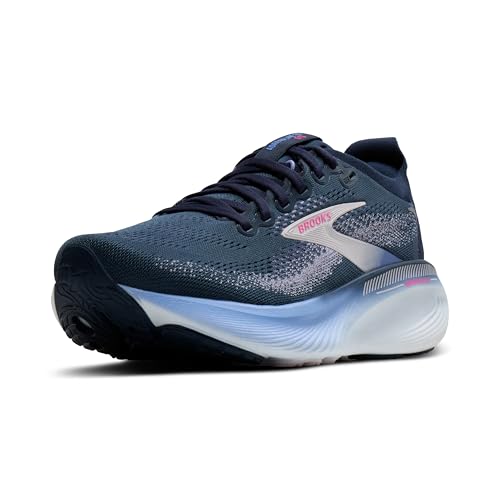
1.Brooks Adrenaline GTS 25 Running Shoe
GuideRails support natural motion and keep excess movement in check

2.Saucony Guide 18 Stability Running Shoe
TPU guidance frame helps correct mild overpronation while you run

3.Brooks Glycerin GTS 23 Running Shoe
GuideRails stabilize your foot and help align your knee while you run

4.Brooks Ariel GTS 26 Supportive Running Shoe
GuideRails guide excess movement, align your stride, and ease knee

5.ALTRA Experience Form Road Running Shoe
GuideRail gently guides natural foot placement for overpronators as

6.OrthoComfoot Orthopedic Running Sneakers
Premium arch support and deep heel cup help ease pain and foot fatigue

7.New Balance Fresh Foam X 860v15 Running Shoe
Stability Plane supports a stable stride without compromising plush
1. Brooks Adrenaline GTS 25 Running Shoe
Brooks Adrenaline GTS 25 supports women who run or walk with overpronation. Its GuideRails system helps keep excess movement in check while allowing the body to follow its natural motion, making support the main draw for steady training and everyday walks.
Nitrogen-infused DNA LOFT v3 cushioning adds a soft, lightweight feel underfoot. That cushioning is designed to stay comfortable over repeated miles, so runners and walkers can use the shoes for longer outings as well as shorter daily routes.
The engineered mesh upper lets air circulate, while its structure and flexibility accommodate natural movement. A flat-knit collar adds a secure fit around the ankle, helping the shoe feel held in place during activity without relying on rigid materials.
The midsole and outsole work together to encourage smooth transitions from one step to the next. That combination aims to keep each stride comfortable and supported, which matters for women who want stability without losing a natural walking or running motion.
This model is also a certified PDAC A5500 Diabetic shoe and has earned the APMA Seal of Acceptance. It comes in Spellbound/Blazing Bell/Pink, in size 8.5 Medium, and weighs about 1.4 pounds.
The Adrenaline GTS 25 suits women seeking a supportive running and walking shoe with cushioning for regular miles. Its focus on guidance, a secure breathable fit and smooth step transitions makes it a fitting option for overpronators who value support during daily activity.
- GuideRails help control excess movement
- Soft nitrogen-infused cushioning for long miles
- Breathable mesh upper supports natural movement
- APMA Seal and diabetic shoe certification
- No major cons
2. Saucony Guide 18 Stability Running Shoe
For women whose feet roll inward mildly while running, the Saucony Guide 18 offers stability support with cushioning for training and everyday wear. Its TPU guidance frame helps guide the foot, making this shoe worth considering for runners who want support without giving up a cushioned ride.
PWRRUN foam cushions each step and provides energy return, according to the product details. That balance can suit regular runs, workouts and long days on your feet, while the stability system supports both neutral runners and those who need guidance for mild overpronation.
The engineered mesh upper lets air circulate around the foot, and its adaptive fit holds the foot securely. That combination matters over repeated strides, whether you run on roads or tracks or wear the shoes for daily walks.
A rubber outsole supplies grip on roads, tracks and gym floors, while its durable construction suits regular training and walking. The shoe weighs about 1.9 pounds, a detail to consider if you compare the pair’s weight with other running shoes.
This version comes in White/Ice Melt and a women’s size 10 with a medium width. It suits women who want a stability shoe for mild overpronation, with cushioning and traction for running, workouts and everyday walking.
- TPU guidance frame supports mild overpronation
- PWRRUN foam adds cushioning and energy return
- Mesh upper provides ventilation and a secure fit
- Rubber outsole grips roads, tracks and gym floors
- Support targets mild rather than severe overpronation
3. Brooks Glycerin GTS 23 Running Shoe
The 8mm offset shapes a smooth heel-to-toe transition in the Brooks Glycerin GTS 23, while its high-stack midsole adds cushioning underfoot. This women’s shoe is designed for runners who overpronate or want extra guidance on daily and longer runs.
GuideRails technology helps control excess foot motion and supports knee alignment. It provides mild-to-moderate guidance, while allowing your stride to move naturally when you don’t need extra support.
Nitrogen-infused DNA TUNED foam uses different cushioning zones, with more plushness in the forefoot. That can soften landings and add responsiveness at toe-off across daily training, recovery runs and longer distances.
The triple jacquard warp-knit upper combines breathability with a structured fit. It wraps the foot while leaving room for natural movement, making the shoe suited to regular running as well as recovery days.
This White/Harbor Mist/Metallic shoe comes in size 8 Medium and weighs about 2.2 pounds. It is a certified PDAC A5500 diabetic shoe and has the APMA Seal of Acceptance, which may matter to buyers seeking those credentials.
Women looking for cushioned stability and guidance for overpronation may find this model worth considering. Its 8mm offset, GuideRails support and plush forefoot cushioning make it especially suited to daily runs, long miles and recovery sessions.
- GuideRails support helps control excess motion
- Zoned nitrogen foam softens forefoot landings
- 8mm offset supports smooth heel-to-toe transitions
- Breathable knit upper allows natural foot movement
- Certified diabetic shoe with APMA acceptance
- No major cons
4. Brooks Ariel GTS 26 Supportive Running Shoe
Runners and walkers who overpronate get structured guidance and cushioning from the Brooks Ariel GTS 26. GuideRails technology helps guide excess foot movement to keep a stride aligned, making this stability shoe a choice for people who want added support on daily runs or long walks.
Its nitrogen-infused DNA LOFT v3 midsole cushions each step and adapts to the wearer’s stride. The cushioning pairs resilience with support, so the shoe can serve for everyday miles as well as extended time on your feet.
The streamlined upper has a roomy toe box and a secure fit around the foot. It accommodates different foot shapes and orthotics, which can help people who need room for inserts without giving up a held-in feel.
An integrated heel pull tab makes it easier to put the shoe on, including when you wear orthotics. Underfoot, the RoadTack rubber outsole provides grip on pavement and walking paths.
The Oyster Mushroom/Alloy/Pink version comes in a 9.5 Wide size and weighs about 1.5 pounds. It is a certified PDAC A5500 Diabetic shoe and carries the APMA Seal of Acceptance; those credentials may matter to buyers seeking footwear with recognized foot-health certifications.
This shoe suits women who want strong motion guidance, cushioned support and a wide fit for running or walking. Its structured feel and orthotic-friendly space also make it worth considering for all-day wear.
- GuideRails help guide excess foot movement
- DNA LOFT v3 cushions and adapts to stride
- Roomy toe box fits orthotics and varied feet
- Heel pull tab makes entry easier with orthotics
- Certified diabetic shoe with APMA Seal
- No major cons
5. ALTRA Experience Form Road Running Shoe
The road is where the ALTRA Experience Form fits, with GuideRail technology designed to gently guide natural foot placement for women who overpronate. It offers support when needed without making that guidance the focus of every step.
Compression-molded EVA foam forms the midsole and combines low weight with a responsive feel. That cushioning can help keep the shoe feeling light underfoot during road runs, while supporting an efficient stride.
A rocker-shaped sole is designed to encourage forward motion and an efficient toe-off. It aims to help each step move smoothly into the next while still allowing your natural stride.
Together, the GuideRail support and rocker shape make this shoe worth considering for runners seeking stability without a heavy emphasis on controlling every foot movement. The listed teal color and women’s size 8.5 identify this version.
At about 0.9 pounds, it keeps the listed weight under a pound. This road shoe suits women who overpronate and want gentle guidance, responsive foam and a forward-rolling feel in their running shoe.
- GuideRail gently supports natural foot placement
- Responsive EVA foam keeps the midsole lightweight
- Rocker shape encourages an efficient toe-off
- No major cons
6. OrthoComfoot Orthopedic Running Sneakers
Arch support is the first thing to consider for women who need stability on runs, and these OrthoComfoot sneakers pair it with a deep heel cup. Their cushioned orthotic insole supports walking, running and long periods of standing.
The insole is designed to help with foot fatigue and discomfort linked to plantar fasciitis, flat feet and heel pain. That supportive setup may also suit people with sensitive feet or diabetes.
A flexible outsole allows natural foot movement, while the engineered mesh upper lets air circulate during walks or workouts. The lightweight build weighs about 0.6 pounds, which can help keep each step from feeling weighed down.
An elastic MD midsole absorbs shock to reduce impact on knees and joints during exercise. The rubber outsole adds traction on varied surfaces for running, tennis, commuting and everyday walks.
Adjustable laces help you set the fit, and a padded ankle collar with soft lining aims to limit rubbing. The title lists this pair in purple and size 8.5; its design also suits casual wear and active outings.
These shoes may suit women seeking arch support and cushioning for walking, standing or running. The listing does not give a stability rating or specific overpronation correction details, so buyers who need a defined level of motion control should check whether the support matches their needs.
- Orthopedic arch support and heel cup ease foot strain
- Cushioned insole supports all-day standing and walking
- Shock-absorbing midsole softens impact on knees and joints
- Lightweight mesh upper helps keep feet cool and dry
- No major cons
7. New Balance Fresh Foam X 860v15 Running Shoe
New Balance builds the Women’s Fresh Foam X 860v15 for runners who want cushioning and stability on their training runs. Its Fresh Foam X cushioning gives the shoe a plush feel underfoot, with comfort suited to distances from short outings to long runs.
Stability Plane technology adds support for runners who overpronate, while keeping the cushioned feel of Fresh Foam X. That combination makes it a stability shoe to consider for regular training across different distances.
The lightweight synthetic upper supports the foot and lets air circulate, which can help feet feel cooler on long runs. Its supportive fit also suits runners who want more structure from the upper as they train.
New Balance says its Sports Research lab validated the shoe for cushioning, stability and comfort. That assessment gives buyers another point of reference, though it does not provide specific test results or performance figures.
At about 0.7 pounds, the shoe is light enough to take along for training. It comes in Angora/Fennel Seed and the listed size is 11.5; check the available sizing options to find the right fit.
This Fresh Foam X 860v15 suits women looking for a cushioned stability shoe for overpronation and long-distance training. It is especially worth considering if you want underfoot cushioning alongside support, rather than a neutral running shoe.
- Plush Fresh Foam X cushioning for long runs
- Stability Plane supports overpronation while cushioning
- Lightweight upper helps feet stay cool on runs
- No major cons
How to Choose the Best Stability Running Shoes Overpronation Women
Choosing stability shoes involves balancing support, comfort, fit, and price, since overpronation, running distance, foot shape, and preferred cushioning differ. The right choice should feel secure without forcing your stride or causing pressure during everyday runs.
| If You Need | Look For | Expect |
|---|---|---|
| Mild guidance | Subtle support structure | More natural movement |
| Stronger stability | Broad guidance system | Firmer, more structured feel |
| Room for wide feet | Wide widths, roomy toe box | Less pressure, sometimes bulkier fit |
| Long, easy runs | Plush cushioning, secure fit | More cushioning, often added weight |
| Faster road runs | Responsive foam, rocker sole | Quicker transitions, less plushness |
| Custom orthotics | Removable insole, usable volume | Fit may feel tighter |
| Walking and standing | Cushioned heel, stable base | More weight than light trainers |
Support Level
Overpronation means your foot rolls inward as it lands, but the amount varies. A stability shoe guides movement; it should not force your foot into a rigid position or create pressure along the arch.
For mild overpronation, look for a supportive base and gentle guidance that still lets your foot move naturally. Runners with more noticeable inward roll often prefer broader, firmer support that keeps the shoe feeling steady through each step.
Support features work differently across shoe designs, so labels alone do not tell you how a pair will feel. If possible, try shoes while jogging, and pay attention to comfort rather than seeking the strongest correction.
Fit and Width
A secure fit starts with enough length and a snug heel. Leave roughly a thumb’s width ahead of your longest toe, since feet often swell during longer runs and downhill sections push toes forward.
The forefoot should let your toes spread without rubbing the sides. If you often feel pressure at the little toe or across the ball of your foot, look for a wide option or a roomier toe box.
Width availability differs between models, and a wide size is not always available in every length. Try shoes late in the day with your usual running socks, when your feet are closer to their largest.
Cushioning and Feel
Cushioning affects comfort, impact feel, and how connected you feel to the ground. Plush foam suits runners who want a softer landing, while firmer foam tends to feel more direct and stable underfoot.
A high stack means more foam between your foot and the ground, which can soften repeated pavement impact but feel less nimble. Lower, lighter designs often feel quicker, though they may offer less softness over long distances.
Foam names do not guarantee a particular feel, so consider your pace, body comfort, and typical route. If you run slowly or spend long sessions on pavement, prioritize a cushion level that remains comfortable late in the run.
Heel-To-Toe Drop
Heel-to-toe drop is the height difference between the heel and forefoot. A higher drop often feels familiar to runners who land heel-first, while a lower drop can encourage a more level foot position.
A change in drop alters how your calves, ankles, and knees handle each step, so avoid switching abruptly before a demanding run. If your current shoes feel comfortable, a similar drop is a sensible starting point.
Runners who want to change drops should use the new pair for short, easy sessions first. Gradual adjustment gives your body time to adapt and makes discomfort easier to spot before it becomes a bigger issue.
Upper and Hold
The upper is the material around the foot, and its fit affects comfort, airflow, and security. Breathable mesh helps reduce heat on warm runs, while a snug heel and midfoot limit sliding.
A soft collar and flexible upper can feel comfortable over longer wear, but excessive looseness may let your foot shift. Look for laces that hold the midfoot without needing to tighten them enough to cause pressure or numbness.
For sensitive skin or swelling, seams and overlays deserve attention because they can rub during repeated steps. Try the shoes with your running socks and move your foot through a few strides before deciding.
Weight and Ride
Lighter shoes often feel easier to turn over during faster running, while heavier pairs can include more cushioning or structure. Weight matters most if you run long distances, race, or notice fatigue from bulky shoes.
A rocker sole curves upward to help the foot roll forward through a step. It may suit runners who like smooth transitions, but it can feel unfamiliar if you prefer a flatter, more flexible ride.
Do not choose by listed weight alone, since sizing and measurement methods vary. Think about whether you value an easy, quick feel or a more substantial shoe for daily miles and walking.
Outsole and Routes
The outsole is the bottom layer that contacts the ground, and its rubber pattern affects grip and wear. Road-focused shoes suit pavement and packed paths, while deeper lugs are more useful on loose or muddy trails.
For regular pavement running, look for durable rubber in high-wear areas and a tread that feels secure on wet sidewalks. A flexible sole can make walking feel natural, while a stiffer base may feel steadier for some runners.
No road shoe handles every surface equally well, so match the tread to your usual routes. If your runs include trails, slick paths, or uneven ground, consider whether you need more grip than a road outsole provides.
Orthotics and Foot Needs
If you use custom orthotics, check whether the insole comes out and whether the shoe has enough interior space. A removable insole helps, but a thick insert can still make the fit too tight.
Arch support built into a shoe is not a substitute for prescribed treatment. People with foot pain, diabetes, or recurring injuries should seek guidance from a qualified clinician about suitable footwear and any needed accommodations.
Roomy toe space and a deep heel cup can help some sensitive feet feel more secure, but comfort is personal. Try the shoe with your actual insert and check for pressure, heel lift, or rubbing.
Price and Value
Lower-priced shoes may cover basic cushioning and support, while higher prices often reflect newer foam, added construction features, or specialized fit options. A higher price does not guarantee better comfort or a better match for your stride.
Paying more is worthwhile when a shoe solves a clear need, such as a width that fits or cushioning you prefer on long runs. Compare fit, support, and expected use before paying extra for features you may not notice.
Consider how often you run and whether you need one pair for both running and walking. A comfortable daily shoe that suits your routes may offer better value than a cheaper pair that causes rubbing or feels wrong.
Durability and Replacement
Outsole wear, compressed cushioning, and a loose upper can reduce comfort and support over time. Many running shoes last roughly 300 to 500 miles, but body weight, gait, surfaces, and care change that range.
Look for rubber in high-contact areas and sturdy upper construction if you run frequently. Track mileage and watch for uneven wear or new aches, since visible damage is not the only sign a shoe has lost its useful feel.
Return Policy
A flexible return policy gives you time to assess fit indoors and follow any trial rules. Confirm the allowed return period, condition requirements, and whether return shipping costs fall to you.
Try new shoes at home first, then use a short easy run if the seller permits outdoor returns. Keep packaging until the fit feels reliable, since some retailers refuse worn footwear.
Frequently Asked Questions
Do these stability running shoes need batteries or charging?
No. All seven are conventional running shoes powered by your movement; none requires a battery or charging.
What support features help with overpronation?
The Brooks Adrenaline GTS 25, Glycerin GTS 23, Ariel GTS 26, and ALTRA Experience Form use GuideRails, while the Saucony Guide 18 has a TPU guidance frame. The New Balance Fresh Foam X 860v15 uses a Stability Plane, and the OrthoComfoot emphasizes arch support and a deep heel cup.
What materials are these shoes made from?
Materials can vary by model and version, so check each product listing for its specific upper, midsole, and outsole materials. The features listed here describe support systems, not a complete materials breakdown.
What comes in the box?
These are shoes, so expect the selected pair rather than running accessories; exact packaging and any included extras can vary by seller. Check the listing before ordering if you need to confirm what is included.
Should I choose the Brooks Adrenaline GTS 25 or the Saucony Guide 18?
Choose based on the support design you prefer: the Adrenaline GTS 25 uses GuideRails to help control excess movement, while the Guide 18 uses a TPU frame to help correct mild overpronation. Fit and comfort are personal, so compare sizing and return options too.
Which shoe is a good choice if I want extra cushioning with stability?
The Brooks Glycerin GTS 23 combines GuideRails support with a plush feel, while the New Balance Fresh Foam X 860v15 pairs plush cushioning with its Stability Plane. Compare their fit and feel to decide which suits you.
Can I use these shoes for everyday walking as well as running?
They are designed as running shoes, but may also suit everyday walking if their fit and support feel comfortable. For persistent foot pain or fatigue, consult a qualified health professional about the right footwear.
So, What Should You Buy?
For most runners, the Brooks Adrenaline GTS 25 is the balanced pick: its GuideRails keep excess movement in check while supporting natural motion. Choose the Saucony Guide 18 for guidance aimed at mild overpronation, or the Brooks Glycerin GTS 23 if you want foot and knee alignment support.
For added arch support and a deep heel cup, consider the OrthoComfoot; for a stable stride with plush cushioning, the New Balance Fresh Foam X 860v15 is another option. Pick the model that best matches your support needs and stride.


