

7 Best Stability Nike Running Shoes for Steady Support on Every Run
Supportive running shoes can make daily miles feel steadier and more comfortable, whether you’re heading out for an easy jog or a longer run. Regular neutral shoes may feel less supportive if your stride rolls inward, while worn-out footwear can lose cushioning and grip.
For extra guidance underfoot, stability Nike running shoes use supportive designs to help control excess inward rolling without making every stride feel rigid. Their cushioning softens impact, while a secure fit helps your foot feel held in place through steady training.
Many models pair breathable uppers with durable outsoles, so your feet stay more comfortable and you can keep moving over varied routes. Responsive cushioning can also make everyday runs feel smoother, while supportive geometry adds confidence when fatigue sets in.
Models differ in cushioning, support level, fit, and weight, so your running style and preferred feel matter. Explore the best stability nike running shoes below to find a pair suited to your everyday miles.
7 Best Stability Nike Running Shoes Reviews
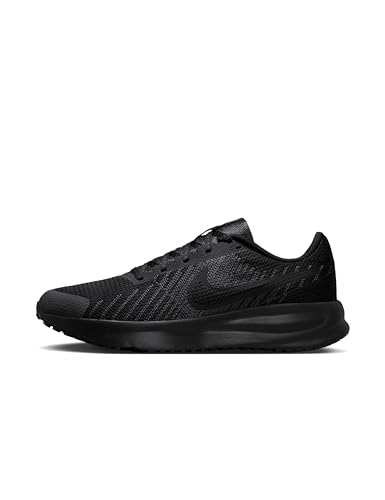
1.Nike Run Defy Road Running Shoes with Foam
Foam midsole delivers a soft ride, while flex grooves cushion each run

2.Nike Revolution 8 Road Running Shoes
Foam midsole and rocker geometry cushion each step for a comfy run

3.Nike Journey Run Road Running Shoes
Extra heel cushioning adds comfort to every step throughout your miles

4.Nike Run Swift 3 Road Running Shoes
Flywire cables support your feet when you tighten the laces for fit

5.Nike Revolution 8 Road Running Shoes
Breathable mesh upper helps keep you cooler than the Revolution 7

6.Nike Structure Plus Sneakers with Removable
Cushioned tongue and collar add comfort, and the insole can be removed

7.Nike Run Swift 3 Road Running Shoes
Flywire cables secure your feet and support you as you tighten the
1. Nike Run Defy Road Running Shoes with Foam
The Nike Run Defy Road helps keep everyday runs cushioned and flexible. Its foam midsole softens each step, while grooves in the sole add a cushioned feel as your foot moves through a stride.
The mesh upper lets air pass through, which can help your feet feel less enclosed on runs. It also keeps the shoe’s upper focused on breathability rather than adding extra features.
Underfoot, the waffle outsole uses flexible, durable material to support movement on the road. Together with the foam midsole and flex grooves, it gives runners cushioning through each step.
The Black/Anthracite colorway comes in size 9 and weighs about 0.6 pounds. This shoe suits runners looking for a cushioned road option with a flexible sole, though the product details do not specify stability features.
- Foam midsole cushions each step on runs
- Flex grooves add cushioning as your foot moves
- Breathable mesh upper lets air pass through
- Flexible waffle outsole supports road movement
- Product details do not list stability features
2. Nike Revolution 8 Road Running Shoes
For road runs that call for a cushioned feel, the Nike Revolution 8 uses a foam midsole and a rocker shape to support a comfortable stride. The flex grooves in the forefoot let the outsole bend as your foot moves through each step.
Its mesh upper allows airflow, which helps your feet feel less enclosed during a run. The shoe’s cushioning-focused design also suits everyday walks and other casual wear, so it can serve beyond training sessions.
Touch points at the heel and tongue make the shoes easier to pull on and off. The title lists a men’s size 11, and the black and white color scheme keeps the look simple for running or daily use.
The listed weight is about 0.6 pounds, though the data does not say whether that figure applies to one shoe or the pair. Nike identifies the outsole as its own design, with forefoot grooves intended to add flexibility and cushioning while running.
The product details describe cushioning and flexibility, but they do not identify a stability-support system or specify how much support the shoe provides. That makes it harder to judge as a stability-focused option from the listing alone.
This pair may suit runners who want a breathable road shoe with a cushioned, flexible feel, especially if they value easy on-and-off access. Buyers seeking defined stability support should check the shoe’s fit and support needs before choosing it.
- Mesh upper allows airflow during runs
- Foam midsole cushions each step
- Forefoot grooves add flexibility while running
- Heel and tongue touch points aid on and off
- No major cons
3. Nike Journey Run Road Running Shoes
11-ounce Nike Journey Run shoes add cushioning for everyday road miles. Their rubber outsole grips the ground, while the cushioned heel softens each landing. The product data does not describe a dedicated stability system, so runners seeking specific stability features should check whether the listed support suits them.
An engineered mesh upper helps hold the foot securely during a run. It also provides a breathable material around the foot, while the black, Smoke Grey and Medium Ash colorway keeps the look subdued.
Extra cushioning in the heel adds comfort where the foot meets the ground. Soft touch points in the tongue and collar add padding around the top of the foot and ankle, which may help on regular training runs.
The rubber outsole provides traction for road miles. Its grip supports a steady step across everyday routes, though the listing does not give details about the tread pattern or any special stability technology.
At about 0.7 pounds per shoe, this size 11 pair is light enough to wear for regular road running. The product details do not state a midsole type, heel-to-toe drop or stability mechanism, so runners comparing those features will need more information.
These shoes suit runners who want a cushioned Nike road shoe with a secure mesh upper and rubber traction. They may also appeal to buyers who value padded heel and collar contact, but they are not the clearest choice for shoppers prioritizing a named stability system.
- Cushioned heel softens landings on road runs
- Mesh upper helps hold the foot securely
- Soft tongue and collar add contact padding
- Rubber outsole provides traction for road miles
- No major cons
4. Nike Run Swift 3 Road Running Shoes
Runners who want a supportive feel from Nike shoes get Flywire cables that tighten with the laces on the Run Swift 3. This road-running shoe pairs that lace support with cushioning and a flexible outsole for everyday runs.
The plush foam midsole cushions each step, giving your feet a softer landing on the road. Grooves in the rubber outsole let your foot bend more naturally as you move through each stride.
Breathable mesh covers the upper, allowing air to pass around your feet during a run. The black and Dark Smoke Grey colorway keeps the look understated, while the size 10 option suits buyers looking for that fit.
For runners comparing stability-focused Nike shoes, the Flywire cables offer a supportive feel when you pull the laces snug. The shoe’s flexible outsole and cushioned midsole add comfort-focused features, though the product details do not specify a stability category or pronation support.
The listed weight is about 0.7 pounds. That figure gives buyers a useful reference when comparing footwear, while the mesh upper, foam cushioning and grooved rubber outsole address breathability, impact comfort and foot movement.
This pair suits runners who want lace-adjustable support, step cushioning and a flexible feel in a road shoe. It may also appeal to buyers who prefer a black running shoe with breathable mesh rather than a more structured upper.
- Flywire cables add support as laces tighten
- Plush foam midsole cushions each step
- Outsole grooves help feet move naturally
- Breathable mesh lets air pass through
- No major cons
5. Nike Revolution 8 Road Running Shoes
On road runs, the Nike Women’s Revolution 8 offers cushioning and a breathable mesh upper in a black, white and Iron Grey colorway. The foam midsole uses rocker geometry, giving each step a cushioned feel as you move through your stride.
The forefoot outsole has flex grooves that bend with your foot as you run. Nike’s outsole design and the foam midsole work together to cushion your steps on the road.
Mesh across the upper allows airflow, which can help keep feet cooler on a run. Nike says this version breathes better than the Revolution 7, a useful point for runners who want more ventilation in their shoes.
Touch points at the heel and tongue give your hands a natural place to hold when you put the shoes on or take them off. That detail helps make daily changes into and out of running shoes straightforward.
The listed pair is size 9 and weighs about half a pound. Its black, white and Iron Grey colors keep the look simple for road running, and the mesh upper and foam midsole focus on airflow and cushioning rather than listed stability-support features.
For shoppers seeking a stability shoe, the product details do not describe added stability support, so buyers should weigh that against their needs. It may suit runners who want a cushioned road shoe with breathable mesh and an easy-to-handle heel and tongue.
- Breathable mesh helps keep feet cooler
- Foam midsole cushions steps with rocker geometry
- Forefoot flex grooves support comfortable movement
- Heel and tongue touch points ease shoe changes
- No major cons
6. Nike Structure Plus Sneakers with Removable
Rubber soles give the Nike Structure Plus sneakers their main stability-related feature. The product details don’t explain how the sole affects support or running, so buyers should treat it as a basic construction detail rather than a specific stability claim.
The sneakers have a round toe and a cushioned tongue and collar. Those padded areas add cushioning around the top of the foot and ankle, while the round toe provides a familiar shape.
Contrast trim adds visual detail to the white, black, Pure Platinum and Volt colorway. The removable insole can be taken out, which may help buyers who prefer to use a different insole.
This size 7.5 Medium pair weighs about 1.9 pounds. Nike lists no cushioning technology, stability system or other running-specific feature in the provided details, so shoppers comparing stability shoes will need more information before deciding if it suits their needs.
The listed details cover basic fit and construction, but not how the shoe supports a runner’s stride. It may suit someone seeking Nike running shoes with a removable insole and padded collar, provided they can confirm the stability features they want.
- Cushioned tongue and collar add comfort
- Removable insole lets you customize the fit
- Rubber sole provides durable everyday traction
- No major cons
7. Nike Run Swift 3 Road Running Shoes
Nike makes the Run Swift 3 for road running, with cushioning and lace support that suit runners looking for a steadier feel. The shoe uses foam cushioning underfoot, and its higher foam height gives each step a plush feel during everyday runs.
Flywire cables help hold the foot in place as you tighten the laces. That support can help keep the fit secure while you run, making this shoe relevant to shoppers comparing stability-focused Nike options.
The cushioning and cable support address two different parts of the fit: foam softens the feel underfoot, while the cables respond to lace tension around the foot. Together, they offer a simple setup for road runs without relying on extra features not listed here.
The Summit White/Pink Glow colorway gives the shoe a light look with pink accents. It comes in size 9.5 and weighs about 0.6 pounds, a useful figure to consider if you compare shoe weight before buying.
No other running technologies or performance figures appear in the supplied details, so shoppers should focus on the listed cushioning and Flywire support when deciding. As our final pick, it suits runners who want a cushioned Nike road shoe with lace-adjustable foot support.
- Higher foam cushioning softens each step
- Flywire cables help secure the foot
- About 0.6 pounds per shoe keeps weight modest
- No major cons
How to Choose the Best Stability Nike Running Shoes
Choosing a stability running shoe is about finding support that feels natural, not forcing your foot into a fixed position. Your running surface, fit, comfort, weight, and budget all shape which option makes sense.
| If You Need | Look For | Expect |
|---|---|---|
| More guidance while running | Stable heel and secure midfoot | A firmer, less flexible feel |
| Cushioned landings | Soft foam and padded heel | More weight and warmth |
| Easy everyday road runs | Flexible outsole grooves | Less underfoot structure |
| A secure fit | Lacing support and held midfoot | More pressure if laced tightly |
| Long walks and runs | Durable rubber outsole | A heavier shoe |
| A lighter feel | Lower shoe weight | Less material underfoot |
| A lower-cost pair | Basic foam and mesh construction | Fewer specialized features |
Stability and Support
Stability describes how a shoe helps your foot feel steady through a stride; it does not automatically mean a rigid sole or a medical correction. Look for a broad, even-feeling base and a heel that holds your foot without rubbing.
For mild support, a shoe with a secure upper and a stable heel may feel less intrusive than a stiff structure. Runners who want more guidance should try shoes in motion, since support that feels helpful standing still can feel restrictive while running.
Pay attention to whether your foot shifts sideways or slides inside the shoe. A stable fit should keep your heel and midfoot comfortably in place, but it should not squeeze your toes or create pressure across the arch.
Your stride and comfort matter more than a label. If you have persistent pain or a diagnosed condition, ask a qualified clinician about suitable footwear rather than relying on a shoe category alone.
Fit and Toe Room
Fit is the first practical test because a supportive shoe cannot help if it pinches or slips. Try shoes late in the day, when feet are often slightly larger, and wear the socks you usually run in.
Leave roughly a thumb’s width between your longest toe and the front of the shoe. The forefoot should allow your toes to spread, while the heel stays secure; a snug upper should not feel tight across the top.
Sizing varies between models and between men’s and women’s versions, so use the size chart as a starting point, not a guarantee. If one foot is larger, fit the larger foot and adjust the laces to reduce movement.
Try both shoes and walk or jog briefly if possible. Hot spots, toe contact on descents, or heel lift during a short try-on often become more noticeable over longer runs.
Cushioning and Ride
Foam cushioning softens the feel of repeated road impact, while the amount and firmness affect how connected or protected the ground feels. Choose a level that suits your distance, comfort, and preference rather than assuming softer is always better.
A plush heel can feel welcoming on easy runs and long periods on your feet, but thicker cushioning may feel less direct. Firmer cushioning often gives a more connected ride, which some runners prefer for quicker sessions.
Rocker-shaped soles curve upward near the toe to help the shoe roll forward through a stride. This can make transitions feel smoother, though the curved feel may not suit runners who prefer a flatter, more flexible platform.
If possible, try the shoe at your usual easy pace and at a quicker pace. The right ride should feel comfortable through both, without making your stride feel forced or leaving your feet unusually tired.
Upper and Midfoot Hold
The upper is the fabric around your foot, and its fit affects comfort, airflow, and security. Breathable mesh can help heat escape on warm runs, while engineered mesh may use different zones to balance support and ventilation.
Lacing support, including cables linked to the laces, can help hold the midfoot as you tighten the shoe. Look for an even fit across the instep; pulling hard to stop movement can create pressure or numbness.
A padded tongue and collar soften contact around the ankle and top of the foot, but thick padding can feel warm or bulky. Check for seams or edges that touch your skin, especially if you run in thin socks.
Outsole Grip and Flexibility
The outsole is the rubber layer that meets the ground, so its grip and coverage affect confidence and wear. For road running, look for rubber in high-contact areas and a tread pattern suited to pavement and paths.
Flex grooves are cuts in the sole that let the forefoot bend more easily. They can make the shoe feel less stiff during toe-off, while a more substantial rubber layer may last longer but add weight.
Road shoes are not automatically suited to loose trails, wet rocks, or muddy paths. If your routes include those surfaces, look for deeper traction and a design intended for mixed terrain.
Weight and Daily Use
Weight affects how a shoe feels over repeated steps, especially during longer runs, but it should not outweigh fit and comfort. Compare listed weights only when sizes are similar, since a larger shoe usually weighs more.
A lighter shoe often feels less noticeable during everyday road runs, while added foam, rubber, or support materials can increase weight. That extra material may suit runners who value cushioning or a more substantial feel over speed.
Consider how you will use the pair most often. A shoe for short, easy runs may have different priorities from one used for long outings, walking, or standing throughout the day.
Durability and Wear
Durability depends on your mileage, running surfaces, body weight, and stride, so no single shoe lifespan fits everyone. Inspect outsole rubber coverage and look for early wear patterns after regular runs.
Uneven wear can reflect your stride or route as well as the shoe itself. Rotate pairs if you run often, and replace shoes when cushioning feels noticeably less comfortable or the outsole loses useful grip.
Price and Value
Lower-priced shoes usually cover the basics, such as foam cushioning, mesh uppers, and road-ready outsoles. They suit newer runners or occasional use when the fit is comfortable and the shoe meets your route needs.
Spending more is worthwhile when the extra cost brings a feature you will use, such as a more secure fit, added cushioning, or longer-lasting outsole coverage. A higher price alone does not guarantee better support.
Compare the final price with return terms and the shoe’s intended use. If you are unsure about sizing or support, a return option can be more valuable than paying extra for features you may not need.
Frequently Asked Questions
Which Nike shoes in this roundup offer support for a more stable-feeling run?
The Nike Run Swift 3 uses Flywire cables to support and secure the foot when you tighten the laces. The Nike Structure Plus also offers cushioning, though the listed details don’t specify a stability feature.
What materials and cushioning features should I compare?
The Nike Revolution 8 has a breathable mesh upper and a foam midsole, while the Run Defy pairs a foam midsole with flex grooves. The Journey Run adds extra heel cushioning.
What comes in the box with these Nike running shoes?
The product details provided don’t list box contents or accessories. Check the retailer’s listing for what is included with your selected pair.
Should I choose the Nike Run Defy or the Nike Revolution 8?
Choose the Run Defy if flex grooves and a soft foam ride are priorities; consider the Revolution 8 for its foam midsole, rocker geometry, and breathable mesh upper.
How do I get a secure fit from the Nike Run Swift 3?
Tighten the laces to engage its Flywire cables, which support and secure the foot. Adjust the laces to a comfortable fit.
Which option may suit someone who wants more heel cushioning?
The Nike Journey Run is described as having extra heel cushioning for comfort throughout your miles.
Can I remove the insole from the Nike Structure Plus?
Yes. Its insole is removable, and the shoe also has a cushioned tongue and collar for added comfort.
So, What Should You Buy?
For most runners, the Nike Revolution 8 is the balanced pick, pairing a foam midsole and rocker geometry for cushioned steps with a breathable mesh upper. If value and a soft ride are your priorities, consider the Nike Run Defy; for extra heel cushioning, choose the Nike Journey Run.
Runners seeking a more secure lace-up fit can opt for the Nike Run Swift 3, while the Nike Structure Plus suits those who want a removable insole and a cushioned tongue and collar. Choose the model that best matches your needs and run with confidence.


