

7 Best Shoes for Weight Lifting and Running to Train with Comfort
Weight training builds strength, while running adds cardio to your routine, so shoes that handle both can make gym days simpler. Ordinary running shoes cushion each stride, but their softer, raised soles can feel unstable under heavy lifts; flat lifting shoes feel steady under a bar yet lack the cushioning you may want for a run.
Shoes designed for lifting and running balance those needs in one pair. A supportive base helps you stand firmly for squats and presses, while cushioning absorbs some impact as you run, so you can move between workouts without changing shoes.
Many pairs also offer grippy outsoles for stable footing, breathable uppers to keep feet cooler, and flexible forefeet that let you move naturally. These details make one pair practical for varied training sessions and everyday gym visits.
Fit, cushioning, support, and weight differ across models, so consider your workouts and preferred feel. Explore the best shoes for weight lifting and running below to find a pair that suits your routine.
7 Best Shoes for Weight Lifting and Running Reviews

1.MIFAWA Barefoot Shoes with Wide Toe Box
Zero-drop soles keep your feet flat for a neutral stance and posture

2.adidas Powerlift 5 Weightlifting Shoes 15 mm
A 15 mm heel lift, secure strap and grippy outsole support your lifts

3.M MANUEKLEAR Deadlift Shoes Lightweight
At just 216g, these lightweight shoes let your feet move with freedom

4.Nike W Free Metcon 5 Training Shoes
A wide heel provides a solid base for weight lifting and steady stance
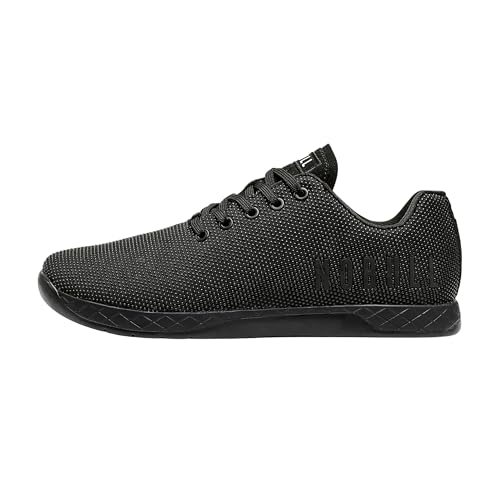
5.NOBULL Outwork Shoe with Carbon Rubber Grip
Flat, firm, low-to-ground support helps steady your stance for lifts
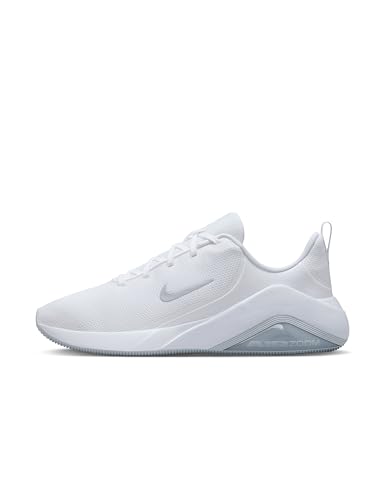
6.Nike Bella 7 Training Shoes with Air Zoom
Heel Air Zoom with a plastic plate and rubber cage steadies lifts

7.WHITIN Wide Running Shoes with Zero Drop
A roomy forefoot lets toes spread, while 3mm lugs grip the trail
1. MIFAWA Barefoot Shoes with Wide Toe Box
MIFAWA barefoot shoes keep the heel and forefoot level for weight lifting, running and other training. Their zero-drop sole puts both ends of the foot flat on the ground, while the wide toe box gives toes room to spread during movement.
For lifting, the flat sole offers a level base for squats and other exercises. The flexible rubber outsole also lets the foot move through its range of motion, with a grip intended to support gym workouts and outdoor activities.
The shoes suit runs, walks and hikes as well as gym sessions. Their listed uses also include trail running, wrestling, fishing, boating, beach trips and camping, so they can cover more than one kind of activity.
A removable cushioned insole supports the arch and reduces joint stress, according to the product details. Take it out for a closer feel of the ground; keep it in when you want the added cushioning.
The black pair comes in size 11. This minimalist design suits lifters and runners who want a level sole and toe room, though buyers who prefer more cushioning may want to use the insole.
- Wide toe box lets toes spread naturally
- Zero-drop sole keeps heel and forefoot level
- Removable insole offers two ground-feel options
- Flexible rubber outsole supports foot movement
- Minimalist sole may feel firm for some
2. adidas Powerlift 5 Weightlifting Shoes 15 mm
For lifting sessions that call for a stable shoe, the adidas Powerlift 5 pairs a 15-millimeter heel lift with a rubber outsole. The raised heel supports a weightlifting stance, while the outsole provides grip on the floor.
Its textile and synthetic upper keeps the shoe light and allows airflow. The materials also offer durability, so the pair can handle regular training while remaining comfortable to wear through a session.
Adjustable laces and a wide hook-and-loop strap let you tighten the fit across the foot. That combination helps hold the shoe in place during lifts, and the top strap gives you another way to secure it beyond the laces.
The product is made partly with recycled materials. Its black, black and carbon colorway keeps the look understated, while the listed pair weighs about 2.4 pounds.
This model comes in a size listed as 10 Women/9 Men, matching the size 9 in the title. Buyers should check that sizing information before ordering, especially if they need a precise fit for training.
The Powerlift 5 suits lifters looking for a raised heel, adjustable lockdown and a grippy rubber sole. Its stated features focus on weightlifting, so runners may want a shoe with running-specific details instead.
- 15mm heel lift supports weightlifting stance
- Rubber outsole provides grip during lifts
- Laces and top strap secure the fit
- Lightweight upper allows airflow during training
- No major cons
3. M MANUEKLEAR Deadlift Shoes Lightweight
At 216 grams, the MANUEKLEAR deadlift shoes are lightweight for lifting, gym training and other activities listed by the maker. Their breathable mesh uppers help air reach your feet, while the widened rubber soles add support and grip.
The shoes use a soft, thick toe cap to help protect toes from rubbing. The maker says their cushioning spreads pressure across the soles and reduces impact as your feet land and lift, which may suit repeated weight-training movements.
A strengthened sole and heel support pad add structure around the foot and ankle. The design also emphasizes flexibility and torsional resistance, with raised patterns at the front and rear of the sole for traction.
Two nylon hook-and-loop straps secure the shoes and make them easier to put on or remove. Their low, sock-like fit allows foot movement, though the listed information gives no running-specific cushioning or support details.
The Obsidian Black shoes come in size 9.5–10. They suit lifters who want a lightweight shoe for deadlifts, squats and gym sessions, and who also want a pair for activities such as jogging or cycling.
- Only 216 grams for light, flexible movement
- Widened sole and heel pad support lifting stability
- Breathable mesh helps keep feet dry during workouts
- Velcro straps make them quick to put on and secure
- No major cons
4. Nike W Free Metcon 5 Training Shoes
Weight lifters and runners who want one pair for both activities may like these Nike training shoes. Their wide heel gives you a firm base for lifting, while the cushioned foam core adds comfort during workouts.
The softer foam underfoot cushions each step, which can help during running and other training. The product details do not specify a running-focused feature, so these shoes suit buyers who value lifting support and general cushioning in a single pair.
A wide internal weave spreads pressure around the midfoot for a supportive fit. That support matters during sudden stops and quick changes of direction, such as those in circuit workouts or court drills.
The shoes come in Black/White/Anthracite and size 8. Their listed weight is about 1.8 pounds, though the data does not say whether that figure applies to one shoe or the pair.
No material or closure details appear in the listed specifications, so buyers who need those specifics may want to check before choosing a size. The design’s stated strengths are its stable lifting base, foam cushioning and midfoot support.
These size 8 shoes suit people who lift weights and also want cushioning for runs, especially if they value support through quick changes of direction. They may be less suited to runners seeking documented running-specific features.
- Wide heel gives a stable lifting base
- Soft foam core cushions each step
- Midfoot weave supports quick direction changes
- No major cons
5. NOBULL Outwork Shoe with Carbon Rubber Grip
The gym is where the NOBULL Men’s Outwork Shoe fits best, with a flat, firm sole for weight lifting and powerlifting. Its low-to-the-ground platform supports a steady stance for squats, deadlifts, presses and other free-weight exercises.
A wider toe box gives your feet room to find their footing under a load. The carbon rubber outsole has a circular tread pattern designed to grip gym floors, wood powerlifting platforms and other training surfaces.
The upper combines abrasion-resistant polyester canvas with a durable 3D print. That construction helps hold your foot in place during strength workouts, while the DWR treatment adds a water-repellent coating.
Underfoot, a low-profile phylon EVA midsole provides light cushioning without much lift. The heel-to-toe drop measures 4 millimeters, and the molded anatomical insole supports your feet during training.
A perforated microsuede tongue allows airflow around the top of the foot. The Triple Black shoe is listed in size 11; the stated weight of about 11 ounces applies to men’s size 10.5, so it may differ slightly in size 11.
This shoe suits lifters who want a grippy, stable base for gym sessions and powerlifting. Its features focus on strength training rather than running, so it may be less suited to buyers seeking one shoe for both lifting and regular runs.
- Flat, firm base supports stable lifting
- Carbon rubber tread grips gym surfaces
- Wider toe box helps you find footing
- 4mm drop keeps feet close to ground
- Designed for strength training, not running
6. Nike Bella 7 Training Shoes with Air Zoom
Heel Air Zoom cushioning gives the Nike Bella 7 support for weight lifting and comfort through everyday workouts. The heel unit works with a plastic plate and rubber cage to help steady your stance while lifting weights.
An updated mesh upper stretches as you lunge and move, while the midsole and outsole flex to let your feet move naturally. That flexibility suits varied gym exercises, including movements that need a wider range of motion.
Soft foam in the midsole works with the heel Air Zoom unit to cushion the heel and forefoot. This setup softens workout impact and also supports comfortable wear beyond the gym.
The mesh upper lets air pass through and feels soft against your feet. Its flexible construction can suit workouts with different movements, while the heel support gives the shoe a lifting focus.
For running, the cushioning under the heel and forefoot offers impact padding, but the listed features focus more on training and lifting than on running-specific needs. The shoe weighs about 0.6 pounds, and this size 8 pair comes in White/Pure Platinum/White.
This model suits gym-goers who want flexible movement, heel support for weight training and cushioning for general workouts. Runners who need details about running performance may want more information before choosing it.
- Heel Air Zoom unit supports weight lifting
- Plastic heel plate and cage steady your stance
- Flexible mesh upper moves with lunges
- Forefoot and heel cushioning softens impact
- No major cons
7. WHITIN Wide Running Shoes with Zero Drop
WHITIN makes these wide, zero-drop shoes for weight lifting, cross-training and everyday walking, with running also named in the title. Their foot-shaped forefoot gives toes room to spread and move naturally, which can help your feet feel less confined during different activities.
The grippy rubber outsole has a 3mm trail lug pattern for traction while preserving ground feedback. That combination may suit lifting, where feeling the floor matters, as well as walks on trail surfaces.
Trail-specific mesh and supportive overlays hold the foot in place and help shield it from debris. Braided fishing line reinforces the wrap-around TPU overlays along the sides, combining support for lateral movement with a design intended to balance speed and stability.
Padding around the ankle collar adds softness and helps secure the heel. The shoe comes in W51 Black Gum and size 12 Wide, with the wide fit and roomy toe area suited to buyers who want space for toe splay.
The low-profile, zero-drop design focuses on ground feel rather than cushioning details, so it may appeal to lifters and cross-training users who prefer close contact with the floor. This final pick suits buyers seeking one wide shoe for lifting, running and everyday walking.
- Wide forefoot gives toes room to spread
- 3mm trail lugs add grip and ground feel
- TPU overlays support lateral movement and stability
- Padded collar helps secure the heel
- No major cons
How to Choose the Best Shoes for Weight Lifting and Running
The right shoe can steady heavy lifts without making runs uncomfortable, but lifting style, running distance, foot shape, and fit all change what works. Decide which activity matters most, then weigh stability, cushioning, flexibility, and price against your usual training.
| If You Need | Look For | Expect |
|---|---|---|
| Heavy squats | Firm, raised heel and straps | Less natural feel when running |
| Deadlifts | Flat, low, grippy sole | Less help reaching squat depth |
| Short mixed workouts | Stable heel and flexible forefoot | A compromise in both activities |
| Longer runs | Cushioned midsole and secure fit | Less stability under heavy loads |
| Room for wider feet | Broad toe box and roomy fit | More shoe volume and movement |
| Barefoot-style training | Zero drop and flexible sole | Less cushioning and heel support |
Choose Your Main Activity
A shoe built for lifting usually has a firm, stable base, while running shoes use cushioning to soften repeated impact. If you spend most sessions under a bar, prioritize lifting stability; if you run farther, prioritize comfort in motion.
For occasional short runs between strength sets, a training shoe with a stable heel and some forefoot flexibility may suit both activities. Longer runs call for more cushioning, so one shoe may not serve both jobs equally well.
Think about your actual week, not an ideal routine: count lifting sessions, running distance, and the heaviest lifts you perform. The activity with greater demands should guide your choice, because a middle-ground design always gives up something.
Heel Height And Drop
Heel-to-toe drop is the height difference between the heel and forefoot. A raised heel can help some lifters keep their torso upright during squats, while a flat or low-drop shoe gives a more level stance.
Weightlifting shoes often have a firm, raised heel, sometimes around 15 millimeters, that supports a deep squat position. That lift feels unfamiliar during running and deadlifts, so it suits dedicated squat training better than mixed sessions.
Zero-drop shoes keep the heel and forefoot level, which some lifters prefer for deadlifts and grounded foot feel. They ask more of your ankle and calf mobility, so change over gradually rather than wearing them for every workout immediately.
A low drop of about 4 millimeters sits between those choices, but it does not offer the same squat assistance as a raised heel. Match the heel to your main lifts and try your usual stance before committing.
Base Stability And Sole Grip
A firm, broad base helps your feet stay planted when you brace, squat, or push through a lift. Look for a sole that resists twisting underfoot, since a soft, rolling platform can feel unstable with heavier loads.
Rubber outsoles with clear tread patterns help grip gym floors, while overly aggressive lugs are more useful on trails than smooth indoor surfaces. For regular gym use, choose tread that holds on clean floors without catching during pivots.
A flat sole supports deadlifts by keeping your feet close to the floor, while a raised heel can change your starting position. If you use both lifts, consider whether the shoe’s shape fits your technique across each movement.
Cushioning And Running Comfort
Running creates repeated impact, so cushioning can make easy miles more comfortable. A softer foam midsole may suit short runs and general training, but too much softness underfoot can make heavy lifts feel less controlled.
For longer or frequent runs, prioritize cushioning and a secure heel fit over a minimalist feel. Shoes designed mainly for lifting often lack enough impact protection for sustained running, especially if you run on pavement.
Barefoot-style shoes have thin, flexible soles that bring the ground closer, but they provide less impact cushioning. They suit runners already comfortable with minimal footwear; newcomers should begin with short distances and increase gradually.
Flexibility And Movement
A flexible forefoot helps your toes bend during running, lunges, and bodyweight drills. For lifting, however, too much flexibility through the middle of the shoe can make a loaded stance feel less supported.
Look for flexibility where you need it: the front should bend for movement, while the midfoot and heel should stay steady during lifts. A shoe that bends easily everywhere may feel comfortable walking but less secure under a bar.
Mixed workouts often include quick direction changes, jumps, or step-ups, so a rigid lifting shoe can limit movement. Choose a training shoe with a supportive heel and a bendable front if those drills are regular parts of your sessions.
Fit And Toe Room
A secure fit keeps your heel from lifting during runs and helps you brace under load. Leave a little space in front of your longest toe, but avoid excess length that lets your foot slide.
A wider toe box gives your toes room to spread, which some people prefer for balance and comfort. It should not let the foot shift sideways; try the shoe with your usual training socks and move through a squat stance.
Sizing varies between shoe shapes and manufacturers, so use the listed size as a starting point rather than a guarantee. If your feet swell during runs, try shoes later in the day and look for adjustable laces or straps.
Support And Upper Security
A heel counter is the rear structure that helps hold your heel in place, while straps or firm lacing can keep the midfoot secure. These details help prevent sliding when you lift or change direction.
Mesh uppers improve airflow during sweaty sessions, while tougher fabric and overlays can resist wear from repeated gym use. More reinforcement often adds stiffness, so choose breathable flexibility for mixed movement and firmer support for heavy lifting.
People who need extra arch support should look for a removable insole or a shape that matches their foot. A supportive insert does not replace a stable sole, so assess both the footbed and the platform.
Weight And Versatility
Lighter shoes feel less cumbersome during runs and fast-paced circuits, while heavier, structured shoes often feel more planted for lifting. There is no ideal weight for everyone; compare comfort and stability during your main activity.
A single pair saves space and money, but only works well if your runs are short and your lifting needs are moderate. Separate running and lifting shoes make sense when you run often or train with heavy loads.
If you choose one pair, favor a stable heel, flexible forefoot, secure fit, and moderate cushioning. That combination offers a practical compromise, though it will not match the specialized feel of shoes made for one activity.
Price And Value
Lower-priced shoes can cover basic gym sessions and short runs, but they may offer fewer fit adjustments or less specialized support. Focus on sole stability, fit, and intended use rather than extra features you will not use.
Higher prices may bring a more specialized heel, added support, or materials built for repeated training. Paying more is worthwhile when those details solve a real need, such as frequent heavy squats or regular longer runs.
If you train both ways only occasionally, a mid-priced cross-trainer may be a sensible choice. Compare the cost of one compromise pair with two purpose-built pairs, and consider how often each activity appears in your week.
Wear And Care
Running and lifting wear shoes in different ways: pavement can break down cushioning, while repeated bracing and floor contact stress the sole and upper. Inspect the tread, midsole, and seams as wear becomes visible.
Rotating separate shoes helps each pair dry and reduces the strain of using one pair for every session. Wipe away dirt after outdoor runs, and let shoes air-dry rather than placing them against direct heat.
Return Policy And Warranty
A return window is useful because fit and stability are hard to judge from measurements alone. Confirm that the seller allows returns after indoor try-ons, and keep the packaging until you know the shoes suit your workouts.
Warranty terms usually cover manufacturing faults, not normal wear from training. Read the exclusions before buying, especially if you expect frequent outdoor use, and keep proof of purchase in case a defect appears.
Frequently Asked Questions
Which shoes in this roundup are suitable for both lifting and running?
The MIFAWA Barefoot Shoes offer a zero-drop sole for a neutral stance, while the WHITIN Wide Running Shoes combine a roomy forefoot with 3mm trail-gripping lugs. Choose based on whether your priority is a flat lifting stance or traction for running on trails.
Do these shoes need batteries or another power source?
No. All seven products are shoes and do not require a power source.
What should I know about their materials and construction?
Features vary: the NOBULL Outwork Shoe has a carbon rubber grip, the adidas Powerlift 5 has a grippy outsole and secure strap, and the Nike Bella 7 combines heel Air Zoom with a plastic plate and rubber cage. The product details also highlight a wide heel on the Nike Free Metcon 5 and a lightweight 216g design for the M MANUEKLEAR Deadlift Shoes.
What comes in the box with each pair?
The product details provided identify the shoes and their features but do not specify additional items included in the box. Check the retailer’s listing for package contents.
Should I choose the adidas Powerlift 5 or the NOBULL Outwork Shoe?
Choose the adidas Powerlift 5 if you want a 15mm heel lift and a secure strap. The NOBULL Outwork Shoe is the option described as flat, firm, and low to the ground for a steady lifting stance.
Which shoes are best suited to weight lifting?
The adidas Powerlift 5, Nike Free Metcon 5, NOBULL Outwork Shoe, and Nike Bella 7 each have features aimed at supporting a stable lifting stance. Consider whether you prefer a raised heel, a wide heel, a flat low-to-ground feel, or heel cushioning with a plate and rubber cage.
Which pair should I consider for trail running?
The WHITIN Wide Running Shoes are the clearest choice for trails in this roundup, with a roomy forefoot and 3mm lugs for grip.
So, What Should You Buy?
For most people, the Nike W Free Metcon 5 is the best all-around pick, pairing a wide, steady heel for lifting with a versatile training design. Choose adidas Powerlift 5 for a 15 mm heel lift and secure strap, or MIFAWA Barefoot Shoes for zero-drop support and a wide toe box.
Want lightweight freedom for deadlifts? Consider M MANUEKLEAR. NOBULL Outwork offers firm, low-to-ground support, while Nike Bella 7 adds heel Air Zoom. For roomy trail running, choose WHITIN. Pick the pair that fits your training priorities.


