

7 Best Shoes for Wet Wading to Stay Steady While Exploring Streams
Wet wading lets you move through streams and rivers without bulky waders, keeping your kit light on warm fishing days. Regular sneakers may feel heavy when soaked, hold water, and lack the grip or drainage you need on slippery, uneven riverbeds.
That’s where wet wading shoes help. Their quick-draining materials shed water as you walk, while purpose-built soles grip wet rocks better than everyday footwear. A secure fit also helps keep your feet steady as currents shift around them.
Many pairs add toe protection against bumps, flexible uppers that dry faster, and lacing that keeps shoes snug in moving water. Their lightweight design makes long days in the stream more comfortable, and sturdy soles support careful footing across varied surfaces.
Fit, traction, drainage, and protection vary by pair, so consider your usual streams and the socks you wear. Explore the best shoes for wet wading below to find a pair that suits your days on the water.
7 Best Shoes for Wet Wading Reviews

1.Simms Pursuit Shoe with Quick-Lace System
Non-marking siped outsole resists slipping on wet ground underfoot

2.FROGG TOGGS Hellbender Fishing Wading Boot
Felt or cleated soles provide traction on wet rocks, gravel and mud
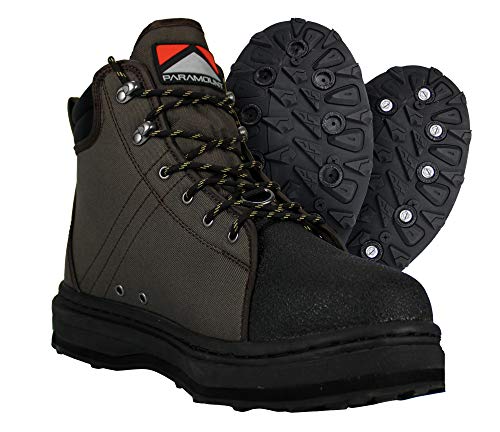
3.Paramount Outdoors Stonefly Wading Boot
Cleated rubber outsole grips moving water, slick rocks and muddy banks

4.Korkers Chrome Lite Kling-On Rock Wading Boot
Kling-On Rock sticky rubber outsole grips dry and wet rock with ease

5.Paramount Outdoors Salt Flats Wading Boot
Corrosion-resistant build suits saltwater surf fishing and wet wading

6.Foxelli Lightweight Fly Fishing Wading Boots
Weighing just 1.3 lb per boot, they stay light for all-day comfort
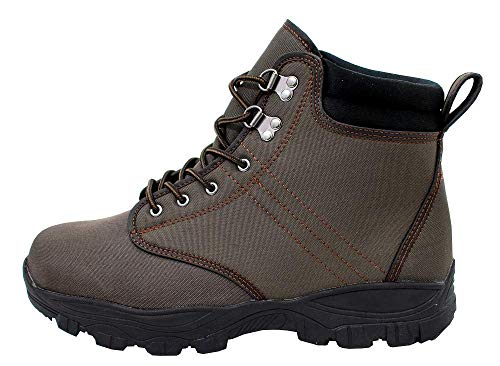
7.FROGG TOGGS Rana Elite Wading Boots
Water-draining upper keeps the boots light, nimble and comfortable
1. Simms Pursuit Shoe with Quick-Lace System
Simms Pursuit Shoe gives wet wading a quick-lacing fit and a siped outsole designed for grip on wet surfaces. Its non-marking rubber sole helps you move across damp ground while avoiding marks on surfaces you walk over.
The quick-lacing system lets you adjust the fit without working through conventional laces. It also keeps the lacing low-profile, which can help reduce snags around brush and other obstacles near the water.
For wet wading, the shoe is designed to pair with thin wet-wading socks. That setup gives buyers a specific sock choice to consider when planning their footwear, rather than treating the shoe as a stand-alone fit for every sock thickness.
The breathable mesh named in the title suits a shoe used around water, while the slip-resistant design focuses on wet footing. The listed product details do not specify a waterproof membrane or insulation, so buyers should judge it as a wet-wading shoe rather than assume those features.
This Riffle Green shoe comes in size 10.5. Its most useful details for wading are the adjustable quick-lace fit, non-marking siped outsole and stated compatibility with thin wet-wading socks.
The Simms Pursuit suits wet waders who want an adjustable fit, wet-surface traction and a shoe designed to be worn with thin wading socks.
- Siped outsole helps grip wet surfaces
- Quick lacing makes fit adjustments simple
- Low-profile laces can reduce snagging
- Designed for thin wet-wading socks
- No major cons
2. FROGG TOGGS Hellbender Fishing Wading Boot
For fishing on wet rocks, gravel, mud or debris, the FROGG TOGGS Hellbender wading boot offers a choice of felt or cleated soles to suit the ground. Its traction options are the main draw for anglers who need footing while wading.
The upper combines mesh and PVC, with toe and heel caps to help protect your feet. Its water-draining construction also helps the boot shed water, while the lightweight materials suit long fishing days.
A polyurethane midsole cushions each step, and the wide wading last adds support and stability. The padded ankle collar helps the boot sit comfortably, while speed laces and a locking clip make it quicker to secure.
The boot weighs about 1.5 pounds, according to the listed specification. That keeps its weight manageable for carrying to a fishing spot, though the data does not say whether this figure applies to one boot or the pair.
The listed version has cleated soles in size 10. The title also offers felt soles, giving anglers another option for their fishing environment; buyers should check that the selected version matches their needs.
This boot suits anglers who want wading footwear with a choice of sole types, water-draining materials and ankle cushioning. Its supportive shape and protective toe and heel details make it a practical option for wet-wading trips.
- Felt or cleated soles suit varied terrain
- Water-draining upper helps shed water
- Cushioned midsole supports long fishing days
- Wide last adds support and stability
- Padded collar and locking speed laces secure fit
- Mesh and PVC upper may offer limited warmth
3. Paramount Outdoors Stonefly Wading Boot
Steel studs are included with the Paramount Outdoors Stonefly, giving these wet-wading shoes extra grip options for slick rocks and moving water. You can wear them with or without the studs, depending on the river conditions.
The cleated rubber outsole has recessed points for the studs and is designed to help you keep traction on muddy banks as well as in the water. That makes the sole useful across several common river surfaces.
A reinforced toe cap helps protect against rocks, while the stiff, reinforced midsole adds support underfoot. Together, these features suit anglers who need a boot that can handle rough footing.
The padded collar cushions your ankle, and a reinforced heel pull helps you put the boots on and take them off beside the river. A D-ring provides an attachment point for a gravel guard to help secure your setup.
These size 10 boots are designed for stockingfoot wader booties, so you do not need to size up to wear them over your waders. They suit wet waders who want stud options and reinforced protection for rocky, muddy streams.
- Included steel studs add grip on slick rocks
- Wear the cleated sole with or without studs
- Reinforced toe and midsole protect against rocks
- Padded collar cushions the ankle
- No major cons
4. Korkers Chrome Lite Kling-On Rock Wading Boot
Anglers who wet wade over rocky streams get a lightweight boot with grip from the Korkers Chrome Lite. Its fixed Kling-On Rock soles use sticky rubber to hold on wet and dry rock, giving you traction as you move through changing footing.
The outsole also works with Xtra-Bite screw-in cleats and other half-inch cleat systems, sold separately. That gives you the option to add compatible cleats for different stream conditions, while the included rock sole stays ready for ordinary wading.
A Boa M4 Fit System with Sequence lacing lets you tighten the boot for a custom fit and loosen it quickly when you finish. The lacing setup also makes getting the boots on and off simpler than tying conventional laces.
Exo-Tec technology wraps the boot in molded, abrasion-resistant protection around all sides. Korkers pairs that coverage with a flexible, lightweight build, which helps protect against scrapes without making movement feel as restricted.
Hydrophobic materials dry faster after a day in the water, which can reduce the chance of spreading invasive species between waterways. A stretch-wrap cuff adds comfort and flexibility around the ankle as you walk.
This black and gun-metal boot comes in size 12 and weighs about 4 pounds. It suits anglers who need rock traction, a quick-adjust fit and protection for wet wading, with compatible cleats available separately for those who want additional sole options.
- Sticky rubber soles grip wet and dry rock
- Boa lacing adjusts quickly for a custom fit
- All-around abrasion protection stays flexible
- Hydrophobic materials dry faster between trips
- Compatible screw-in cleats cost extra
5. Paramount Outdoors Salt Flats Wading Boot
Saltwater shorelines suit the Paramount Outdoors Salt Flats boot, which covers surf fishing and wet wading. Its corrosion-resistant construction addresses the saltwater environment, while the 10mm insole lets you wear it without waders.
For wet wading, the included insole gives the boot a dedicated setup. You can also wear it with waders, so one pair serves both fishing styles instead of requiring separate footwear.
An athletic outsole provides grip, and the stiff midsole helps steady each step in wet conditions. Those details matter when you move across damp ground while carrying fishing gear, though the listing does not specify a tread pattern or sole material.
The front zipper works alongside a lace-up system to secure the fit. You can use the laces to adjust the boot and the zipper for entry, combining two closure methods in one design.
This black boot comes in men’s sizes 8 through 13, with the listed pair in size 11. Its weight is about 4.3 pounds, a useful figure to consider if you plan to carry it between fishing spots.
For anglers choosing shoes for wet wading, this model suits those who fish in saltwater and want a boot that can also pair with waders. The included insole, grip-focused outsole and stiff midsole make it a practical option for wet conditions.
- Corrosion-resistant build suits saltwater fishing
- Included 10mm insole supports wet wading
- Athletic outsole provides grip on wet ground
- Zipper and laces help secure the fit
- About 4.3 pounds may feel heavy for travel
6. Foxelli Lightweight Fly Fishing Wading Boots
Slip-resistant rubber outsoles give the Foxelli wading boots traction on wet rocks, muddy banks and uneven trails. Their tread channels water and debris, which helps you move across riverbeds and shorelines.
Each boot weighs about 1.3 pounds, and the flexible upper, EVA midsole and removable OrthoLite insole support long walks to the water. The roomy toe box leaves space for natural toe movement while hiking or wading.
A microfiber and plaid nylon upper keeps the boots breathable without adding much bulk. Reinforced stitching, rubber toe and heel protection, and an abrasion-resistant upper help handle brush and gravel.
Mesh drain ports let water escape while helping keep debris out. These boots are not insulated or fully waterproof, so they suit wet wading with neoprene booties rather than keeping feet dry on their own.
For a standard 2–3mm neoprene sock, the sizing guidance says to choose your usual shoe size. Thicker 4–5mm socks or extra cold-weather layers call for ordering one size up.
Lace hooks, a rear pull loop and a rubber kick-log make it easier to put the boots on, secure the fit and take them off. They suit anglers who want lightweight footwear for wet wading and hikes to the stream.
- Slip-resistant tread channels water and debris
- Each boot weighs about 1.3 pounds
- Mesh ports drain water while blocking debris
- Removable OrthoLite insoles and EVA midsoles
- Not insulated or fully waterproof for cold water
7. FROGG TOGGS Rana Elite Wading Boots
FROGG TOGGS makes the Rana Elite for anglers who need traction and support while wading. You can choose felt or lugged outsoles to suit the slippery surfaces around fishing spots and other waterside terrain.
The upper uses 1,000-denier nylon and drains water, helping keep the boots lighter as you move through water. A protective internal toe cap adds coverage at the front, while the water-draining construction lets water escape instead of holding it inside.
Inside, a padded collar cushions your ankle and adds support around the top of the boot. The EVA midsole adds cushioning underfoot, and the durable one-piece outsole provides a single base for walking across wet ground.
Polymer lace loops and brass speed hooks make up the speed-lace system. They help you tighten the boots securely without threading laces through a row of conventional eyelets, which can be useful when getting ready to fish.
This size 10 pair weighs about 3.1 pounds. Its listed color is lugged, while the title also offers felt or lugged outsole choices, so check the option before ordering. These boots suit anglers who want a draining nylon upper, added toe protection and a choice of outsole traction for wet wading.
- Felt or lugged soles suit slippery fishing spots
- Draining 1,000-denier nylon helps limit water weight
- Padded collar and EVA midsole add support
- Speed laces secure the fit with less fuss
- No major cons
How to Choose the Best Shoes for Wet Wading
The right wet-wading shoes help you stay steady on slick bottoms, protect your feet from rocks, and remain comfortable through long days in the water. Your choice depends on river terrain, fit over socks, sole style, and how quickly the shoes drain and dry.
| If You Need | Look For | Expect |
|---|---|---|
| Grip on slick rock | Sticky rubber, siping, or studs | Studs add weight and cost |
| Grip on soft riverbeds | Felt or lugged tread | Felt dries slowly |
| Protection from rough bottoms | Reinforced toe, heel, and midsole | More protection adds stiffness |
| A light shoe for walking | Low weight and mesh drainage | Lighter uppers offer less protection |
| Room for wader booties | Wading-specific fit and toe space | A roomier fit feels less precise |
| Saltwater use | Corrosion-resistant hardware | Salt-rated materials may cost more |
Sole Grip And Terrain
Your sole choice has the biggest effect on footing, so match it to the water you fish. Sticky rubber with a defined tread suits mixed ground, while felt can grip smooth, algae-covered rock; local rules may restrict felt.
Studs add bite on slick rock, but they increase weight and can feel harsh on hard surfaces. Recessed stud points or compatible stud systems offer flexibility, though fitting or removing studs adds a step.
On gravel, mud, and uneven banks, deeper lugs help shed loose material and give you a more useful edge than a smooth sole. If your routes mix surfaces, choose a sole that handles the ground you encounter most often.
Fit Over Socks
Wet-wading shoes should fit with the socks you plan to wear, because a snug fit in bare feet can squeeze your toes once a sock is added. Try them with thin wet-wading socks or any intended wader booties.
Leave room for your toes to spread, but avoid excess heel movement that can cause blisters or reduce control. A wide fit helps broad feet or thicker booties; a closer fit often feels steadier on uneven ground.
Sizing varies between shoe designs, so use the maker’s size chart and consider both foot length and width. If you are between sizes, review the return policy and allow for sock thickness rather than guessing.
Foot And Ankle Protection
Rocks, sticks, and gravel can bruise toes or press into the sole, so look for a reinforced toe cap, heel protection, and a midsole with enough support for your routes. These details are especially useful on rocky rivers.
A stiffer sole helps spread pressure over sharp ground, while a flexible sole feels more natural on easy trails and lets your foot bend freely. Choose stiffness according to the terrain and walking distance you expect.
Ankle padding can reduce rubbing and help keep the shoe comfortable, but it does not replace careful fit. If you carry a pack or walk over loose rock, a supportive collar and secure heel are worth considering.
Drainage And Drying
Water enters wet-wading shoes by design, so drainage matters more than keeping your feet dry. Mesh ports and water-draining uppers let water escape instead of leaving shoes heavy and sloshy after each step.
Hydrophobic materials resist holding water and often dry faster between trips, while dense panels may offer more abrasion resistance. For frequent fishing or back-to-back days, quicker drying reduces the time shoes stay damp.
Open mesh can drain and dry quickly, but it may let fine grit reach your socks. If you fish silty water or walk through sand, consider how easily the shoe can be rinsed and cleaned.
Weight And Walking
A lighter shoe is easier to lift through water and more comfortable on long approaches, especially when you walk miles between parking and fishing spots. Compare the listed weight per shoe with the total weight of the pair.
Heavier shoes often include thicker protection, stronger soles, or more supportive construction, which can help on rough routes. For short walks on forgiving ground, carrying extra weight for unused protection may feel unnecessary.
Weight alone does not tell you how a shoe feels in water. A roomy fit, flexible upper, and secure lacing also affect effort, so consider the whole shoe rather than choosing by ounces alone.
Closure And Security
Laces should hold your foot without pressure points, and they need to stay secure around water and grit. Speed laces or locking clips make adjustments quicker, while standard laces are simple to replace if damaged.
Dial-style closures allow quick tightening and loosening, which is useful when you adjust fit during a trip. Their mechanisms add complexity, so consider whether you prefer easy adjustment or a closure system with fewer parts.
A front zipper paired with laces offers convenient entry, but the zipper adds another area that needs cleaning and care. Whichever closure you choose, make sure it holds your heel in place without pinching the top of your foot.
Saltwater And Hardware
Saltwater can corrode metal parts and shorten the life of shoes, so coastal anglers should look for corrosion-resistant materials and rinse footwear with fresh water after each outing. This routine also removes sand that can wear moving parts.
Brass hooks and other metal hardware may suit wet conditions better than untreated metal, but corrosion resistance is not a substitute for cleaning. If you fish mostly in freshwater, this feature is less important than sole grip and fit.
Comfort And Cushioning
A cushioned insole or midsole can soften repeated steps on hard ground, which helps during long days on gravel or rocky banks. Removable insoles also make it easier to dry the shoe and adjust the fit.
More cushioning is not always better: a soft, thick layer can feel less stable when you stand on uneven rock. For technical routes, prioritize a stable base; for long walks on moderate ground, extra cushioning may feel worthwhile.
Consider toe-box shape as well as padding. Roomy toes reduce rubbing and pressure, while a narrower shape can feel more controlled; neither works well if your toes touch the front on downhill walks.
Price And Value
Lower-priced shoes may cover the basics, such as drainage, tread, and a protective toe, making them suitable for occasional trips on familiar water. Before buying, confirm that the sole suits your terrain and the fit works with your socks.
Higher prices often bring stronger materials, added protection, adjustable closures, or specialized sole options. Paying more is worthwhile when those features address a real need, such as frequent rocky routes or regular saltwater use.
Do not pay extra for a sole system or support feature you will rarely use. Compare the full cost, including optional studs or replacement parts, and consider how often you fish before choosing a price level.
Care And Longevity
After each outing, rinse grit and mud from the uppers, soles, laces, and closures, then let the shoes air-dry fully. This simple routine helps reduce wear and prevents damp storage from causing odors.
Inspect the tread, stitching, toe protection, and laces for damage before a long trip. Replace worn laces promptly, and avoid storing wet shoes in a sealed bag where moisture stays trapped.
If you travel between rivers, clean the footwear before moving to another waterway and follow local rules for felt soles. This helps prevent the spread of invasive organisms and protects the places you fish.
Frequently Asked Questions
Which shoes are best for slippery rocks?
The Korkers Chrome Lite Kling-On Rock Wading Boot has a sticky rubber outsole designed to grip wet and dry rock. For moving water and muddy banks, consider the Paramount Outdoors Stonefly Wading Boot with its cleated rubber outsole.
Should I choose the FROGG TOGGS Hellbender or the Paramount Outdoors Stonefly?
Both offer traction for wet wading, but their soles differ: the Hellbender comes with felt or cleated options, while the Stonefly has a cleated rubber outsole. Choose based on the sole type and terrain you prefer.
Which boots are suited to saltwater wet wading?
The Paramount Outdoors Salt Flats Wading Boot has a corrosion-resistant build designed for saltwater surf fishing and wet wading.
Which options are light enough for long days?
The Foxelli Lightweight Fly Fishing Wading Boots weigh 1.3 pounds per boot. The FROGG TOGGS Rana Elite Wading Boots have a water-draining upper designed to keep them light and nimble.
What should I look for when wading in wet, slippery conditions?
Match the outsole to the ground: the Simms Pursuit Shoe has a non-marking siped outsole, while the Hellbender offers felt or cleated soles for wet rocks, gravel, and mud.
What is the benefit of a water-draining upper?
The FROGG TOGGS Rana Elite Wading Boots have a water-draining upper intended to help them stay light, nimble, and comfortable.
Which shoe has a quick-lace system?
The Simms Pursuit Shoe features a quick-lace system and a non-marking siped outsole designed to resist slipping on wet ground.
So, What Should You Buy?
For most wet-wading anglers, the Simms Pursuit Shoe is the best pick, thanks to its non-marking siped outsole for grip on wet ground. If you want sole options for varied terrain, choose the FROGG TOGGS Hellbender; for moving water and muddy banks, the Paramount Outdoors Stonefly offers cleated traction.
Prefer sticky grip on rock? Pick the Korkers Chrome Lite. Saltwater anglers should consider the Paramount Outdoors Salt Flats, while the Foxelli is a light choice at 1.3 pounds per boot. For a nimble, water-draining design, choose the FROGG TOGGS Rana Elite. Match your needs, and step into the right pair.


