

Running With Overweight Safe Tips, Gear, And Plans
Yes, running with overweight is safe and effective when done gradually.
If you want clear, honest guidance on running with overweight, you are in the right place. I coach new and returning runners, and I have seen first-hand how small, steady steps lead to big wins. This guide unpacks the science, the gear, the plan, and the mindset you need to thrive while running with overweight without hype, shame, or guesswork.
What Running With Overweight Really Means
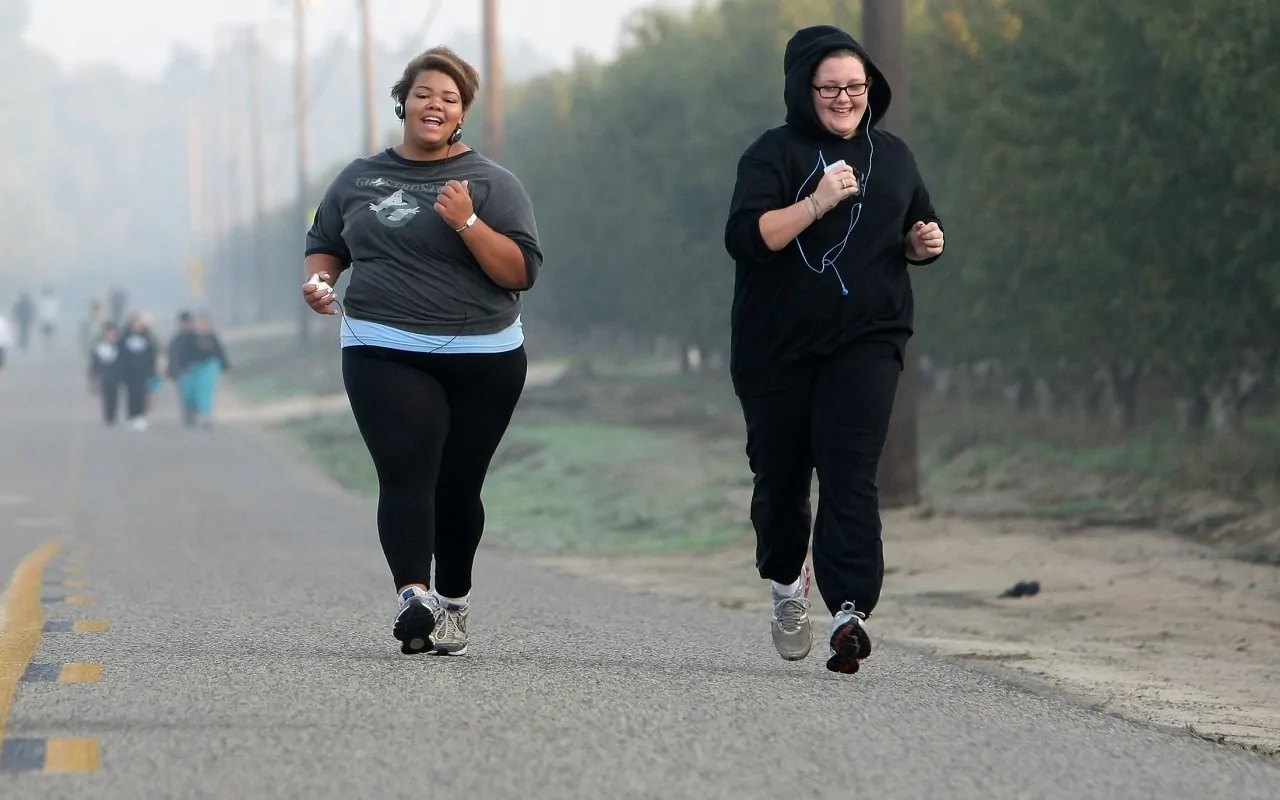
Running with overweight means you are building a running habit while carrying extra body mass by BMI, body fat, or simply by how your clothes fit. It is not a label; it is a starting point. It affects impact forces, pace, and recovery needs, but it does not define your limit.
Weight is one factor among many. Age, training history, sleep, stress, and footwear also matter. The goal is safe, steady progress, not a perfect BMI.
Running with overweight can fit any goal: better heart health, stress relief, or weight change. You can run for time, for distance, or just for joy. Your plan should fit your life.

Benefits And Risks Of Running With Overweight
Running supports heart health, blood pressure, mood, and insulin sensitivity. Even short bouts, like 10 minutes, can help. Research shows that a few runs per week lowers all-cause mortality and improves fitness.
Risks rise when load jumps too fast. Joints, tendons, and the plantar fascia face higher stress with more body mass. Common issues include runner’s knee, Achilles pain, and shin splints.
You can lower risk with slow build, good shoes, soft surfaces, and strength work. Follow simple rules: add volume slowly, rest well, and listen to early pain signs. Running with overweight can be both safe and rewarding with these guardrails.
How To Get Started Safely
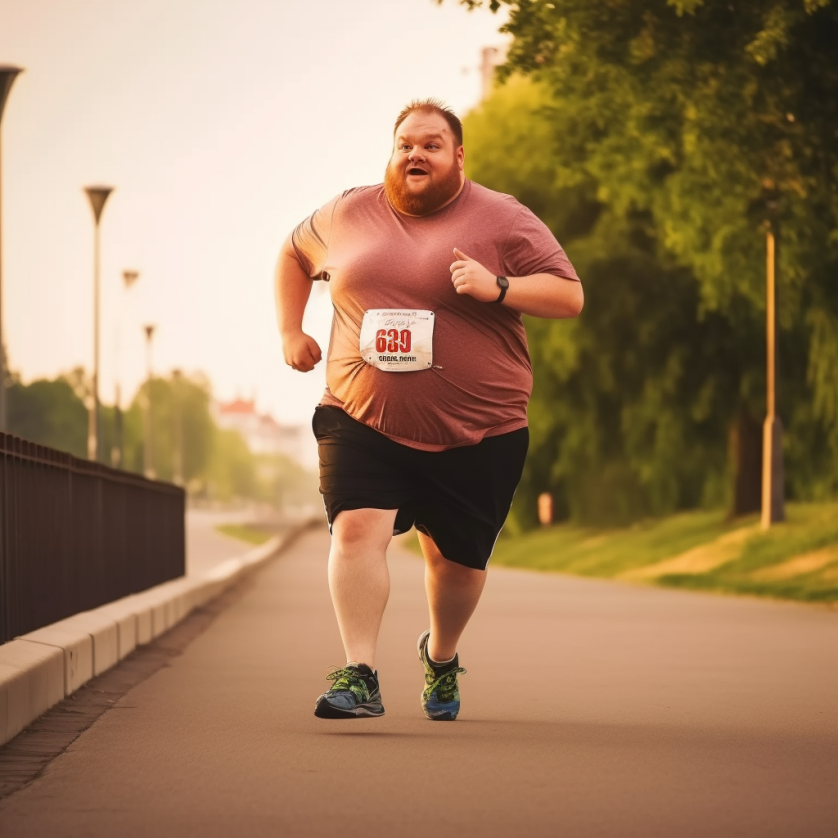
Start simple and patient. Use these steps.
- Get a green light if you have heart, blood pressure, or joint concerns. Share your plan with your clinician.
- Begin with a walk-run plan. Try 1 minute easy jog, 2 minutes brisk walk, repeat 8–10 times.
- Run three non‑consecutive days per week. Keep one full rest day after each run.
- Warm up for 5–10 minutes. Use brisk walking and easy leg swings.
- Aim for easy effort. On a 1–10 RPE scale, stay at 3–5.
- Add time, not speed. Increase total weekly running by about 5–10%.
- Use soft ground at first. Try track, dirt, or treadmill.
- Cool down with a slow walk and light calf, hip, and quad mobility.
- Log what you feel. Note sleep, soreness, and mood.
- Protect recovery. Sleep 7–9 hours and eat enough protein.
Running with overweight works best with tiny wins that stack up. Keep runs conversational. If you cannot talk, slow down or walk.
Form, Cadence, And Technique Tips
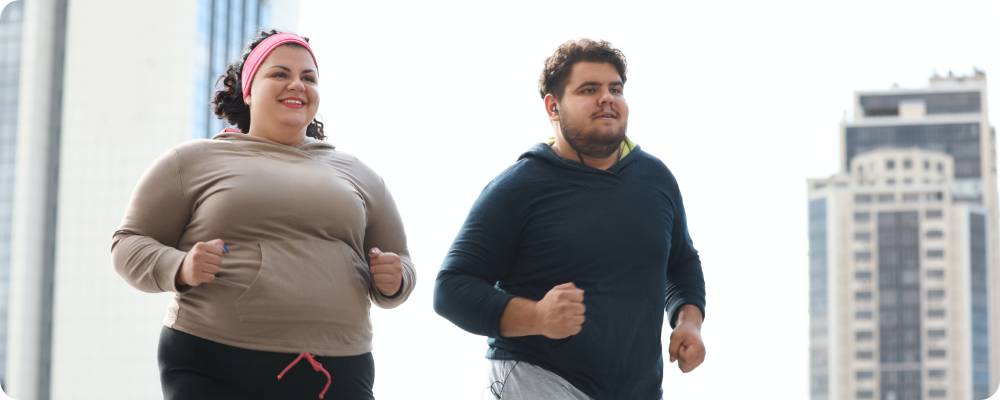
Focus on posture and rhythm, not perfection. Small changes reduce impact.
- Keep a tall, relaxed stance. Think “head over hips,” eyes forward.
- Shorten your stride. Land under your center of mass, not ahead.
- Aim for a light, quick cadence. Many runners do well near 165–180 steps per minute.
- Use a soft midfoot landing. Avoid loud, heavy foot strikes.
- Run easy on flats. Walk the steep uphills. Be gentle on downhills.
You can use a metronome app to find your rhythm. When I coach runners who are running with overweight, a simple cue like “quick and quiet feet” often cuts knee stress fast.
Gear That Reduces Impact
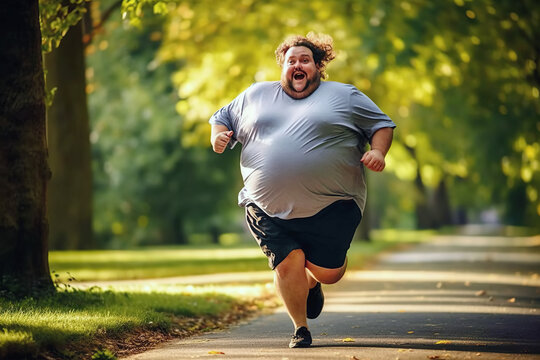
The right gear makes running with overweight feel better from day one.
- Shoes with cushioning and a stable base. Test a few models with a roomy toe box.
- Consider a mild stability shoe if your ankles roll in or you feel arch fatigue.
- Moisture‑wicking socks. They help prevent blisters.
- Anti‑chafe balm for thighs, underarms, and sports bra lines.
- A high‑support sports bra that locks down bounce without pain.
- Optional: a running belt or vest to carry water and phone.
Rotate two pairs of shoes if you can. Many runners feel less soreness when shoes dry and rebound between sessions.

Smart Training Plans For Beginners
Use a 12‑week plan that builds time first. Here is a sample week I use for running with overweight.
- Monday: Rest or gentle mobility
- Tuesday: Run‑walk 25–30 minutes at easy effort
- Wednesday: Strength 20–30 minutes
- Thursday: Run‑walk 25–30 minutes
- Friday: Cross‑train 30 minutes (bike, swim, brisk walk)
- Saturday: Run‑walk 30–35 minutes
- Sunday: Rest
Progress by adding 2–5 minutes to two runs per week. Every fourth week, cut volume by 20–30% for a deload. Keep most work easy. You can add short strides or hill walks later for variety, not speed.
When I first returned to running with overweight after a long break, this pace kept me consistent. The deload weeks saved my calves and knees.

Source: dreamstime.com
Cross‑Training, Strength, And Mobility
Strength work helps joints handle load. Two short sessions per week can prevent many aches.
- Sit‑to‑stand or box squats. Build leg drive and hip control.
- Step‑ups and reverse lunges. Improve balance and knee tracking.
- Hip hinges or light deadlifts. Protect your back and hamstrings.
- Calf raises and tibialis raises. Support the ankle and shin.
- Rows, pulldowns, or band pulls. Keep posture tall.
- Planks and side planks. Stabilize your trunk.
Add simple mobility most days.
- Ankle rocks and calf stretches after runs.
- Hip flexor and glute stretches.
- Thoracic spine rotations for posture.
Cross‑training is your friend. Cycling, pool running, or elliptical keeps fitness high with less impact. It fits well with running with overweight when legs feel heavy.

Fueling, Hydration, And Recovery
Eat to train, then adjust for goals. Running with overweight still needs fuel.
- Aim for protein at each meal. Many runners do well with about 20–35 grams per meal.
- For runs over 60 minutes, take 30–45 grams of carbs per hour.
- Hydrate with 0.5–0.7 liters of fluid per hour in warm weather. Add electrolytes if you sweat salty.
- After runs, eat a mix of carbs and protein within 1–2 hours.
If weight loss is a goal, use a small daily calorie gap, around 300–500. Avoid big cuts that crush energy and recovery. Sleep is your best recovery tool. Foam rolling and easy walks help blood flow.
I learned to bring a small bottle even on cool days. It kept my effort easy and my post‑run cravings calm.
Mindset, Motivation, And Social Support
Running with overweight is a mindset game. Build identity before mileage.
- Tie runs to a cue. Example: jog right after you drop the kids at school.
- Track streaks, not pace. A calendar check mark feels great.
- Celebrate non‑scale wins. Better sleep, lower stress, looser jeans, steadier mood.
Join a slow‑paced group or a couch‑to‑5K class. Tell a friend your plan. When I coached Marta, she feared being last. We timed her loop early in the morning, built a habit, and eight weeks later she finished a 5K smiling. The clock did not matter. The habit did.
Red Flags And When To Pause
Stop and reassess if you feel sharp, sudden pain, joint swelling, or pain that changes your stride. Chest pain, severe shortness of breath, or dizziness needs medical care right away.
Watch for stress fracture signs: pinpoint bone pain that worsens with impact. Persistent heel pain in the morning can be plantar fasciitis. When in doubt, rest, cross‑train, and get a professional opinion. Running with overweight should feel hard at times, but it should not hurt sharply.
Frequently Asked Questions of running with overweight
Is running with overweight bad for my knees?
Not by itself. The risk rises with fast mileage jumps, weak hips, and poor shoes. Build slow and get strong, and knees often feel better over time.
How often should beginners run when running with overweight?
Three days per week works well for most. Add easy cross‑training and one full rest day between runs.
Should I lose weight before I start running with overweight?
No. You can start now with walk‑run intervals and short sessions. Running may support weight change, but health gains appear even without weight loss.
What pace is good for running with overweight?
Easy enough to talk in short sentences. Use effort, not pace, and slow down on hills or heat.
Treadmill or outdoors for running with overweight?
Both work. Treadmills offer soft surfaces and controlled pacing; outdoors adds variety and confidence.
When will I see results from running with overweight?
Most people feel mood and sleep gains in 2–3 weeks. Cardiovascular and endurance changes often show in 4–8 weeks.
What if I can only run for 30 seconds?
That is great. String those 30 seconds together with walks. Add a few seconds each week and you will improve.
Conclusion
Running with overweight is safe, doable, and worth it when you move slow and steady. Choose soft starts, short strides, good shoes, and rest that matches your load. Track tiny wins, not pace.
Pick one change today: set three 20‑minute walk‑run sessions this week. Then come back and build from there. If this guide helped, subscribe for more simple plans, share your first win in the comments, or invite a friend to start with you.


