

What To Do For Shoes That Are Too Big: Quick Fixes 2026
Use insoles, heel grips, toe inserts, and secure lacing to fix loose shoes.
If you are wondering what to do for shoes that are too big, this guide gives you clear steps that work in real life. I have fit hundreds of pairs for clients and myself. You will learn fast, safe fixes, when to call a cobbler, and how to avoid bad buys next time. By the end, you will know exactly what to do for shoes that are too big and how to make them feel just right.
Why shoes feel too big and how to diagnose fit
Fit is not only about length. It is also about width and volume. Volume is the space over the top of your foot. You can have the right size in length but still have extra space.
Common causes include brand size variance, foot swelling, socks that are too thin, and shoe shapes that do not match your foot. Leather also relaxes with wear, which adds room. Insoles compress over time and make more space too.
Do a quick check at home. Stand and press at the toe. You should have a thumb’s width of space. Walk and note heel slip. More than a quarter inch of lift is a red flag. If the shoe is right in length but loose on top, the issue is volume, not size. This is why many people ask what to do for shoes that are too big even when they bought their usual size.
Poor fit has risks. You may grip your toes to hold the shoe, which tires your feet and calves. Heel slip causes blisters. Your gait can change, which can stress knees and hips.
From my work, most “too big” cases came from the wrong width or a roomy last. A simple tongue pad solved many of them. Knowing what to do for shoes that are too big starts with this simple test-and-note step.

Quick fixes you can do right now
These easy steps help right away. They also protect your skin and nails.
- Wear thicker or padded socks. This fills space and cuts friction. Use moisture-wicking socks in warm weather.
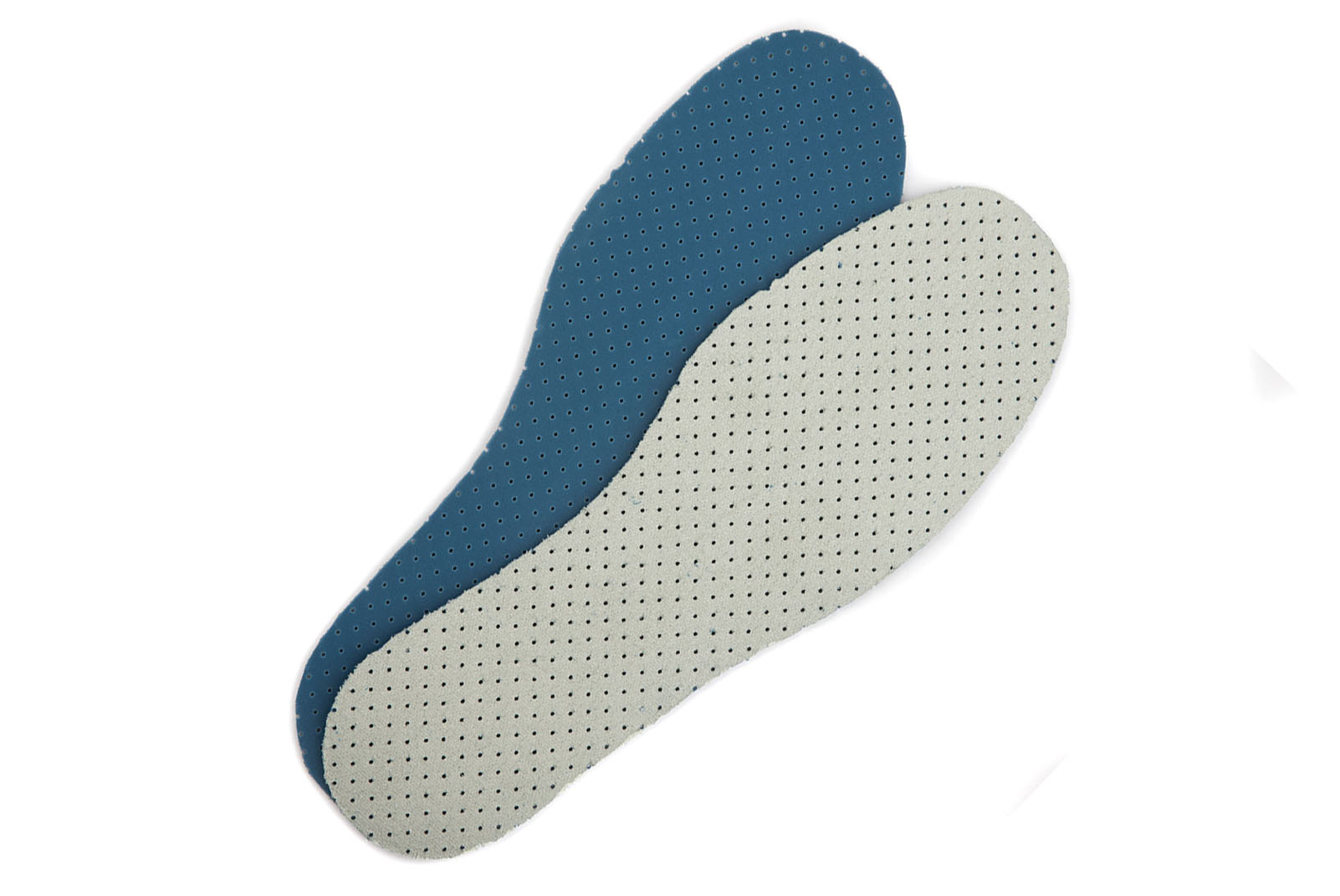
- Add a full-length insole. Foam, gel, or cork reduce volume across the shoe. Trim to fit.
- Layer a thin insole under the main one. This fine-tunes the fit without crowding your toes.
- Use heel grips. Stick-on liners hold the heel and reduce lift.
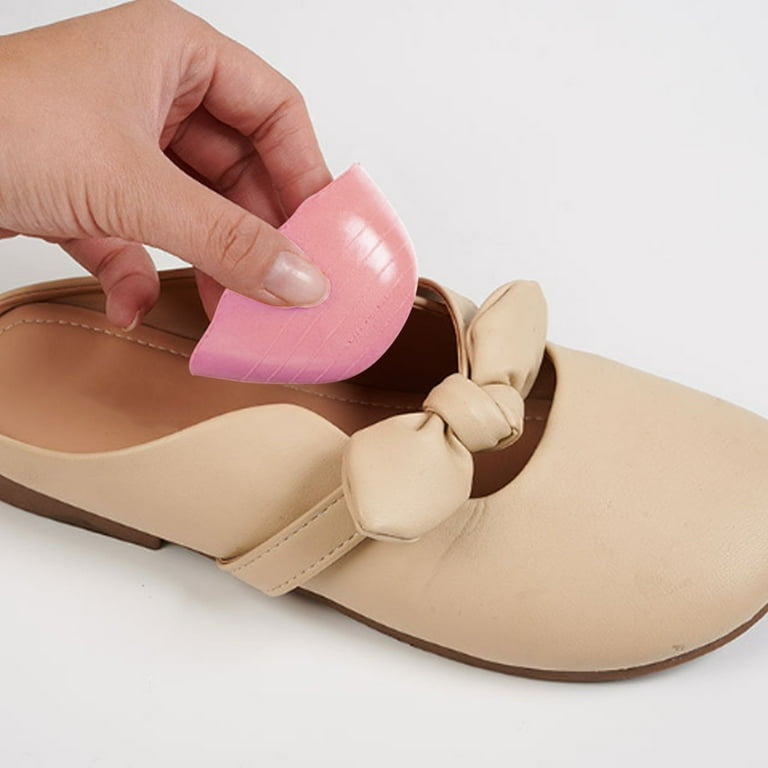
- Add a tongue pad. A felt pad under the tongue pushes the foot back and down. This is great for loafers and sneakers.
- Place ball-of-foot cushions. They stop forward slide in heels and flats.
- Try toe inserts. Soft foam plugs shorten the interior for dress shoes and boots.
- Change lacing. Use a runner’s heel lock (lace lock) to stop heel slip in sneakers and boots.
- Use non-slip pads on the insole. They add grip so your foot stays put.
Simple setup order that I use often:
- Add a tongue pad.
- Add a full-length insole.
- Use a heel lock lace.
- Test indoors on clean floors.
If you ask what to do for shoes that are too big in a pinch, start with socks, insoles, and heel grips. They are cheap, fast, and reversible.
Semi-permanent adjustments at home
You can make longer-lasting changes with basic tools. These are still reversible with care.
- Felt tongue pads and quarter pads. These reduce volume over the instep and at the sides. They help loafers, oxfords, and boots.
- Cork or EVA half insoles. These lift the forefoot or heel to reduce slip. Do not over-lift or you may cause toe pressure.
- Full cork insole. This firms up the base and reduces space. It also keeps shape over time.
- Moleskin and foam strips. Target hot spots and gaps. Layer thin strips rather than one thick pad.
- Elastic heel liners. They hug the heel and protect skin.
Steps I follow for a clean install:
- Clean the inside leather or lining with a mild wipe.
- Dry fully so adhesives stick.
- Place pads, then test in short walks at home.
- Adjust position by a few millimeters if needed.
Be careful with hacks you may see online. Do not soak leather to shrink it. Water can warp the upper and the midsole. Heat guns can crack finish and glue. If you wonder what to do for shoes that are too big without damage, skip heat and water tricks.

Professional solutions from a cobbler
A skilled cobbler can tune fit beyond what pads can do.
- Precision tongue pads and heel counters. They fit the shoe shape and last longer than DIY pads.
- Insole build-ups. Cork and leather layers reduce volume while keeping foot alignment.
- Quarter lining and back seam padding. This tightens the heel pocket and sides.
- Outsole and insole swaps in boots. A firmer foundation can reduce movement inside.
- Strategic stitching or elastic inserts in some styles.
Expectations and limits:
- Best results are within about a half size of extra room. A full size is often too much to fix cleanly.
- Running shoes and technical footwear are hard to alter. Return or replace is safer.
- Custom work costs more but can save a favorite pair.
Ask your cobbler for a test pad before a permanent install. Clear quotes and a fit trial increase trust. If you want expert help with what to do for shoes that are too big, this is the safest path.

Style-specific guidance
Different shoes call for different fixes. Here is what works best by type.
Sneakers and trainers
- Use a heel lock lace and a full-length insole.
- Add a thin under-insole shim if needed.
Dress shoes and oxfords
- Tongue pads are the key. They control volume without cramping toes.
- Heel grips help, but avoid thick ones that lift the heel too much.
Loafers and slip-ons
- Combine a tongue pad with a thin forefoot cushion.
- Aim for zero heel lift. Walk on stairs to test.
Heels and pumps
- Ball-of-foot cushions stop slide. Use heel grips for lift.
- Toe inserts can help, but avoid harsh pressure on nails.
Boots
- Use thicker socks and a full insole. Lace to the top eyelets with a heel lock.
- For heritage boots, a cobbler can add cork build-ups.
Sandals and slides
- Add clear gel pads at the forefoot and strap cushions at rub points.
- If the foot slides a lot, consider a smaller size. Fixes are limited.
Common mistakes to avoid
- Do not stuff tissue in the toe. It shifts and creates blisters.
- Do not rely on bandages alone. They protect skin but do not fix fit.
- Do not shrink leather with water or heat.
If you search what to do for shoes that are too big for a specific style, start with the pad or lace tactic that controls movement in that area.
How to prevent buying shoes that are too big
Smart buying stops fit issues before they start.
- Measure both feet with a Brannock device. Note length and width. Many adults change size over time.
- Shop late in the day. Feet swell, so you avoid buying too big.
- Wear the socks you will use with the shoes.
- Try multiple sizes and widths. Brand charts vary.
- Walk on different surfaces. Go up and down a ramp if the store has one.
- Check return policies before you buy online.
- Read fit notes from users with similar feet.
Remember, break-in does not fix shoes that are too big. Leather may relax, not shrink. If you wonder what to do for shoes that are too big before you buy, test for heel slip and forefoot hold.
When to return or resell instead of fixing
Sometimes the right call is to let the pair go.
Return or resell if:
- You have over a half size of extra length or width.
- Heel slip stays even after a tongue pad and heel lock lace.
- The shoe shape does not match your foot shape.
- You need the pair for running or sport where control is key.
- The cost of repair is more than 30–40% of the shoe price.
Resale platforms make it easy to recover value. Then buy the right size with the tips above. This is the best answer to what to do for shoes that are too big when fixes will not hold.
Frequently Asked Questions of what to do for shoes that are too big
Can insoles fix shoes that are half a size too big?
Often yes. A full-length insole plus a thin underlay and a tongue pad can close that gap. Test indoors first.
Are heel grips bad for my shoes?
No, if placed right. Clean the lining, align carefully, and avoid very thick grips that lift your heel too far.
How do I stop heel slip in loafers?
Use a tongue pad to reduce volume over the instep. Add a thin forefoot cushion to stop forward slide.
What if only one shoe is too big?
Use asymmetric fixes. Add a tongue pad or extra insole layer to the loose side only. Keep the other shoe as-is.
Can I shrink leather shoes safely at home?
It is risky. Water and heat can warp leather and weaken glue. Use pads or see a cobbler instead.
Will thicker socks make my feet sweat too much?
Choose moisture-wicking wool or blends. They add volume and manage sweat better than cotton.
Are toe inserts comfortable for all-day wear?
They can be if sized right. Use soft foam and avoid crowding your toes; test for pressure points.
Conclusion
You now have a clear plan for secure, comfortable shoes. Start small with socks, insoles, and a tongue pad. If needed, add heel grips and better lacing. For favorites you want to save, a cobbler can fine-tune the fit. When fixes push limits, choose to return or resell and buy smarter.
Take the next step today. Try one fix, walk for ten minutes, and note the change. Share your results or questions in the comments, and subscribe for more practical fit guides.


