

4 Best Shoes to Wear in Ice for Comfortable, Secure Winter Steps
Sure-footed winter walks make errands and commutes more comfortable, even when icy patches cover the pavement. Regular sneakers and smooth-soled boots often lack the traction needed on slick surfaces, so each step can feel uncertain and slow.
That’s where shoes made for icy conditions can help. Their grippy rubber outsoles and tread patterns create more contact with the ground, helping you keep your footing on slippery sidewalks while warm linings and supportive fits make longer outings more pleasant.
Many pairs add water-resistant uppers to keep slush away, cushioned footbeds to ease hours of walking, and ankle coverage for extra warmth. You can stay comfortable on everyday trips without relying on bulky footwear meant only for deep snow.
Shoes differ in warmth, fit, waterproofing, and tread, so think about your usual routes and winter weather. Explore the best shoes to wear in ice below to find a pair suited to your days.
4 Best Shoes to Wear in Ice Reviews
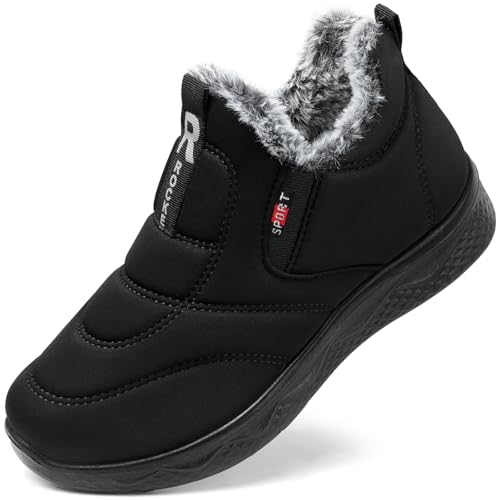
1.SHIBEVER COSE-DT2751 Winter Ankle Shoes
Non-slip rubber outsole grips icy and wet terrain for stable walking

2.TEMOFON TVVO-DT3103-BLACK-10 Winter Shoes
EVA outsole resists slipping and wear for safer walks on icy roads

3.Qiucdzi Fur-Lined Winter Ankle Shoes
TPR rubber sole resists slipping and grips smooth ground as you walk

4.Hanani 260606-MX26701us-GREY44 Winter Shoes
Specially lined polyurethane soles provide a firm grip on wet surfaces
1. SHIBEVER COSE-DT2751 Winter Ankle Shoes
SHIBEVER ankle boots are made for walking in cold weather, with a water-resistant upper and a rubber outsole designed to grip wet or icy ground. The tread can help you feel steadier outdoors, though the stated water protection covers light snow and damp conditions.
Fur lining and insulation help hold warmth around your feet, with the lining extending up to the ankle. That coverage suits chilly commutes and outdoor errands, while the cushioned insoles add padding for walking, work or everyday wear.
The slip-on design makes these boots quick to put on and take off, without laces or other fastenings to manage. Their lightweight build can also make them easier to wear through a full day than heavier winter footwear.
A roomy toe box gives your toes space, and the boots are listed as true to size. The ankle-height shape pairs with jeans, leggings or dresses, so you can wear them for casual outings as well as daily tasks.
This pair comes in black and size 7. The product information describes a water-resistant upper rather than waterproof construction, so they suit light snow and damp conditions better than prolonged exposure to water.
For ice, the rubber tread is the main practical feature, but the listing gives no specific traction rating or details about the tread pattern. These boots suit shoppers who want warm, padded ankle footwear for everyday winter walking on wet or lightly icy surfaces.
- Rubber tread helps grip wet and icy ground
- Insulated fur lining keeps feet warm
- Cushioned insoles add padding for daily wear
- Lightweight slip-on style is easy to wear
- No major cons
2. TEMOFON TVVO-DT3103-BLACK-10 Winter Shoes
For walking on icy paths, TEMOFON’s short winter boots combine a waterproof upper with a sole designed to grip slippery roads. Their EVA outsole is described as non-slip, which may help during trips to school, work or the shops.
The soft PU leather upper helps keep rain and snow from soaking through. Inside, plush and faux fur lining covers the boots, adding warmth for cold-weather walks and outdoor events.
A side zipper makes the low-cut boots easier to put on and take off. Their short shape suits everyday errands, walking the dog and watching outdoor sports, while the listed wide-width fit gives shoppers another sizing option.
This pair comes in black, and the specified size is women’s 10. The size range also includes sizes from 5 through 12, with some half sizes, and the listed color choices are black, navy, gray and brown.
Each boot weighs about 0.8 pounds, based on the listed item weight. These are a practical option for shoppers who want warm, water-resistant short boots for winter outings, though the product details do not specify a temperature rating or ice-specific traction test.
- Faux fur lining adds warmth on cold walks
- Waterproof PU leather helps keep feet dry
- EVA outsole is designed for slippery roads
- Side zipper makes the boots easier to put on
- No major cons
3. Qiucdzi Fur-Lined Winter Ankle Shoes
TPR rubber soles provide this grey Qiucdzi boot with abrasion resistance, slip resistance and high grip on smooth ground. The data does not specify an ice-safety rating, so these boots are best considered for winter walking rather than guaranteed traction on ice.
For warmth, the boots have lining from the outsole through the insole, covering the foot throughout. That full lining can make them useful for cold-weather walks, hikes, travel, work or exercise.
The upper uses soft, lightweight PU, which helps keep the boots comfortable to wear. The maker says the material also helps keep snow from entering, a useful detail for snowy walks.
A low-top shape keeps the design simple, while straps and a hook-and-loop closure let you tighten or loosen the fit. The closure also makes the boots easy to put on and take off.
This pair comes in grey, size 10.5, and weighs about 2.1 pounds. People with high insteps, wide feet or thick socks may want to choose a larger size, according to the product guidance.
These boots suit shoppers looking for warm, lightweight footwear for winter outings on smooth ground. Their grippy sole is a useful feature, but buyers who need dependable traction on ice should look for a stated ice-specific rating.
- Full lining adds warmth for cold-weather walks
- TPR sole offers grip on smooth ground
- Lightweight build at about 2 pounds
- Hook-and-loop closure makes them easy to put on
- No major cons
4. Hanani 260606-MX26701us-GREY44 Winter Shoes
Men who need ankle boots for cold, wet outings get a warm lining and a waterproof upper with these Hanani snow boots. Their polyurethane soles have patterned treads for grip on wet surfaces, a useful feature for walking in icy conditions.
The upper uses waterproof Oxford cloth to help keep rain and snow out, and you can wipe it clean with a cloth. Inside, faux short plush lines the boots to keep feet warm during cold-weather activities.
Zippers on both sides make the laceless boots easier to put on and remove. The dual-zip design also lets you adjust the fit around your feet.
The polyurethane soles add flexible support and shock resistance for walking and longer wear. Their tread pattern is intended to provide a firm hold on wet ground, though the listing does not specify performance on ice.
These black-and-grey boots suit camping, sledding, skiing, travel, dog walking and everyday indoor or outdoor wear. They come in size 10.5, and the listing describes them as lightweight, without giving a weight.
For men seeking warm, water-resistant ankle boots for winter outings, this pair covers several practical needs. The tread and plush lining may appeal to shoppers walking in cold, damp places, while the ice-grip performance remains unspecified.
- Waterproof upper helps keep feet dry in snow
- Plush lining wraps feet to retain warmth
- Grippy sole supports steady steps on wet ground
- Side zippers make the boots easy to put on
- No major cons
How to Choose the Best Shoes to Wear in Ice
Choosing shoes for ice means balancing grip, warmth, water protection and comfort for the places you walk. Your route, the time spent outdoors, fit with winter socks and willingness to carry extra weight all shape the right choice.
| If You Need | Look For | Expect |
|---|---|---|
| Better grip on icy paths | Deep, flexible tread; consider removable spikes | More tread can feel clunky indoors |
| Warmth for cold errands | Insulated lining and room for socks | Thicker lining reduces interior space |
| Wet-weather protection | Waterproof upper and sealed seams | Less-breathable materials can feel damp |
| Easy on-and-off access | Zipper, slip-on or hook-and-loop closure | Fast closures offer less fit adjustment |
| Long outdoor walks | Cushioned footbed and supportive sole | More cushioning may add weight |
| A lower-cost option | Basic insulation and rubber-style tread | Fewer refinements and features |
Grip and Ice Traction
The outsole is your main defense against slips, but “non-slip” does not guarantee secure footing on ice. Look for a rubber compound described as flexible in cold weather, with spaced lugs that can press into uneven surfaces.
Deep tread helps on packed snow and slushy paths, while smooth pavement needs a broader contact area. For frequent travel on glazed ice, consider removable traction cleats; they improve bite but add bulk and must come off indoors.
Tread patterns vary, so inspect the sole rather than relying on a label. A directional pattern with edges in several directions helps as you start, stop and turn, while widely spaced grooves shed snow more easily.
Even grippy soles have limits on polished ice, steep slopes and wet frozen steps. Shorten your stride, take careful turns and use a handrail where possible; footwear cannot replace cautious walking.
Water Protection
Waterproof uppers help keep snowmelt and slush from soaking through during winter errands. Look for a clearly stated waterproof construction, not just water resistance, if you expect wet snow or long exposure.
Seams and the opening matter too: water can enter above the sole or through an unsealed join. A higher ankle shaft helps keep shallow snow out, while a lower shoe is easier to wear but offers less coverage.
Water-resistant materials often suit brief trips in light snow, and they may breathe more readily than fully waterproof layers. For deep snow or long walks, prioritize waterproof construction and pair it with pants that overlap the boot opening.
Warmth and Lining
Insulation slows heat loss, but warmth depends on your activity, local temperatures and how long you stay outside. For short walks, a light lining may be enough; longer stops in freezing weather call for more insulation.
Fur-style and plush linings feel soft and trap warm air, but thick lining takes up room. Check whether the lining covers the foot as well as the ankle, since warmth around the toes is especially important.
Your socks affect warmth and fit together. Try boots with the socks you expect to wear, and leave space for toe movement; a tight fit can restrict circulation and leave feet colder.
Fit and Sizing
Winter footwear should hold your heel without squeezing your toes. Check the size chart and width details, then allow room for thicker socks; a roomy toe box helps, but excess space can let your foot slide.
Pay attention to whether the maker describes a regular or wide fit. If your feet are broad, bunions are sensitive, or you use orthotics, look for a wider shape and a removable insole.
A secure fit also supports steadier steps on slippery ground. Laces provide fine adjustment, while zippers, straps and slip-on designs are quicker; choose a closure that holds your foot firmly without pressure points.
Sole Support and Cushioning
A cushioned insole softens impact on hard sidewalks, while a supportive base helps your foot feel stable on uneven winter ground. Look for a footbed that feels comfortable under the arch and does not compress too easily.
Flexible soles make walking feel natural, but an overly soft sole can feel unstable on rough or icy paths. A firmer base usually gives more support for longer walks, though it may feel less forgiving underfoot.
If you stand for hours or walk several miles, prioritize cushioning and a shape that suits your foot. For quick trips, a simpler flat sole may keep the shoe lighter and easier to wear.
Height and Coverage
Ankle-height shoes are easier to walk in and pair with everyday clothes, but they leave more room for snow to enter. Choose a higher shaft if you cross deep snow or spend time outdoors in windy conditions.
The opening should sit comfortably against your leg and work with your trousers. A snug top can keep out snow, while a tight opening makes the shoe harder to put on and may press against your ankle.
Closure and Ease
Zippers and slip-on designs save time when you take shoes on and off often. Straps and laces give more control over fit, which helps if your feet swell or you need different tension over winter socks.
Look at where the closure sits and whether you can operate it with cold hands. A side zipper is quick, but laces offer more adjustment; hook-and-loop straps are simple to fasten, though snow and wear can reduce their hold.
Weight and Walking Feel
Lighter shoes take less effort to lift during a long walk, while heavier soles and insulation may feel steadier and warmer. Compare the stated weight per shoe or pair, since listings do not always use the same measure.
For short commutes, a little extra weight may be a fair trade for warmth or coverage. If you walk far or travel often, prioritize a lighter pair that still provides the grip and protection your route requires.
Durability and Care
Winter roads expose footwear to moisture, salt and repeated flexing, which can wear down materials and seams. Look for securely joined uppers and soles, plus care instructions that explain how to clean off salt and dry the shoes.
Let wet footwear air-dry away from direct heat, which can damage some materials or adhesives. Removable insoles make drying easier, while replaceable traction cleats help keep a useful pair ready for icy days.
Price and Warranty
Lower-priced shoes usually focus on basic warmth, tread and everyday protection, while higher prices may bring more insulation, stronger materials or added fit options. Pay more when those features match regular exposure to ice, not just occasional errands.
Before buying, compare the return window and warranty terms with the price. Winter fit is hard to judge from a listing alone, so a clear return policy is useful if the size or width feels wrong.
Everyday Safety
Shoes for ice should suit the surface you actually face, not just the season. Packed snow, slush and polished ice need different levels of traction, so choose removable cleats if icy routes are a regular part of your day.
For mixed indoor and outdoor use, removable cleats avoid the awkward feel and floor damage of spikes inside. Keep them accessible, and make sure they fit the shoe securely before relying on them outdoors.
Frequently Asked Questions
Which shoes are designed to grip icy or wet ground?
All four have soles designed to improve traction: SHIBEVER uses non-slip rubber, TEMOFON has an EVA outsole, Qiucdzi uses TPR rubber, and Hanani has lined polyurethane soles for grip on wet surfaces.
What materials are the soles made from?
SHIBEVER’s outsole is rubber, TEMOFON’s is EVA, Qiucdzi’s is TPR rubber, and Hanani’s is polyurethane.
Which pair should I choose, SHIBEVER or TEMOFON?
Choose SHIBEVER if you prefer a non-slip rubber outsole; choose TEMOFON if you want an EVA outsole described as resistant to slipping and wear. Consider which sole material and stated benefit best suit your needs.
Are the Qiucdzi shoes a good option for smooth ground?
Their TPR rubber sole is described as resisting slips and gripping smooth ground while you walk.
Which pair is described as providing grip on wet surfaces?
The Hanani 260606-MX26701us-GREY44 Winter Shoes have specially lined polyurethane soles designed to provide a firm grip on wet surfaces.
What comes in the box with these shoes?
The provided product details don’t specify what is included in the box, so check the listing for the selected pair.
So, What Should You Buy?
For most people, the SHIBEVER COSE-DT2751 is the best pick, thanks to its non-slip rubber outsole for stable steps on icy and wet terrain. The TEMOFON TVVO-DT3103-BLACK-10 is a sensible alternative if you want an EVA outsole designed to resist slipping and wear.
Choose the Qiucdzi Fur-Lined Winter Ankle Shoes for a TPR sole that grips smooth ground, or the Hanani 260606-MX26701us-GREY44 for lined polyurethane soles made to grip wet surfaces. Pick the pair that fits your winter walking needs with confidence.


