

7 Best Shoes for Walking and Weight Training That Support Every Step
Walking to work, taking a long stroll, and lifting weights all feel better with shoes that support your routine. Regular running shoes often have cushioned, raised soles that suit forward motion but can feel less stable during lifts, while casual sneakers may lack the support you want for longer walks.
That’s where shoes built for walking and weight training can help. Their supportive fit and steadier base make it easier to move through daily steps and maintain balance during strength exercises, without changing shoes between activities.
Many pairs offer breathable uppers to keep feet more comfortable, flexible soles for natural walking, and firm, flatter platforms that help you feel grounded under weights. Secure lacing also helps keep your feet in place as you switch from a walk to a workout.
Fit, cushioning, grip, and sole firmness vary by pair, so consider where you’ll wear yours most. Explore the best shoes for walking and weight training below to find a pair suited to your everyday routine.
7 Best Shoes for Walking and Weight Training Reviews
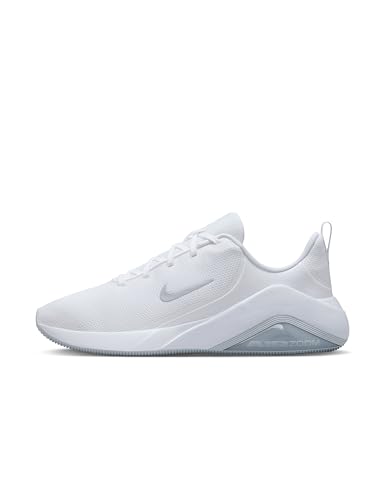
1.Nike Bella 7 Training Shoes with Air Zoom
Heel Air Zoom unit and plastic plate add stability during lifts

2.Abboos Women's Walking Shoes with Mesh Upper
Breathable knitted uppers keep feet fresh and comfortable all day long
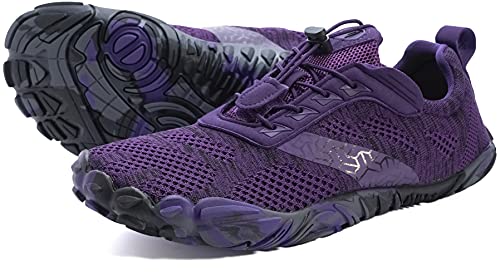
3.Joomra Barefoot Shoes with Wide Toe Box
Flexible minimalist design gives feet freedom to move as if barefoot

4.ATHMILE CZ003 Barefoot Walking Shoes
Wide toe box lets feet spread naturally for comfort and a stable base

5.RUFONE S01 Barefoot Shoes with Wide Toe Box
Non-slip rubber sole grips wet pavement, slick tile and wet rocks
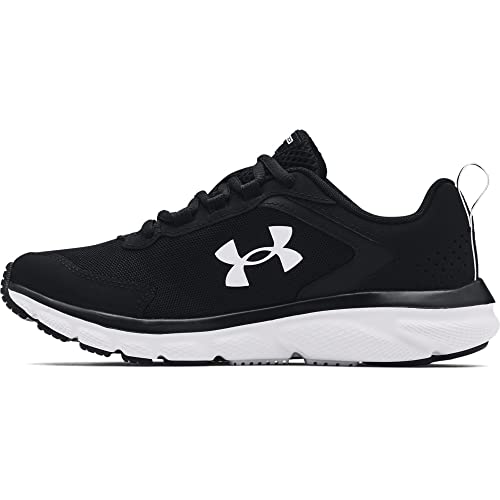
6.Under Armour Charged Assert 9 Running Shoes
Charged Cushioning foam adds responsive comfort and durability

7.AIRHAS E-AHC070 Barefoot Training Shoes
Zero-drop soles keep feet in their natural posture to improve balance
1. Nike Bella 7 Training Shoes with Air Zoom
Nike Bella 7 shoes support gym workouts and everyday walking with a flexible build and cushioning at the forefoot and heel. Their updated mesh upper stretches with lunges and other movements, helping your feet move naturally during training.
For weight lifting, a heel Air Zoom unit works with a plastic plate and rubber cage to steady the heel. Tuned support and cushioning also help you feel secure as you stand and move between exercises.
The soft foam midsole pairs with the heel Air Zoom unit to soften impact underfoot. That cushioning can make these shoes useful for walks around the gym or through the rest of the day, as well as for workouts.
Breathable mesh adds comfort while allowing air to pass around your feet. The flexible midsole and outsole suit workouts that involve changing direction, lunging or moving through a range of motions.
This white and Pure Platinum pair comes in women’s size 8 and weighs about 0.6 pounds. The listed weight gives a sense of what each shoe weighs, while the mesh construction keeps flexibility central to its design.
The Bella 7 suits people who want a training shoe for lifting, gym movements and everyday walking, with heel support and cushioning for repeated steps. It may be less suited to buyers seeking a shoe specified for long-distance walking.
- Heel Air Zoom unit supports lifting stability
- Flexible mesh upper moves with lunges
- Foam and Air Zoom cushion each step
- Breathable mesh helps keep feet comfortable
- No major cons
2. Abboos Women’s Walking Shoes with Mesh Upper
For walking between daily errands and weight-training sessions, these Abboos sneakers pair a breathable knitted upper with a rubber outsole. The flexible upper keeps the shoes light, while the outsole provides grip and cushioning for each step.
A soft insole adds comfort underfoot, and the lacing is designed to help keep the fit steady. The long tongue makes the shoes easier to put on and take off, which can be handy before a workout.
The rubber outsole resists wear and twisting, according to the product details. Its cushioning and traction suit walking, gym workouts and other listed activities, though the data does not specify a level of support for lifting heavier weights.
These black shoes come in size 9.5 and weigh about 0.8 pounds. The maker lists them for running, tennis, cycling, hiking and travel as well as indoor and outdoor use, so they can cover more than gym sessions.
The knitted upper, soft insole and outsole features make them a practical option for buyers who want one pair for walking and general gym training. They suit people who value a light feel and a shoe for varied activities.
- Lightweight knitted upper breathes during walks
- Rubber outsole adds grip and cushioning
- Soft insole adds comfort underfoot
- Long tongue makes shoes easier to put on
- No specific weight-training support details
3. Joomra Barefoot Shoes with Wide Toe Box
Zero-drop construction gives these Joomra barefoot shoes a flat base for walking and weight training. Their minimalist design also lets your feet move with more freedom, which may suit people who prefer a barefoot feel during workouts.
A wide toe box gives your toes room to spread during treadmill sessions, walks and lifting exercises. The knitted upper keeps the shoes lightweight and breathable, which can help your feet feel less enclosed during activity.
Rubber outsoles use circular lugs for grip as you move across different surfaces. The tread is designed to balance traction and durability, making the shoes suitable for walking and workouts that may take you onto uneven ground.
Removable insoles support the arches and distribute weight toward the balls of your feet without adding too much pressure. A thicker topline wraps around the foot to help keep each shoe in place during exercise.
This pair comes in purple, in women’s size 8.5, also listed as size 39. It suits walkers and weight-training beginners who want a flexible, lightweight shoe with a wide toe box and a minimal feel.
- Wide toe box gives toes room to spread
- Lightweight knitted upper allows airflow
- Lugged rubber outsole grips varied terrain
- Removable insoles support arches during workouts
- Minimalist design offers less underfoot cushioning
4. ATHMILE CZ003 Barefoot Walking Shoes
Walkers and lifters who want room for their toes get a wide toe box and a flat, zero-drop sole in these ATHMILE shoes. That shape lets toes spread naturally, while the same height at heel and forefoot supports a level stance for walks and gym sessions.
For weight training, the flexible sole has V-shaped rubber treads that grip gym floors. The flat profile also supports a natural midfoot strike, which may suit people who prefer minimalist footwear for squats and other lifts.
On walks and hikes, the rubber outsole is designed to grip rocky trails and wet pavement as well as indoor floors. Its flexible construction also suits cross-training, cycling and other activities named for these shoes.
The breathable knit upper lets air circulate around the foot. Padded cushioning at the heel helps limit rubbing, and an integrated heel fit helps keep the shoe secure during movement.
The title positions these as lightweight shoes, though the listing gives no weight figure. They come in grey, in size 10.5, and suit walkers and gym-goers who want a roomy toe area, a flat sole and one pair for several activities.
- Wide toe box allows natural toe spreading
- Zero-drop sole supports a level stance
- V-tread rubber outsole grips varied surfaces
- Breathable knit upper lets air circulate
- Minimalist sole may offer less cushioning
5. RUFONE S01 Barefoot Shoes with Wide Toe Box
The trail, gym floor and everyday pavement all suit RUFONE’s minimalist shoes, which combine a zero-drop sole with a roomy toe box. For walking and weight training, the flat platform offers a neutral base, while the flexible sole keeps some protection between your feet and the ground.
The wide toe box gives toes room to spread, and the soft knit upper sits around the foot without pinching. That extra space may suit people who find narrow shoes uncomfortable, including those with bunions or sensitive feet.
A rubber sole provides grip on wet and dry surfaces, including slick tile and wet pavement. Drainage mesh lets water escape and helps the shoes dry after swimming, river wading or rainy walks.
The breathable mesh upper helps air circulate during workouts, long walks and travel. These lightweight shoes also pack into a daypack, making them handy for trips that include the gym, trails or time near water.
An elastic drawstring collar lets you step in and tighten the toggle without tying laces. The white pair comes in the listed size 9 for women and 7 for men, and suits walkers and lifters who want a flexible, roomy shoe for varied activities.
- Zero-drop sole gives a flat training base
- Wide toe box leaves room for toes to spread
- Grippy rubber sole handles wet and dry ground
- Drainage mesh helps shoes dry after water use
- Lightweight build packs easily for walks and trips
- Minimalist sole offers only some ground protection
6. Under Armour Charged Assert 9 Running Shoes
Charged Cushioning is the key feature of the Under Armour women’s Charged Assert 9DISC. Its compression-molded foam midsole cushions each step and is designed to respond to movement, making it relevant for walking and weight-training sessions.
A 10mm offset places the heel higher than the forefoot, while the shoe’s neutral design balances flexibility with cushioning. That setup suits walkers who want both underfoot padding and some room for the foot to move during gym exercises.
The lightweight mesh upper has a three-color digital print and allows airflow around the foot. Leather overlays add midfoot support, helping the shoe hold the foot in place during walks and lifting sessions.
An EVA sockliner adds a soft feel when you step into the shoe. Underfoot, solid rubber covers the areas that take the most impact, adding wear resistance without covering the entire outsole in rubber.
The standard-tie laces let you adjust the fit across the top of the foot. At 8.15 ounces, this size 7.5 shoe keeps its listed weight low, and the black-and-white color gives it a simple look.
This neutral shoe is aimed at runners who want a balance of flexibility and cushioning, but its cushioning and midfoot support also suit people splitting time between walks and weight training. It fits buyers who want a light shoe with airflow and cushioning for those activities.
- Charged Cushioning midsole cushions each step
- Breathable mesh upper helps air reach feet
- Leather overlays support and secure the midfoot
- Lightweight 8.15-ounce shoe for active use
- No major cons
7. AIRHAS E-AHC070 Barefoot Training Shoes
AIRHAS makes these zero-drop workout sneakers for walking, weight training and other gym activities. Their flat, non-elevated soles keep the heel and forefoot at the same level, giving you a more natural foot position for lifting and everyday movement.
The thin rubber outsole bends with your feet and has a textured surface for traction. Its low profile also lets you feel the ground beneath you, which may help during exercises where foot placement matters.
A stretchy knit upper allows airflow and flexes around your feet, while the padded heel adds cushioning at the back. The combination gives you a sock-like fit without making the shoe entirely unstructured.
You can wear these shoes with or without the insole. A layer between the midsole and insole keeps the interior comfortable in either setup, while removing the insole gives you a more barefoot feel.
The lightweight build also suits yoga, jogging and daily wear, and the maker says you can wear them without socks. They come in White/Gum in size 7.5 and weigh about 0.9 pounds.
For buyers who want one pair for walks and gym sessions, the flat sole and flexible construction are the main draws. The AIRHAS shoes suit people who prefer a close-to-ground feel for weight training and light everyday activity.
- Zero-drop sole keeps both ends level
- Flexible rubber outsole gives ground feel
- Removable insole offers two wearing options
- Stretch-knit upper allows airflow and flex
- Thin sole offers limited underfoot cushioning
How to Choose the Best Shoes for Walking and Weight Training
The right shoes can make walks more comfortable and weight training feel steadier, but cushioning, sole shape and fit suit different routines. Think about your usual walking distance, lifting style, foot shape and budget before choosing.
| If You Need | Look For | Expect |
|---|---|---|
| Long walks | Cushioned foam and padded heel | More cushioning, less ground feel |
| Heavy lifting | Firm, level sole and secure fit | Less softness underfoot |
| One shoe for both | Moderate cushioning and flexible sole | A compromise in lifting stability |
| Room for toe movement | Wide toe box and flexible upper | A less snug front fit |
| Minimalist feel | Thin, flexible zero-drop sole | A slower adjustment period |
| Wet paths or varied ground | Grippy rubber tread and drainage | More tread, sometimes more weight |
Stability Under Load
For weight training, a firm base helps your feet stay planted during squats, deadlifts and other loaded movements. Look for a sole that does not compress or rock noticeably when you shift your weight from heel to forefoot.
A cushioned running-style shoe often feels comfortable on walks, but soft foam can feel less steady under heavy lifts. If lifting is a priority, favor a flatter, firmer sole; if you lift lightly, moderate cushioning may suit both activities.
Heel height also changes how a shoe feels during a lift. A level sole keeps heel and forefoot at the same height, while a raised heel can suit some squat styles but feels less natural for other lifts.
Cushioning and Walking Comfort
Cushioning absorbs some impact during walks, especially on pavement or hard indoor floors. Look for foam under the heel and forefoot if your routine includes longer distances or you prefer a softer step.
More cushioning is not always better for lifting, since a compressible sole can feel unstable under a barbell. Choose enough padding for your usual walks, then consider whether the shoe still feels firm when you brace and lift.
Heel cushioning deserves separate attention if you land heavily or walk for long periods. A padded heel can soften repeated impact, but a thick heel may reduce the close-to-ground feel that some lifters prefer.
Fit and Toe Room
A shoe should hold your heel and midfoot securely without squeezing your toes. Try it on with the socks you usually wear, and leave a small amount of space in front of your longest toe.
Toe-box width affects comfort as feet spread during walking and lifting. A wider front allows more natural toe movement, while a narrower shape may feel more secure to people with slim feet.
Sizing varies between shoes, so use the maker’s size chart and measure both feet later in the day. If one foot is longer, fit the larger foot; pressure, numbness or heel slipping are reasons to reconsider the size.
Sole Shape and Ground Feel
Zero-drop shoes place the heel and forefoot at the same height, which gives a level stance and a closer feel of the ground. They suit buyers who prefer minimal cushioning, but the feel differs from traditional raised-heel shoes.
A thin, flexible sole lets your foot bend more freely and can feel natural during lifting. It also offers less cushioning and protection on long pavement walks, so consider your route and how long you stay on your feet.
A more structured sole provides extra separation from rough ground and may feel easier to adapt to. For mixed routines, compare sole flexibility with cushioning rather than assuming one design suits every workout.
Upper Support and Breathability
Mesh and knit uppers allow airflow, which helps keep feet cooler during gym sessions and walks. Stretchier fabric often feels less restrictive, while firmer overlays can hold the midfoot more securely during side-to-side movement.
Laces let you adjust tightness across different parts of the foot, which helps secure the heel without over-tightening the toes. Elastic toggles or slip-on details save time, but they may offer less precise adjustment.
Look for a heel that feels held in place when you walk and lift. Padding can reduce rubbing, while a loose heel can slide and cause blisters; the best fit depends on your foot shape and sock thickness.
Outsole Grip and Durability
Rubber outsoles provide traction on gym floors and pavement, but tread pattern and rubber coverage affect how the shoe grips. Look for a stable contact area for lifting and enough tread for your usual walking surfaces.
For wet paths, deeper or more directional tread can improve grip, while drainage features help water escape after splashes. These details suit mixed outdoor use, though aggressive tread may feel less smooth on indoor floors.
Outsole rubber in high-wear areas can extend useful life, especially if you walk often or train several times weekly. Inspect stitching and sole attachment too, since a separating sole or worn tread can reduce support and traction.
Weight and Flexibility
Lighter shoes feel less tiring during long walks and quick workouts, while a flexible forefoot helps the foot bend naturally at push-off. A little added structure may still be worthwhile if it improves stability for your lifts.
Compare the shoe’s weight with the support it provides, rather than choosing the lightest option by default. A minimal shoe may feel nimble, while a more padded or reinforced design can feel heavier but more protective.
Flex the shoe at the forefoot before buying, and notice whether it bends where your toes bend. Excessive twisting through the middle can feel less supportive under load, while a very stiff sole may feel awkward on walks.
Price and Value
Lower-priced shoes often cover basic walking and light gym use, with simpler materials and fewer support details. They can suit occasional workouts, but frequent users should look closely at fit, tread and sole wear.
Paying more is worthwhile when the shoe offers a fit that stays secure, cushioning suited to your routes or support for regular lifting. Price alone does not predict suitability, so compare construction and comfort with your actual routine.
Break-In and Transition
A new shoe should feel comfortable from the start, though unfamiliar sole shapes may take time to feel natural. Avoid using a minimalist or zero-drop shoe for long walks and heavy sessions immediately if you usually wear cushioned shoes.
Start with short walks or lighter workouts, then increase use gradually as your feet adjust. Stop if you develop persistent pain, and choose a more familiar level of cushioning or heel height when a transition does not suit you.
Frequently Asked Questions
Which shoes provide a stable base for weight training?
The Nike Bella 7 has a heel Air Zoom unit and plastic plate for added stability during lifts. The ATHMILE CZ003 and AIRHAS E-AHC070 also have features aimed at stability, with wide toe boxes and zero-drop soles, respectively.
Which options have a wide toe box?
The Joomra, ATHMILE CZ003, and RUFONE S01 barefoot shoes have wide toe boxes. This design lets toes spread more naturally.
Are any of these shoes designed for breathability?
The Abboos Women’s Walking Shoes have breathable knitted uppers intended to keep feet fresh and comfortable throughout the day.
What should I choose for walking on wet or slick surfaces?
The RUFONE S01 has a non-slip rubber sole designed to grip wet pavement, slick tile, and wet rocks.
Should I choose the Nike Bella 7 or the Under Armour Charged Assert 9?
Choose the Nike Bella 7 if added stability during lifts is your priority; its heel Air Zoom unit and plastic plate support that purpose. The Under Armour Charged Assert 9 uses Charged Cushioning foam for responsive comfort and durability.
Which shoes have a barefoot-style design?
The Joomra, ATHMILE CZ003, RUFONE S01, and AIRHAS E-AHC070 are barefoot-style options. Their listed features include flexible designs, wide toe boxes, non-slip soles, or zero-drop soles.
What should I consider when choosing shoes for both walking and weight training?
Consider the kind of support and feel you prefer: the Nike Bella 7 emphasizes stability for lifts, while the barefoot-style shoes offer features such as natural toe spread or zero-drop soles. For cushioned comfort, the Under Armour Charged Assert 9 uses responsive foam.
So, What Should You Buy?
For most people, the Nike Bella 7 is the best all-around pick, pairing everyday training versatility with an Air Zoom heel unit and plastic plate for stability during lifts. On a budget, consider the breathable Abboos; for cushioned comfort, choose the Under Armour Charged Assert 9.
Prefer a barefoot feel? The Joomra offers flexible movement, while ATHMILE’s wide toe box gives feet room to spread. Choose RUFONE for grip on slick surfaces or AIRHAS for a zero-drop stance. Pick the pair that fits your priorities and step confidently.


