

5 Best Shoes for Walking 20 000 Steps a Day for All-Day Comfort
Twenty thousand steps can take you through a commute, errands, and an evening stroll, so comfortable footwear matters all day. Regular sneakers may lack the cushioning, roomy fit, or durable support that long hours on your feet call for, leaving your feet tired.
For those miles, walking shoes offer a more considered everyday choice. Cushioned midsoles soften each step, supportive designs help your feet feel steady, and breathable uppers can keep them cooler than heavy, non-breathable footwear.
Many pairs add flexible soles that move naturally with your stride, padded collars that reduce rubbing, and grippy outsoles for dependable footing on common paths. These practical details help you stay comfortable as your daily route adds up.
Fit, cushioning, weight, and arch support vary by model, so your needs and walking surfaces should guide your choice. Explore the best shoes for walking 20 000 steps a day below to find a pair suited to your routine.
5 Best Shoes for Walking 20 000 Steps a Day Reviews
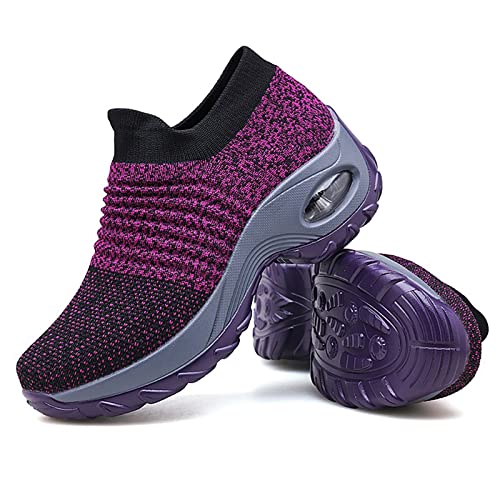
1.Slow Man 1839 Air Cushion Walking Shoes
Air-cushion soles and breathable mesh support comfort on long walks

2.Git-up 2089 Walking Shoes with Wide Toe Box
Wide toe box eases pressure on swollen feet during long walks

3.Dannto A503MDGY38 Hands-Free Slip-On Sneakers
High-rebound arch insole helps reduce foot fatigue during long shifts

4.OrthoComfoot Orthopedic Slip-On Walking Shoes
Orthotic insoles cushion feet and help improve alignment on walks

5.AioTio Woven Walking Shoes with Slip-On
Upgraded insole provides support to help ease foot fatigue on walks
1. Slow Man 1839 Air Cushion Walking Shoes
Slow Man sock sneakers support everyday walking with a flexible, lightweight build and an air-cushioned outsole. For a goal of 20,000 steps a day, their sock-like feel and breathable fabric may suit people who want shoes for long walks as well as daily errands.
The mesh fabric lets air pass through, while the smooth material flexes with your foot. A boxed toe gives your toes room to move, and the shoes are listed in a medium-to-wide width. The stated size is women’s 7.5, equivalent to street shoe sizing.
An MD outsole adds an air cushion underfoot, and the platform measures about 2 inches. The rubber outsole resists slipping and wear, according to the product details. Perforations at the arch also help air circulate during walks or long periods on your feet.
These shoes can work for walking, casual outings, travel, shopping, and jobs that involve standing for a long time. The listing also names dance styles, workouts, gardening, fishing and driving, so they cover more than everyday walking.
At about 0.9 pounds, they are lightweight to carry and wear. The purple slip-on style suits walkers looking for a flexible shoe for daily use, though the product details do not give a specific cushioning or arch-support rating.
- Lightweight build helps on long walks
- Air-cushioned outsole adds underfoot padding
- Perforated arch helps air circulate
- Flexible mesh suits daily walking
- No major cons
2. Git-up 2089 Walking Shoes with Wide Toe Box
For days with 20,000 steps, Git-up walking shoes offer a wide toe box, breathable mesh and an adjustable strap. Those features give feet room and let you set the fit, which may suit long walks for people with foot pain or swelling.
The wide toe area is designed for people with plantar fasciitis, swollen feet and diabetes. It gives toes more space than a narrow shape, which can help limit pressure during extended wear.
Breathable mesh keeps the shoes lightweight and soft, while allowing air to move around the feet. That can be useful over a long day of walking, at work or at the gym.
A hook-and-loop strap makes them simple to put on and remove. You can also adjust the tightness to suit different foot shapes and conditions such as foot edema.
The rubber sole is designed to grip both dry and wet surfaces, giving these shoes an option for indoor and outdoor routes. The white size 10 pair has a simple look for everyday use.
These shoes suit walkers who want a roomy toe area and adjustable closure for long days on their feet. The listing does not give a shoe weight or cushioning details, so buyers focused on those specifics may want to check them before choosing.
- Wide toe box helps ease pressure on swollen feet
- Adjustable hook-and-loop strap accommodates changing foot needs
- Breathable, lightweight mesh supports all-day comfort
- Anti-slip rubber sole grips wet and dry surfaces
- No major cons
3. Dannto A503MDGY38 Hands-Free Slip-On Sneakers
0.4 kg per pair makes these Dannto walking shoes light to wear on long days, including walks that add up to 20,000 steps. Their hands-free entry lets you step in without bending, which may help if you have limited mobility or find tying shoes awkward.
A breathable knit upper stretches to fit different foot shapes, while the sweat-wicking lining is intended to keep feet comfortable during shifts lasting eight hours or more. The maker says you can wear them without socks, though comfort can vary by wearer.
Inside, a stability arch insole uses high-rebound foam to cushion each step and resist flattening over time. That support may suit nurses, teachers and retail workers who spend much of the day standing, as well as walkers covering long distances.
The EVA outsole has multidirectional tread for grip on wet floors, gym surfaces and pavement. Its flexible build and quiet tread also suit everyday walking, errands and travel.
The Medium Gray, laceless style pairs with scrubs, jeans, leggings or dresses. The listed size is 8, and the maker says the fit runs true to size; shoppers with wide feet may want to consider going up half a size. These shoes suit walkers who value easy entry, light weight and arch support.
- Hands-free entry avoids bending to put them on
- Lightweight at 0.4 kg per pair for long walks
- Arch insole cushions feet during long shifts
- Multidirectional tread grips wet floors and pavement
- No major cons
4. OrthoComfoot Orthopedic Slip-On Walking Shoes
People who spend long days on their feet get arch support and orthotic insoles in these OrthoComfoot walking shoes. The supportive footbed is intended for flat feet and plantar fasciitis, and it cushions the foot during walks.
The insoles also aim to ease pressure around the heel and arch while supporting foot alignment. That focus may suit walkers who want extra structure over a long day, though the listing does not give a specific cushioning level.
An elasticized collar helps the slip-on design stay snug, so the shoes are easy to put on and remove. Their seamless construction helps limit rubbing that can lead to blisters during everyday wear.
Breathable materials help feet stay cool and dry during active use. The lightweight build is suited to extended wear, and the casual look works for walks as well as everyday outings.
For changing routes, the outsole provides traction on different surfaces. The listing also describes the shoes for running, tennis and other outdoor activities, making them an option for buyers who want walking support in a multi-use shoe.
This purple pair comes in women’s size 8.5. It suits walkers seeking slip-on convenience, breathable materials and added arch support for long days on their feet.
- Orthotic insoles and arch support ease foot strain
- Breathable, lightweight build helps feet stay cool
- Slip-on design makes them easy to put on and off
- Durable outsole offers traction on varied surfaces
- No major cons
5. AioTio Woven Walking Shoes with Slip-On
For daily walks around town, the grey AioTio walking shoes offer a lace-free fit and a breathable woven upper. Their US size 6, also listed as CHN 37, suits buyers looking for that specific size.
The woven fabric allows airflow to help keep feet dry and comfortable. A non-slip sole provides traction on different surfaces, a useful feature for routes that include varied ground.
An upgraded insole adds cushioning and support for long periods of standing or walking. AioTio says it can help ease foot fatigue, though the listing gives no cushioning measurements or step-count guidance.
The slip-on design makes the shoes quick to put on and take off, with no laces to adjust. That can be handy before a commute or when changing shoes during a busy day.
Their casual style pairs with everyday outfits for shopping, short trips and regular wear. The listing also names nurses, pregnant women and walking enthusiasts as people who may appreciate the support.
For a 20,000-step day, fit and comfort matter, so buyers should check whether the listed US 6 size suits them. These shoes may suit people who want breathable, easy-on walking footwear for daily use.
- Breathable woven fabric helps keep feet dry
- Upgraded insole offers comfort and stronger support
- Slip-on design makes them quick to put on
- Lightweight build is easier on feet while walking
- No major cons
How to Choose the Best Shoes for Walking 20 000 Steps a Day
Choosing shoes for 20,000 daily steps means balancing fit, support, cushioning, grip, and weight. Your foot shape, walking surface, pace, and budget all affect which features deserve priority and which trade-offs feel acceptable over long days.
| If You Need | Look For | Expect |
|---|---|---|
| Room for swelling | Wide toe box, adjustable closure | Less secure fit if oversized |
| Long pavement walks | Cushioned sole, supportive insole | More bulk and weight |
| Fast changes at work | Slip-on entry, secure heel | Less fit adjustment |
| Wet-floor confidence | Rubber tread, multidirectional pattern | Firmer feel underfoot |
| Lightweight daily wear | Lightweight mesh or knit upper | Less structure and protection |
| Arch guidance | Supportive insole, stable base | Firmer feel than soft foam |
Fit And Sizing
A correct fit comes first because feet often swell during long days, and pressure that feels minor at home can become painful after thousands of steps. Shop later in the day, when your feet are closer to their largest.
Leave roughly a thumb’s width between your longest toe and the shoe’s front, while keeping your heel from slipping. Your toes should spread without rubbing the sides, and the upper should not pinch across the widest part of your foot.
Sizing varies between styles, so use the maker’s size chart and measure both feet while standing. Choose for the larger foot, and wear the socks you expect to use; thick socks can change the fit noticeably.
A roomy toe box helps people with wide feet, bunions, or swelling, while a narrower shape may feel more secure on slender feet. Avoid sizing up just to gain width if that makes your heel slide.
Support And Stability
Arch support helps guide your foot through repeated steps, but the right shape depends on your own arch and comfort. A supportive insole should feel steady, not sharply press into one spot or force your foot into an unfamiliar position.
For flat feet or a history of arch discomfort, look for a stable base and a supportive footbed. If you use prescribed orthotics, confirm that the insole comes out and that the shoe still fits with your insert.
Heel stability also deserves attention: a firm heel area can limit unwanted movement, especially on long walks or uneven paths. Flexible shoes suit easy, casual routes, while more structured designs often feel steadier under fatigue.
If pain is persistent or linked to a medical condition, ask a clinician about footwear needs rather than relying on a shoe label. Terms such as “orthopedic” do not guarantee a particular fit or level of support.
Cushioning And Sole
Cushioning softens repeated impact, which is useful on concrete, tile, and other hard surfaces. Look for a sole that feels comfortable under the heel and forefoot without making you feel unstable or disconnected from the ground.
Soft foam often feels pleasant at first, while firmer cushioning can offer a steadier platform over long distances. Your walking pace, body comfort, and usual routes influence which balance feels best; try shoes on a hard floor if possible.
A thicker sole adds distance between your foot and rough ground, but it can also increase weight and reduce your sense of surface changes. Choose enough cushioning for your routes, rather than assuming the thickest sole is best.
Weight And Flex
Lighter shoes reduce the effort of lifting your feet repeatedly, which can be noticeable over 20,000 steps. Compare the listed weight for a pair when available, but also consider whether a very light build feels supportive enough for your needs.
A flexible forefoot lets your toes bend naturally as you push off, while a shoe that bends too easily through the middle may feel unstable. The shoe should flex mainly near the ball of your foot, where your foot bends.
For brisk walks, a lighter, more flexible shoe may feel easier to move in. If you carry a heavy bag, walk on uneven paths, or need extra support, a modest increase in weight may be worth the added structure.
Breathability And Upper
Mesh and knit uppers allow more airflow than many dense materials, helping feet feel less hot during long shifts or warm-weather walks. Breathable fabric suits people who run warm, though it may offer less protection from wind and rain.
A stretchy upper can accommodate small changes in foot volume, but it should not let your foot slide sideways. Look for a smooth interior and seams that do not press against toes, especially if you have sensitive skin.
Sweat-wicking lining helps move moisture away from the skin, but it cannot replace well-fitting socks or drying time. If you walk in wet weather, consider how quickly the upper dries and whether the shoe offers enough coverage.
Grip And Walking Surface
Tread affects confidence on pavement, tile, and mixed paths, especially when surfaces are wet. Look for a clearly patterned outsole with grooves that contact the ground, rather than a smooth sole intended mainly for indoor wear.
Rubber outsoles often provide durable contact on everyday routes, while softer foam-based soles can feel lighter but may wear sooner. For regular wet-floor walking, prioritize slip-resistant tread details and follow care guidance to keep the sole clean.
Your route should guide the choice: pavement needs reliable everyday grip, while gravel or uneven paths call for more pronounced tread and a stable base. No outsole removes the risk of slipping on ice or slick surfaces.
Closure And Convenience
Laces offer the most control over tightness across the foot, which helps when your instep or foot width needs adjustment. Hook-and-loop straps are quicker to adjust, while slip-on styles save time but need a secure heel fit.
Hands-free entry is useful when bending is difficult or frequent shoe changes interrupt a shift. Make sure the heel stays in place during a brisk walk; easy entry is not worth repeated slipping or rubbing.
Elastic collars and stretchy uppers can make entry simpler, but they may not suit feet that need a firmly adjustable fit. If swelling changes during the day, choose a closure that lets you loosen pressure without making the shoe unstable.
Durability And Care
Walking 20,000 steps daily puts repeated wear on the outsole, heel, and upper, so inspect those areas before buying. Reinforced contact points and securely attached soles generally suit frequent use better than delicate materials.
Sole life depends on your weight, gait, surfaces, and walking habits, so no mileage figure applies to everyone. Replace shoes when tread is visibly worn, cushioning feels uneven, or new aches appear after familiar routes.
Breathable fabric and removable insoles simplify airing and cleaning, but follow the care label to avoid damaging adhesives or shape. Rotating between two pairs gives each pair time to dry, though it adds upfront cost and storage needs.
Price And Value
Lower-priced shoes can cover basic casual walking needs, especially for shorter routes or occasional use. For daily high step counts, prioritize fit, grip, and support over extra styling details, since discomfort can make a bargain costly.
Midrange options often add more cushioning, better construction, or useful fit adjustments, but features vary widely. Paying more is worthwhile when a specific improvement solves your need, such as room for swelling or a removable insole for orthotics.
An expensive price does not ensure comfort or durability, and promotional claims do not replace a careful fit. Compare return terms and sizing guidance before ordering, particularly when you cannot try the shoes on in person.
Break-In And Rotation
Wear new shoes for short walks first, then increase distance if they remain comfortable. This gradual start reveals rubbing, heel movement, or pressure before a full day leaves your feet sore.
Try them with your usual socks and walk on the surfaces you use most, if returns allow. Stop wearing a pair that causes sharp pain, numbness, or persistent blisters rather than expecting it to stretch into a good fit.
Rotating pairs gives cushioning and lining time to dry between long days, which helps manage moisture and odor. It requires buying another pair, so prioritize fit and suitable support before adding a rotation option.
Frequently Asked Questions
Are these walking shoes battery-powered?
No. The Slow Man, Git-up, Dannto, OrthoComfoot, and AioTio shoes are designed to be worn without a power source.
What materials are the shoes made from?
The Slow Man 1839 features breathable mesh, while the Git-up 2089 has a wide toe box. Check each product listing for further material and construction details.
What comes in the box with each pair?
The product details provided describe the shoes’ features but don’t specify packaging contents. Check the seller’s listing for what’s included.
Should I choose the Git-up 2089 or the OrthoComfoot slip-ons?
Choose the Git-up 2089 if a roomy toe box is your priority, especially for swollen feet; consider OrthoComfoot if you’re looking for orthotic insoles to cushion your feet and help with alignment.
Which pair may help with foot fatigue during long shifts?
The Dannto A503MDGY38 has a high-rebound arch insole intended to help reduce foot fatigue during long shifts. The AioTio’s upgraded insole also provides support to help ease fatigue on walks.
How should I choose shoes for walking 20,000 steps a day?
Match the feature to your needs: the Slow Man offers air-cushion soles and breathable mesh, while the Git-up has a wide toe box and OrthoComfoot includes orthotic insoles. Check the fit and product details before deciding.
So, What Should You Buy?
For most people, the Slow Man 1839 is the best all-around pick, pairing air-cushion soles with breathable mesh for comfort on long walks. If swollen feet need extra room, choose the Git-up 2089; for arch support during long shifts, consider the Dannto A503MDGY38.
The OrthoComfoot suits walkers seeking orthotic cushioning and alignment support, while the AioTio offers an insole designed to ease foot fatigue. Choose the pair that best matches your feet and priorities, and step out with confidence.


