

7 Best Soft Sole Baby Shoes That Keep Tiny Feet Cozy and Flexible
Soft sole baby shoes help little feet stay covered while babies crawl, cruise, and take their first steps. Socks can slip off, while stiff regular shoes may feel bulky and limit the natural movement babies need as they explore indoors.
Soft sole baby shoes offer a gentler, more flexible option. Their pliable soles let tiny feet bend and grip, while the lightweight shape stays comfortable for crawling and early walking; easy-on closures also help keep shoes in place.
Many pairs use breathable materials to keep feet more comfortable, stretchy openings for quick changes, and textured soles that add grip on smooth floors. Flexible designs let your baby move freely while protecting feet from cool surfaces and everyday scuffs.
Models vary in sizing, materials, closures, and sole grip, so consider your baby’s stage and where they’ll wear the shoes. Explore the best soft sole baby shoes below to find a comfortable pair for your little one.
7 Best Soft Sole Baby Shoes Reviews

1.Mejale Leather Moccasins with Suede Sole
Genuine suede leather and a durable sole support natural-feeling steps

2.iEvolve X1099M-CA Baby Sandal Shoes
Lightweight, breathable leather protects little feet better than socks

3.Aijoviko Soft Sole Baby Shoes, Non-Slip
Non-slip suede soles offer traction on floors as babies learn to walk
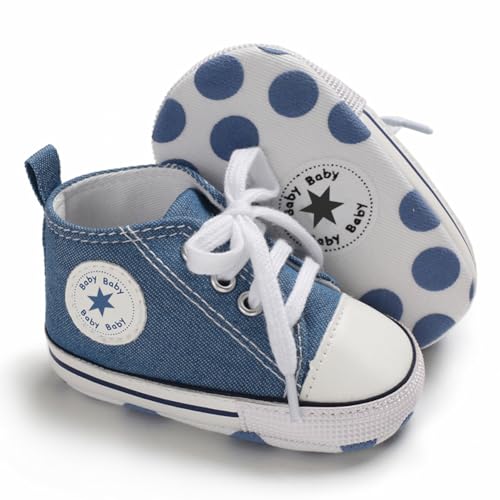
4.KKIIDDSS DA00 Canvas High-Top Shoes
Soft, flexible anti-slip soles help make first steps feel natural

5.HONGTEYA Mary Jane Flats with Non-Slip Sole
Flexible, non-slip rubber soles help babies walk with better balance

6.YALION Leather Baby Moccasins with Soft Sole
Flexible suede soles let feet move, breathe, and grow freely

7.Robeez Little Peanut Soft Sole Crib Shoes
Soft suede soles flex with each step, helping little feet grip
1. Mejale Leather Moccasins with Suede Sole
Mejale moccasins give babies learning to crawl, walk or run a soft-soled shoe for indoor use and light outdoor ground. Their genuine suede leather is soft and lightweight, while the sole gives new walkers a flexible option for early steps.
The suede sole suits indoor floors and light outdoor surfaces, so babies can wear the shoes during play in more than one setting. The shoes also cover the soft tops of little feet, which can help shield them from scrapes on playground surfaces.
An elastic band helps hold each shoe on the foot and makes it easier for caregivers to put them on and take them off. That practical fit is useful during quick changes, though buyers should check the size chart before choosing a pair.
The brown shoes come in a 12-to-18-month toddler size, listed for a 5.5-inch foot. They suit newborns, babies, infants and toddlers, but the stated size means parents should match the fit to their child rather than rely on age alone.
Care needs a little attention: wipe the suede with a damp cloth instead of putting the shoes in a washing machine. These moccasins suit families looking for lightweight soft soles for early movement, especially for indoor wear and brief time on light outdoor ground.
- Genuine suede keeps the shoes soft and light
- Suede soles suit indoor and light outdoor use
- Elastic band helps shoes stay on little feet
- Covers feet during crawling and early steps
- Damp-cloth cleaning rules out machine washing
2. iEvolve X1099M-CA Baby Sandal Shoes
For babies who need more foot protection than socks provide, these iEvolve soft-sole sandals offer a lightweight option for early steps. The light pink pair has a soft leather upper, which the product information describes as breathable and very soft.
That flexibility and light weight suit little ones who are beginning to move around in shoes. The soft sole provides a layer between a baby’s feet and the floor while keeping the shoes suitable for prewalking and first-walking stages.
The listed size is for babies aged 6 to 12 months, but the brand offers other ranges from 0–6 months through 18–24 months. Since babies’ feet vary, measuring the sole length before ordering is more useful than relying on age alone.
These shoes may work for outings or indoor wear when socks do not provide enough coverage. Their sandal style also leaves the foot less enclosed than a full shoe, while the soft leather is intended to feel comfortable against a baby’s feet.
The listing also presents them as a gift option for baby showers, birthdays, Christmas or an everyday surprise. The data does not give a sole-length measurement for the 6–12-month size, so buyers should check sizing carefully before choosing.
For families seeking lightweight soft-sole footwear for a baby in the listed age range, this light pink pair is worth considering, especially when a measured fit matters more than choosing by age.
- Soft, breathable leather feels gentle on feet
- Lightweight shoes add coverage beyond socks
- Multiple size ranges cover newborns to toddlers
- Sandal style suits early walking stages
- No major cons
3. Aijoviko Soft Sole Baby Shoes, Non-Slip
12–18 months is the listed size for these soft sole baby shoes, made for infants and toddlers from crawling to early steps. The genuine cowhide leather is breathable and flexible, giving little feet a soft covering for indoor and outdoor wear.
Suede soles provide grip on hardwood, tile and outdoor floors. Their flexible construction lets feet move naturally, which can suit babies learning to walk as well as those still crawling.
An elastic ankle opening makes the shoes easier to put on and take off, while helping them stay on during play. The handmade design also has a roomy toe box, so small toes have space to move without being squeezed.
The lightweight build avoids adding much bulk to growing feet, and the breathable leather can help keep them comfortable during everyday wear. The maker says the shoes meet US safety standards, though the listing does not give details about those standards.
This light pink pair suits parents looking for soft, flexible shoes for a baby in the 12–18-month size range, especially for crawling and first steps. Check the size chart against the baby’s foot length to help choose a comfortable fit.
- Genuine leather is soft, breathable, and gentle on skin
- Suede soles provide traction on indoor and outdoor floors
- Flexible soles support natural foot movement for early walkers
- Stretchy ankle opening makes shoes easy to put on and keep on
- Spacious toe box lets growing toes move freely
- No major cons
4. KKIIDDSS DA00 Canvas High-Top Shoes
Newborns and young babies who are starting to walk get a soft-soled canvas shoe with a flexible, anti-slip bottom. The KKIIDDSS high-tops come in Little Blue and fit infants aged 0–6 months, so they suit early crawling and indoor walking.
The soft sole bends as little feet move and gives babies a shoe for practicing their first steps. Its anti-slip design adds traction, while the lightweight construction helps keep the shoes comfortable during play.
A breathable canvas upper lets air reach the feet, and the seller says the material does not irritate baby skin. The high-top ankle shape gives these sneakers a classic look that pairs with different outfits.
Lace-up fastening lets caregivers put the shoes on and take them off, then tie them to help keep them on little feet. The flexible fit also suits crawling and indoor play, not just early walking.
These shoes are safety tested, according to the listing. Their 0–6-month size range makes them a choice for newborns and young infants, rather than a shoe for older toddlers.
The Little Blue canvas high-tops suit caregivers looking for lightweight, breathable shoes with soft soles for an infant’s early movement. Their lace-up closure and casual style also make them suitable as a baby shower or birthday gift.
- Soft, flexible soles support early walking practice
- Breathable canvas upper helps feet stay comfortable
- Anti-slip bottoms add traction for first steps
- Lace-up closure helps keep shoes on baby feet
- No major cons
5. HONGTEYA Mary Jane Flats with Non-Slip Sole
For a baby’s first steps or a special occasion, HONGTEYA’s Mary Jane flats pair a soft rubber sole with a hook-and-loop closure. The sole bends while giving little walkers a non-slip surface underfoot.
The upper uses PU leather, which the listing describes as breathable and resistant to losing its shape. It also says the inside has no friction, helping reduce rubbing against a baby’s skin.
You can adjust the hook-and-loop fastening to fit and open it to put the shoes on or take them off. That makes changes easier when getting a baby ready for an outing.
The classic Mary Jane look pairs with skirts and dresses for weddings, travel, photos, Christmas celebrations and other parties. The shoes also suit flower-girl outfits and can work as a baby-shower or birthday gift.
The listed size is for babies from 0 to 6 months, while the title describes the shoes for ages up to 24 months. Age guidance is only a reference, so measure your baby’s feet and use the size chart before ordering.
These shoes suit families looking for soft-soled flats for early walking, dress-up events or photos. They are most useful when the selected size matches the baby’s measured foot length.
- Flexible rubber sole adds grip for early steps
- Soft PU leather is gentle on baby's skin
- Hook-and-loop closure makes shoes easy to adjust
- Mary Jane style pairs well with dresses and outfits
- No major cons
6. YALION Leather Baby Moccasins with Soft Sole
The suede sole gives these YALION moccasins a soft, flexible base for babies who crawl and take their first steps. Its non-slip surface adds traction as little ones move from the floor to early walking.
Genuine leather makes up the shoe, and an elastic opening helps you slip it onto a baby’s foot. The elastic also helps keep the shoe in place during crawling or walking, without a rigid closure to manage.
The flexible sole protects little feet while still letting them move naturally. The shoes are designed to let feet breathe and grow without feeling constricted, which suits infants who are learning to stand and move around.
This white pair comes in a 6-to-12-month infant size, though the maker recommends choosing by sole length rather than age. Baby feet grow quickly, so it suggests leaving a little extra room instead of selecting an exact fit.
Care takes a damp cloth; the shoes should not go in a washing machine or sit in direct sun. Their soft sole and slip-on design suit families looking for lightweight footwear for crawling, early steps and everyday wear, as long as they check the sole length before choosing a size.
- Genuine leather upper with easy elastic slip-on fit
- Flexible suede sole supports natural foot movement
- Non-slip sole adds traction for crawling and steps
- Breathable design leaves room for growing feet
- Requires damp-cloth cleaning, not machine washing
- Sizing depends on sole length, not age
7. Robeez Little Peanut Soft Sole Crib Shoes
Robeez makes soft-soled shoes for babies who are starting to stand or walk. These pink Little Peanut moccasins have a flexible suede sole that bends with each step, letting little feet move through their full range of motion.
The soft suede also gives early walkers a surface to grip, while its non-slip design helps reduce slipping. The American Podiatric Medical Association has approved the shoes, a useful point for parents considering footwear for developing feet.
An elasticized ankle helps the shoes stay on as babies kick and move, while also making them easier to put on and take off. Roomy sizing leaves extra space for growing feet and different foot shapes, so the 6-to-12-month size can suit infants, pre-walkers and toddlers.
Inside, the naturally breathable lining helps keep feet dry and cool. The shoes weigh about 0.05 pounds, so they add very little weight to a baby’s feet during early steps and everyday wear.
Care takes a damp cloth and mild detergent for spot cleaning. The pink pair suits parents looking for flexible first shoes with a grippy suede sole, and it can also work as a baby shower, holiday or birthday gift.
- Flexible suede soles allow full foot movement
- Non-slip suede helps early walkers grip
- Elastic ankle helps shoes stay on and go on
- Roomy fit leaves space for growing feet
- APMA approval supports healthy foot development
- Spot cleaning may take extra care
How to Choose the Best Soft Sole Baby Shoes
Choosing soft sole baby shoes involves more than picking a cute style: fit, grip, flexibility, materials and intended use all affect comfort and safety. Your child’s foot shape, movement stage, care needs and budget should guide the choice.
| If You Need | Look For | Expect |
|---|---|---|
| Crawling indoors | Flexible, lightweight soles | Less protection outdoors |
| Early walking | Grippy soles, roomy toes | More traction, not rigid support |
| Warm-weather wear | Breathable, open uppers | Less coverage from dirt |
| Easy dressing | Elastic or hook-and-loop closures | Fit may vary by foot shape |
| Frequent cleaning | Wipeable materials | Less natural breathability |
| Special occasions | Dressy, secure styles | Less suited to daily play |
Fit and Foot Growth
A shoe that pinches or slips can distract your baby and affect natural movement, so measure both feet before choosing a size. Use the longer foot’s length and compare it with the seller’s sizing chart.
Age labels provide only a rough guide, since babies the same age often have different foot lengths. Measure from heel to longest toe while your baby is standing, if possible, and remeasure as feet grow.
Allow a little room at the toes without letting the heel slide out. Around a thumb’s width is a common starting point, but follow the maker’s guidance and check that the shoe stays secure during movement.
Look for a roomy toe box that lets toes spread, especially for babies beginning to stand. A narrow front or tight elastic edge can press on growing feet, even when the stated length seems right.
Stage and Intended Use
Soft soles suit crawling, cruising and early walking because they allow the foot to bend and feel the ground. They are not a substitute for sturdy outdoor footwear on rough, wet or cold surfaces.
For indoor practice, flexible soles help babies move naturally across clean, familiar floors. If your child walks outside, consider where the shoes will be worn and whether the sole protects against sharp grit and uneven ground.
Some styles are designed mainly as crib shoes or indoor slippers, while others are described for light outdoor use. Treat those descriptions as guidance, not a promise of protection on every surface.
Grip and Sole Material
A sole’s grip affects how securely a new walker moves across smooth floors, but no soft sole prevents every slip. Look for a clearly described textured or suede surface and match it to the floors your child uses.
Suede soles feel soft and bend easily, which suits indoor wear, but they can wear down or lose grip on rough pavement. Rubber offers more resistance to abrasion, though it may feel less like a bare foot.
Sole thickness also changes how much ground a baby feels. Thin soles offer flexibility indoors, while a thicker layer adds some protection outside but can reduce flexibility and increase bulk.
No sole type works equally well on every surface, so avoid relying on “non-slip” wording alone. Keep floors dry and clear, and supervise first steps, especially on tile, polished wood or other slick areas.
Flexibility and Weight
A soft sole should bend easily under gentle pressure, particularly near the ball of the foot, where toes flex during walking. Stiff soles can restrict movement, while very loose shoes may twist or come off.
Lightweight shoes place less extra weight on small feet, which helps during crawling and early steps. Check that decorations, thick soles or high-top shapes do not make the shoe feel bulky for your child’s stage.
A soft upper can move with the foot, but it should still hold its shape around the heel. Choose a construction that stays on without squeezing, since both slipping and tightness make everyday wear less comfortable.
Closure and Secure Fit
Elastic openings make shoes quick to put on and take off, but the opening should not leave deep marks or feel tight around the ankle. A snug fit helps prevent shoes from slipping during crawling.
Hook-and-loop straps allow small fit adjustments, which helps when one foot is wider than the other. They also need to close securely without pressing the top of the foot or catching on clothing.
Laces offer another way to adjust fit, but they take longer to fasten and must stay tied. For babies who pull at their shoes, prioritize a closure that remains secure during supervised movement.
Materials and Breathability
Leather and suede often feel soft and flexible, while canvas can allow airflow in warm conditions. Choose material based on climate, sensitivity and use, rather than assuming one option suits every baby.
Breathable linings and open designs help reduce heat around the feet, especially in warm weather. Sandal styles provide more airflow but leave toes less covered from dirt, bumps and cool air.
Synthetic leather may be easier to wipe clean, though some versions feel less breathable than natural materials. If your child has sensitive skin, look for smooth seams and avoid rough edges that could rub.
Care and Cleaning
Cleaning needs vary by material, so read the care instructions before buying. Some uppers tolerate a damp cloth, while suede usually needs gentler spot cleaning and may be damaged by soaking.
For frequent messes, a wipeable surface can save time, but it does not remove the need to dry shoes fully. Moisture trapped inside can lead to odor and discomfort, so allow shoes to air out.
A light-colored pair shows dirt more quickly than a darker one, which may mean more frequent cleaning. Choose a shade and care routine that suit your household’s use, not only the outfit.
Construction and Safety
Look over the seams, edges and attached decorations before use, since loose parts can create choking hazards. Avoid shoes with pieces that detach easily, and stop using them if stitching or trim begins to come loose.
Safety descriptions are useful, but they do not replace checking the shoe’s fit and condition. Make sure closures hold, the sole remains attached and the shoe does not have hard parts pressing against the foot.
For babies who are not walking yet, shoes are often optional indoors unless needed for warmth or protection. Socks or bare feet may suit a safe home environment, while shoes should fit the activity and surroundings.
Price and Value
Lower-priced shoes may cover basic indoor use, while higher prices sometimes reflect different materials, closures or construction. Compare fit, sole and care needs first, since a higher price alone does not guarantee better comfort.
Paying more may be worthwhile if a pair fits well, suits frequent use and is easy to maintain. Babies outgrow shoes quickly, so avoid spending extra for features your child will rarely need.
Warranty and Returns
A clear return policy helps if the stated size does not match your baby’s foot or the shoe arrives with a defect. Check return deadlines and whether worn items qualify before ordering.
Warranty coverage is less important than a reliable fit and safe construction, but it can help with manufacturing faults. Keep packaging and purchase details until you have confirmed the shoes fit and stay secure.
Frequently Asked Questions
Do these soft sole baby shoes need batteries or another power source?
No. The Mejale, iEvolve, Aijoviko, KKIIDDSS, HONGTEYA, YALION, and Robeez shoes are all non-powered footwear.
What materials are used in these shoes?
The Mejale and YALION moccasins feature leather with suede soles, while the iEvolve sandals use leather. The KKIIDDSS shoes are canvas, and the Aijoviko, HONGTEYA, and Robeez styles highlight suede or rubber soles.
What comes in the box with each pair?
The product details describe each as a pair of baby shoes but do not specify extra items or accessories. Check the individual listing for the exact package contents.
Should I choose the Mejale Leather Moccasins or the YALION Leather Baby Moccasins?
Both are leather moccasins with flexible suede soles. The Mejale description emphasizes a durable sole and natural-feeling steps, while YALION highlights freedom of movement, breathability, and growing feet.
Which shoes are intended to help with grip on indoor floors?
The Aijoviko shoes have non-slip suede soles, and the HONGTEYA Mary Janes have flexible non-slip rubber soles. Robeez Little Peanut shoes also have soft suede soles designed to flex and help little feet grip.
How can I help a baby take natural-feeling first steps?
Consider flexible soles that allow foot movement, such as those on the KKIIDDSS high-tops, YALION moccasins, or Robeez crib shoes. For traction as a baby learns to walk, the Aijoviko shoes specifically feature non-slip suede soles.
So, What Should You Buy?
For most families, the Mejale Leather Moccasins are the best pick, pairing genuine suede leather with a durable sole for natural-feeling steps. For a lightweight, breathable option, choose the iEvolve sandals; for extra floor traction as little ones learn to walk, consider Aijoviko’s non-slip suede soles.
The KKIIDDSS high-tops offer flexible canvas coverage, while HONGTEYA’s Mary Janes add non-slip rubber soles. Choose YALION for flexible, breathable moccasins, or Robeez for suede soles that flex and grip. Pick the pair that best fits your baby’s needs.


