

7 Best Soft Toe Work Shoes That Keep Your Feet Comfortable All Day
Soft toe work shoes bring comfort and flexibility to long shifts on your feet. Regular sneakers may feel familiar, but their casual soles and uppers often lack the grip, support, and durable construction that busy workdays call for.
For those demands, soft toe work shoes offer a practical middle ground without a protective toe cap. Their cushioned midsoles help ease the feel of hard floors, while supportive designs steady each step and durable uppers handle daily wear.
Many pairs add slip-resistant outsoles for better footing, breathable materials to help keep feet cooler, and removable insoles to suit your comfort needs. Lightweight builds also make walking, standing, and moving between tasks feel less tiring.
Fit, cushioning, grip, and materials vary across styles, so consider your workplace and the hours you spend on your feet. Explore the best soft toe work shoes below to find a pair that suits your workday.
7 Best Soft Toe Work Shoes Reviews
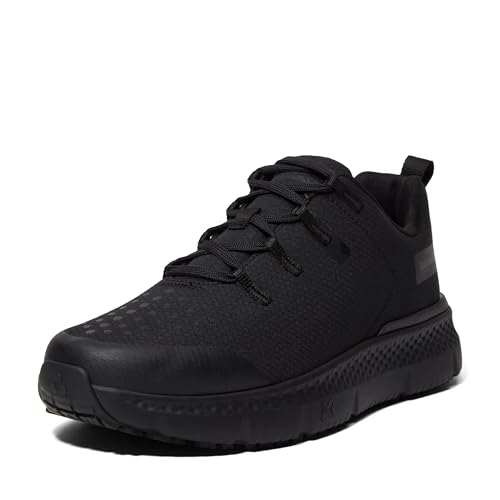
1.Timberland PRO Power Shift Work Shoe
Grip-Max outsole wiper clears a path to improve slip resistance

2.KEEN Utility Flint 2 Leather Work Shoes
KEEN.ReGEN midsole returns 50% more energy than standard EVA foam

3.CAT P74128 Threshold Waterproof Work Boot
Waterproof membrane helps keep feet dry on tough projects and sites

4.KEEN Utility Kenton Low Work Sneakers
Lightweight KEEN.ReGen midsole provides stability and shock absorption

5.Jacata 10515 Chelsea Slip-On Work Boots
Winter work boot design offers a slip-on style for everyday work wear
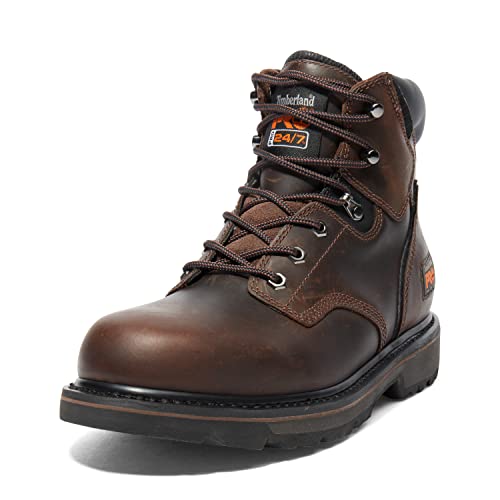
6.Timberland PRO Pit Boss 6 Inch Work Boot
24/7 Comfort System cushions each step and helps reduce foot fatigue
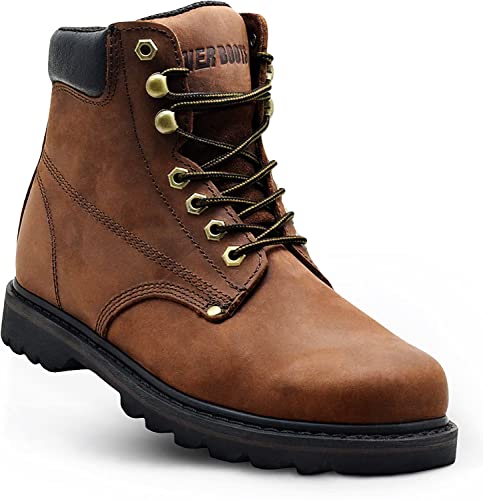
7.EVER BOOTS Tank Oil Full Grain Work Boots
Oil full-grain leather upper and padded collar provide comfort for
1. Timberland PRO Power Shift Work Shoe
Timberland PRO Power Shift shoes keep hospitality workers moving with a soft toe and a Grip-Max outsole. The outsole’s wiper design clears a path so its main lug can contact a cleaner surface, helping the shoe resist slips on work floors.
A heat-resistant rubber outsole also resists oil and abrasion. That mix suits jobs where shoes meet spills, warm surfaces or rough flooring, while the slip-resistant tread helps with everyday movement around a busy workplace.
The black ripstop nylon upper has a Scotchgard Protector treatment from 3M. It repels spills and helps block stains while keeping the material breathable, useful for shifts that bring changing conditions.
Timberland PRO FLEX uses flex grooves beneath the foot and stretchable fabric above it. Those details let the shoe bend with your steps, which can help during long periods of walking and standing.
Inside, the Timberland PRO 24/7 Comfort System supports the arch and cushions each step. The maker says its suspension system helps reduce foot fatigue, so it is aimed at people who spend much of the day on their feet.
This black shoe comes in size 9.5 Wide. It suits hospitality workers who want a soft-toe work shoe with slip resistance, flexible movement and cushioning for long shifts.
- Grip-Max tread helps resist slips on floors
- Heat-resistant rubber also resists oil and abrasion
- Scotchgard treatment repels spills and blocks stains
- Flex grooves support movement through each step
- Arch support and cushioning help reduce foot fatigue
- No major cons
2. KEEN Utility Flint 2 Leather Work Shoes
For jobs that need soft-toe footwear, the KEEN Utility Flint 2 pairs protection from minor impacts with traction for varied work surfaces. Its toe caps meet or exceed ASTM F2892 EH standards, though they do not include a separate crush-resistant layer.
The rubber outsole resists oil and slipping, leaves no marks, and uses siping to improve grip. It meets or exceeds ASTM F1677-96 and F2913 SATRA standards, making it suited to work areas where traction matters.
Underfoot, KEEN.ReGEN technology uses a lightweight, compression-resistant midsole that provides 50% more energy return than standard EVA foam. A removable PU insole adds another layer of underfoot support.
These shoes also carry an electrical hazard rating. That gives a secondary source of protection if the wearer accidentally contacts a live electrical circuit.
Reflective webbing near the heel helps improve visibility, while the leather upper is designed to reduce marks or scratches on sensitive surfaces. The Cascade Brown/Golden Rod shoes weigh about 3 pounds and come in size 10.5.
The Flint 2 suits workers who want soft-toe protection, oil- and slip-resistant traction, and electrical hazard rating, but do not need reinforced crush protection.
- Oil- and slip-resistant outsole improves grip
- 50% more energy return than standard EVA foam
- EH-rated footwear adds secondary circuit protection
- Non-marking outsole helps protect work surfaces
- Soft toe lacks secondary crush resistance
3. CAT P74128 Threshold Waterproof Work Boot
1.3 pounds is the listed weight of this brown soft toe work boot, which may suit buyers who want a lighter option for job-site tasks. Its waterproof membrane helps keep water out, while the breathable leather upper allows airflow around the foot.
The soft toe avoids the added toe protection of a safety-toe boot, making this a choice for work settings where that protection is not required. CAT describes the Threshold as an all-around boot for demanding projects and job sites.
A slip-resistant outsole is another useful feature for work, where footing can matter across different surfaces. The product details do not specify a slip-resistance rating, so buyers who need a particular standard should check that requirement before choosing it.
The Real Brown color gives the boot a straightforward workwear look, and the listed size is 10.5. Since fit can vary between boots, shoppers should consider their usual work-boot sizing when deciding whether this size is right for them.
The leather upper, waterproof membrane and slip-resistant outsole cover practical needs for routine work wear. However, the listing does not provide details such as insulation or a specific safety certification, so the boot may not suit jobs that require those features.
This CAT soft toe boot suits workers who want water protection, breathable leather and slip-resistant footing in a relatively light work boot, provided their job does not call for a safety toe or a stated certification.
- Waterproof membrane helps keep water out
- Breathable leather upper allows airflow
- Slip-resistant outsole supports secure footing
- Listed weight is about 1.3 pounds
- Soft toe lacks safety-toe protection
4. KEEN Utility Kenton Low Work Sneakers
Workers who want a low-cut soft toe shoe get leather uppers and a lightweight, compression-resistant midsole in the KEEN Utility Kenton. Its soft toe caps help guard against minor impacts, making it a practical option for jobs that do not require reinforced crush protection.
The left and right KEEN.PROTECT caps follow the shape of each foot. They meet or exceed ASTM F3445-24 and ASTM F2413-18 M I/75 C/75 MT/75 EH standards, so buyers can check the stated safety ratings against their workplace needs.
A KEEN.ReGen midsole provides stability and absorbs shock while resisting compression. That lightweight cushioning can help during long periods on your feet, while the low-height sneaker style offers a less boot-like profile.
The leather upper pairs with a polyester lining and a rubber insole. The black-on-black color keeps the look understated, and the listed size is 10.5 D.
At about 0.95 pounds, these shoes are relatively light to carry and wear. This pair suits workers who need soft toe protection and a low-cut work shoe, but anyone whose job calls for a reinforced toe should choose a different type.
- Lightweight, compression-resistant midsole aids comfort
- Soft toe caps help guard against minor impacts
- Meets stated ASTM footwear safety standards
- Leather upper with polyester lining and rubber insole
- Soft toe lacks secondary crush resistance
5. Jacata 10515 Chelsea Slip-On Work Boots
On construction sites and in winter work settings, Jacata’s brown Chelsea-style soft toe boots offer a slip-on option for everyday tasks. Their work-boot style and size 10 fit make them a straightforward choice for buyers seeking shoes without a safety toe.
The soft toe keeps the design focused on general work rather than toe protection from heavy impacts. That distinction matters for jobs where a soft toe is suitable, but buyers who need protective toe caps should choose another type of boot.
Chelsea-style slip-on construction avoids laces, so you can put the boots on and take them off without tying or untying them. The title also identifies them as industrial and construction shoes, though it gives no specific details about their sole or other work features.
Jacata describes these as winter work boots, making cold-season use their stated role. The listing does not provide insulation or waterproofing details, so shoppers who need either feature should check those specifics before buying.
This pair comes in brown and is listed in men’s size 10 with a medium fit. At about 2.4 pounds, the pair’s listed weight gives buyers a useful reference when comparing work shoes for daily wear.
The simple slip-on format may suit people who prefer a Chelsea boot for general work, while the soft toe keeps it away from jobs requiring toe protection. It suits buyers who want brown winter work shoes in size 10 and do not need a safety toe.
- Slip-on Chelsea style avoids tying laces
- Soft toe suits jobs without toe-cap needs
- Winter work boot design for cold-season use
- Brown color offers a simple workwear look
- No major cons
6. Timberland PRO Pit Boss 6 Inch Work Boot
Electrical hazard protection helps make the Timberland PRO Pit Boss a soft-toe option for jobs around energized equipment. It provides secondary underfoot protection and meets ASTM F2412-18a, ASTM F2413-18 and ASTM F2892-18 standards.
For long shifts, the 24/7 Comfort System supports the arch, cushions each step and helps reduce foot fatigue. OrthoLite foam insoles add cushioning and move moisture away from the foot, while their breathable foam is designed to retain its cushioning over time.
The rubber outsole resists heat, slipping, oil and abrasion, useful on work surfaces where those conditions come up. Its brown, six-inch soft-toe build suits industrial work where a soft toe is preferred over a safety toe.
At size 10, the pair weighs about 3.9 pounds. That weight is worth considering if you want a lighter boot, though the comfort features address support and cushioning during extended wear.
The ReBOTL material contains at least 50% recycled PET, excluding trace materials. This boot suits workers seeking soft-toe footwear with cushioning, moisture transport and electrical hazard protection for applicable worksites.
- Electrical hazard protection meets ASTM standards
- Arch support and cushioning help limit fatigue
- Heat- and slip-resistant rubber outsole
- About 3.9 pounds per pair may feel heavy
7. EVER BOOTS Tank Oil Full Grain Work Boots
EVER BOOTS makes the Tank for work that involves construction, contracting, landscaping and other manual tasks. Its soft toe gives you a work boot without a protective toe cap, while the oil full-grain leather upper provides the main exterior material.
The rubber sole forms the boot’s base for walking across work areas. A removable cushioned insole lets you take it out, while the padded collar adds cushioning around the ankle during a workday.
Laces secure the boot, so you can adjust the fit around your foot. The men’s size 9.5 version comes in medium width, marked D, and the listing says it fits true to size.
The dark brown color keeps its appearance suited to work settings, and the upper uses oil full-grain leather. At about 4 pounds for the pair, these boots have a noticeable amount of weight for buyers who spend long shifts on their feet.
The 9.5 D(M) size is one option in the men’s size range, so check the size and width before ordering. The removable insole also gives you the option to take it out for cleaning or replacement.
These soft-toe boots suit men seeking leather footwear for construction, contracting, landscaping or manual labor. They are a practical choice for buyers who want a lace-up work boot with a rubber sole and cushioned insole, rather than a protective toe.
- Oil full-grain leather upper for work use
- Removable cushioned insole for flexible comfort
- Padded collar cushions the ankle during work
- True-to-size fit helps with size selection
- Soft toe offers no protective toe cap
How to Choose the Best Soft Toe Work Shoes
Soft toe work shoes suit jobs that do not require a protective toe cap, but the right pair still needs to match your hazards, hours, and footing. Fit, traction, weather protection, and workplace rules all shape a sensible choice.
| If You Need | Look For | Expect |
|---|---|---|
| Wet-floor grip | Slip-resistant outsole, tested rating | Firmer tread, sometimes heavier shoes |
| Long shifts | Cushioned insole, arch support | More cushioning, possible added bulk |
| Wet-weather coverage | Waterproof membrane, sealed construction | Less airflow, slower drying |
| Hot, active work | Breathable upper, lighter build | Less water protection, possibly less structure |
| Electrical hazard protection | EH rating for your workplace | A rating with specific limits, not full protection |
| Easy on and off | Slip-on design, secure heel fit | Faster changes, less lace adjustment |
Workplace Hazards and Ratings
Start with your workplace rules, because “soft toe” means there is no protective toe cap. It does not mean every shoe is suitable for every hazard, and an employer may require specific safety footwear ratings.
Look for the exact standard and rating listed for the shoe, then compare it with your job’s requirements. Ratings for electrical hazards, impact, compression, or metatarsal protection address different risks; one does not replace another.
Electrical hazard footwear provides secondary protection under specified conditions, not a guarantee against every shock. If you work around live electricity, follow your employer’s safety procedures and confirm that the footwear rating is accepted for your tasks.
Fit and Sizing
A secure fit helps reduce rubbing, foot fatigue, and slips inside the shoe during long shifts. Try shoes on with your usual work socks, preferably later in the day, when feet are often slightly larger.
Leave roughly a thumb’s width in front of your longest toe, and make sure the heel does not lift repeatedly while walking. Your toes should spread comfortably without pressure at the sides or top.
Width matters as much as length, especially when feet swell or you stand for hours. Choose a listed wide option if standard shoes pinch, and avoid sizing up so far that your heel moves.
Traction and Outsole
A slip-resistant label is useful, but the outsole’s tested rating and the surfaces you cross give a clearer picture. Kitchens, workshops, and outdoor sites may involve water, oil, grease, dust, or uneven ground.
Look for a tread suited to your floor conditions, plus resistance to oil or abrasion when those hazards are present. Deeper or more open tread can help shed debris, but it may collect mud or feel less smooth indoors.
Even a rated outsole wears down, so inspect tread depth and replace shoes when the pattern becomes smooth or damaged. Traction also depends on cleaning; grease and fine debris can reduce grip between the sole and floor.
Comfort and Support
Cushioning and arch support help spread pressure during long periods of standing or walking. Look for a removable insole if you use orthotics, and consider whether the midsole offers support without feeling too firm.
Some midsoles return more energy with each step, while others focus on stable, lasting cushioning. Your comfort depends on your foot shape and work pace, so a claimed feature is less useful than a secure, comfortable fit.
A padded collar and flexible sole can reduce rubbing and ease movement, but excessive softness may feel unstable on uneven ground. If you carry loads or work on concrete, prioritize stable support as well as cushioning.
Water Protection and Breathability
Waterproof membranes help keep rain and puddles out, which suits outdoor shifts and wet work areas. However, waterproof construction usually traps more heat than a ventilated upper, so it may feel clammy during fast-paced indoor work.
For dry, warm environments, breathable materials can help heat and sweat escape. They offer less protection from standing water, so choose them only when your job does not routinely expose your feet to wet conditions.
Also consider how quickly shoes dry after a spill or wash. A waterproof shoe can stay comfortable in rain but take longer to dry inside, while a breathable upper may dry sooner but let water in.
Weight and Height
Lighter shoes reduce the effort of repeated steps, especially when you cover long distances during a shift. Compare the listed weight where available, but remember that size, materials, and construction affect the figure.
Low shoes allow more ankle movement and often feel less bulky indoors, while higher boots cover more of the ankle and can feel more supportive. Neither height guarantees ankle protection, so consider terrain and workplace rules.
A heavy boot may suit rough sites or demanding conditions, but extra weight can become tiring over many hours. If your work is mostly on level floors, prioritize a lighter build that still meets the needed safety requirements.
Upper, Closure, and Flexibility
Leather often offers a structured feel, while nylon or other fabric uppers may feel lighter and more flexible. Consider your work setting, since exposed materials face different wear from scuffs, moisture, and repeated bending.
Lace-up shoes let you adjust tension across the foot, while slip-on styles save time when changing footwear. A slip-on still needs a secure heel and stable fit; quick entry is not worth a shoe that shifts while you walk.
Flex grooves and stretch panels help a shoe bend with your step, but too much flexibility may feel unsupportive on uneven surfaces. Choose a sole that bends naturally near the ball of your foot without twisting easily through the middle.
Durability and Care
Work shoes take repeated stress from walking, kneeling, moisture, and contact with equipment, so construction affects how long they remain useful. Look for sturdy seams, an outsole bonded securely to the upper, and materials suited to your conditions.
Oil- or abrasion-resistant materials help in demanding environments, but no shoe is immune to damage. Clean off chemicals, mud, and grease according to care instructions, and let footwear dry fully between shifts.
A replaceable insole can extend comfort when the original cushioning wears down, but it does not fix a split upper or worn tread. Check the whole shoe regularly, especially the sole, seams, and heel.
Price and Value
Lower-priced footwear may cover basic comfort and everyday work, while higher prices often reflect specialized ratings, waterproofing, more durable materials, or added support. Those features are worth paying for only when they address your actual job needs.
Compare the cost with expected use, not just the initial price. For daily, long shifts, a more durable shoe with replaceable insoles may offer better value than a cheaper pair that wears out quickly.
Before buying, confirm the return policy and warranty terms, since fit problems often become clear only after walking. A warranty can cover certain defects, but ordinary wear, misuse, and outsole wear are commonly excluded.
Frequently Asked Questions
Do these soft toe work shoes need batteries or another power source?
No. The Timberland PRO, KEEN Utility, CAT, Jacata, and EVER BOOTS options are footwear and don’t require a power source.
What materials and comfort features should I compare?
The KEEN Utility Flint 2 has a KEEN.ReGEN midsole, while the Kenton Low features a lightweight KEEN.ReGen midsole for stability and shock absorption. The EVER BOOTS Tank has an oil full-grain leather upper and padded collar.
What comes in the box with these work shoes?
The product details describe the footwear features but don’t specify box contents. Check the retailer’s listing for details such as included accessories or packaging.
Should I choose the KEEN Utility Flint 2 or the KEEN Utility Kenton Low?
Choose the Flint 2 if its midsole’s stated energy return is your priority; choose the Kenton Low if you prefer a lightweight midsole designed for stability and shock absorption.
Which option may suit wet work sites?
The CAT P74128 Threshold is described with a waterproof membrane to help keep feet dry. The Timberland PRO Power Shift is noted for its Grip-Max outsole wiper, which helps improve slip resistance.
Which shoes are designed with comfort for long workdays?
The Timberland PRO Pit Boss has a 24/7 Comfort System that cushions each step and helps reduce foot fatigue. The EVER BOOTS Tank also has a padded collar for comfort.
Are there options for workers who want slip-on footwear?
The Jacata 10515 Chelsea is a winter work boot with a slip-on style for everyday work wear.
So, What Should You Buy?
For most people, the KEEN Utility Flint 2 is a strong pick, pairing energy-returning KEEN.ReGEN cushioning with a leather work-shoe design. Choose the Timberland PRO Power Shift if slip resistance is your priority, or the CAT Threshold for waterproof protection on wet sites.
Need a lighter feel? The KEEN Utility Kenton Low offers a lightweight midsole with stability and shock absorption. For easy slip-on wear, consider the Jacata Chelsea; for step cushioning, the Timberland PRO Pit Boss; and for oil full-grain leather, the EVER BOOTS Tank. Choose the one that best fits your workday.


