

7 Best Shoes to Wear with an Ankle Brace for a Secure, Easygoing Fit
An ankle brace can help you stay comfortable and supported through errands, work, and daily walks. Yet many regular shoes feel tight around the brace, have narrow openings, or lack enough room to get your foot in easily.
Roomy, supportive shoes offer a practical alternative to forcing a brace into a snug pair. Shoes with a wide opening and adjustable closures make it easier to put them on, while extra depth can accommodate the brace without squeezing your foot.
Many styles use cushioned insoles to soften each step, firm soles to support steady walking, and grippy outsoles for dependable traction. Lightweight materials and breathable uppers can also keep your feet more comfortable through a full day.
Shoes differ in width, depth, closure style, and support, so consider your brace and daily routine before deciding. Explore the best shoes to wear with an ankle brace below to find a comfortable choice for your needs.
7 Best Shoes to Wear with an Ankle Brace Reviews

1.JOINFREE Adjustable Wide Toe Box Shoes
Dual hook-and-loop upper opens wide for easy entry and adjusts to fit

2.OrthoComfoot Rocker Sole Orthopedic Shoes
Curved rocker sole guides rolling steps and relaxes the tight Achilles

3.Besroad Zero Drop Wide Walking Shoes
Zero-drop sole supports correct posture and comfortable balance
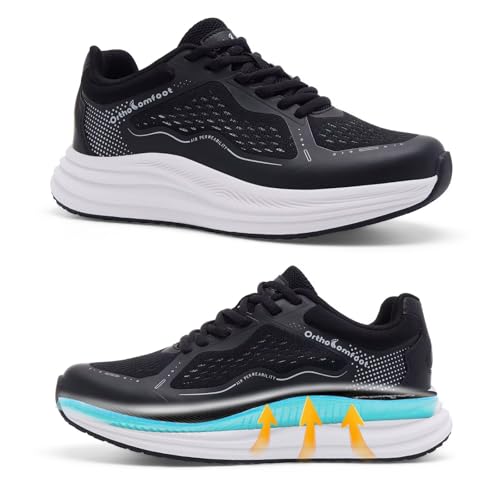
4.OrthoComfoot Arch Support Walking Shoes
Structured arch support aligns feet, reduces joint strain and adds

5.DADAWEN 10083-1239 Mesh Walking Shoes
Memory foam insole absorbs motion impact and helps reduce body strain

6.Spesoul Adjustable Zero Drop Walking Shoes
Wide toe box lets feet keep their natural shape and eases swelling

7.Scurtain Adjustable Wide Walking Shoes
Wide toe design keeps toes in their natural shape without squeezing
1. JOINFREE Adjustable Wide Toe Box Shoes
JOINFREE wide walking shoes provide adjustable room that may help accommodate an ankle brace. Their dual hook-and-loop upper opens wide for easier entry and adjusts to different foot shapes, including feet with swelling or high insteps.
The roomy toe box gives toes space to spread, which can help reduce pressure on bunions, hammertoes and swollen feet. The upper also adjusts without tight pressure, though choosing a size up may suit people who need extra room.
A zero-drop rubber sole keeps the heel and forefoot at the same level. Its flexible construction supports natural foot movement for light walks and daily activities.
The knit upper allows airflow and bends with the foot, making the shoes suitable for errands, travel and casual outings. Their use also extends to indoor and outdoor activities around the home, porch or garden.
An anti-slip tread on the rubber outsole provides traction across different surfaces. The black pair weighs about 0.9 pounds, and the listed size is 10 Wide Women/8 Wide Men.
These shoes suit people seeking a roomy, adjustable everyday option to wear with an ankle brace, especially if swelling or a high instep makes standard openings difficult. The data does not specify brace fit, so checking the opening and fit with your brace is sensible.
- Wide opening makes entry easier with a brace
- Adjustable upper accommodates swelling and high insteps
- Roomy toe box reduces pressure on toes
- Flexible non-slip sole supports daily walking
- Not designed specifically for ankle brace fit
2. OrthoComfoot Rocker Sole Orthopedic Shoes
For outdoor walks and daily work in an ankle brace, these OrthoComfoot shoes offer a wide toe box and a curved sole. The roomy front can reduce squeezing around bunions or swollen feet, while leaving space for a brace.
Their built-in orthotic insole supports the arch and is designed to ease strain linked to flat feet, high arches, overpronation and supination. That support may also help with plantar fasciitis, heel pain and foot fatigue during long walks.
The rocker sole guides the foot through a rolling step and targets tight Achilles tendons, tendonitis, metatarsalgia and instep soreness. Its curved shape may suit uneven trails, though the listing does not say how the shoes fit over an ankle brace.
A waterproof upper helps keep feet dry on rainy walks and wet trails. Deep-lug rubber outsoles provide traction on rock, dirt and damp ground, making these shoes suited to trekking as well as everyday outdoor use.
The listed size is 9 Wide in black, and the pair weighs about 1.1 pounds. The product description also mentions use for diabetic neuropathy feet, with the wide toe box intended to help limit rubbing.
These shoes suit people seeking arch support, a roomy fit and trail traction alongside daily wear. Buyers who need a confirmed brace-compatible fit should check the shoe’s fit with their specific brace before choosing a size.
- Wide toe box leaves room for swollen feet
- Rocker sole supports a rolling walking motion
- Waterproof upper helps keep feet dry outdoors
- Lugged rubber sole grips wet and rough trails
- No major cons
3. Besroad Zero Drop Wide Walking Shoes
At size 8 Wide, these Besroad walking shoes offer space for broader feet and may fit people wearing an ankle brace. Their fully opening hook-and-loop straps make it easier to put the shoes on and adjust the fit around different foot shapes.
The wide toe box gives toes room to move and stretch while walking. That extra space may also help keep an ankle brace from feeling cramped inside the shoe, though the product details do not specify brace compatibility.
A stretchy knit upper drains sweat and feels soft against the skin. It can help keep feet cooler during walks and other activity, while the flexible material accommodates a range of foot shapes.
The zero-drop sole keeps the heel and forefoot at the same height. Besroad says this design supports walking posture and balance, which may appeal to people who want a level feel underfoot.
Rubber soles with an anti-slip pattern provide grip for indoor and outdoor walking. The product is listed in khaki and size 8 Wide, so shoppers should check whether that specific size suits their feet.
The adjustable closure, roomy toe area and stretchy upper make these a possible option for brace wearers who need extra space. They may suit people seeking an easy-on walking shoe, but the listing does not give details about cushioning or brace fit.
- Fully opening straps make shoes easier to put on
- Wide toe box gives toes room to move freely
- Stretchy knit upper helps drain sweat during walks
- Zero-drop sole provides a level feel underfoot
- Rubber tread offers grip for indoor and outdoor use
- No major cons
4. OrthoComfoot Arch Support Walking Shoes
Walkers who need arch support for uneven paths get a structured insert in these OrthoComfoot shoes. The design also targets plantar fasciitis, with support intended to reduce pressure on the plantar fascia during daily walks and sports.
For an ankle brace, the mesh upper and lightweight build may help keep the shoe from feeling stuffy or adding much weight. The product title highlights ankle support, but the listed details do not explain how the shoes support an ankle brace or specify its fit.
A non-slip rubber outsole provides traction, while the midsole absorbs shock and follows natural foot movement. That combination can suit walks over different surfaces, including trail routes and casual outings.
The black, size 7.5 pair weighs about 0.6 pounds according to the listed item weight. Its engineered mesh upper helps air circulate and moves moisture away from the feet during activity.
These shoes suit people seeking arch and plantar fascia support for walking, light trail use, or everyday wear. Buyers choosing footwear specifically to fit an ankle brace should check the brace’s bulk and shoe fit, since the listing gives no brace-compatibility details.
- Structured arch support helps stabilize feet on trails
- Lightweight build reduces the burden during walks
- Breathable mesh helps keep feet cool and dry
- High-rebound midsole absorbs shock for smoother steps
- No major cons
5. DADAWEN 10083-1239 Mesh Walking Shoes
For walking at work, home or outdoors, these black DADAWEN sneakers have a stretchy knit upper and a cushioned platform sole. The listed size is US 7.5, and the slip-on style makes them a casual option to consider with an ankle brace.
The elastic woven fabric stretches around the foot and ankle, while its mesh construction lets air pass through. That may help keep feet cooler during walks or long shifts, though the product information does not say how the opening fits over a brace.
A memory foam insole cushions each step, and perforations around the arch support ventilation. The shoes also have a flexible build, which can be useful when walking or standing for extended periods.
The rubber outsole has a cushioning design and a tread intended to provide traction on indoor and outdoor surfaces. For brace wearers, the stretchy upper is the most relevant feature, but the listing gives no specific brace-fit details.
They suit everyday walking, work, travel, shopping and other casual activities. The black color and platform design keep them adaptable for routine wear, while buyers who need to fit a particular brace should check the shoe’s fit before choosing.
- Stretchy knit upper flexes for a comfortable fit
- Lightweight, breathable mesh helps keep feet dry
- Memory foam insole cushions steps during long wear
- Slip-resistant rubber outsole provides steady traction
- No major cons
6. Spesoul Adjustable Zero Drop Walking Shoes
The zero-drop sole is the main feature of these Spesoul walking shoes, while the adjustable hook-and-loop straps let you change the fit. That can help accommodate an ankle brace, though the listing does not say the shoes are brace-specific.
The wide toe box leaves room for feet to rest in their natural shape and can help when feet are swollen. The 8.5 Wide fit may suit people who need extra space around the forefoot.
A lightweight knit upper lets air circulate, which can help keep feet comfortable during indoor or outdoor walks. The shoes weigh about 0.4 pounds, based on the listed item weight.
Their rubber soles have a non-slip texture for grip on indoor and outdoor surfaces. The zero-drop design keeps the heel and forefoot at the same level, and the listing describes the shoes for walking, gym workouts, travel, and everyday activities.
This navy pair may suit shoppers looking for a roomy shoe with an adjustable closure and a light knit upper. People who need a specific amount of brace clearance should check the fit, since the product details do not give measurements for wearing it with an ankle brace.
- Wide toe box leaves room for feet and braces
- Adjustable straps help customize the fit
- Lightweight knit upper helps keep feet breathable
- Non-slip rubber soles provide grip indoors and out
- Zero-drop sole supports a natural foot position
- No major cons
7. Scurtain Adjustable Wide Walking Shoes
Scurtain offers a wide, adjustable walking shoe that may suit people who need room for an ankle brace. Its wide toe area leaves space around the toes, while the straps let you adjust the fit for different foot shapes.
The stretchy knitted upper flexes around the foot, and the title identifies this as a closed-toe shoe in women’s size 10 Wide. Its lightweight construction may help for everyday walking when a brace makes footwear feel bulky.
A zero-drop sole keeps the heel and forefoot at the same level. The rubber outsole has non-slip treads for grip on indoor and outdoor surfaces, though the listing gives no sole thickness or specific ankle-brace fit details.
The shoe is also described for people with bunions, swelling, neuropathy, arthritis, edema and plantar fasciitis. Its adjustable straps may help accommodate changes in foot volume, but buyers should check whether the opening fits their brace.
The maker lists walking, gym workouts, travel, shopping and other activities as uses. This grey pair suits shoppers seeking a wide, adjustable shoe for a brace, especially if toe room matters; the listing does not confirm compatibility with a particular brace.
- Wide toe box leaves room for toes and swelling
- Adjustable straps help customize the fit
- Lightweight knit upper offers breathable comfort
- Grippy zero-drop sole supports stable walking
- No major cons
How to Choose the Best Shoes to Wear with an Ankle Brace
Choosing shoes for an ankle brace means balancing room, stability and comfort: the brace’s size, your swelling, walking surface and daily routine all affect the fit. Measure with the brace on, and leave time to try shoes at home before longer wear.
| If You Need | Look For | Expect |
|---|---|---|
| A bulky brace | Wide opening, adjustable closure | More upper material |
| Swollen feet | Roomy toe box, flexible upper | Less snug hold |
| Secure walking | Firm heel, grippy outsole | More structure and weight |
| Easy on and off | Wide opening, hook-and-loop straps | Less precise adjustment |
| Long hours standing | Cushioned midsole, stable base | More bulk underfoot |
| Wet outdoor routes | Water-resistant upper, deep tread | Less breathability |
| A lower-cost pair | Basic materials, simple cushioning | Fewer fit refinements |
Brace Fit and Shoe Volume
Start with the brace you will wear most often, then put it on before trying shoes. The shoe needs enough internal space for the brace without squeezing your foot or forcing the brace out of position.
A low-profile ankle sleeve takes less room than a rigid brace with straps or stays, so one shoe size will not suit every setup. Bring the actual brace to a fitting, or measure your foot while wearing it.
Look for extra volume around the ankle and instep, not only a wide forefoot. A shoe that fits your toes but presses the brace’s edges can cause rubbing during ordinary walking.
Try the shoe with your usual socks, fasten it as you would for daily wear, and walk indoors for several minutes. Stop if you feel pinching, heel lift, numbness or pressure against the brace.
Opening and Closure
A wide opening makes it easier to guide a brace into the shoe without bending awkwardly. This helps most when the brace is rigid, your ankle is swollen, or bending down is difficult.
Hook-and-loop straps offer quick adjustment over changing swelling and brace bulk, while laces usually give finer control across the instep. Choose the closure that lets you secure the shoe without pressing hard on sensitive areas.
Slip-on styles save time, but a narrow opening or stretchy upper may be difficult to pull over a brace. Before buying, consider whether you can put the shoe on independently and tighten it enough to hold your foot.
Heel Hold and Stability
A secure heel helps limit sliding inside the shoe, which can otherwise increase rubbing and make each step feel less controlled. Look for a structured heel counter, the firm section around the back of the foot.
A brace supports the ankle, but it does not make every shoe stable. A broad, steady sole and a close-fitting heel are useful for everyday walking, especially on uneven paths or when you already feel unsteady.
Very soft or flexible shoes may feel easy to wear, yet they can let the foot shift more than expected. If you use a rigid brace, try a shoe with enough structure to keep your foot seated.
Toe Box and Width
A roomy toe box prevents toes from being squeezed when the brace changes your foot’s position or adds bulk. It also helps if swelling increases later in the day or your toes are sensitive.
Width labels vary between makers, so judge the fit by your foot rather than the label alone. Your toes should lie flat and spread naturally, without the upper pressing across the sides.
Extra width does not always mean extra depth. If the brace’s straps or a high instep create pressure, seek a deeper interior and an adjustable upper, not simply a longer shoe.
Sole Grip and Shape
A rubber outsole with a clear tread pattern helps maintain traction on common indoor and outdoor surfaces. Check that the tread covers the areas that contact the ground, especially the heel and forefoot.
A very smooth sole can feel slippery on wet flooring, while deep lugs may feel bulky indoors. Match the tread to your routes: modest patterns for daily floors, more defined grip for paths.
Sole shape also affects how you move. A curved rocker sole rolls the foot forward, while a flat sole keeps the foot closer to level; follow clinician advice if your brace or recovery plan calls for a particular shape.
Cushioning and Support
Cushioning can soften impact during long walks or standing shifts, but excessive softness may make the shoe feel unstable. Look for a midsole that absorbs impact while still giving you a steady base beneath the brace.
Arch support is a separate feature from ankle support. A built-in supportive insert may suit you if it matches your foot, but it should not crowd the brace or create pressure under the arch.
Removable insoles offer room to use a prescribed orthotic or adjust interior space. Confirm that removing the insole does not leave a hard or uneven surface, and avoid changing prescribed support without professional guidance.
Upper Material and Weather
Stretchy knit or mesh uppers give more easily around swelling and brace straps, and they often feel cooler indoors. Their trade-off is less protection from rain, cold and rough outdoor contact.
Water-resistant uppers help in damp conditions, but they may hold more heat than breathable mesh. Think about your usual weather and whether you need one everyday pair or separate shoes for wet routes.
Look inside for seams or edges that could rub against the brace. A smooth lining matters when the brace sits close to the shoe, while a flexible upper helps accommodate small changes in foot size.
Weight and Daily Use
A lighter shoe takes less effort to lift with each step, which may help during long workdays or recovery walks. Weight alone does not show whether the shoe offers enough support or grip.
For indoor use, easy entry and a flexible sole may matter most; outdoor walking calls for traction and protection. If you move between both, choose a balanced design rather than focusing on one setting.
Consider how long you will wear the shoes and whether you need them for work, errands or trails. A shoe that feels comfortable for a short fitting may create pressure after hours, so test it gradually.
Price and Value
Lower-priced shoes often provide basic cushioning, a simple upper and fewer adjustment options. They may suit occasional use, but confirm that the brace fits securely and the sole offers suitable grip before deciding.
Higher prices may bring more structured support, removable insoles or weather protection, but they do not guarantee a better brace fit. Pay more only for features that match your brace, walking needs and clinician’s advice.
Return Policy and Wear
Buy from a seller with a return window that allows indoor fitting, because brace fit is hard to judge from size charts alone. Keep the packaging intact until you have walked in the shoes at home.
Start with short periods and inspect your skin after wearing the shoes with the brace. Redness, blisters, numbness or lasting pressure are reasons to stop and ask a clinician about fit.
Follow your clinician’s directions on brace use and footwear, especially after an injury or surgery. If swelling changes or the shoe no longer holds the brace comfortably, seek guidance before relying on it for longer walks.
Frequently Asked Questions
Which shoes are easiest to put on over an ankle brace?
The JOINFREE Adjustable Wide Toe Box Shoes open wide with dual hook-and-loop closures, making entry and fit adjustment easier. The Scurtain Adjustable Wide Walking Shoes also offer an adjustable fit.
Which shoes have a rocker sole?
The OrthoComfoot Rocker Sole Orthopedic Shoes have a curved rocker sole designed to guide rolling steps and relax a tight Achilles.
Do any of these shoes have a zero-drop sole?
Yes. The Besroad Zero Drop Wide Walking Shoes and Spesoul Adjustable Zero Drop Walking Shoes both have zero-drop soles.
What materials are these shoes made of?
The DADAWEN 10083-1239 is described as a mesh walking shoe with a memory foam insole. The provided product details don’t specify materials for the other shoes.
What comes in the box with these shoes?
The product details don’t specify box contents, so check the retailer’s listing for what’s included.
Should I choose the Besroad or Spesoul zero-drop shoes?
Choose the Besroad if posture and comfortable balance are priorities. The Spesoul may suit you better if you want a wide toe box to preserve toe shape and ease swelling.
Which shoes offer arch support or cushioning for walking?
The OrthoComfoot Arch Support Walking Shoes have structured arch support, while the DADAWEN 10083-1239 has a memory foam insole designed to absorb motion impact.
So, What Should You Buy?
For most people, the JOINFREE Adjustable Wide Toe Box Shoes are the best pick: the dual hook-and-loop upper opens wide for easy entry and adjusts to fit an ankle brace. Choose the DADAWEN Mesh Walking Shoes for a memory foam insole, or OrthoComfoot’s rocker-sole shoes for guided rolling steps.
For a zero-drop sole, consider Besroad; for structured arch support, choose OrthoComfoot’s Arch Support Walking Shoes. Spesoul and Scurtain offer roomy toe designs, while Spesoul also features a zero-drop sole. Pick the pair that matches your brace and comfort needs.


