

7 Best Shoes to Walk in Snow and Ice for Better Grip on Winter Walks
Winter shoes help you walk the dog, commute, and run errands with warmer, steadier steps. Regular sneakers often lack deep tread and insulation, so snow can soak through and slick paths can feel difficult to cross.
For more dependable footing, snow and ice walking shoes pair grippy outsoles with uppers that help keep cold and moisture out. Their tread can bite into packed snow, while insulation and water-resistant materials help your feet stay comfortable in winter weather.
Many pairs also offer cushioned midsoles to soften long walks, ankle coverage to keep snow out, and easy-lacing designs for a secure fit. These practical details make daily trips more comfortable when sidewalks turn snowy or icy.
Shoes differ in warmth, waterproofing, grip, and fit, so consider your usual routes and winter conditions. Explore the best shoes to walk in snow and ice below to find a pair that suits your days outdoors.
7 Best Shoes to Walk in Snow and Ice Reviews

1.STABILicers M Lite Walking Traction Cleats
Full-sole coverage provides 360-degree traction for daily winter walks

2.TRIWONDER Ice Cleats with 10 Steel Studs
Steel studs bite into ice and snow to help reduce slips and falls
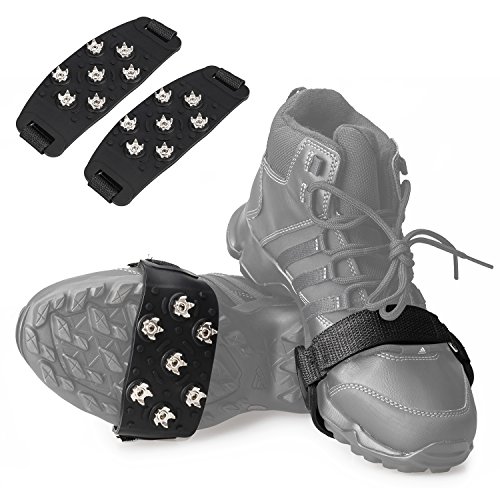
3.FANBX F 7-Point Crampon Traction Cleats
Seven forefoot spikes improve traction on varied terrain underfoot

4.Yaktrax 8523 Traction Chains
Square steel links with 90-degree edges bite into ice for traction

5.JSHANMEI Mid-Sole Ice Cleats
Seven tungsten studs per pad bite into packed snow and ice for grip

6.KTLECL Ice Cleats with 11 Steel Spikes
Eleven stainless steel spikes per foot grip ice and rugged terrain
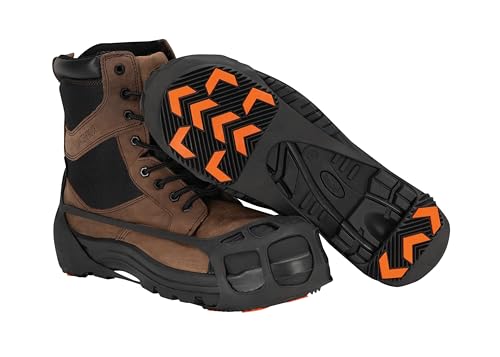
7.Due North GripPro Spikeless Shoe Pads
22 hi-viz chevrons help grip wet or icy surfaces and reduce falls
1. STABILicers M Lite Walking Traction Cleats
STABILicers cleats add underfoot traction for walks on snowy or icy ground. Their heat-treated steel plates sit in the heel and forefoot, with multiple traction directions to help grip the surface as you walk.
The stretch-to-fit thermoplastic elastomer binding holds the plates against your shoes or boots. Full-sole coverage spreads traction across the foot, which can help during everyday tasks such as walking the dog or shoveling a driveway.
The plates cover both the heel and forefoot, rather than concentrating grip in one area. That layout gives you traction through a normal step, while the flexible binding lets the pair fit over different shoes and boots.
Cold weather is part of the design: the cleats are tested to stay flexible down to minus 45 degrees Fahrenheit. They weigh about 0.7 pounds per pair, so carrying them in a pack or purse is practical when you want them available for a change in conditions.
Medium fits men’s shoe sizes 7.5 to 10 and women’s sizes 8.5 to 12. Check those ranges against your footwear before buying, since the fit depends on the cleats stretching over your shoes or boots.
The black pair is made in the USA and folds for storage between walks. These cleats suit people who need removable traction for routine winter walks and outdoor chores, rather than a replacement for their regular shoes.
- Full-sole steel plates add traction underfoot
- Tested to stay flexible to -45°F
- Folds for carrying in a pack or purse
- Fits a range of men’s and women’s sizes
- Medium size covers limited shoe-size ranges
2. TRIWONDER Ice Cleats with 10 Steel Studs
For walking across snowy paths or icy driveways, TRIWONDER ice cleats add steel studs beneath your shoes or boots. The ten studs grip icy and snowy ground, helping you keep steadier footing while walking, hiking or clearing snow.
Their stretchable TPE body fits a range of footwear, from casual sneakers to hiking boots. The cleats are designed to stay in place without damaging shoes, so you can add traction to footwear you already own.
TPE remains flexible in temperatures down to minus 40 degrees Fahrenheit. That cold-weather flexibility helps the cleats bend around your footwear when conditions are very cold, while the steel studs provide contact with slippery ground.
The pair weighs about 0.3 pounds, and its compact form folds small enough to carry in a pocket or pack. You can slip them on or off in seconds, which is useful when a route shifts between clear pavement and icy patches.
Ten replacement studs come with the cleats, giving you spares to use as studs wear or need replacement. The black, X-Large pair suits outdoor tasks and activities such as dog walking, running, ice fishing, hunting and shoveling snow.
These cleats suit people who want portable traction for existing shoes and boots during winter walks and outdoor chores. Check the X-Large size against your footwear before buying, since the listing gives no specific shoe-size range.
- Ten steel studs grip snow and icy ground
- Flexible down to minus 40 degrees Fahrenheit
- Includes ten replacement studs for continued use
- Folds small to carry in a pocket or pack
- No major cons
3. FANBX F 7-Point Crampon Traction Cleats
Seven steel spikes give these FANBX F traction cleats a foothold on snow and ice, making them a practical add-on for shoes or boots on low-angle routes. They’re designed for crossing snowy and icy fields, rather than for every kind of winter terrain.
The seven points sit under the forefoot, where they can help you grip as you walk or trudge. That setup suits winter walks, hiking and jogging on the sloped snow and ice surfaces listed for this product.
The cleats adjust to fit US shoe sizes 3.5 to 10.5. You can use them with sports shoes, hiking shoes or mountaineering boots, so there’s no need to choose a different cleat style for each of those footwear types.
At about 0.35 pounds, the pair adds little weight to footwear and can be carried along for walks where icy patches may be part of the route. The black design keeps the focus on added traction rather than extra shoe features.
These are traction grips, not a replacement for winter footwear: they attach to shoes or boots to improve grip while walking on ice and snow. Their stated use is low-angle terrain, so buyers planning steeper mountain routes should keep that limit in mind.
For people who already own compatible shoes and want added forefoot grip on snowy or icy paths, the adjustable sizing and light weight are useful points. They suit casual winter walkers and hikers who stay within the product’s stated terrain range.
- Seven forefoot spikes add grip on ice
- Fits US shoe sizes 3.5 to 10.5
- Works with sports, hiking and mountaineering shoes
- Weighs about 0.35 pounds for easy carrying
- Designed for low-angle snow and ice slopes
4. Yaktrax 8523 Traction Chains
Walkers who cross icy paths can add Yaktrax traction chains over their shoes or boots for extra grip. This X-Large pair uses square steel links with 90-degree edges that bite into ice, making it useful for snowy sidewalks and other slick surfaces.
The links are TIG welded, and the low-profile ladder pattern extends traction from heel to toe without adding much bulk. That layout helps you keep a more secure step during longer walks on ice and snow.
A natural rubber sling holds the chains around footwear and stays elastic in sub-zero temperatures. You can pull the cleats on before heading out and remove them afterward, rather than changing into a separate pair of winter shoes.
The X-Large size comes in black, and the product weighs about half a pound. Yaktrax also offers small, medium and large sizes, so shoppers can compare options for different footwear.
For regular boots, the sizing guidance says to go up one shoe size; insulated boots call for two sizes up. Checking that guidance before choosing can help you select a fit that works with your boots.
Sold as a pair, these traction cleats suit people who want added grip on icy or snowy routes while keeping their usual shoes or boots. They are an accessory, so you still need suitable footwear underneath.
- Steel links bite into ice for added grip
- Heel-to-toe pattern adds traction with little bulk
- Rubber sling stays elastic in sub-zero temperatures
- Pulls on and off shoes and boots easily
- No major cons
5. JSHANMEI Mid-Sole Ice Cleats
On snowy sidewalks and icy paths, these JSHANMEI cleats add traction to shoes and boots without replacing your footwear. Each mid-sole pad has seven tungsten studs, which grip packed snow and ice, while the tread pattern adds contact across slippery ground.
The adjustable elastic straps fit a range of footwear sizes, including men’s, women’s, youth and adult shoes. A pair of cleats weighs about 0.6 pounds, and the flexible rubber design folds small enough to carry in a pocket between walks.
You can put them on in seconds and rotate the studs upward when you reach a surface that does not need extra grip. That lets you move indoors, drive or climb ladders without taking the cleats off, though the pads remain attached to your footwear.
The rubber is 4 millimeters thick and rated to stay flexible in temperatures as low as minus 60 degrees Fahrenheit. This gives the cleats a stated cold-weather range for snow shoveling, ice fishing, hiking and other outdoor activities.
The package includes two pairs in a large/X-large size. They suit people who want a portable traction option for varied winter footwear, especially those who move between icy outdoor areas and indoor spaces.
- Seven tungsten studs grip packed snow and ice
- Rotating studs stay on for indoor transitions
- Folds small for carrying in a pocket
- Flexible rubber rated to minus 60°F
- No major cons
6. KTLECL Ice Cleats with 11 Steel Spikes
Eleven stainless-steel spikes per foot give these KTLECL ice cleats their main advantage on snowy and icy walks. Seven spikes sit under the forefoot and four under the heel, helping add traction as you step and push off.
The stretchy thermoplastic elastomer grips different shoes and boots, while added hook-and-loop straps help keep the cleats in place. The maker says the material can handle temperatures down to about minus 45 degrees Celsius.
You can fit them in three steps, and the maker says putting them on or taking them off takes less than 30 seconds. Each grip weighs about 6 ounces, so carrying them for a walk, hike or fishing trip adds little weight.
They suit icy roads, driveways, angled ground, wet grass and cement. Uses listed include commuting, dog walking, trail running, hiking, ice fishing and professional rescue work.
The black cleats come in a medium size, with a size guide covering several sizes of walking shoes and winter boots for women and men. Check that guide against your footwear before buying, since the listed fit depends on shoe type and size.
These cleats suit people who want portable spike traction for winter walks and outdoor activities, especially on icy routes where ordinary shoe soles may struggle.
- Eleven steel spikes per foot add traction
- Handles temperatures down to about -45°C
- Weighs about 6 ounces per grip for carrying
- Fits walking shoes and winter boots by size
- One-size listing requires checking the detailed size guide
7. Due North GripPro Spikeless Shoe Pads
Due North makes the GripPro for workers who need added grip as they move between icy outdoor areas and indoor floors. These spikeless shoe pads fit over boots or shoes, giving people who walk in snow and ice another option besides changing footwear.
Eleven high-visibility chevrons on each pad create 22 grip points per pair. Their tread channels water away, and the maker says the pattern helps improve traction on wet or icy ground and reduce slips.
The natural rubber uses a polymer blend that stays flexible in sub-zero temperatures. That can help the pads remain wearable through cold workdays, including jobs in delivery, warehouses and construction.
A slip-on shape fits snugly around footwear, while a pull tab helps with putting the pads on, taking them off and adjusting them. Their spikeless design also suits moving between outdoor routes and indoor work areas.
You can wear them while driving, climbing ladders or walking on grates, according to the product information. They are not designed to provide traction on oil or grease, so workers who encounter those surfaces should keep that limit in mind.
The black pads come in a Large-X-Large size. As our final choice, they suit workers who cross wet or icy ground during the day and want removable traction aids for their shoes or boots.
- 22 chevrons per pair add grip on ice
- Flexible rubber blend works in sub-zero cold
- Slip-on fit and pull tab ease adjustment
- Spikeless pads suit indoor and outdoor routes
- Not designed for traction on oil or grease
How to Choose the Best Shoes to Walk in Snow and Ice
Choosing footwear for snow and ice is about matching traction to the ground, warmth, and the shoes you already wear. Your route, fit, walking pace, and need to move indoors all affect which features deserve priority.
| If You Need | Look For | Expect |
|---|---|---|
| Grip on icy paths | Steel or tungsten spikes | Firmer steps, less comfort indoors |
| Packed-snow walking | Chains or textured tread | Lower bulk, less bite on bare ice |
| Workday use | Spikeless rubber traction | Easier indoor walking, limited ice grip |
| Quick changes | Stretch-on fit and pull tabs | Faster fitting, less adjustability |
| Cold-weather outings | Flexible material cold-rated below zero | Better flexibility, possible added cost |
| One pair for varied shoes | Broad size range and adjustable straps | More fit options, possible shifting |
Traction Style
Spikes, chains, and rubber tread grip in different ways, so match the pattern to your usual route. Metal points bite into hard ice, while chains and textured rubber suit packed snow and mixed winter paths.
For steep, slick areas, look for spikes spread across the heel and forefoot, not just at the toe. A seven-point forefoot pattern suits forward steps, but offers less heel grip when descending or stopping.
Chains with square-edged links spread contact across the sole, which helps on icy sidewalks and paths. Their low profile feels less bulky than tall spikes, though chains can slide or feel less secure on uneven ground.
Spikeless tread with chevrons and water channels suits delivery, warehouse, or construction work with frequent indoor stops. It is quieter and less likely to mark floors, but it usually provides less bite on smooth, hard ice.
Sole Coverage
Full-sole coverage places traction under both the heel and forefoot, helping your foot stay steadier through a complete step. Choose it for varied routes, downhill sections, or walking where you need to stop quickly.
Midsole or forefoot-only designs reduce material underfoot and may feel less cumbersome on some shoes. They suit shorter walks on familiar routes, but limited heel coverage gives less help when your heel lands first.
Look at the traction layout as well as the number of points. A balanced spread across heel and toe supports normal walking, while concentrated front spikes work better for a forward-leaning stride than everyday pavement use.
Fit And Sizing
These aids stretch over existing footwear, so sizing must account for the shoe or boot you plan to wear. Use the maker’s size chart and match it to your footwear size, rather than guessing from your usual clothing size.
Try the aid over the actual footwear before heading outside, since bulky boots need more room than running shoes. A secure fit should stay centered over the sole and resist sliding when you lift your foot.
Stretchy rubber or thermoplastic elastomer makes fitting easier, while adjustable straps help secure different shoe shapes. Pull tabs also aid removal with gloves, but added straps take more time to fasten.
Footwear Compatibility
A low-profile aid often fits athletic shoes and many hiking shoes, while taller boots need more material and a suitable size range. Check the product’s stated footwear types before buying for mountaineering or winter work boots.
Shoe shape affects whether the aid stays in place: wide soles, deep lugs, and raised heels can alter its fit. Look for clear size guidance and a binding that reaches securely around your shoe.
Cold Flexibility
Cold weather can stiffen rubber and make a traction aid harder to stretch over a shoe. A stated low-temperature rating, such as -40°F or below, offers a useful guide for very cold outdoor use.
Compare the temperature rating with the winter conditions you expect, rather than treating a lower number as better in every setting. Flexible material makes fitting easier in freezing weather, while the rating does not guarantee traction on every surface.
Weight And Bulk
Lighter aids put less extra weight on each step and pack more easily for changing conditions. Weights around six to twelve ounces per grip are relatively manageable, while heavier full-sole plates may feel more noticeable on long walks.
A compact design also fits more easily into a coat pocket or day bag. Yet less material can mean fewer contact points or reduced coverage, so balance portability against the traction your route needs.
Fastening And Indoor Use
Slip-on designs save time when you need to add traction before a short outdoor trip. Hook-and-loop straps or adjustable bands provide extra hold, but they add steps when putting the aids on or taking them off.
Metal spikes and studs can scratch floors or feel unstable on tile, wood, and indoor stairs. Remove them before entering buildings, or choose spikeless rubber tread if your route includes frequent indoor transitions.
Some designs let you rotate studs upward when traction is not needed, which can reduce contact with indoor floors. That feature still requires a secure fit and a deliberate change before walking on ice again.
Durability And Replacement Parts
Steel and stainless-steel traction parts resist wear on regular winter routes, while tungsten studs are designed for hard surfaces. Inspect how firmly the points attach, since loose or missing traction parts reduce grip.
Replacement studs are useful when a design allows worn points to be changed rather than replacing the whole aid. Chains also need sound joints, and rubber bindings should show no cracks or tears before each winter season.
Price
Lower-cost options usually cover basic walking needs, especially for short trips on familiar sidewalks. At higher prices, buyers often get fuller sole coverage, adjustable fastening, replacement parts, or materials rated for colder temperatures.
Pay more when you regularly face hard ice, long routes, or very low temperatures, because stronger attachment and broader traction can suit demanding use. For occasional walks on packed snow, a simpler design may be enough.
Safe Use And Care
Traction aids reduce slipping risk, but they do not prevent every fall, especially on black ice or uneven ground. Short steps and a steady pace remain important, and poles can help on steep winter trails.
After walks, remove packed snow and grit, then dry the aids before storage. Clean metal parts limit corrosion, while checking straps and rubber for damage helps reveal problems before your next outing.
Frequently Asked Questions
Do these traction aids need batteries or another power source?
No. The STABILicers M Lite, TRIWONDER, FANBX, Yaktrax, JSHANMEI, KTLECL, and Due North GripPro are all non-powered traction aids.
What are the traction components made of?
The reviewed options use steel studs or links, tungsten studs, or spikeless chevron treads. For example, the JSHANMEI pads have tungsten studs, while the Due North GripPro uses hi-viz chevrons.
What comes in the box with each pair?
The listed product details describe the traction features but don’t specify package contents beyond the named cleats, chains, or shoe pads. Check the retailer’s listing for what is included.
Should I choose the STABILicers M Lite or the Due North GripPro?
Choose the STABILicers M Lite if you want full-sole coverage for daily winter walks; choose the Due North GripPro if you prefer spikeless chevrons for wet or icy surfaces.
Which option is suited to packed snow and ice?
The JSHANMEI Mid-Sole Ice Cleats are described as having seven tungsten studs per pad for grip on packed snow and ice. The TRIWONDER cleats also use steel studs to help reduce slips on snow and ice.
What should I choose for varied or rugged terrain?
The FANBX F 7-Point Crampon Traction Cleats have seven forefoot spikes for varied terrain, while the KTLECL cleats have 11 stainless steel spikes per foot for ice and rugged terrain.
How do the Yaktrax chains help on ice?
The Yaktrax 8523 uses square steel links with 90-degree edges designed to bite into ice for traction.
So, What Should You Buy?
For most people, the STABILicers M Lite is the best pick, with full-sole coverage for 360-degree traction on daily winter walks. On a budget, consider TRIWONDER’s 10 steel studs; for varied terrain, FANBX’s seven forefoot spikes offer targeted grip, while KTLECL’s 11 stainless steel spikes suit those seeking more traction.
Choose Yaktrax for square steel links, JSHANMEI for tungsten studs on packed snow and ice, or Due North for spikeless grip from hi-viz chevrons. Pick the model that matches your winter routes and walk with greater confidence.


