

7 Best Slip on Shoes for Achilles Tendonitis to Ease Heel Strain
Comfortable slip-on shoes can make daily errands, workdays, and walks easier when your Achilles tendon feels tender. Regular flats or stiff sneakers may rub at the heel, take effort to put on, or lack the cushioning and support your feet need for comfortable steps.
Supportive slip-on shoes offer a practical alternative. Their easy-entry design saves you from bending to lace up, while cushioned soles soften each step and a roomy fit helps reduce pressure around the heel. A stable sole can also support a more comfortable stride.
Many pairs add padded heel collars, flexible uppers, and removable insoles, so you can find a gentler fit or use custom orthotics. Lightweight materials help your feet feel less weighed down through a full day on the go.
Fit, cushioning, heel design, and arch support vary by pair, so consider your symptoms and daily routine. Explore the best slip on shoes for achilles tendonitis below to find a comfortable option for your steps.
7 Best Slip on Shoes for Achilles Tendonitis Reviews
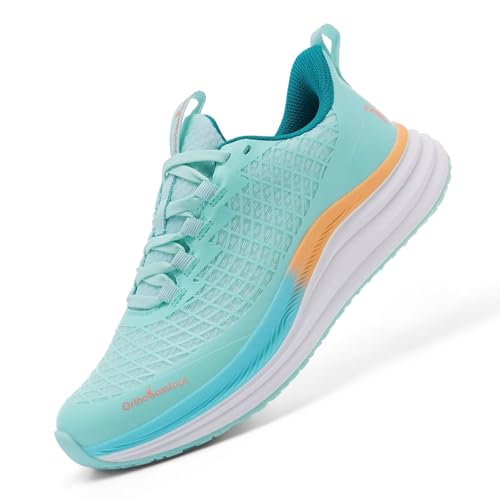
1.OrthoComfoot Walking Shoes with Arch Support
Built-in orthotic insoles cushion the heel and arch to ease foot pain

2.OrthoComfoot Slip-On Loafers with TPU Support
TPU arch support and memory foam cushion feet and help ease heel pain

3.OrthoComfoot Slip on Shoes with Arch Support
Thick EVA and rubber soles absorb impact to reduce fatigue on walks

4.JACKSHIBO Slip-On Sneakers with Wide Toe Box
1.57-inch foam midsole absorbs 40% of joint stress while you walk

5.OrthoComfoot Slip-On Loafers with EVA Midsole
Removable insoles with a deep heel cup help ease heel pain and spurs

6.JACKSHIBO Barefoot Shoes with Zero-Drop Sole
A 0mm heel-to-toe drop promotes natural posture and eases foot

7.YESWIN 5519 Orthopedic Slip-On Mules
Stretchy knit upper accommodates swelling and wide feet for a custom
1. OrthoComfoot Walking Shoes with Arch Support
OrthoComfoot slip-on shoes make daily walking and outdoor activities easier for people seeking arch support for Achilles tendonitis. Their built-in orthotic insoles cushion the heel and support the arch, while the title also identifies plantar fasciitis and heel spurs as intended concerns.
The arch support follows the foot’s natural shape, and the cushioned insole helps spread pressure across the foot. This design may suit people with flat feet or plantar fasciitis who want support for everyday wear as well as runs.
A slip-on construction makes them quick to put on and remove. The breathable leather upper helps keep feet cool and dry, while padding around the collar and tongue adds comfort near the ankle.
For walks and outdoor activities, the outsole provides traction on different surfaces. The shoes weigh about 0.55 pounds, which keeps their listed weight low for carrying or wearing through daily errands.
The mint pair comes in size 7. The maker describes them for walking, road running, gym workouts and hiking, so they can cover several active uses; buyers should choose them for their support features rather than assume they treat pain.
These shoes suit people who want an easy-on walking shoe with arch and heel cushioning, especially those looking for support related to Achilles tendonitis, plantar fasciitis or flat feet.
- Built-in arch support cushions heels and arches
- Slip-on design makes them easy to put on
- Lightweight build helps support a natural stride
- Breathable leather upper helps keep feet cool
- No major cons
2. OrthoComfoot Slip-On Loafers with TPU Support
For long shifts or casual walks that put strain on the heels, these OrthoComfoot slip-on loafers pair a supportive insole with a breathable canvas upper. Their mule-style design also makes them easy to put on and take off.
The insole combines a hard TPU arch support with a cushioning PU memory foam base. A latex metatarsal pad helps ease pressure under the forefoot, while gel waves absorb shock as you walk.
Small raised particles on the insole massage the feet during wear. The support is designed for high arches and may help ease discomfort linked to Achilles tendonitis, plantar fasciitis, flat feet, bunions, arthritis or diabetes.
A canvas upper lets heat escape and fits around the foot, making the shoes a lightweight option for everyday wear. The grey-and-lime pair is listed in women’s size 6.
You can wear them indoors or outdoors, and the foldable outsole suits shopping, dog walks and jobs that involve standing for long periods. They may also work as nursing shoes.
At about 0.55 pounds, the pair is light to carry and wear. These shoes suit buyers looking for easy-entry footwear with arch support for daily walking or extended standing.
- Firm TPU arch support helps ease foot strain
- Memory foam and gel waves cushion each step
- Lightweight slip-on design makes them easy to wear
- Breathable canvas upper helps keep feet cooler
- Foldable outsole suits indoor and outdoor wear
- No major cons
3. OrthoComfoot Slip on Shoes with Arch Support
Built-in orthopedic insoles provide arch support in these OrthoComfoot slip-on loafers, which are designed for people with Achilles tendonitis. The insoles also target discomfort linked to plantar fasciitis, flat feet, overpronation and heel spurs.
For Achilles tendonitis, cushioning across the forefoot, metatarsal and heel areas helps soften impact while walking. The thick EVA and non-slip rubber soles provide cushioning and grip for daily wear, long walks or workouts.
The slip-on design makes the shoes quick to put on without tying laces. That can be useful for people who find bending down difficult, as well as anyone who wants an easy shoe for everyday outings.
A mesh canvas upper allows air to circulate, which can help feet feel cooler during extended wear. The listing also says the shoes are intended to ease pressure on joints and support posture, but it does not provide clinical evidence for those benefits.
This khaki pair is a men’s size 9 and weighs about 0.6 pounds. It may suit buyers looking for easy-on footwear with arch support and cushioning for walks or everyday use, especially those managing Achilles tendon discomfort.
- Arch support targets several common foot concerns
- Cushioned soles absorb impact during walks
- Slip-on design avoids tying laces
- Breathable mesh canvas helps air circulate
- No major cons
4. JACKSHIBO Slip-On Sneakers with Wide Toe Box
Women who want a slip-on shoe with roomy toe space and arch support may find this JACKSHIBO option worth considering for Achilles tendonitis. Its zero-drop sole keeps the heel and forefoot at the same height, while the wide forefoot gives toes more room.
The midsole has 1.57-inch foam cushioning and a 15-degree toe rocker. JACKSHIBO says its roller propulsion design returns energy as you walk, and the cushioning is intended to reduce stress on joints.
A hands-free slip-on system lets you put the shoes on without bending down. That can be useful when you want to get out the door quickly, though the product details do not specify whether the fit adjusts.
An embedded EVA frame helps hold the heel in place during turns and stops. The shoes also use a three-part arch support structure, which the maker says helps distribute pressure for both flat and high arches.
The listed version comes in tan, in size 9 wide. Its wide toe box and cushioning suit people who want a roomy walking shoe with built-in arch support, though buyers focused specifically on Achilles tendonitis should consider whether a zero-drop sole suits their needs.
- 1.57-inch foam midsole cushions each step
- Zero-drop sole keeps heel and forefoot level
- Hands-free slip-on system avoids bending down
- Wide forefoot gives toes more room
- Zero-drop sole may not suit every Achilles
5. OrthoComfoot Slip-On Loafers with EVA Midsole
For walks around town or time on your feet, these denim canvas slip-ons focus on arch support and heel cushioning for people managing Achilles tendonitis. The removable insole has a high arch, a deep heel cup and gel cushioning to absorb impact.
A hard TPU section at the back of each insole supports the arch and holds the heel in place during walking or workouts. The heel cup is designed to ease strain associated with plantar fasciitis and heel spurs, while added cushioning covers the forefoot, metatarsal and heel.
The breathable canvas upper helps release heat, and the lightweight build reduces the load on your feet as you walk. You can wear the shoes as lace-ups or fold the backs down to use them like slippers.
An EVA midsole and rubber outsole with a patterned tread provide flexibility and grip across different surfaces. The slip-on shape also makes them quick to put on and take off, which can be useful for everyday errands.
These size 9 shoes weigh about half a pound, based on the listed item weight. Their support features also target high arches, flat feet, overpronation and several sources of foot and leg discomfort.
They may suit people looking for easy-on shoes with removable orthotic insoles and cushioning for Achilles tendonitis. Buyers who prefer a structured shoe should note that the upper can also fold down for slipper-style wear.
- Removable high-arch insoles cushion heel and forefoot
- TPU heel support helps hold the foot in place
- Breathable canvas upper releases heat during walks
- Lightweight build reduces weight on your feet
- Fold-down backs offer less heel structure
6. JACKSHIBO Barefoot Shoes with Zero-Drop Sole
The zero-drop sole is the defining feature of these JACKSHIBO slip-on shoes, giving the heel and forefoot the same height. That level platform supports a natural stride, though it may not suit anyone seeking a raised heel for Achilles tendonitis.
A wide toe box gives toes more room, while the title also lists metatarsal pads. The maker says the forefoot is 20% wider and reports less pressure, but the supplied details do not explain the pads’ construction.
For arch support, the shoes use a 3D structure designed to spread pressure across the foot. The maker gives figures for arch coverage and plantar-tension reduction, though these are product claims rather than independent test results.
A detachable flap tongue lets you switch between a simpler look and a layered style. It also supports slip-on wear, so you can put the shoes on without bending down.
The anti-slip rubber sole is intended to provide grip for walking, tennis, gym sessions and workouts. These features may appeal to people who want a roomy fit and hands-free entry, but the listing does not specify Achilles-specific support.
The Minimalist Beige version comes in size 9 Wide. It suits buyers looking for wide, zero-drop slip-ons with arch support, provided that flat platform works for their needs.
- Wide toe box gives toes more room
- 3D arch support spreads plantar pressure
- Zero-drop sole supports a level platform
- Detachable tongue allows slip-on entry
- Anti-slip rubber sole for varied activities
- Zero-drop platform may not suit every heel
7. YESWIN 5519 Orthopedic Slip-On Mules
YESWIN offers a backless knit mule for women who want an easy-on shoe for walking, travel, home or the office. Its pull-on style skips laces and makes it simple to take the shoes off when you reach your destination.
The elastic knit upper stretches to accommodate wide feet and swelling. Breathable knit also allows airflow, while the flexible design moves with each step.
For Achilles tendonitis, the title lists arch support, but the product details give no further information about how much support it provides. The slip-on mule shape leaves the heel open, so shoppers who need a shoe that holds the heel should consider that trade-off.
A rubber outsole provides traction on slippery surfaces, according to the listing. The shoes come in black and size 9.5, and the lightweight build suits busy days that involve errands, house chores or commuting.
This backless style may work for women who prefer quick-on footwear and want a stretchy upper with arch support. It may be less suitable for buyers who need a closed heel or detailed information about support for Achilles tendonitis.
- Stretchy knit accommodates wide or swollen feet
- Rubber sole offers traction on slippery surfaces
- Pull-on backless design is quick to remove
- Open heel may not suit buyers needing heel coverage
How to Choose the Best Slip on Shoes for Achilles Tendonitis
Choosing slip-on shoes for Achilles tendonitis means balancing heel comfort, stable support, secure fit, and easy entry. Your symptoms, foot shape, daily routine, and tolerance for different sole designs should guide the choice.
| If You Need | Look For | Expect |
|---|---|---|
| Less heel rubbing | Padded, smooth heel collar | More coverage around the ankle |
| Easy entry | Stretch panels or hands-free opening | Less adjustability across the instep |
| Room for wide feet | Wide sizing and broad toe box | A roomier, less tapered look |
| Long walking comfort | Cushioned midsole and stable heel | More bulk than minimalist shoes |
| Strong arch support | Firm, shaped insole | A break-in period for some feet |
| Swelling-friendly fit | Stretch upper and adjustable volume | Less hold during quick turns |
| Indoor and outdoor use | Grippy rubber outsole | Slightly more weight underfoot |
Heel Comfort and Fit
A shoe’s heel area sits close to the irritated Achilles tendon, so stiff edges and rubbing deserve attention. Look for a soft lining, a padded collar, and a shape that does not press directly on your tendon.
A backless mule avoids contact at the rear, but it may slip as you walk and demand extra toe gripping. A closed heel holds the foot more securely, though its collar needs a comfortable height and finish.
Try shoes late in the day, when feet often swell, and wear your usual socks. Leave roughly a finger’s width beyond the longest toe, while keeping the heel from lifting excessively with each step.
Heel-to-Toe Drop
Heel-to-toe drop is the height difference between the heel and forefoot, and it changes how your foot meets the ground. A higher heel position may reduce calf and tendon stretch for some people.
A zero-drop sole keeps heel and forefoot at similar heights, but it asks the ankle and calf to work through a different range. It suits people already comfortable in minimalist footwear better than those switching abruptly.
For tendon pain, do not assume one drop suits everyone. Compare the shoe’s profile with footwear you already tolerate, and ask a clinician before making a major change during a painful flare.
Arch and Insole Support
Arch support helps distribute pressure through the foot, but a very firm shape can feel intrusive if it does not match your arch. Look for support that contacts your foot without creating a sharp pressure point.
Some shoes use built-in support, while others include removable insoles. A removable footbed gives you room for prescribed orthotics or a replacement insert, but confirm that the shoe still fits securely afterward.
High arches often need support that fills the gap beneath the midfoot, while flatter feet may prefer a less pronounced contour. Your comfort during a short indoor try-on is more useful than support labels alone.
Cushioning and Stability
Midsole cushioning softens repeated impacts during walking, but extra softness is not always more comfortable. A stable base helps prevent the foot from wobbling, especially when your steps are uneven or your balance feels uncertain.
Look for cushioning under the heel and forefoot, with enough firmness to keep the shoe from collapsing sideways. Thick foam may feel protective on hard floors, though it can add height and reduce ground feel.
For short errands, a lighter, moderately cushioned shoe may feel easier to manage. Longer walks usually call for more impact protection, provided the platform remains steady and does not alter your stride uncomfortably.
Slip-On Security
Slip-on shoes save time, but they still need to stay attached to your foot during normal walking. Check whether the instep opening holds you without pinching, and whether the heel remains seated as you take several steps.
Stretch uppers and hands-free entry are convenient when bending is difficult or your feet swell. Their trade-off is less adjustment, so a loose opening or shifting foot may be harder to correct than with laces.
Mules and backless styles are easy to remove, but they offer less rear-foot control. Choose a closed-back slip-on for longer walks or uneven paths if a secure heel fit matters to you.
Toe Box and Width
A roomy toe box gives toes space to spread, which helps if narrow shoes create pressure or your forefoot swells. Look for width options and a shape that does not squeeze the little toe.
Wide sizing refers to the shoe’s overall width, while a broad toe box describes space at the front. Those features do not always appear together, so assess the forefoot shape rather than relying on a label.
If you use orthotics or thicker socks, allow room without letting the foot slide forward. A shoe that feels wide at the toes but loose at the heel can still cause rubbing and instability.
Upper Material and Breathability
Canvas, mesh, knit, and leather differ in airflow, stretch, and structure. Breathable fabric can help feet feel cooler during warm-weather walks, while a more structured upper may hold the foot better during turns.
Stretch knit may accommodate mild swelling or a wider forefoot, but it can provide less support around the midfoot. Canvas often feels more structured, though its fit may be less forgiving when your feet change size during the day.
Look for smooth interior seams and material that bends where your foot bends. If you need a secure fit for daily walking, prioritize shape retention over the softest or most flexible upper.
Outsole Grip and Flex
A rubber outsole with visible tread helps maintain traction on wet pavement and smooth indoor floors. Examine the pattern and how the sole bends; a nearly smooth bottom offers less grip when surfaces are damp.
Some shoes use a rocker-shaped front, which curves upward to help the foot roll forward. This design may make walking feel smoother, but it changes the step and does not suit everyone’s preferred gait.
A flexible forefoot feels natural for casual use, while a firmer sole can provide steadier support over longer distances. Choose based on your routes, and avoid relying on tread appearance alone for slippery conditions.
Weight and Intended Use
Lightweight shoes reduce the feeling of carrying extra weight with each step, which may help for travel or indoor wear. Yet very light construction can come with less structure or a thinner outsole.
For everyday walking, consider whether the shoe has enough support for your distance and surfaces. A casual loafer may suit errands, while a sneaker-style sole is often more practical for workouts or uneven paths.
Use the shoe for the activities its construction suits rather than assuming every slip-on works for hiking, running, and office wear. Different demands call for different traction, stability, and cushioning.
Price and Value
Lower-priced shoes often provide basic cushioning and slip-on convenience, while higher prices may bring removable insoles, more structured support, or specialized sole designs. Compare construction and fit rather than assuming cost predicts comfort.
Paying more is worthwhile when a shoe solves a specific need, such as accommodating orthotics or offering a width that fits securely. If the shape presses your heel or arch, added features do not make it suitable.
Warranty and Returns
A return window is important because heel comfort and fit become clearer after careful indoor walking. Read the rules for worn footwear, return shipping, and refund timing before ordering, especially when sizing is uncertain.
Warranty coverage usually addresses manufacturing faults, not discomfort or normal outsole wear. Keep purchase details and review the stated coverage period, but prioritize a usable return policy when the shoe’s fit remains unproven.
Frequently Asked Questions
Which slip-on shoes offer the most heel cushioning?
The OrthoComfoot Walking Shoes cushion the heel and arch with built-in orthotic insoles. The JACKSHIBO Slip-On Sneakers use a thick foam midsole to absorb impact while walking.
Which options may suit wide or swollen feet?
The YESWIN 5519 Orthopedic Slip-On Mules have a stretchy knit upper designed to accommodate swelling and wide feet. The JACKSHIBO Slip-On Sneakers also have a wide toe box.
Can I replace the insoles?
The OrthoComfoot Slip-On Loafers with EVA Midsole have removable insoles and a deep heel cup. Check the product details for the other models before planning to swap their insoles.
Should I choose the JACKSHIBO Slip-On Sneakers or the JACKSHIBO Barefoot Shoes?
Choose the Slip-On Sneakers if you want a wide toe box and a cushioned midsole. The Barefoot Shoes have a zero-drop sole intended to promote natural posture, so consider which design better suits your needs.
What kind of support do the OrthoComfoot loafers provide?
The TPU Support loafers pair arch support with memory foam cushioning. The EVA Midsole loafers instead feature removable insoles with a deep heel cup.
What should I know about the YESWIN 5519’s upper?
Its stretchy knit upper is designed to accommodate swelling and wide feet. The product details describe this fit feature but do not specify other materials or what comes in the box.
Do these shoes all have the same heel-to-toe design?
No. The JACKSHIBO Barefoot Shoes have a 0mm heel-to-toe drop, while the other listed features focus on cushioning, arch support, or fit.
So, What Should You Buy?
For most people, the OrthoComfoot Walking Shoes with Arch Support are the best pick, thanks to built-in orthotic insoles that cushion the heel and arch. For budget-minded buyers, consider the OrthoComfoot Slip-On Loafers with TPU Support; their supportive design and memory foam cushion the foot.
Choose the JACKSHIBO Slip-On Sneakers for a wide toe box and stress-absorbing midsole, or the YESWIN 5519 Mules if swelling calls for a stretchy fit. Prefer a natural, zero-drop feel? Pick JACKSHIBO Barefoot Shoes. Choose the pair that best matches your feet and needs.


